



US To Phl: Don’t Be Like China, Be Transparent On ASF
“From what we’ve seen in China and Vietnam, it is a 90 to 95 percent death loss so I don’t know how you could hide dying pigs,” according to a US official.
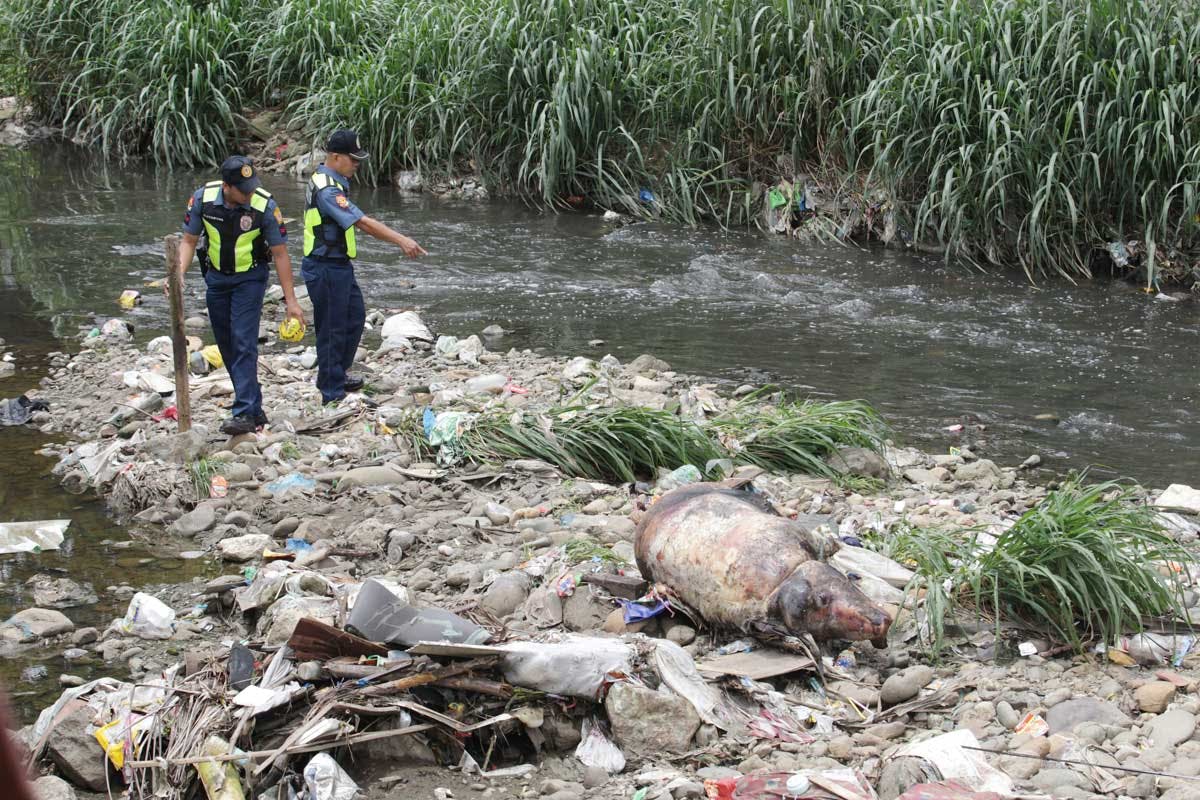
WASHINGTON – Last month, Agriculture Secretary William Dar disclosed that the government had identified the disease that caused the deaths of pigs in Rizal but said it was not the feared African swine fever (ASF).
Dar explained he did not want to create public panic so he was not giving too much information about the development.
“The hog industry is P260 billion today. We are managing, containing and controlling it,” Dar said on Aug. 25.
Even before this statement from Dar, however, a source told The Philippine STAR that the initial diagnosis of the Bureau of Animal Industry (BAI) was that ASF caused the deaths of the pigs. But to abide by the protocol and avoid mistakes, the Department of Agriculture (DA) did not announce it. “Japan, for one, made a wrong diagnosis last year,” the source said.
It was only last week that the DA confirmed that the ASF has entered the Philippines. Prior to the confirmation, Dar scolded local government officials and even veterinary officials in the BAI for speaking about the disease as he himself was not giving details on the hog deaths.
But the United States believes it is best for the Philippines to be more transparent on the issue as delaying or even hiding details to the public will likely backfire.
The US Grains Council, an inclusive organization of grains producers, said the Philippines should not imitate China, which has been sugarcoating data on the deaths caused by ASF.
The US is a major exporter of meat products to the Philippines. Last year, it exported about 40 million kilograms of pork to the Philippines, making it the third largest source of pork products for the country.
US Grains Council senior director for Global Programs Cary Sifferath said in a meeting here that it would help if the Philippines is open and direct in dealing with the problem.
“With China, their government is trying to keep it a secret. But the more transparent they can be, the better,” Sifferath stressed.
“You can keep it a secret,
but pork prices will start going up if there are no live hogs that would
actually meet that demand, feed production will go down and feed companies will
start to notice it. So those things are going to show up whether you hide it or
not,” he said.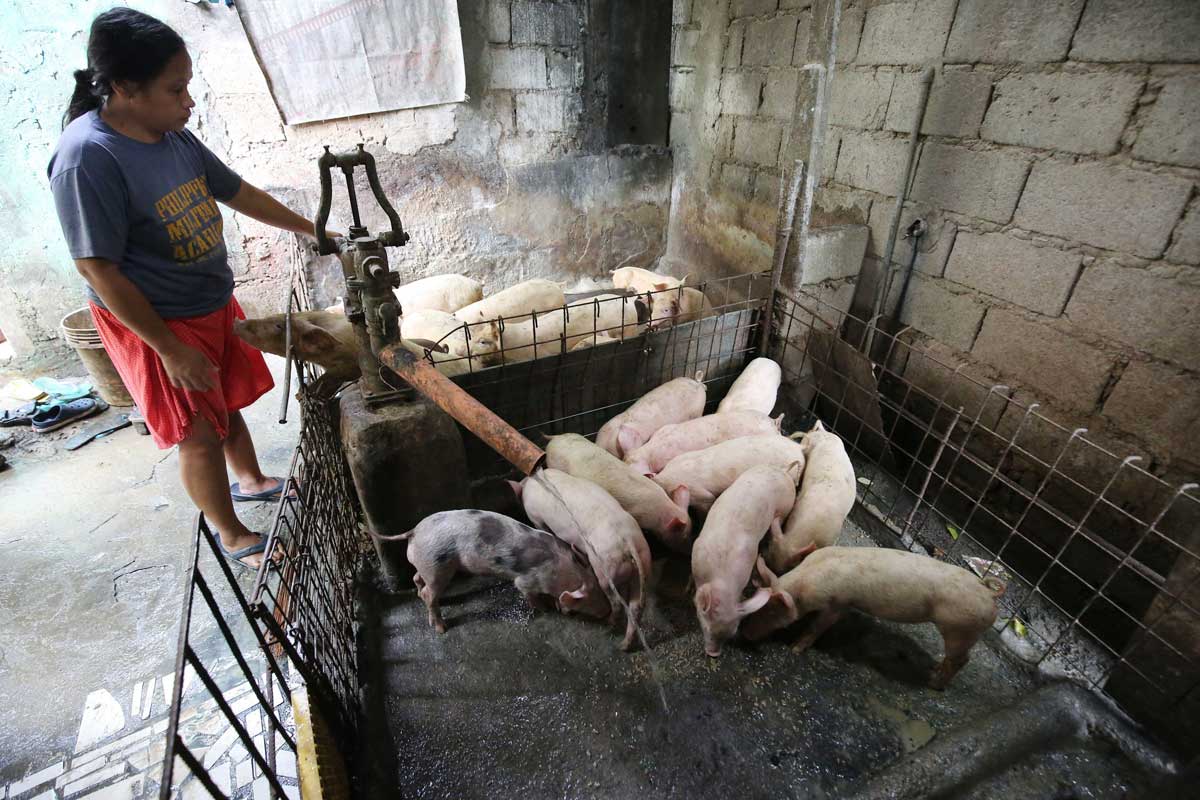
Sifferath suspects that the disease had been present in the Philippines as early as March.
“People were telling me that they thought the Philippines had the ASF already back in March and then now I saw that 70 percent of the samples sent to UK tested positive, which means it did not just pop up in the last two weeks, it’s been there for a while,” Sifferath noted.
“From what we’ve seen in China and Vietnam, it is a 90 to 95 percent death loss so I don’t know how you could hide dying pigs,” he said.
The US is lauding the way Vietnam, which has been hard-hit with more than two million pigs already culled, is handling the issue compared to China.
“Some pig operations burn the buildings down and three weeks later, they get a huge broiler or raiser, and they are not waiting for the government to do anything, they need money, they just shift – whether broilers, ducks, aquaculture,” Sifferath said. “The Vietnamese have adjusted much, much faster than China has.”
While the ASF is unlikely to enter the US amid its focus on commercial operations thus the tighter biosecurity measures, the US Grains Council is concerned with ASF as it exports feeds to Asian countries for the livestock industry.
“We know it is in Cambodia and Laos and I would assume it is also in Thailand and it will probably be in Myanmar soon. If it’s in the Philippines, I’m guessing it will not be long until it is in some of those islands. Taiwan, Japan, Korea are desperately trying to keep it out,” Sifferath said.
“Every time Chinese groups go on vacation somewhere, they got pork sausages in their suitcase and even here in the US, we are trying hard to keep an eye on that, and it’s not easy,” he added.
South Korea reported its first case of ASF yesterday. As mentioned by Sifferath, the viral swine disease that has neither a vaccine nor a cure has been reported in Cambodia, China, Laos, Mongolia, Myanmar, North Korea, the Philippines and Vietnam, according to pigprogress.net.
The website states that ASF
is a highly contagious and often fatal disease, beginning four to five days
after infection and causing fever followed by dullness, breathing difficulty,
vomiting, coughing, nasal and ocular discharge, abortion in pregnant sows,
cyanosis of the extremities and death within seven days. Chronically affected
pigs are emaciated and often lame with skin ulceration, it added.
ASF was first identified in East Africa in the early 1900s and spread to Kenya in the 1920s. Outbreaks were also reported in Europe and South America in the 1960s and in Georgia in 2007. There were also outbreaks in parts of Russia and then China in 2018.
The Food and Agriculture Organization (FAO) of the United Nations said since the Chinese Ministry of Agriculture and Rural Affairs confirmed its first ASF outbreak in Liaoning province on Aug. 3, 2018, 157 ASF outbreaks had been detected in 32 areas in China and about 1,170,000 pigs have been culled in an effort to stop the further spread of the disease.
Demand for pork to remain
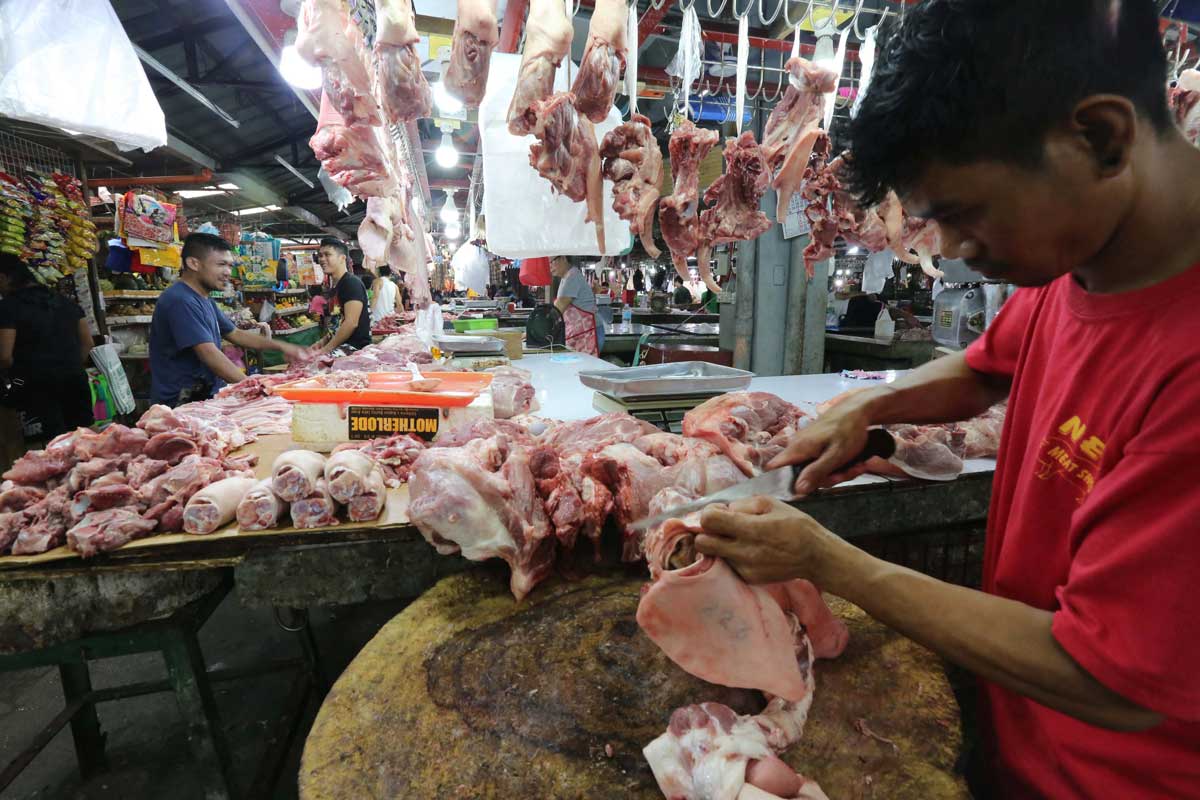
Even with the presence of the disease, Sifferath emphasized that demand will still be there as Filipinos are naturally inclined to consume pork.
“This means prices will go up so either you import pork or you give big incentives to producers to repopulate. But what the Chinese are finding out is that you cannot repopulate even if you try. The disease will be there and it will just kill the pigs,” he said.
The DA says the ASF episodes in several areas in Bulacan and Rizal cannot be considered an epidemic.
The department also stressed that ASF was already contained in Barangay Pritil, Guiguinto in Bulacan, and in several barangays in Rodriguez, San Mateo and Antipolo in Rizal.
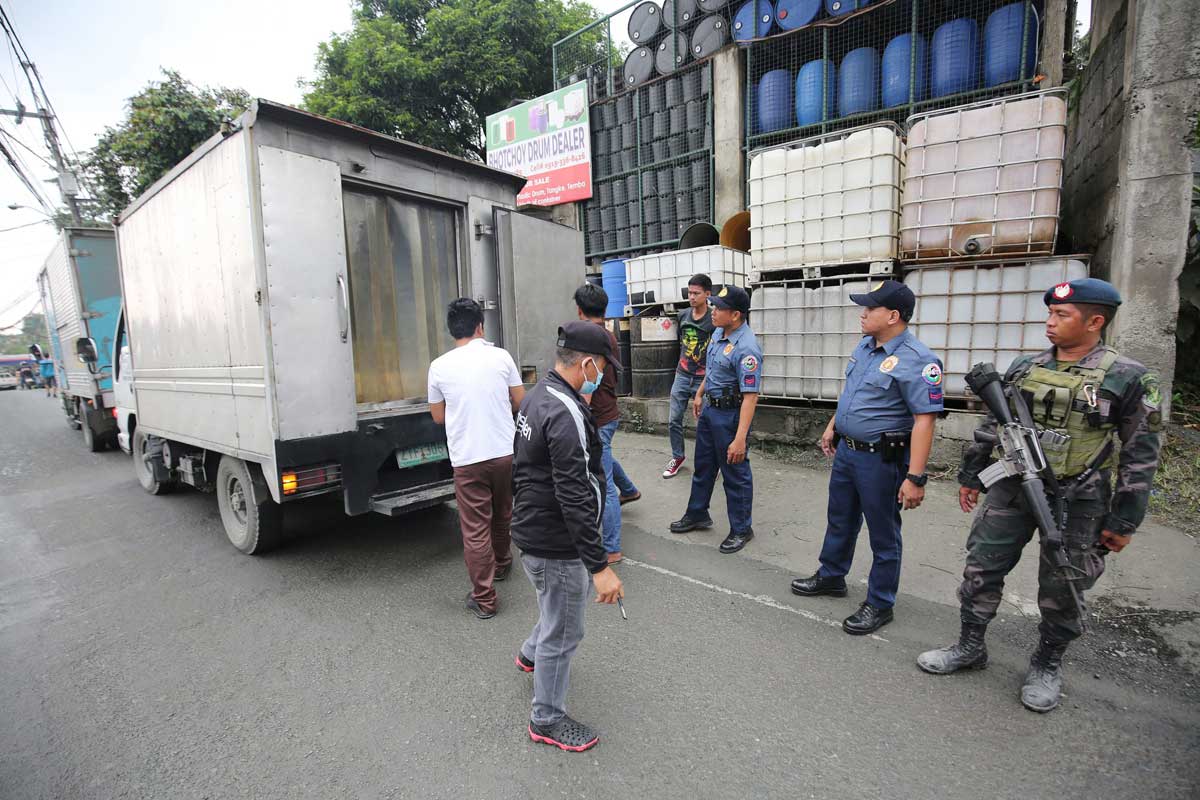
So far, 7,416 pigs within the one-kilometer radius in ASF areas in Rizal and Bulacan have been “depopulated,” following the 1-7-10 protocol to manage, contain and control the spread of the disease.
The government said it has enforced the “1-7-10 protocol” in the affected areas. This means that quarantine checkpoints are set up in areas within a one-kilometer radius of farms possibly having cases of ASF where all pigs are also culled.
Within a seven-kilometer radius, surveillance is conducted and any animal movement is limited while farm owners within a 10-kilometer radius are required to report if they have pigs showing signs of the disease.
According to the DA, the ASF could potentially wipe out the P260-billion hog industry in the Philippines as 65 percent is contributed by small backyard raisers. Overall, including related industries, the sector is worth P416 billion.
The government has assured the public that the incident will not affect the supply and prices of pork in the market, stressing that ASF is confined and specific to certain areas only and not in the entire country.
The Philippines has also banned the importation of pork and pork products from countries affected by ASF.
African swine fever facts from FAO:
- ASF is a viral hemorrhagic disease that kills up to 100 percent of infected animals, both pigs and wild boars.
- The virus is not dangerous to humans, it only affects pigs (domestic and wild).
- It is hardy and can survive for long periods – dried, frozen and cured pork products are at high risk of carrying the virus.
- The virus can be spread through feeding pigs swill containing undercooked contaminated pork.
- Adhering to strict farm biosecurity measures will decrease the chances of the disease spreading or entering at all.
- Strict border control can help to reduce the chances of ASF being introduced into a country.
- As of August or a year after an ASF outbreak was reported in China, almost five million pigs in Asia have now died or been culled.


