



DepEd Issues Emergency Learning Continuity Guidelines
DepEd said under this framework, school heads are empowered to closely coordinate with schools division superintendents and local government units to enforce granular, highly localized class suspensions based on actual community conditions.
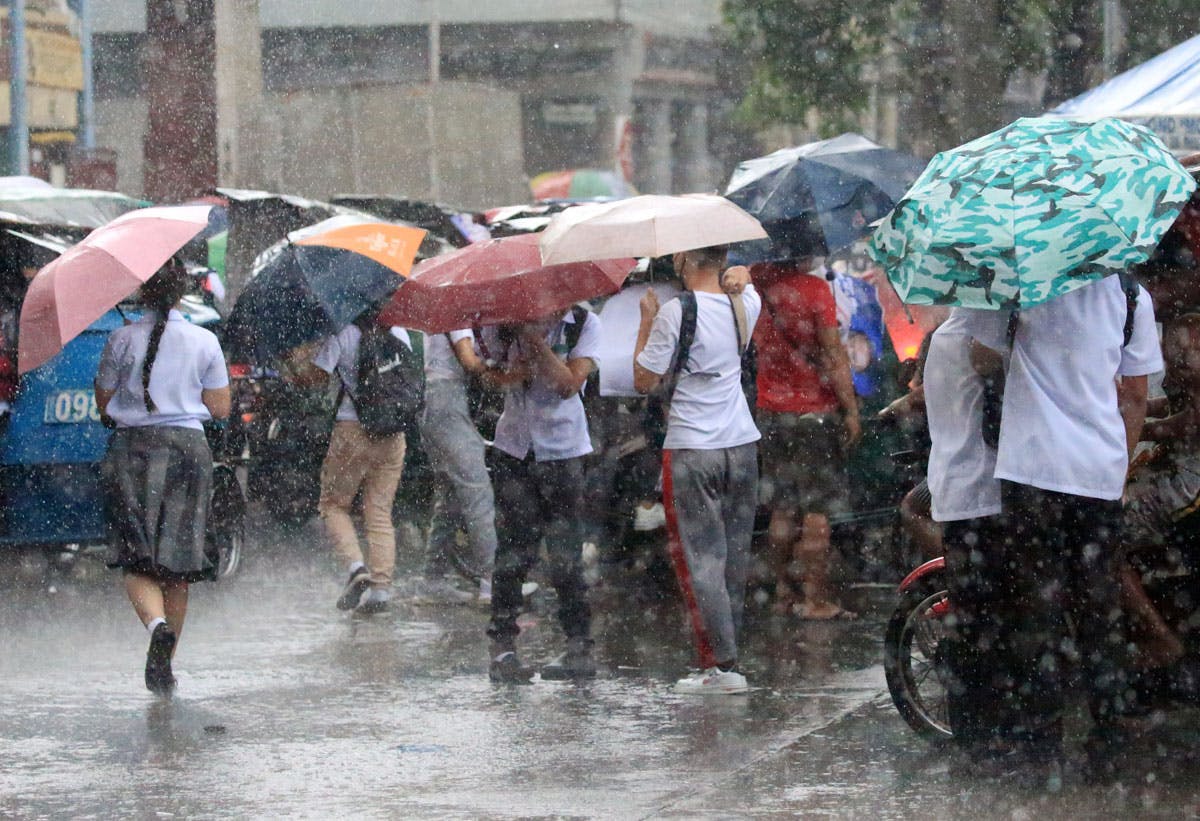
Education Secretary Sonny Angara has issued new guidelines to help schools continue teaching and learning before, during and after emergencies while prioritizing the safety and well-being of learners, teachers and school personnel.
Angara signed Department of Education (DepEd) Order No. 14 s. 2026, which aims to provide school heads, division alternative learning system focal persons and schools division superintendents with a clearer framework for making immediate and informed decisions when classes are disrupted by typhoons, floods, earthquakes, extreme heat, health crises, violence, armed conflict and other emergencies.
“When there is a calamity or crisis, our first question should be: are the children and teachers safe, and are they able to learn and teach? We cannot expect the same from them when the situation is normal and when they are experiencing danger, fear or loss,” Angara said.
He added that learning continuity should never come at the expense of safety.
“True learning continuity is about knowing when to continue, when to slow down, when to check in and when to stop to prioritize safety,” he added.
Angara noted that the policy introduces a levels-based learning continuity framework to guide schools in selecting appropriate learning responses based on the safety, readiness and condition of learners and teachers.
The four levels are Hayo or Continue, where regular in-person learning proceeds when stakeholders are safe; Hinay or Ease-in, where learning continues at a slower and more flexible pace during mild disruptions; Hinga or Check-in, where academic demands are reduced and well-being checks are prioritized, and Hinto or Stop, where academic learning is halted because safety and basic needs are at risk.
DepEd said under this framework, school heads are empowered to closely coordinate with schools division superintendents and local government units to enforce granular, highly localized class suspensions based on actual community conditions.
The guidelines also set standards for emergency learning resources and learning experiences, including learning packets, print or digital modules, broadcast materials, family kits, check-in guides, home learning support and emergency learning kits.
DepEd said the policy works in tandem with EduKahon, which serves as the department’s standardized school recovery kit for learning continuity during disasters. These specialized, pre-positioned kits contain essential teaching and learning materials tailored to sustain education even when classrooms are inaccessible or damaged.


