



Grandson Of Ninoy, Cory Says Respect For Human Rights, Freedom Of Speech And Other EDSA Legacies Must Be Strengthened
Francis Joseph “Kiko” Aquino Dee, a political science lecturer, said democratic foundations established after the EDSA people power revolution have eroded and that the country has been moving in non-democratic direction.
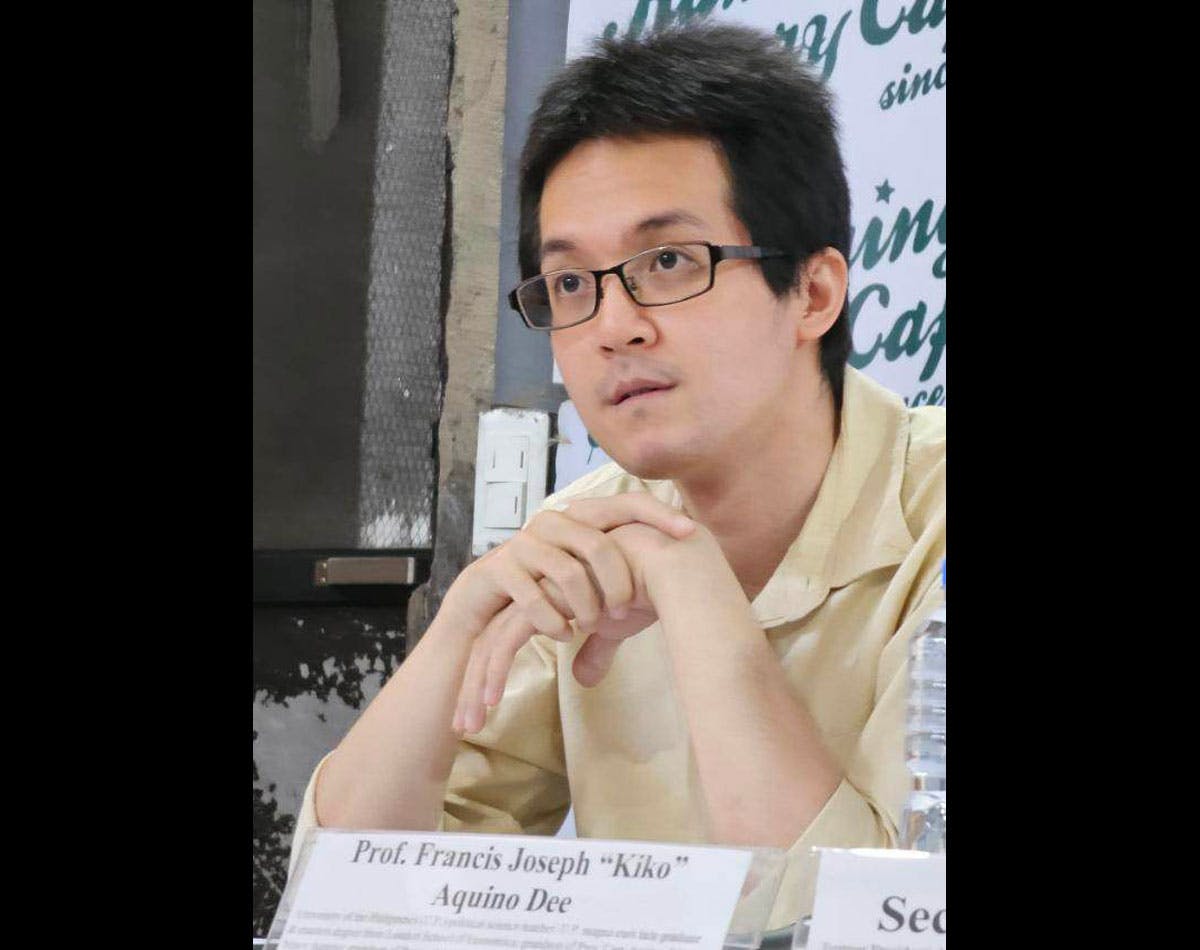
Political science lecturer Francis Joseph “Kiko” Aquino Dee stressed the need to strengthen the foundations and legacies of the EDSA people power revolution, which freed the country from dictatorship in 1986.
Dee, grandson of the late democracy icons Benigno “Ninoy” Aquino III and Corazon “Cory” Aquino, said respect for human rights and freedom of speech, for instance, have eroded and that country has been moving in non-democratic direction despite the EDSA revolution.
“Pero ano ‘yung mga institution, ano ‘yung mga values natin na nagpapalakas, nag-guarantee na hindi mawawala ‘yung ganyang freedom? ‘Yung pagpapahalaga sa dignidad ng mga tao, pagpapahalaga sa mga buhay. Kumbaga ginagalang natin ‘yung mga kapwa natin kahit iba ‘yung opinyon nila, kahit naiiba ‘yung opinyon ng minority sa majority, dinidinig pa din, nirerespeto pa din (What are the institutions, what are the values that strengthen and guarantee democracy? These are valuing human dignity and lives, respecting and listening to opinions that go against the majority),” Dee said during the Kamuning Bakery Cafe’s “Pandesal Forum” in Quezon City on Thursday, Feb. 23.
The 1986 EDSA uprising led to the fall of the late dictator Ferdinand Marcos Sr., father and namesake of President Marcos. Cory was installed as president after continuing the fight of her husband, Ninoy, for democracy. Ninoy was assassinated upon his return from exile in the United States in 1983, triggering mass protests against the dictatorship.
Dee said it is important to stop the killings and value the dignity and lives of people as well as the opinions of the minority being the essence of democracy. He pointed out that the opinion of the majority would not always be the right one and which should be followed.
He told The Philippine STAR / OneNews.PH that people should not resort to hurtful means when there are those who oppose their opinions. He said the views of those in the minority must also be given equal attention.
“Parang pahalagahan ulit natin ‘yung dignidad ng bawat tao, ‘yung buhay ng bawat tao…hindi maganda ‘pag may pinapatay at saka ‘yun po, ‘yung opinyon ng ibang tao. Kahit na nag-di-disagree tayo, kahit ‘yung majority, 50 percent plus, 59 percent plus, kung gaano man kalaki man ‘yung majority na ‘yan, hindi ibig sabihin na ‘yun lang ‘yung tamang opinyon, o ‘yun lang ‘yung dapat masunod,” he said.
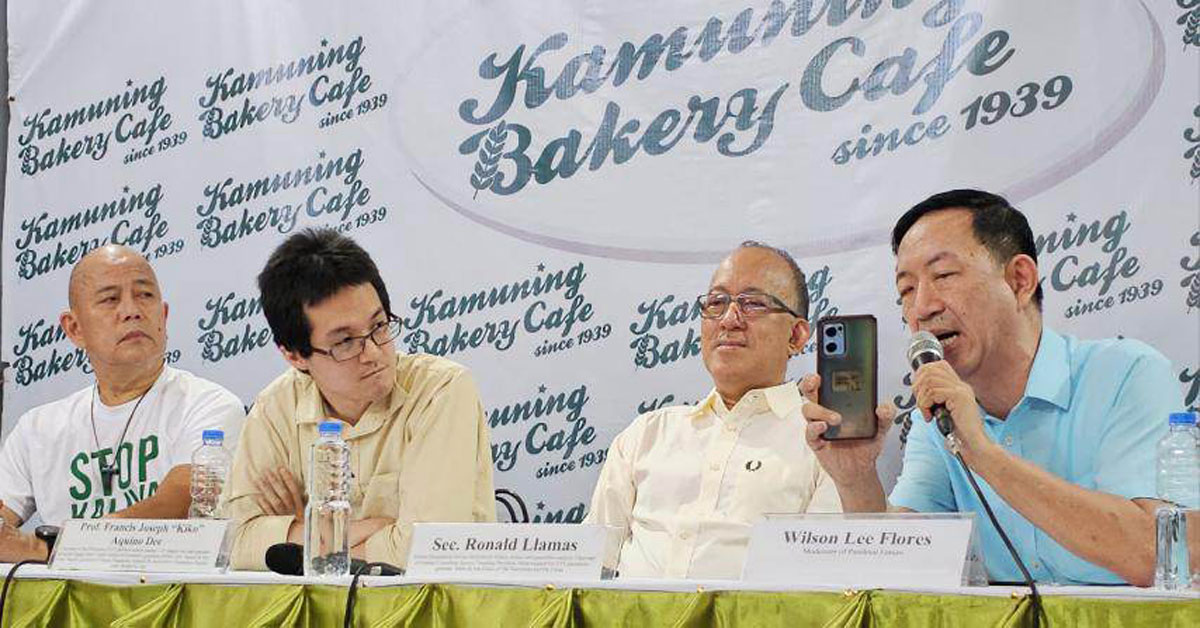
Also present in the forum was former political affairs adviser Ronald Llamas, who said the challenge for the younger generation is to bring back “wellsprings” of unity, creativity and generosity established during the first Marcos regime leading up to the EDSA revolution.
Llamas served under the late former president Benigno “Noynoy” Aquino III, Dee’s uncle.
According to Llamas, there was a failure to institutionalize these wellsprings. Adding to this challenge is sending the message across in a country where most people are young and are easily influenced by disinformation and historical revisionism due to lack of proper education about the past.
“Paano ibabalik ‘yang wellspring ng creativity, ‘yang wellspring ng unity at ‘yang wellspring ng generosity ulit sa isang lipunan na mahigit 60 percent ng mamamayan ay mga bata pa noong nangyari ‘yung EDSA [revolution] na naging biktima ng disinformation at revision ng history dahil hindi sila, ‘yung aming henerasyon ay hindi naituro sa kanila ‘yung nangyari noong martial law, ‘yung nangyari noong nakaraan? Kaya mas madali silang hubugin ng bagong teknolohiya ng social media (How do you bring back the wellsprings of creativity, unity and generosity to a society where over 60 percent of its citizens were young when the EDSA revolution occurred and became victims of historical revision and disinformation because the older generation was not able to properly teach them about martial law? This is the reason why they are easily shaped by social media technology), ” Llamas said.
As to how these issues could be solved, Llamas told The STAR / OneNews.PH the need for new education systems, citing Scandanavian countries such as Sweden and their “study circles” as an example.
He said there is also the optimization of social media in order to combat rampant disinformation and fake news.
“Most educated and developed countries in the world, most of their population didn’t graduate from formal schools and universities but from study circles organized by communities, where the students themselves create their own curriculum. Second is to maximize social media, by creating ‘an army of Davids’ who would engage and fight disinformation and fake news,” he noted.
On top of a “failed” education system where martial law is not properly taught, Llamas cited the lack of justice and bad economy as among the reasons why the democratic foundations after the EDSA revolution were weakened.
It also did not help that there were little to no improvements on the human rights front, with Llamas citing the extrajudicial killings that occurred during the Duterte administration.
He said these problems must be resolved to ensure a better future for succeeding generations.
“Kailangan namin mag-scale up, para sa susunod na henerasyon. Hindi na para sa amin, pero para sa susunod na henerasyon at ‘yung henerasyon na iaanak nila. Kailangan bumawi kami na etong mga kakulangan for the past three decades eh kailangan hindi na maulit (We need to step up for the succeeding generations. It’s no longer for us…We need to make up for our shortcomings for the past three decades so that these would not be repeated anymore),” Llamas said.
“Ano 'yung pwede pa namin ituro, ano 'yung pwede namin ikwento? Ano 'yung pwede namin isakripisyo? ‘Yun ‘yung hamon sa ’min [matatanda]. (What else can we teach, what stories can we share? What else can we sacrifice? That’s the challenge for us in the older generations),” Llamas added.


