



Who Were Killed On ‘Bloody Sunday’? Labor Leader, Fisherfolk, Housing Rights Activists, Dumagat Men
The Philippine National Police branded as baseless the allegations that the nine activists were killed in cold blood, saying the law enforces involved in the operations only defended themselves after the suspected communists fought back.
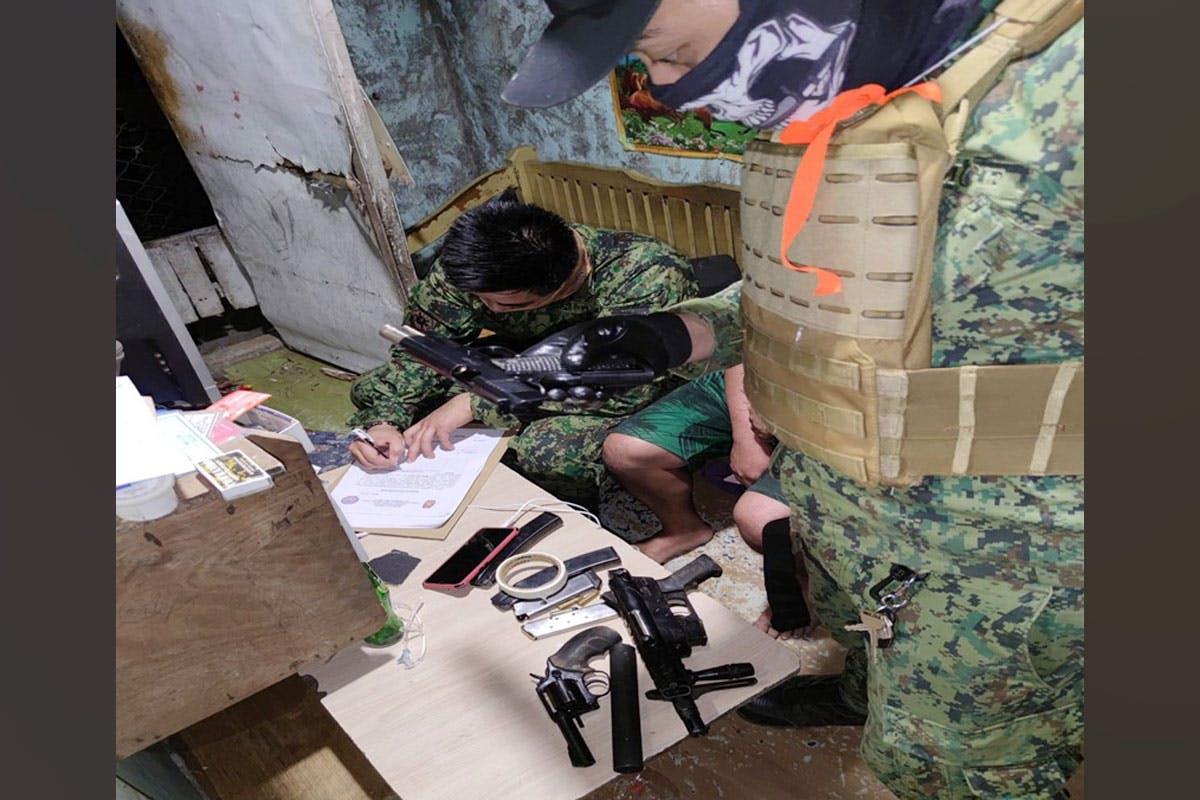
Seven of the people killed by police in a series of raids before the sun rose on “Bloody Sunday” – which Vice President Leni Robredo labeled as a “massacre” – were activists who fought for labor rights, housing rights and the welfare of fisherfolk, while two of them were members of the marginalized Dumagat indigenous group.
The Philippine National Police (PNP) Calabarzon regional office did not release the names of the victims and only said they were “members of CTGs (communist terrorist groups).”
PNP spokesman Brig. Gen. Ildebrandi Usana branded as baseless the allegations that the nine activists were killed in cold blood on Sunday, March 7. He maintained the policemen involved in the operations only defended themselves after the nine suspected communists fought back.
The PNP-Internal Affairs Service and the Commission on Human Rights started separate investigations into the incidents to determine if the law enforcers involved committed lapses and violations.
On Monday, March 8, PNP chief Gen. Debold Sinas said the series of police operations in Calabarzon were "legitimate" as these were covered by search warrants.
PNP-IAS inspector general Alfegar Triambulo said in a text message that it is part of their mandate to conduct an investigation in police operations where there are fatalities.
According to Usana, the raids were based on information and supported by evidence that the targets were in possession of firearms and explosives. “The PNP Calabarzon applied for search warrants from the different courts pursuant to the law and in strict compliance with standard legal procedures,” he said.
While police officers exert all possible means to ensure operations are peaceful, they are mandated to defend themselves in the event the suspects fight back, Usana said.
They are “trained to defend themselves against any unlawful aggression,” Usana stressed.
Presidential spokesman Harry Roque also asked Robredo to back up her claim that the killings of the nine suspected communist rebels were indicative of a “murderous regime.” He said it would be best to wait for the results of the investigations into the incidents.
Read more: ‘BLOODY SUNDAY’: Gov’t To Probe Nine Activists’ Killings As DOJ Chief Expresses Disappointment
Human rights groups were only able to finish gathering the names on Monday evening. They maintained that the police killed activists and indigenous people and not communist rebels as claimed.
Labor leader Emmanuel Asuncion
Emmanuel Asuncion was the provincial coordinator and spokesperson of Bagong Alyansang Makabayan (Bayan) – Cavite.
The labor and multisectoral leader was killed at the Workers’ Assistance Center in Dasmariñas City. The warrant issued by Manila Regional Trial Court (RTC) First Vice Executive Judge Jose Lorenzo dela Rosa authorized a search in Asuncion’s home in Rosario municipality, roughly an hour’s drive away.
Human rights monitor Karapatan said Asuncion told police that he would not stop the operation if he were shown the search warrant, but the police refused.
It cited witness accounts in saying “Asuncion was dragged away from his wife Lizel before gunshots were heard; six bullets, three in the front and three in the back, were recovered from his body.”
Karapatan said Asuncion’s house in Rosario was being raided at the same time he was killed in Dasmariñas City. It was in Rosario where the police allegedly confiscated various firearms.
Kilusang Mayo Uno chair Elmer Labog said based on the information he gathered, Asuncion’s body was dragged along the floor, spreading his blood.
Vowing to hold the police accountable for Asuncion’s killing in an office supported by the church and international networks, Labog said: “Itong ginawa kay Manny ang teroristang aksyon! PNP, kayo ang terorista! (What you did to Manny is a terrorist act! PNP, you are the terrorists!)”
Kyle Angelo Salgado, spokesperson of human rights monitor Karapatan Timog Katagalugan, described Asuncion as “modelo ng isang idol kong tibak (a role model and an idol activist).” He remembered him as an activist whose charm is not limited to the audience in his province.
“Magaling magpropaganda, magorganisa, at magpakilos, kaya lagi siyang inaabangan tuwing siya na ang magsasalita kapag may mobilisasyon — sa probinsya man ng Cavite o sa mga panrehiyong pagkilos sa Timog Katagalugan (Skilled in propaganda, in organizing and in mobilizing, which is why he is always awaited whenever he is about to speak during mobilizations – be in the province of Cavite or in region-wide actions for Southern Tagalog),” Salgado said in a Facebook post.
He added Asuncion had a lot of stories to tell because he served for decades as a labor organizer, sometimes to the point that there would be “information overload” because of his “matalinong pagsusuri ng materyal na kalagayan ng ating lipunan (intelligent analysis of the material conditions in our society).”
Salgado described as “soulless,” “barbaric” and “terrorist” the simultaneous raids that cost Asuncion’s life and the usual “nanlaban (fighting back)” excuse.
Asuncion was one of the 72 activists — collectively known as “Southern Tagalog 72” — who were repeatedly charged with murder and frustrated murder after being implicated in a New People’s Army (NPA) raid in Puerto Galera, Oriental Mindoro, on March 3, 2006, according to reports by alternative online media outfit Bulatlat.
Chai Lemita Evangelista and Ariel Evangelista
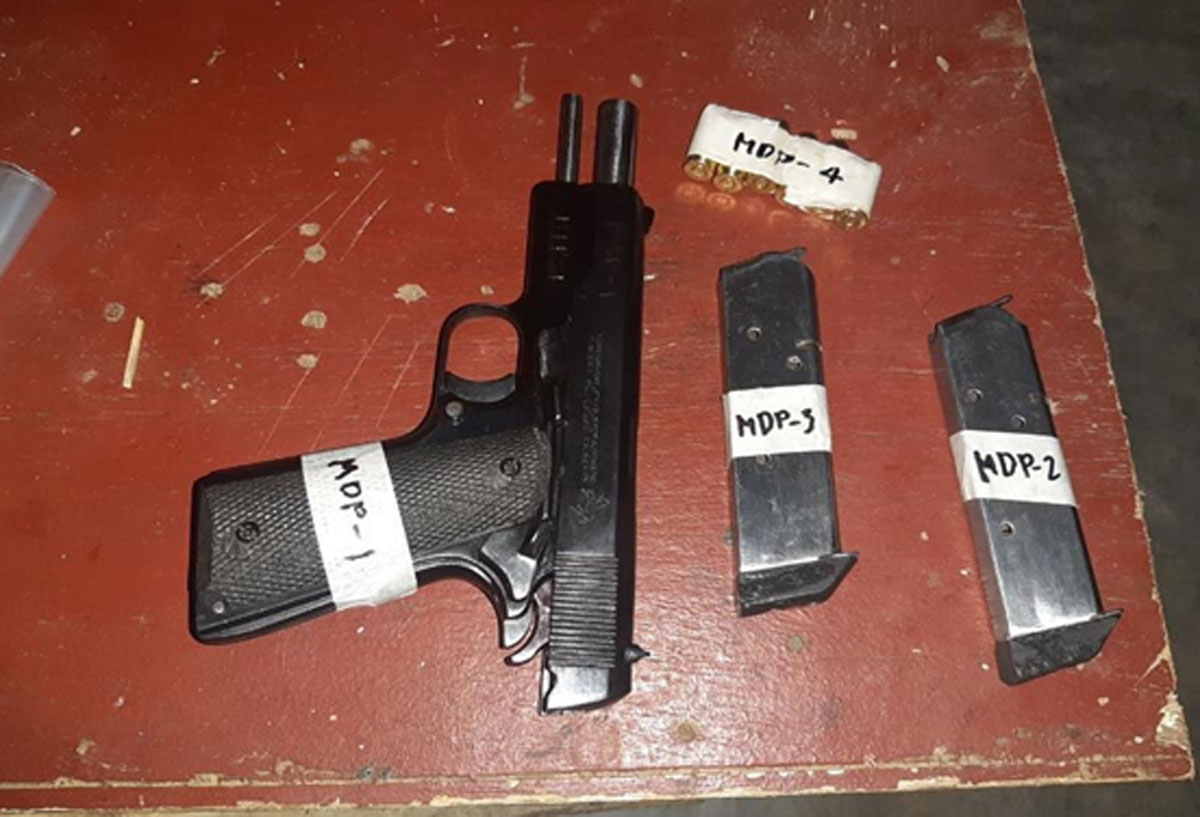
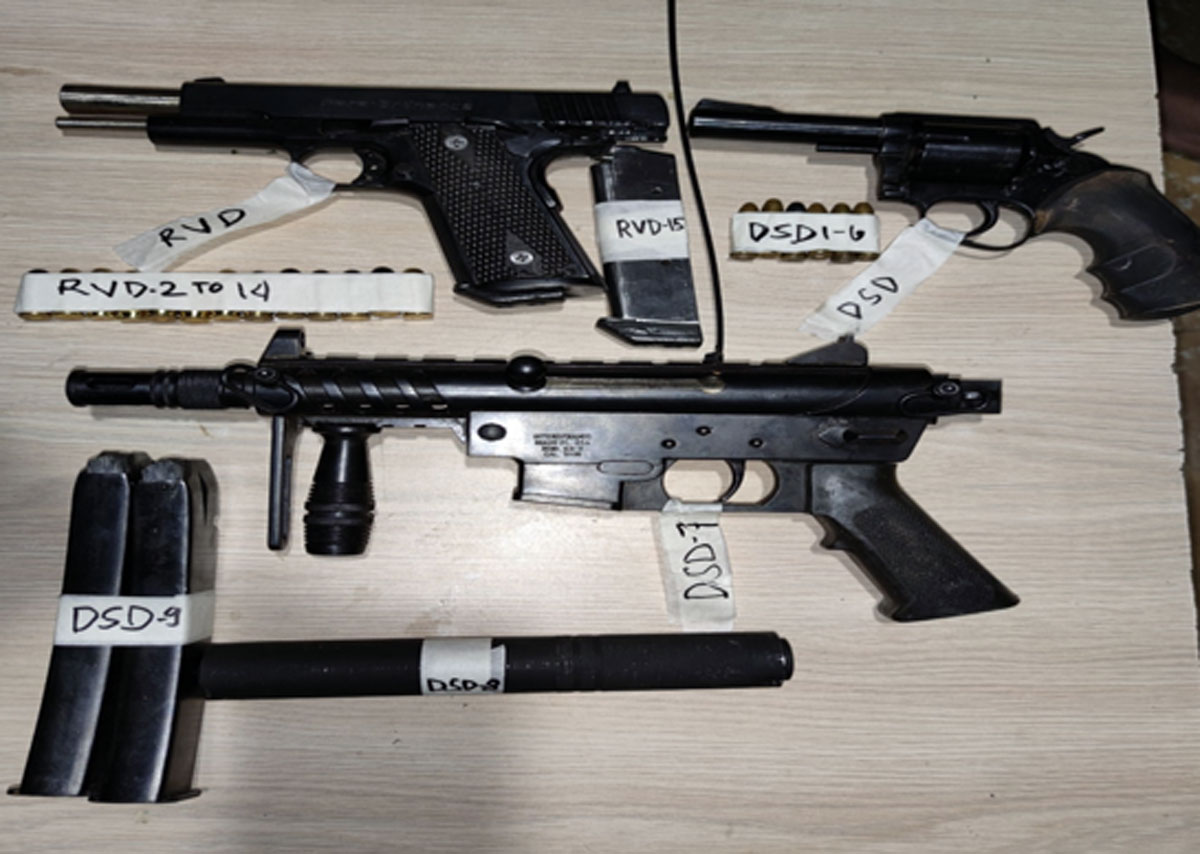
Spouses Chai Lemita-Evangelista and Ariel Evangelista, staffers of the Ugnayan ng Mamamayan Laban sa Pagwawasak ng Kalikasan at Kalupaan (UMALPAS KA), were allegedly killed as they slept in their hut near the shore in Barangay Calayo, Nasugbu, Batangas.
Karapatan said the neighbors heard gunshots and screams pleading for mercy. After the raid, the neighbors and relatives were able to find the Evangelistas’ 10-year old son hiding from the policemen under a bed.
According to regional workers’ organization Pamantik KMU, the police picked up the bodies of the spouses and Chai’s mother Inda only found them in a funeral home.
The Evangelista spouses were known in the community as leaders of fisherfolk. Their group UMALPAS KA campaigned against mining, land-grabbing and climate change.
The Amihan National Federation of Peasant Women denounced Duterte as an “orphan-maker.”
“In the latest mass killing of activists in the Southern Tagalog, fisherfolk and environment activist couple fell victims to Duterte's state terror rule, making an orphan of their 10-year old child survivor,” Amihan chair Zenaida Soriano said in a statement.
Melvin Dasigao, Marklee Bacasno, Abner and Edward Esto
Four of the slain activists were members of San Isidro Kasiglahan, Kapatiran at Damayan para sa Kabuhayan, Katarungan at Kapayapaan (SIKKAD-K3), an urban poor group active in Kasiglahan Village in Barangay San Jose, Rodriguez, Rizal.
Last May, Karapatan Timog Katagalugan reported that SIKKAD-K3 was accused by the National Task Force to End Local Communist Armed Conflict of being members or supporters of the Communist Party of the Philippines, NPA and National Democratic Front.
Karapatan-TK also alleged at the time that SIKKAD-K3 members were called to a “local peace engagement” where they were profiled and portrayed by the Armed Forces of the Philippines to be NPA “surrenderees.”
Ten months later, four SIKKAD-K3 members were killed in their homes. One of the victims was the group’s president Melvin “Greg” Dasigao, who was earlier misidentified as Michael in reports.
Karapatan claimed he was pinned to the floor while his wife and children were brought outside of his home in Rodriquez, Rizal minutes after, three gunshots were heard from the house.
According to Karapatan-TK, Dasigao usually served as a marshal security officer for relief operations conducted in the flood-prone government relocation site. Serve the People Brigade – University of the Philippines Los Baños (STPB-UPLB) recalled that just last Feb. 28, Dasigao helped the students in giving relief packs to the farmers and scavengers in the area.
“Ngunit sa kabila ng epekto ng sakuna na dinanas ng mga residente, hindi pa rin tumigil ang mga pwersa ng estado sa paniniil at pagpapalayas sa kanila mula sa kanilang tahanan (But despite the effects of the calamities that befell the residents, state forces have not stopped oppressing them and driving them away from their homes),” STPB-UPLB said in a statement.
SIKKAD-K3 member Marklee “Makmak” Bacasno, described by Karapatan as a “youth organizer,” was killed at her home in Kasiglahan Village also in Rodriguez with seven gunshots, around the same time as the raid on Dasigao’s house.
Only on Monday evening was Karapatan-TK able to identify the two other slain SIKKAD-K3 members: siblings Abner Esto and Edward Esto, who were killed in Sitio Macaingalan, Barangay Puray, in Rodriguez.
Mimi Doringo, secretary general of urban poor group Kadamay, questioned how the police could accuse poverty-stricken people who were once homeless of possessing firearms and explosives.
“Wala ngang maayos na tubig at kuryente ang lugar, tapos aakusahan ng pulis na may mga hawak na baril at bomba ang mga tao (The place does not even have water and electricity supply, yet the police can accuse the people of having guns and bombs)!” she exclaimed.
Doringo condemned the PNP for “bullying” the families and adding insult to the injury by allegedly blocking the release of the bodies from the funeral home, two days after the killings.
Puroy and Randy dela Cruz
Puroy dela Cruz, 46, and his cousin Randy dela Cruz, 40, were farmers and members of the Dumagat indigenous group. They were killed in their house in Sitio Mina, Barangay Santa Inez, Tanay, Rizal, according to Karapatan-TK.
A Pinoy Weekly report cited Puroy’s wife Minda as saying that police barged at their home around 3 a.m. to 4 a.m.
She said the police allegedly forced them to surrender and yield the firearms they were supposedly keeping.
Sandugo – Movement of Moro and Indigenous Peoples for Self-Determination said in a statement that while Minda and their children were being forced out of their home, they heard gunshots.
The statement said that Minda looked back to see her husband lying face down on their bed, with blood pooling under his body; the children aged seven and six were said to have witnessed the shooting.
Pinoy Weekly also quoted Randy’s wife as saying the police went to their home around 4 a.m. to 5 a.m. and kicked their door open. She said she and their children were ordered to stay away from their house, until they heard successive gunshots.
She said six or seven policemen then stepped out with a hammock that apparently contained a human body, but she was not allowed to take a look. The two bodies were then wrapped in black sleeping bags and loaded onto a white chopper marked “PNP.”
The report stated the police only showed the warrant to Lito Rosalia, kagawad Anselmo Zubiaga and chieftain Antonio Candelaria afterwards.
The indigenous farmers were alleged to be in possession of a pistol, an M-16 rifle, and rocket-propelled grenades.
Sandugo said the “machinations” of National Task Force to End Local Communist Armed Conflict were “clearly hard at work in spreading terror” and expressed “fear that the true death toll is yet to be bared.”
“We call for an independent and impartial investigation and more media attention on the Southern Tagalog murders and arrests, as well as financial aid for burial expenses and for the bereaved families,” the organization stressed. – With Emmanuel Tupas


 Run 3.jpg?w=320&h=200&auto=compress&fit=crop&q=50)

