



Surge Of Impostor Accounts Triggers Privacy Panic; Facebook Says No Evidence Of Irregularity So Far
The National Privacy Commission is set to meet with Facebook representatives this week to discuss what it described as “privacy panic” triggered by the surge of fake accounts on the popular online media platform.
The reported surge of fake or cloned accounts on Facebook earlier this month has triggered “privacy panic” among Filipino users, the National Privacy Commission (NPC) said even as the social media company announced it has not seen evidence of malicious activity linked to the mass creation of fake profiles in the Philippines.
NPC Commissioner Raymund Liboro disclosed they would meet with representatives of the social media giant on Tuesday, June 16, to discuss reports of dummy profiles containing names of legitimate Filipino users.
“The NPC is focused on probing the cause of the privacy panic triggered by these impostor accounts and instituting remedial measures to protect Filipino Facebook users,” Liboro said.
He added they are coordinating with other government agencies such as the Philippine National Police and the National Bureau of Investigation (NBI), which have also initiated probes on the matter.
Read More: Facebook Probes Surge Of Fake Accounts; DOJ Taps NBI, PNP
As this developed, Facebook released a statement on June 11 saying it has so far not seen evidence of a sudden surge in the creation of accounts in the country.
What Facebook monitored was a spike in reports of impersonation and fake accounts over the weekend.
“We continue to review reported accounts and verify their authenticity. At this time, we have not seen evidence of the reported accounts engaging in coordinated or malicious activity focused on creating fake accounts,” Facebook said. “We will continue to validate the authenticity of these accounts and prioritize the removal of those that violate our policies.”
According to the social media company, a majority of the accounts reported since last weekend have not been recently active, meaning that they are neither posting content, making any friend requests nor sending any messages.
Last June 6, student newspaper Tug-ani of the University of the Philippines in Cebu reported the creation of dozens of duplicate accounts bearing active usernames of students.
The UP administration issued an advisory the following day, noting reports that fake or dummy Facebook accounts have been created for students, officials and alumni.
Other universities have issued similar notices, while individuals not affiliated with academic institutions also reported discovering fake profiles bearing their names. Some of the impostor accounts even sent threatening messages against students of the Polytechnic University of the Philippines.
The Department of Justice on June 8 said it has already received over 100 reports involving dummy profiles on the social media platform.
The NBI, meanwhile, said the incident could be due to a glitch.
Threats, risks
A glitch, however, would not explain the threatening messages reportedly received by some of those who discovered having dummy profiles bearing their names.
Read More: PUP Students’ Cloned Accounts Threaten To Rape, Jail Them Over Anti-Gov’t Protests
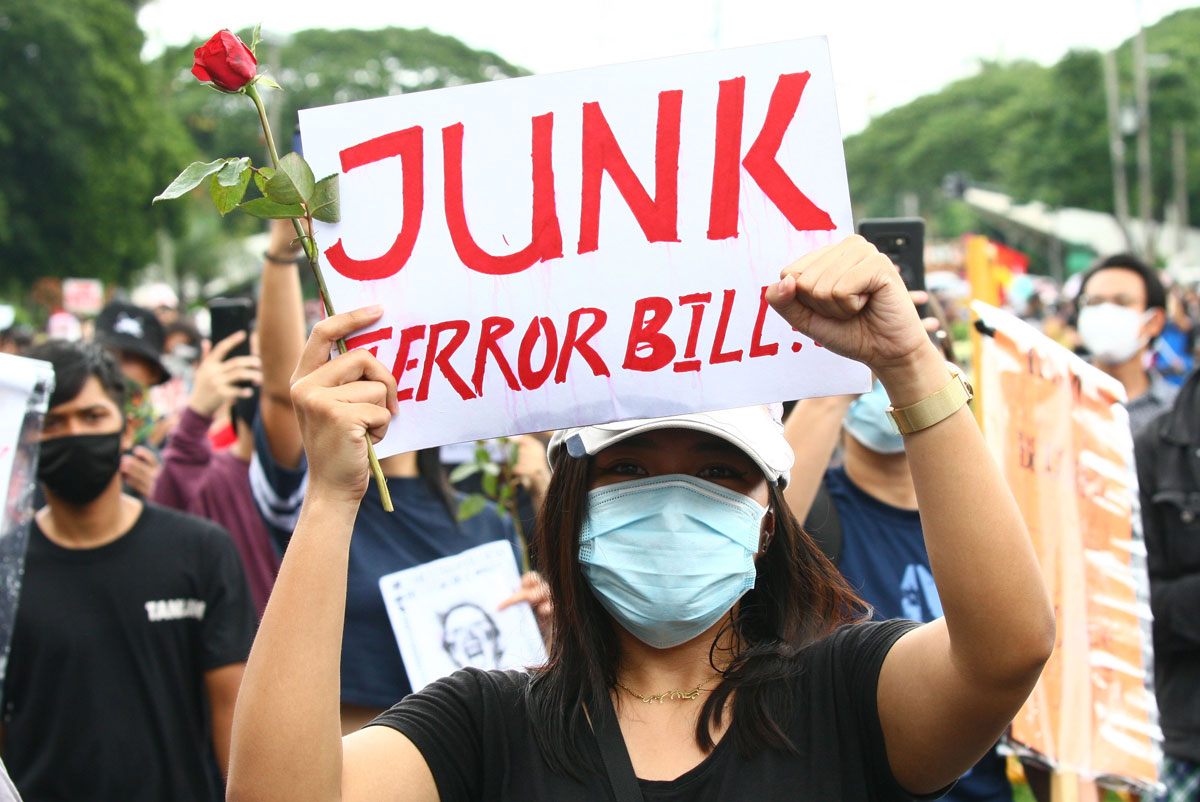
In a statement on June 13, the Commission on Human Rights (CHR) also cited death threats and intimidation received by groups and individuals – particularly those who have been expressing views critical of the government, particularly the anti-terrorism bill – from the blank profiles.
“Such practices pose a threat to the people’s freedom of speech and expression, as well as the right to express grievance and demand for redress, especially from the government, without fear of getting persecuted,” CHR spokesperson Jacqueline de Guia said.
“In the face of fears toward laws and policies that may affect our human rights, we call on the government to investigate these cases seriously and take active steps in determining the cause of the creation of dummy accounts, including allegations of threats coming from these duplicate profiles,” she stressed.
De Guia also expressed grave concern over the reported surge of dummy profiles, saying it could compromise the privacy of users.
“Under the Cybercrime Prevention Act of 2012, computer-related identity theft is a punishable act. This underscores the idea of privacy as a fundamental human right, wherein individuals can assert against unwanted interferences in their lives as a matter of protecting one’s identity and human dignity,” she said.
“The guarantee of privacy then, as equally protected by the Constitution, must both apply offline and online, as it should be with other human rights,” De Guia added.
De Guia underscored the need for an assurance from the government that it has the people’s best interest in mind, which includes protecting all aspects of human rights.
In its advisory, the UP Diliman Data Protection Office said the primary risk of a having a fake Facebook account in your name is that it may be used to post messages that claim to be from you.
“If the post is incriminating, it may cause you legal or reputational concerns. Thus far, the reported fake accounts have no contents and are blank,” it said.
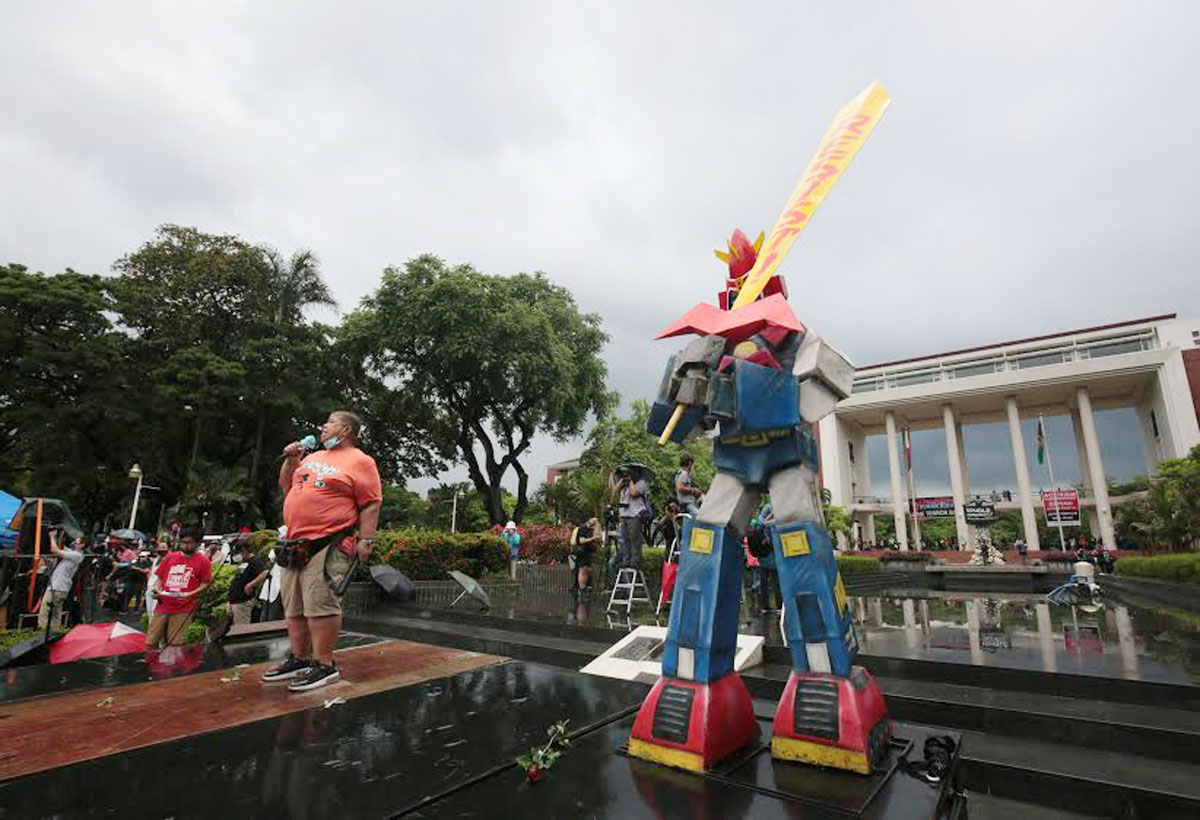
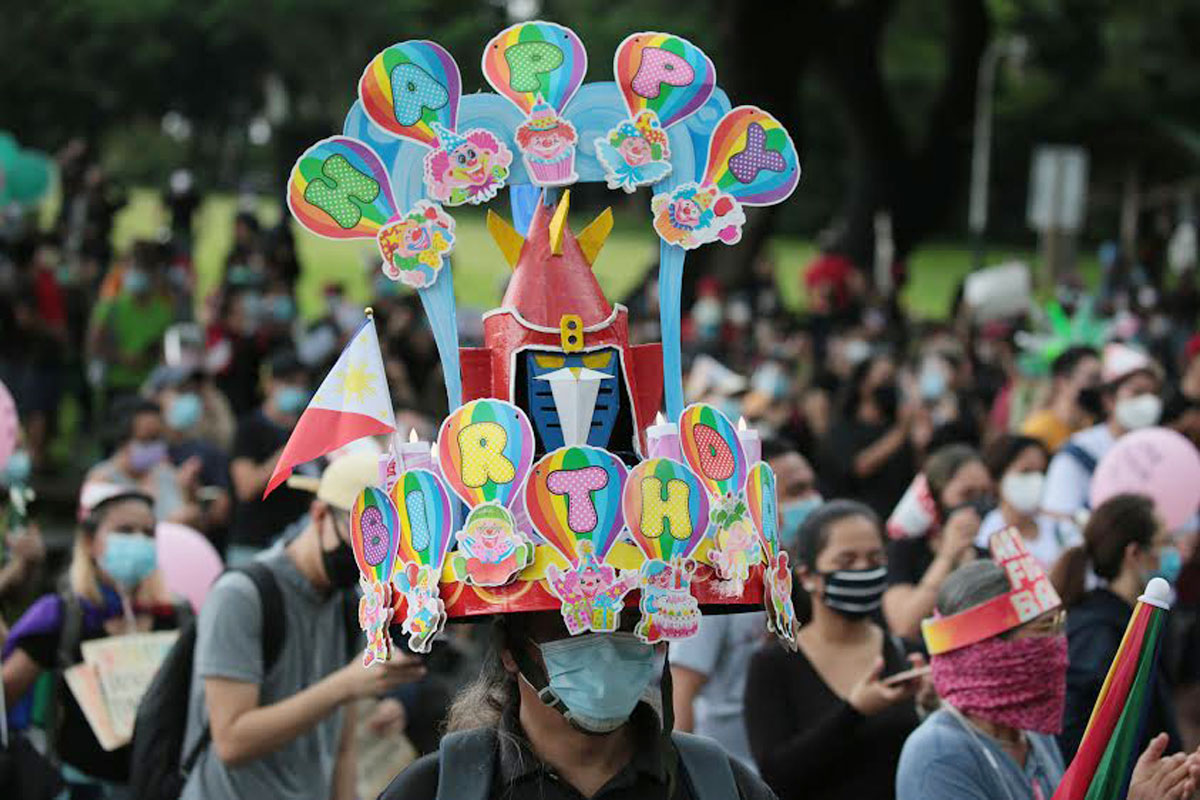
The incident happened amid protests over the proposed anti-terrorism bill, which groups said could be used against those airing criticisms against the government.
Read More: Lawyers, Other Groups Terrified By Anti-Terror Bill. Here’s Why
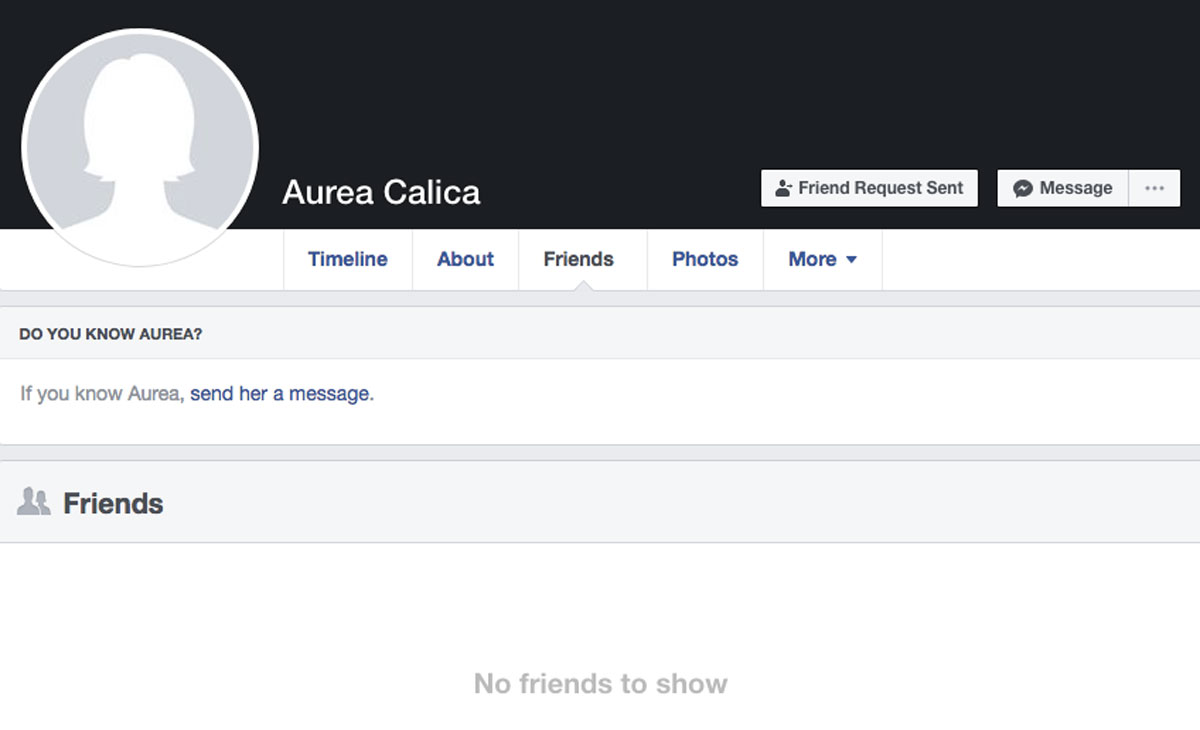
Even as it found no evidence so far of malicious activity linked to the creation of new accounts, Facebook said it would continue with its investigation on the matter.
It assured the public that it is addressing the report by prioritizing the removal of accounts that violate its policies, such as using fake accounts, misrepresentation or engaging in behaviors designed to enable other violations of community standards.
The company explained it would also validate the authenticity of dormant accounts by requiring owners to provide additional information in order for them to continue using Facebook.
Until they do, the owners will not be able to use their accounts to reach others. Failure to verify will result in the removal of the accounts.
According to Facebook, there are many reasons why an account may appear inactive, such as when it is created by someone who did not use it, or there was user error that resulted in the creation of more than one account.
An account may also look dormant if a user chooses not to add a profile photo and sets the account to private.
The company also encouraged users to report any account they believe may be inauthentic or violating policies.
The CHR reminded Facebook of its responsibility, given that the platform has an effect on the people’s enjoyment of their rights as well as on democratic exchanges and processes, such as discourse on wide-ranging social issues and during elections.
“Technology continues to shape the way we interact with each other and the world,” De Guia said. “We call for continued vigilance against any means meant to repress our rights and freedoms even in the digital sphere.”