



Phl Navy Units To Be Stationed In Subic; US, Australian Firms’ Shipyard Investment To Push Through
The plan of an American private equity firm and an Australian shipbuilder to take over the former site of bankrupt South Korean firm Hanjin in Subic is getting but will continue.
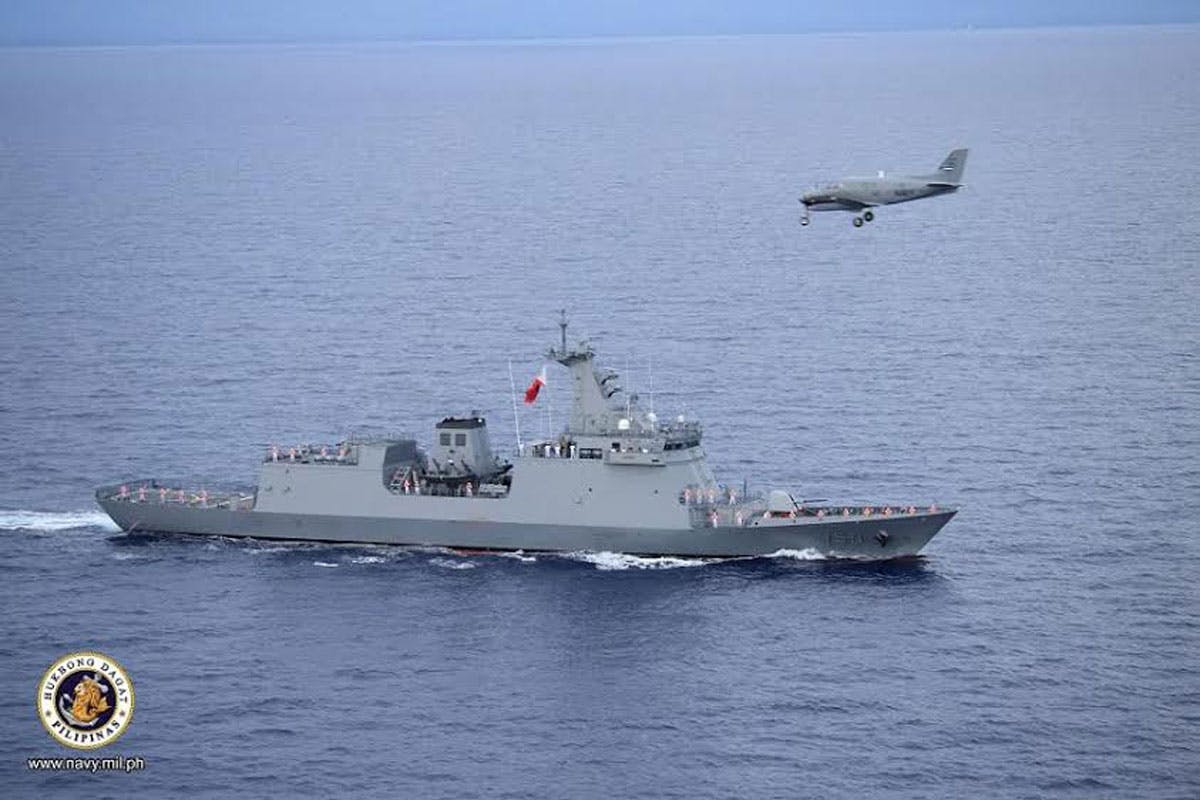
Key Philippine Navy units will be stationed in the northern part of the former site of troubled shipbuilding giant Hanjin Heavy Industries and Construction Philippines or (HHIC-Phil) in Subic, Zambales once the plan of an American-Australian consortium to invest in the strategic area is realized.
Navy chief Vice Admiral Giovanni Bacordo said units of the Philippine Fleet, Naval Sea Systems Command, Naval Installations Command and Amphibious Assault Battalion may occupy about 100 hectares of the area, which served as a US naval base for decades.
“The deep and protected harbor is ideal for the larger Fleet vessels,” Bacordo told The Philippine STAR.
The area, Bacordo said, is also near the Naval Education Training and Doctrines Command, the future base of the Philippine Marines in Bataan, and other training facilities like those of the Philippine Merchant Marine Academy and the Maritime Academy of Asia and the Pacific.
American private equity firm Cerberus Capital Management and Australian shipbuilder Austal Ltd. are interested to invest about $2 billion in the shipyard, considered a vital asset due to its access to the West Philippine Sea.
OneNews.PH reported last May that Cerberus and Austal have reached the final stage of negotiations with the Philippine government and several banks on the takeover of the facility.
During his penultimate State of the Nation Address, President Duterte said he would not allow foreigners to construct bases in Subic, saying this could lead to a war and "ensure the extinction of the Filipino race."
Duterte also claimed that Americans were planning to go back to Subic but did not elaborate.
However, the commercial agreement does not intend to build military installations. Cerberus is reportedly planning to use the shipyard for ship repair. Austal, meanwhile, will supply six offshore patrol vessels for the Philippine Navy, a project that costs about P30 billion. The consortium may absorb the 30,000 workers who lost their jobs after HHIC-Phil went bankrupt in 2019.
Bacordo admitted that the coronavirus disease 2019 (COVID-19) pandemic has delayed the realization of the commercial deal, which will contribute to job creation while the country is grappling with the pandemic.
“Tuloy ang plano. Delayed lang per timeline because of this COVID-19 crisis (The plan will push through. The timeline has been delayed because of this COVID-19 crisis),” Bacordo said. “(There is) no timeline yet because of this COVID-19 crisis.”
Earlier this year, concerns were raised after it was reported that two Chinese companies are interested to invest in the former Hanjin shipyard. Among those who were alarmed by the development was retired admiral and former Navy chief Alexander Pama.
In a social media post last January, Pama, the Navy chief during the 2012 Scarborough (Panatag) Shoal standoff, said the ownership of the former Hanjin shipyard is a “national security issue,” as the owners of the Subic facility would have unlimited access to one of the Philippines’ most strategic geographic naval and maritime asset.
“Although it is a commercial shipyard, nothing can prevent the owners from making it into a de-facto naval base and a maritime facility for other security purposes! Let us all be aware and wary of the serious security and other strategic implications of this issue!,” Pama declared.
“I urge our patriotic business community and the government not to allow Hanjin (shipyard) to fall into the wrong hands!” he said.
Then presidential spokesman Salvador Panelo described worries about a Chinese takeover of the Hanjin facility as “speculation.”
While the Duterte administration set aside the West Philippine Sea row to improve ties with China, officials reportedly opposed a plan by Chinese firms to turn two Subic islands into tourist spots, because of possible national security problems.