



P-Noy Could Have Fired Me After My Twitter Fiasco
The late former president Benigno Aquino III was thinking about firing me after my tweets while we were in Vietnam stirred controversy. He eventually decided to forgive me, but I kept my distance to save him from any trouble.
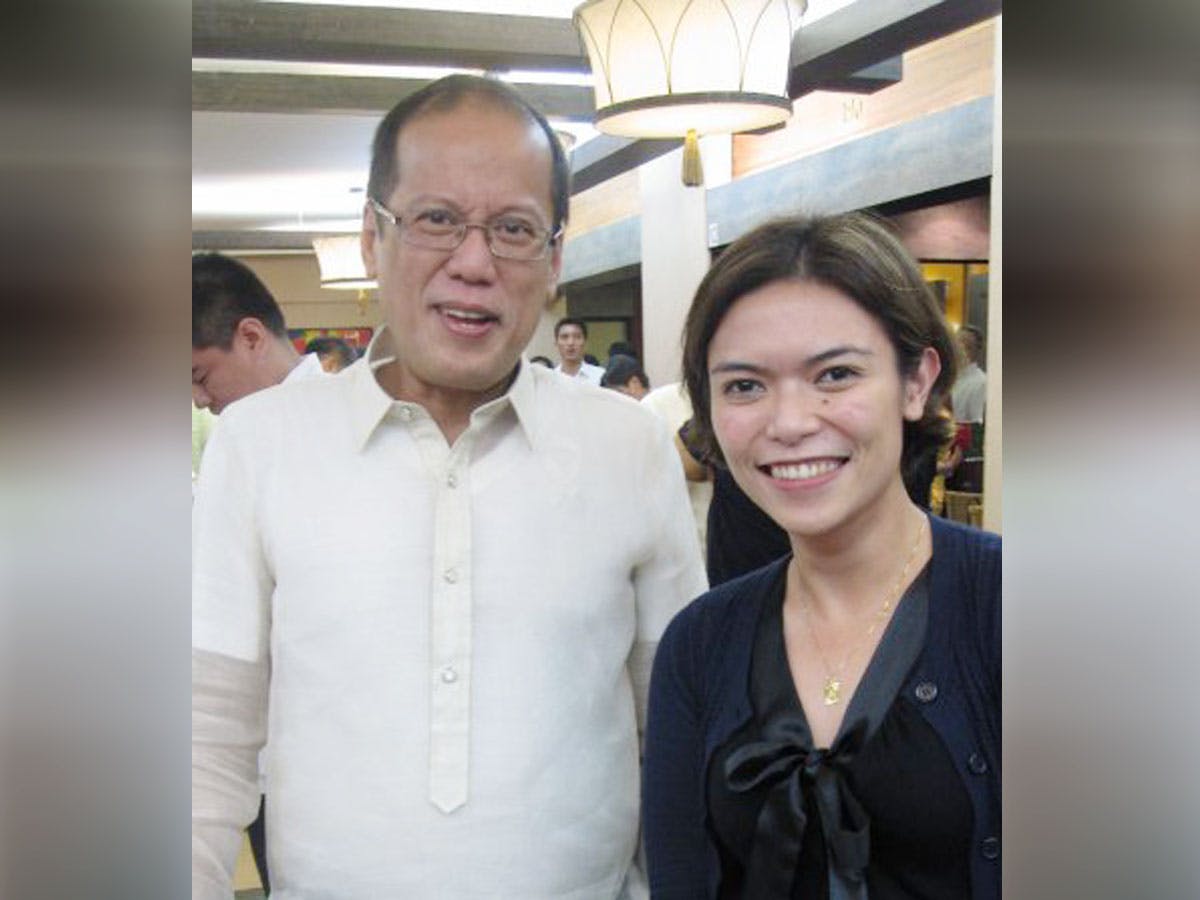
In October 2010, former president Benigno Aquino III undertook a state visit to Vietnam upon the invitation of then Vietnamese president Nguyen Minh Triet. This meant that the Philippine president and his delegation would be accorded the “highest expression of friendly bilateral relations” by the host country. I’m talking red carpet treatment, official public ceremonies, exclusive access to the President Ho Chi Minh Mausoleum, the whole nine yards.
It sounded exciting, and I was delighted to be invited to join the delegation as communications assistant secretary. In the succeeding years, the more junior speechwriters, who frankly were much better writers, would take my place.
My experience on this trip changed my life.
It started when a seemingly precocious follower of current events, generally supportive of my boss, had asked for an account of my travails as a traveling presidential speechwriter via Twitter. I gladly obliged, thinking that the request was rather modest and did not have to interfere with what I came out there to do. A tweet could be posted en route from one engagement to another.
I got into it. First, I critiqued the wine that was served at the state banquet and captured the world’s attention with three words: The wine sucks.
Second, I denigrated the male population of the host country by saying, “Sorry pero walang pogi dito (there are no good-looking men here).
Third, I expressed concern over people’s safety by saying, “Crossing the speedy motorcycle laden streets of Hanoi is one of the easiest ways to die.”
I was soon alerted to a brewing maelstrom from the media back home, which was triggered by these gratuitous statements. All of us have “oh sh*t” moments, but this was a real “oh sh*t” moment. Nuclear. And it was mine. My heart was a thudding drum.
I posted my apology on Facebook right away (I had already prematurely deactivated Twitter), in the hopes that the issue would also go away. But the damage was done.
Allow me to explain my rationale then behind those tweets:
“The wine sucks.” This was my lame attempt at humor in a situation that called for my best behavior. The least I could have done as a guest in somebody else’s home was to keep my mouth shut. I was called so many things because of this tweet alone – rude, arrogant, ungrateful, you name it – and I deserved all of that because I was.
“Sorry but there are no good-looking men here.” This was me trying to make fun of the realities of singlehood and was meant for a very particular audience – my close friends. They knew it was a joke but it obviously did not land well with others.
“Crossing the speedy motorcycle-laden streets of Hanoi is one of the easiest ways to die.” I was stating a fact here, facetiously, and it was coming from a place of genuine concern. Those who have been to the city would agree. But because it was preceded by my insensitivity, it naturally fell short of its original intent.
You must think I am an imbecile for putting all of that nonsense out there during a plenipotentiary milestone. You are right. What an idiot. What the hell was I thinking? I was not thinking. I wasn’t thinking about what other people might say because I didn’t think they would pay that much attention to whatever I said. A presidential staffer is still a staffer. A government slave. I thought I was still anonymous.
So from an invincible writer waiting in the wings and applauding my boss, I was now right smack in the middle of political chaos.
The fallout
When all hell broke loose, I was still in Hanoi.
I remember being seated at the back of a conference hall during a media event when a cameraman rose from his seat and flashed his lights at me. I was the news now. I fled the scene instantly.
I looked for cover and found solace at the business center where the protocol advisers were working. I could not look any of them in the eye. I was so ashamed. Until that point, I had never felt so stupid and futile. I only had one job – to look after the boss and his writing requirements – and could no longer pull that off. The worst part was, the media was asking the president questions about me, deviating from the main purpose of the trip. He defended me, and while I appreciated that, the inconvenience was not lost on me. I had caused a tremendous distraction.
(Editor’s note: This was how the late former president answered when asked if he would fire Mislang because of her indiscretion. "Ipinaliwanag niya sa isang sulat at pinaalala ko lang sa kanya, well, bata si Mai baka ‘yung akala niyang gawain na simple ay hindi niya na-realize ang implications. I'm more or less convinced that she realizes what was done (She explained to me in a letter and I reminder her, well, Mai is young and perhaps she didn't realize that her simple acts had implications).”
He made the statements during an ambush interview upon his return to Manila on Oct. 31, 2010. Aquino’s state visit was held on Oct. 26 to 27, 2010 and then he attended the Association of Southeast Asian Nations summit in Vietnam on Oct. 28 to 30, 2010.
The president noted that Mislang had already taken down her Twitter account. "Upon realization, she had tried to correct what she did wrong," he said. Aquino added the incident was "blown out of proportion," pointing out that the Vietnamese government did not say anything about Mislang's tweets. Aquino was heavily criticized for defending Mislang, even for saying she was “young.”)
The massacre was just beginning. When journalists back home talked about me with no let-up, it gained enough traction that the exchanges were translated into Vietnamese. I was still on their home turf. So my shame instantly transformed into a fear of retaliation, of someone walking up to me and in anger, throw acid on my face. Those fears were for naught, thankfully, because the Vietnamese were the gracious ones, not I. They took this diplomatic faux pas in stride, but that did not put the brakes on the vitriol from my own people.
Oh, the irony.
The full force of acrimony was waiting for my arrival. Once the plane landed on Philippine soil, I had to be whisked away and taken home immediately. I broke down in the car and was inconsolable. I remember confiding in a more senior colleague who was in the car with me. I said, “I am only 29” and felt that my life was over. He didn’t say much, and I was soothed by the sympathy his mere presence implied. That short ride home was the last bit of calm before the storm.
I cried for the last time that night, promising myself that I would get back on my feet. I would deal with the fallout, take the bull by the horns. I would face this with all the humility and strength I could muster.
Because let’s face facts too. I had already apologized for what I had done. I wish I could take back what I had said but I couldn’t. I did not lie, cheat or steal from the government. Where are those liars, cheaters, and thieves in the crosshairs of the Fourth Estate? I am a law-abiding citizen. My rap sheet is clean.
I did not deliberately inflict harm on anybody. I don’t even own a gun. My only crime was stupidity, but many people are guilty of that. Did my “crime” deserve all the attention that it was suddenly getting?
For some people, it did.
I woke up the next day with more than 70 missed calls and even more text messages, mostly from the media asking for my side of the story. To what end?
A month in, I was fully demoralized. In my defense, my family and friends were ranting about how seriously overblown the issue was becoming. Some of them later told me how I had been the subject of water cooler conversations at work and that they had been forced to tell their colleagues off. Others reached out through touching messages of support. They were all invaluable sources of strength. I had only wished it was for something more socially significant, a controversial issue perhaps that I was fighting for and had earned the ire of critics. Instead, infamy was my middle name because of my dumb tweets.
Dismissal
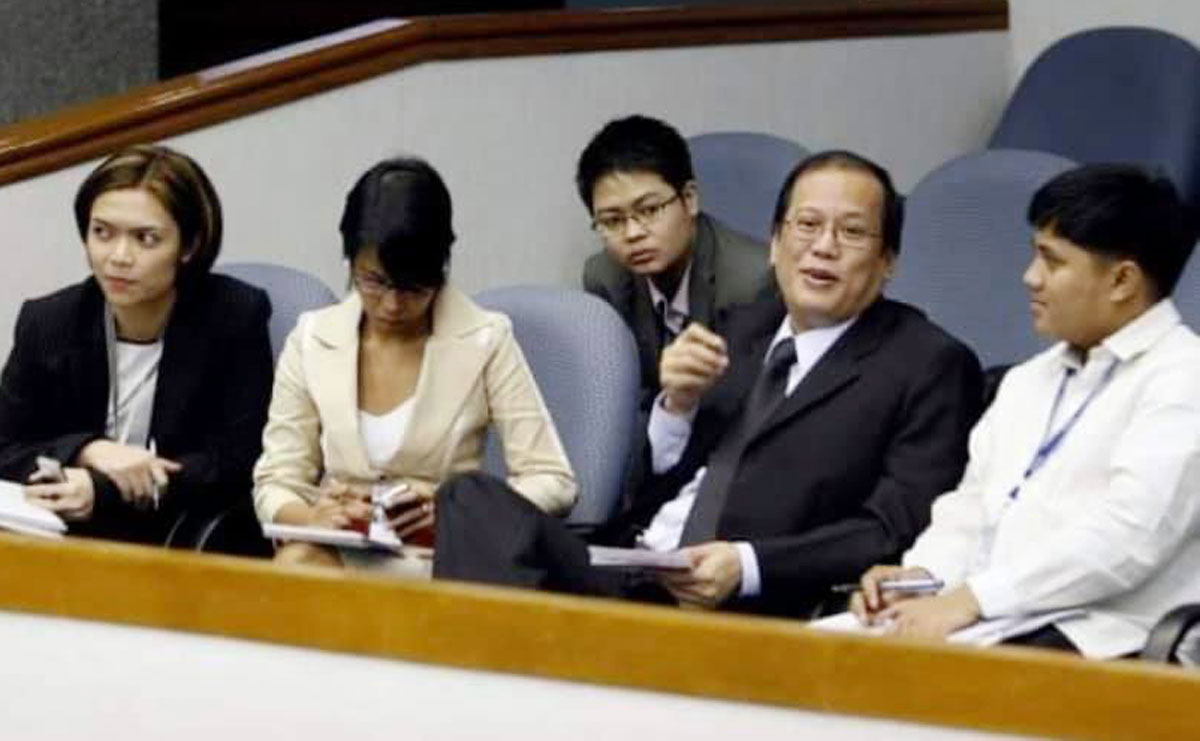
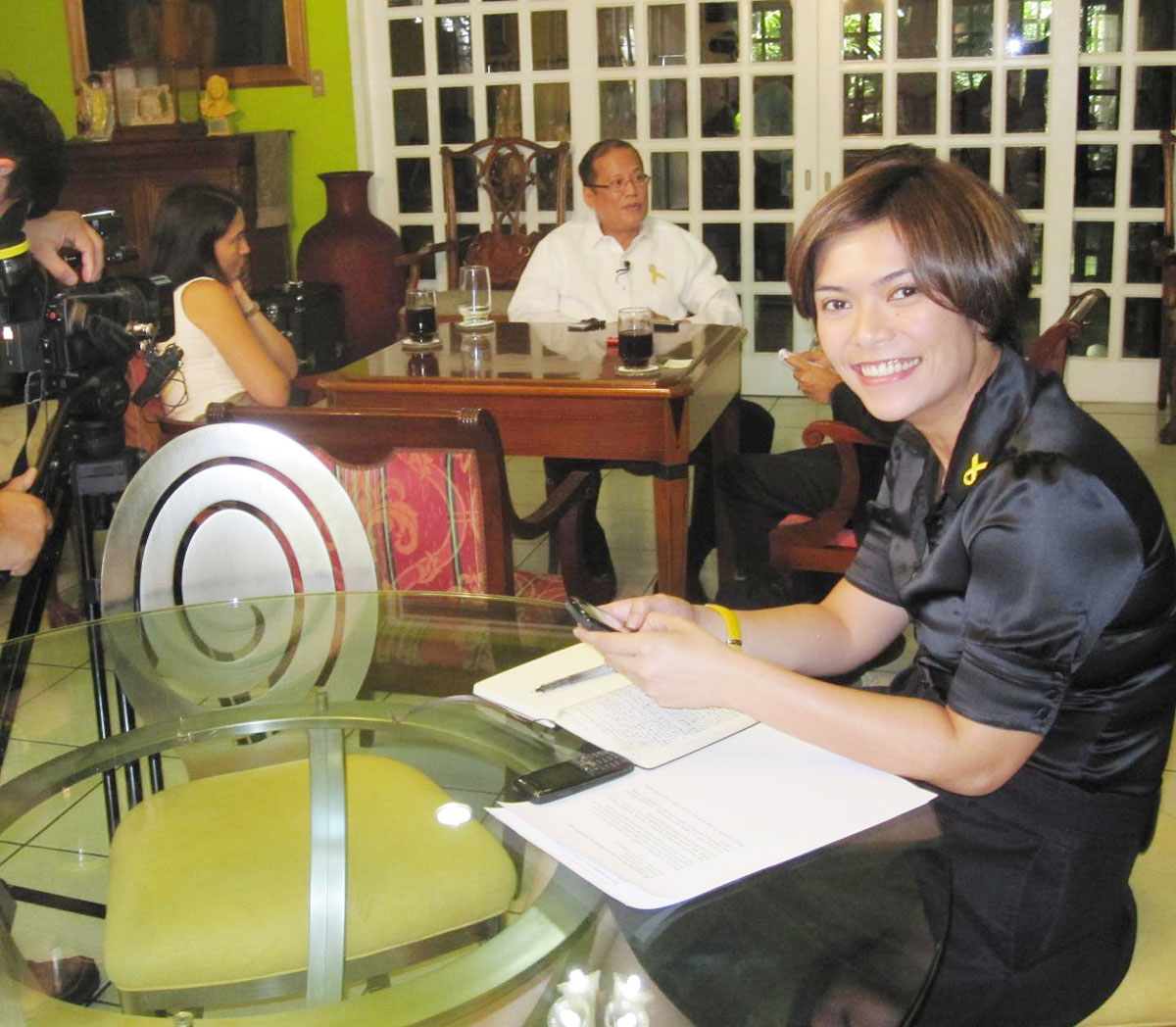
Meanwhile, there were overtures in and out of Malacañang suggesting my immediate dismissal. A couple of senators demanded my resignation. Two other senators said I should not be dismissed. Who knew my case merited a legislative opinion? But I was not oblivious to it, and neither was the president. He was thinking about firing me, until one of my teammates reminded him of our history, the trust already built and earned, that until the incident I had not been a burden to him, and that I was adding value to the communications team. That gesture so moved me that when the president summoned me and the rest of our original Senate team for a much-deserved private reprimand at the Presidential Guesthouse in November 2010, I accepted the wisdom of his lecture and his forgiveness wholeheartedly.
There was no one-on-one meeting with the president. It was then Presidential Communications Development and Strategic Planning Office secretary Ricky Carandang who spoke with me about the matter before the summon from the boss came
Raf Ignacio, one of the close-in aides of the president, wrote on Facebook last June 28, four days after our boss passed away due to renal disease secondary to diabetes, that for him, what happened was a lecture on what it meant to work in the Office of the President.
“He laid the groundwork of his lecture by first explaining what we were fighting for: good governance is good economics. Curbing corruption leads to more investments and funds to uplift the lives of the poor. ‘Your job is to make sure that my work becomes less and less.’ His logic was that the president should be able to use his time to decide on important matters, not on correcting his staff's work. If he corrects your work, then that means less time for him to do his,” Ignacio wrote.
“He reminded us that he never forced us to be part of his office. If we cannot handle the work, we were free to go. Working in the Office of the President is a once-in-a-lifetime opportunity, but this great position comes with great responsibilities. ‘You are my alter egos, and therefore you should act in accordance to what my office represents,’” Ignacio added. “That meant being honest, humble, and putting the interests of the Filipino people, especially the poor, first.”
But alas, a year later, some journalists had not moved on from the episode when they saw me working with the president at a state visit in China. The trip had coincided with a press workshop in Beijing and to save on taxpayer’s money, I had offered to staff for the boss and was permitted to do so. They wanted to relive my nightmare because, in their view, I should not be on that trip or any foreign trip with the President for that matter.
That was my final work excursion.
In June 2013, I decided to cut my tour of duty short and pursue my master’s degree at Harvard University in the United States. It was a chance for me to begin my slow journey towards redemption.
About the author
Mai Mislang is a non-profit consultant, entrepreneur, writer and musician. Mislang worked as one of the late former president Benigno Aquino III’s speechwriters when he was senator from 2007 to 2010. She was one of those invited to join him on his new adventure in Malacañang when he became president in 2010. A longer version of this piece came out on Medium on March 3, 2021 to tackle online shaming and cancel culture on social media.


