Now Voluntary For OFWs, PhilHealth Still Set To Collect Higher Premiums From All Members
The Philippine Health Insurance Corp. maintains it is merely implementing the law signed by President Duterte mandating an increase in the contributions of its members.
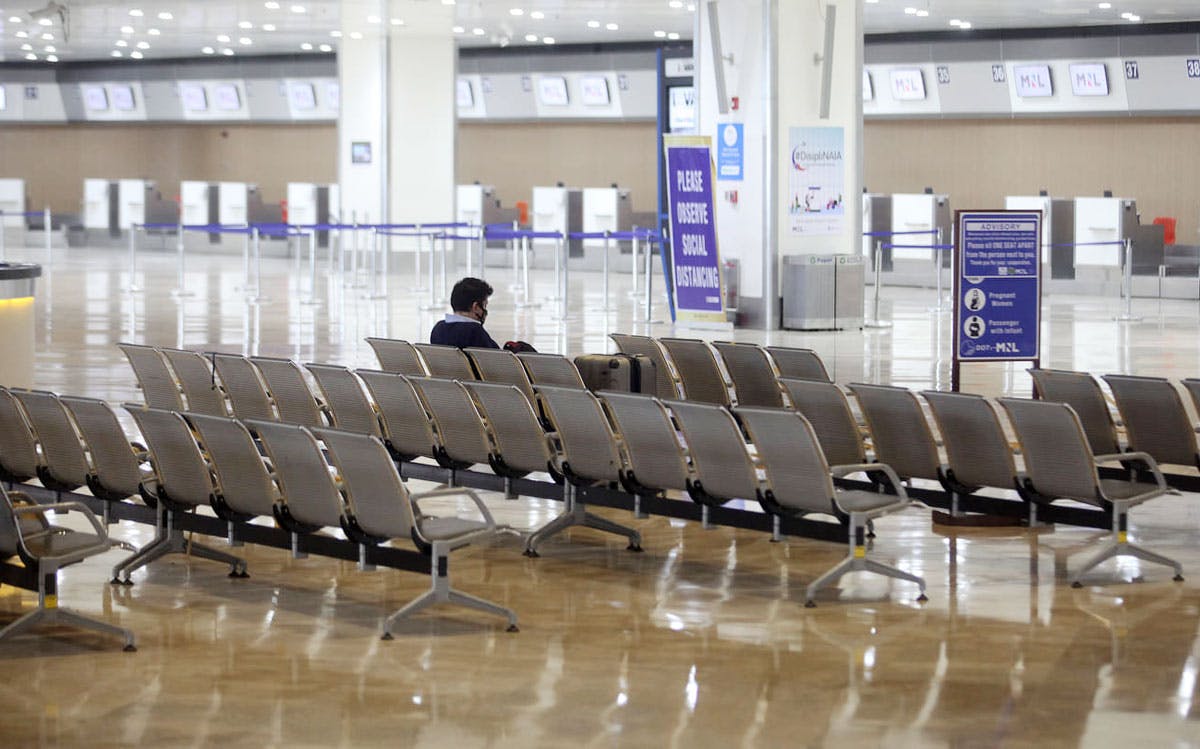
President Duterte has ordered agencies to make the payment of Philippine Health Insurance Corp. (PhilHealth) premiums voluntary for overseas Filipino workers (OFWs) to provide them relief while the country is grappling with the coronavirus disease 2019 or COVID-19 pandemic.
But this does not mean that PhilHealth will stop collecting higher premiums from its direct contributors. It only has a moratorium on current payments until May 30 due to the COVID-19 crisis.
In a statement on Dec. 2, 2019, PhilHealth said direct contributors refer to those who are gainfully employed and bound by an employer-employee relationship. Household staff members or kasambahay, self-earning individuals, practicing professionals and OFWs also belong to this membership category.
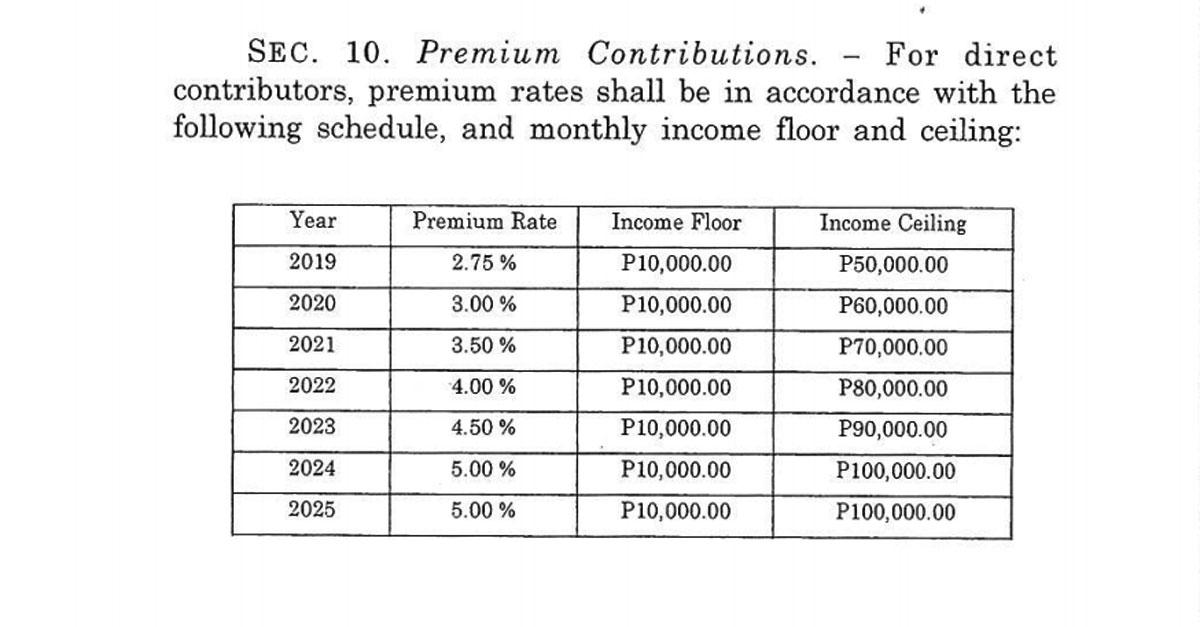
In its Circular No. 2019-0009 published on Nov. 23, 2019, governing premium rates for direct contributors, the agency said PhilHealth would increase the 2.75 percent of monthly salary to three percent by 2020, and this would be adjusted to increments of 0.5 percent every year until it reaches the five percent limit in 2025.
According to PhilHealth, this is provided for by Republic Act No. 11223 or the Universal Health Care (UHC) Act signed by Duterte on Feb. 20, 2019.
On April 2, PhilHealth issued Circular No. 2020-0014, setting clear guidelines on the new set of premium contributions and collection of payments from OFWs, who include land-based workers, seafarers and other sea-based workers, Filipinos with dual citizenship, Filipinos living abroad, overseas Filipinos in distress, and other overseas Filipinos not previously classified elsewhere.
Contrary to the pronouncement of presidential spokesman Harry Roque that the higher premiums were not in the law but in the implementing rules and regulations, Chapter 3, Section 10 of the UHC Act shows the schedule of increases until 2025.
But Roque said OFWs would no longer be required to pay PhilHealth premiums in order for them to secure documents needed to leave the country.
“Now that we have a crisis, the decision of the President is we should not impose additional burden to our OFWs, especially at a time when many of them have been repatriated and have lost their jobs,” Roque said in a press briefing on Monday, May 4.
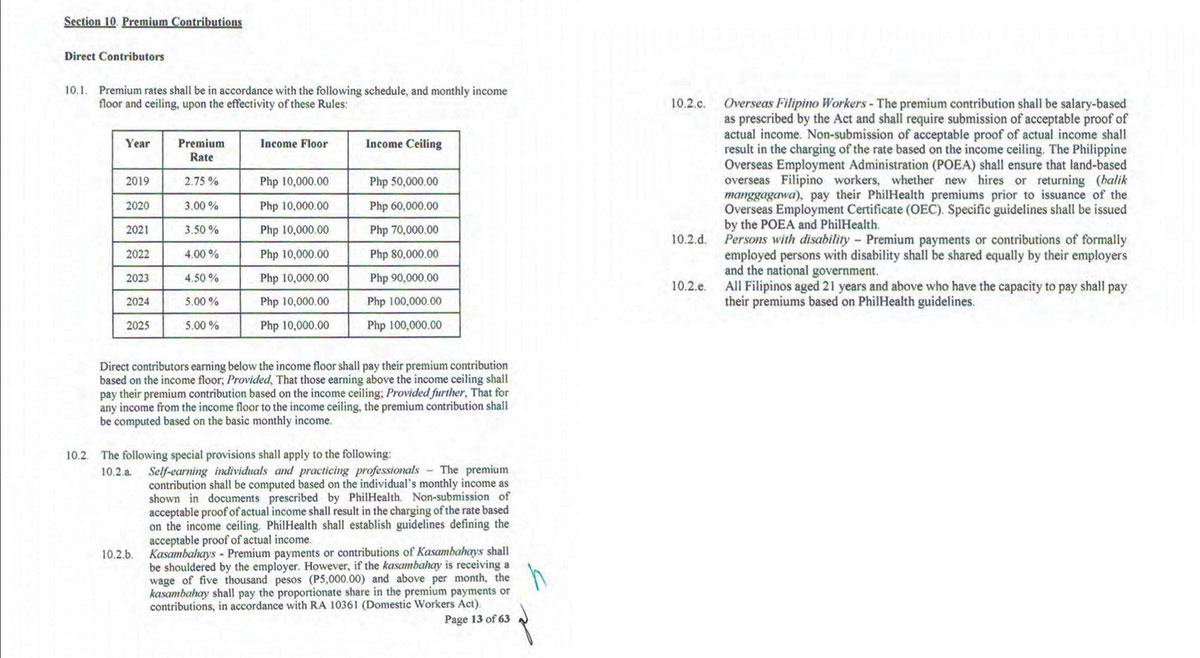
Roque said the health department has also suspended the imposition of higher PhilHealth premium contributions based on Section 10.2(c) of the IRR of RA 11223, covering the OFWs.
Health Secretary Francisco Duque III did not include in his recommendation the self-earning individuals and practicing professionals, kasambahay, persons with disabilities, and all Filipinos above 21 years old who have the capacity to pay.
Asked whether there is a possibility that the PhilHealth premium increase would no longer push through, Roque replied: “The reality is, an insurance system should be based on actuarial science.”
OFWs protest
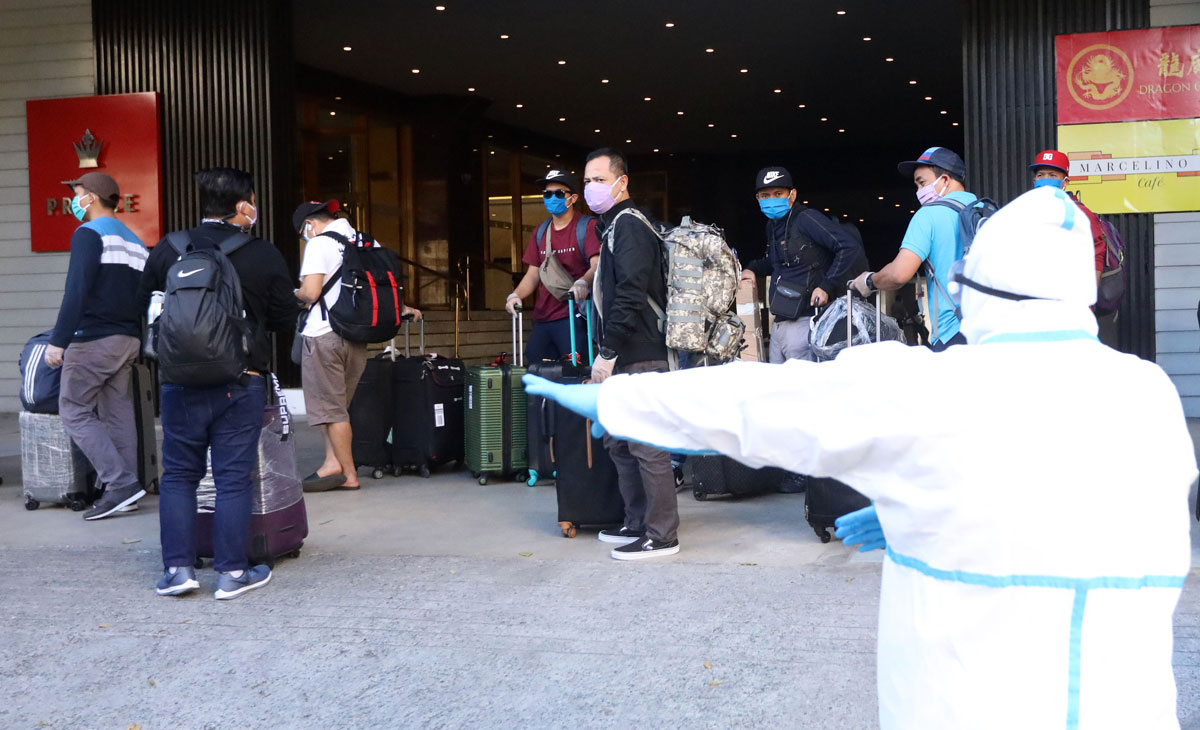
The Palace had to address the issue on higher PhilHealth premiums following protests from OFWs, thousands of whom were displaced due to COVID-19.
Tess Espiritu, who started working as a nanny in Hong Kong almost 12 years ago, said she was unable to avail herself of health or any other benefits provided by the government to OFWs.
“None. I have not received any benefits from the Philippine government, not even from the Overseas Workers Welfare Administration (OWWA), though I have been a paying member for a long time,” Espiritu said in an interview.
Espiritu explained that this is mainly the reason why she is strongly against the law mandating all Filipino workers abroad to be PhilHealth members, which also requires them to pay a premium equivalent to three percent of their monthly salary.
The 52-year-old mother of three said three percent of her monthly salary is enough to pay for the monthly amortizations on a house she bought for her family in Cavite.
“Compulsory PhilHealth membership is just an additional burden for us OFWs,” Espiritu insisted.
During the “Laging Handa” public briefing on Monday, PhilHealth president Ricardo Morales pointed out that compulsory PhilHealth membership among OFWs is mandated under the UHC law.
Morales noted that under the law, premium rates of direct contributors would gradually increase in increments from the current 2.75 percent to five percent toward the end of 2024.
“We are just implementing the law,” Morales said in response to the outcry over the issuance of the April 2 PhilHealth circular requiring OFWs to register for the National Health Insurance Program.
Under the same circular, a member who fails to pay premium after the due date shall be required to pay all missed contributions, with monthly compounded interest.
With the increase in premium, Morales said OFWs and other PhilHealth members could expect better services.
He emphasized that the increase in premium covers all PhilHealth members and not just OFWs.
Amid the strong resistance from OFWs, Morales said PhilHealth would push through with the .25-percent increase in the annual premium payment being paid by direct contributors this year.
In a statement, Morales assured the OFWs that PhilHealth “fully understands” their sentiments and the agency is exploring several possibilities to cushion the impact of the increase, such as through flexible payment terms.
Last year, Morales said, PhilHealth collected over P1 billion in premiums from OFWs. In the same year, migrants and their dependents availed themselves of healthcare benefits amounting to P1.7 billion.
A high 70 percent of the payment benefits, Morales pointed out, went to OFWs who had returned to the country and their dependents.
“The OFWs received more benefits than they paid for,” Morales said as he encouraged more Filipinos abroad to register with PhilHealth so they could avail themselves of the different packages of benefits being offered.
According to Morales, only 3.6 million of the estimated 10 million OFWs are members of PhilHealth.
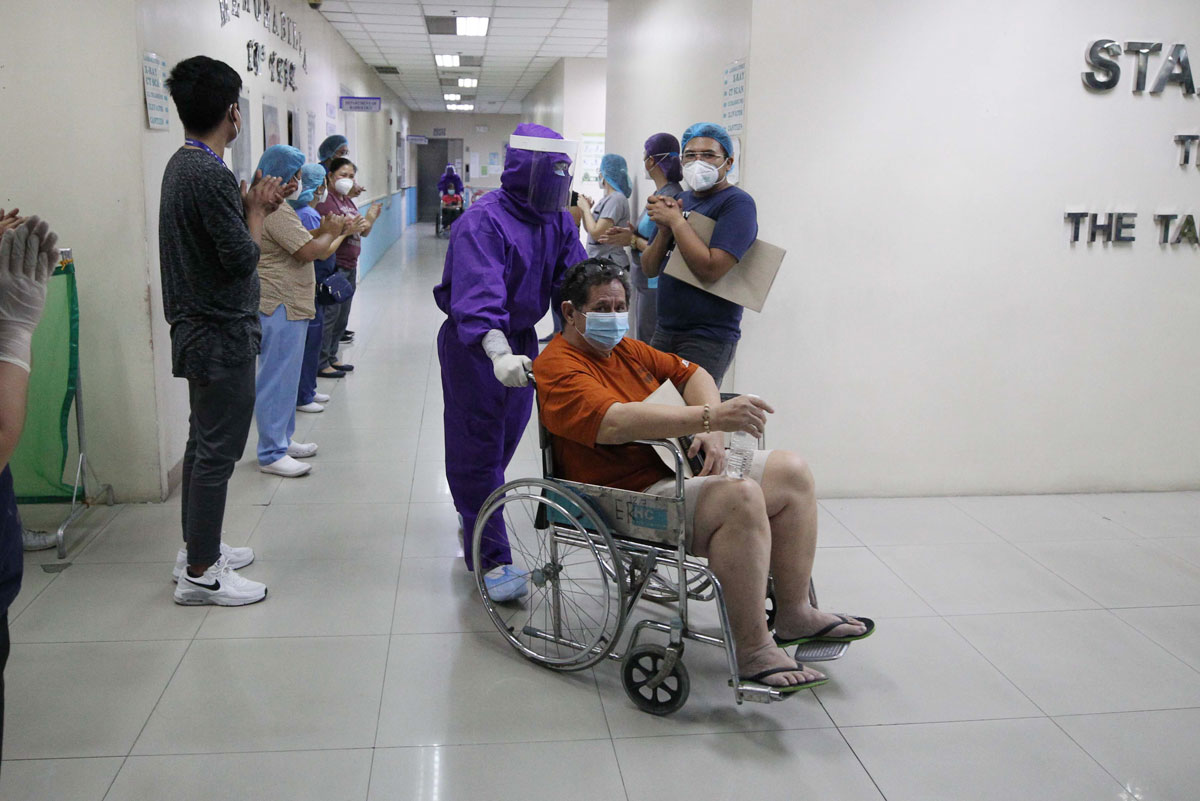
Read more: PhilHealth limits COVID-19 assistance; insurance as safety net during crisis highlighted
Moratorium on payments
He said the new premium rates were announced in the two circulars issued by the agency in November 2019 and in April this year.
Morales said they are implementing the adjustments so that PhilHealth could have more benefit packages not only for OFWs but also for their dependents in the Philippines.
“Under the UHC Act, benefit coverage is planned to be increased and expanded so that more Filipinos can be served better. This is the fundamental basis for the premium increase,” he pointed out. “These ambitious health goals must be supported by adequate funding collected through increased premium rates.”
Morales said the collection of premium has been suspended up to May 30 under RA 11469 or the Bayanihan to Heal as One Act because of the COVID-19 crisis.
Due to the pandemic, PhilHealth is also considering making payment optional temporarily.
“We are looking at a longer period of moratorium. So in effect, there will be a flexible payment period,” he said.
Morales explained that PhilHealth did not previously push for the moratorium because there are OFWs who are still willing to pay despite the pandemic.
“There are OFWs who want to pay and we won’t refuse that because we need to sustain the fund. We have paid a lot of claims due to COVID-19,” he said.
According to Morales, they have coordinated with OWWA and the Philippine Overseas Employment Administration (POEA) to allow departing OFWs and their dependents to enroll with PhilHealth.
Status quo
Labor Secretary Silvestre Bello III said the POEA has recommended a status quo and is ready to extend assistance to PhilHealth in the collection of premiums through the POEA’s one-stop service centers.
But Bello said PhilHealth must improve its information drive to make OFWs aware of the benefits and privileges of members.
“Being a social protection mechanism, PhilHealth must emphasize the importance of health insurance in a time of pandemic like COVID-19,” Bello added.
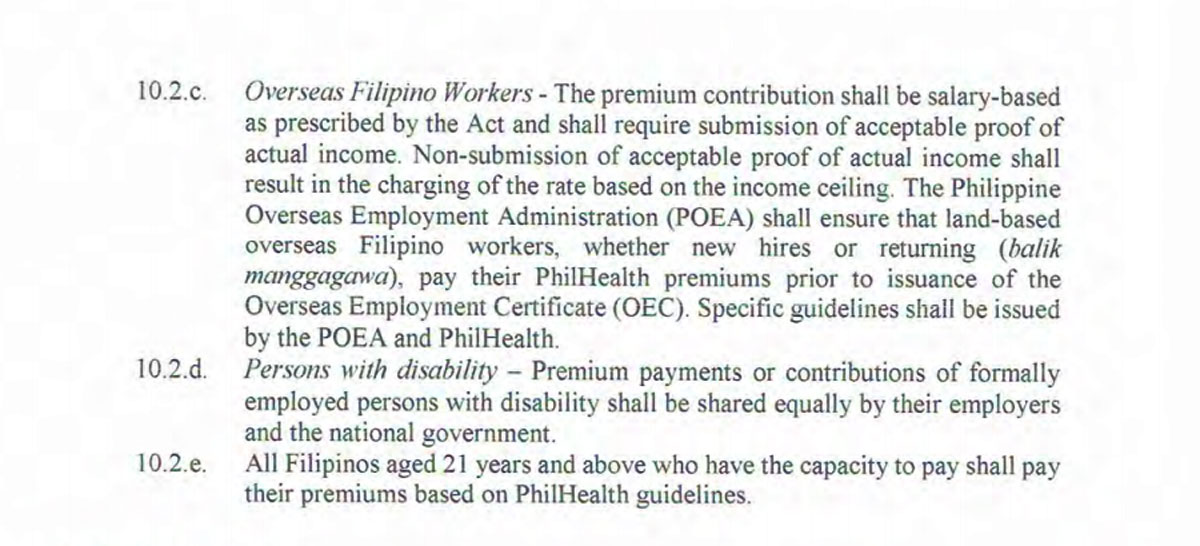
POEA Administrator Bernard Olalia disclosed the agency also recommended that the status quo be maintained – meaning payment of PhilHealth contributions should not be tied up with the issuance of overseas employment certificate (OEC) for departing OFWs, which was stated in the IRR of the UHC Law, as shown below.
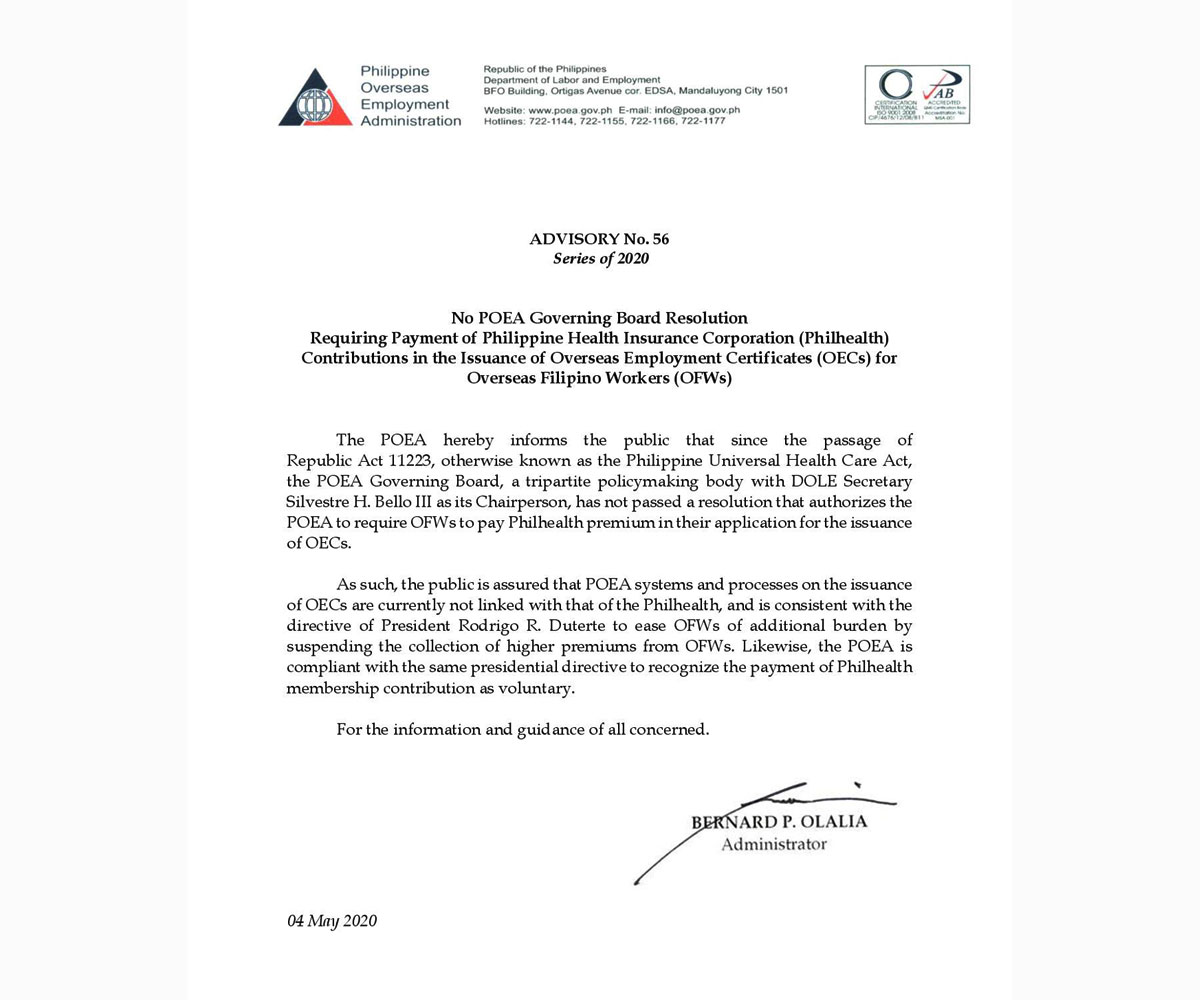
Olalia said the Social Security System (SSS) also requested POEA to make the payment of SSS premiums a requirement for OEC issuance, but the POEA declined. He said it is beyond the authority of the POEA.
However, Olalia said he personally sees the need to defer the increase in PhilHealth premiums because of the many challenges OFWs face at this time.
Based on DOLE data, more than 300,000 OFWs have been displaced so far due to the COVID pandemic.
Olalia said the POEA governing board would meet to discuss the possible issuance of a resolution calling for the suspension of the increase in PhilHealth premiums.
Foreign Affairs Secretary Teodoro Locsin Jr. told PhilHealth to leave the OFWs alone, considering that they would not benefit at all from the insurance program.
More than 150 different OFWs groups led by Migrante International have issued a joint statement declaring their opposition to the increase in PhilHealth premiums.
Last year, several OFW groups also expressed their displeasure against the increase by initiating an online petition, which has garnered almost 300,000 signatures so far.
Aside from the online petition, OFWs vowed to launch different forms of online protests and creative actions to oppose the mandatory PhilHealth contribution.
Even before the COVID outbreak, Philippine Association of Service Exporters Inc. (PASEI) official Lito Soriano said the recruitment industry, OFWs and OFW advocates were already opposed to the mandated increase in PhilHealth premiums.
“We are not against requiring OFWs to become PhilHealth members, but it should not be mandatory and the premium not too high,” Soriano said as he noted that a majority of OFWs are working as household service workers.
He said foreign employers could not be forced to pay the PhilHealth premiums of the OFWs, although a few have expressed willingness to do so.
With hundreds of thousands of OFWs expected to lose their jobs as a result of the pandemic and its impact on the global economy, Soriano said PhilHealth should defer the collection of higher premiums.
Soriano said most OFWs are young, single, and with parents still below 60 years old, and are thus unlikely to benefit from PhilHealth, considering that its regulations disqualify dependents who are younger than 60 of unmarried members from availing themselves of the health care benefits.
“That’s the experience of many OFWs. That’s why they are saying, PhilHealth is not beneficial and is useless for them,” Soriano pointed out.
Yesterday, May 4, the Blas Ople Center asked Congress to come up with a resolution suspending the new PhilHealth premium rates.
“The moratorium declared by PhilHealth is a step in the right direction, but still causes anxiety among OFWs,” center head Susan Ople said.
A joint resolution, she said, would have the force of law and could fix the rate at P2,400. – With Sheila Crisostomo, Alexis Romero