



PhilHealth Limits COVID-19 Assistance; Insurance As Safety Net During Crisis Highlighted
Accidents, illnesses and deaths are realities that everyone must face while searching for ways to avoid getting infected with the coronavirus disease 2019.
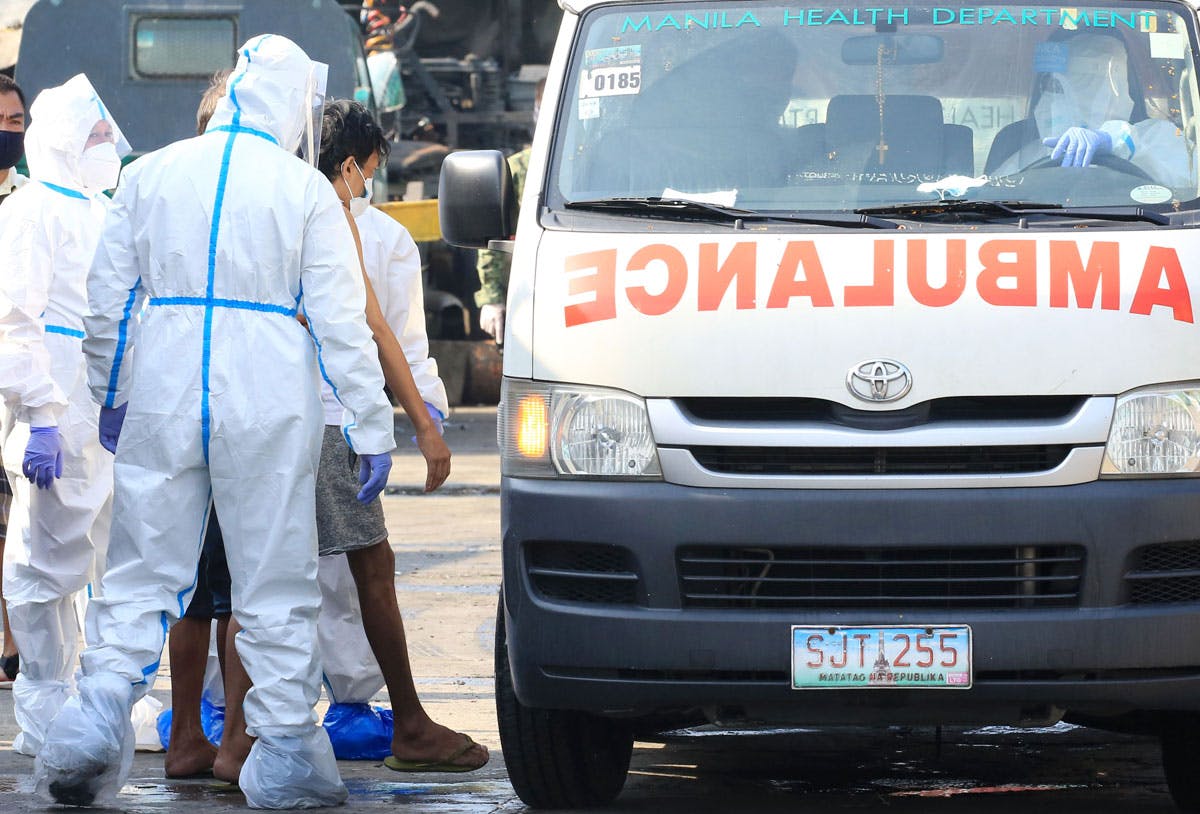
The Philippine Health Insurance Corporation (PhilHealth) will limit assistance for patients affected by the coronavirus disease 2019 (COVID-19) starting Wednesday, April 15, based on its new circular.
PhilHealth scaled down its previous commitment to shoulder the full cost of treatment for patients who are not health care workers, citing concern about the “adequacy and sustainability” of its efforts.
At the same time, it noted that it had to recompute its case rate because of “the novelty and wide range of severity of the disease in the country.” It added that “no existing case rate or package based on accepted protocols has yet been established.”
According to PhilHealth Circular No. 2020-0009, published on Tuesday, April 14, patients with “probable” or “confirmed” COVID-19 may avail themselves of P43,997 in benefits for mild pneumonia.
Under the Department of Health (DOH)’s classification, “probable” cases refer to those whose laboratory testing is inconclusive, those who underwent testing in a laboratory that is not accredited, and those whose testing could not be performed for any reason.
Benefits for mild cases will be granted only if they are elderly or have comorbidities (pregnancy or preexisting medical conditions that put them at greater risk).
There is no such criteria for the COVID-19 patients with moderate pneumonia (P143,267), severe pneumonia (P333,519) and critical pneumonia (P786,384).
News reports have cited the cost of treating patients at more than P1 million, citing the accounts of some confirmed cases.
Based on PhilHealth Circular No. 2020-0011, claims to be processed for full financial risk protection for Filipino health workers and patients against COVID-19 cover the period of Feb. 1 to April 14.
Insurance firms step in
Private insurance firms have stepped up to help finance the costs incurred by those who fell sick or died because of COVID-19.
For the poor, founder and chairman emeritus Jaime Aristotle Alip of the Center for Agriculture and Rural Development Mutual Benefit Association Inc. (CARD MBA) said life insurance could be a big help for the victims of COVID-19.
Among the 335 who succumbed to COVID-19 in the Philippines were four clients of CARD MBA who availed themselves of the association’s microinsurance services, Alip disclosed.
According to Alip, the survivors of the deceased members were able to receive P30,000 to P55,000, depending on the length of membership. From March 16 to April 3, the group settled each day an average of 161 claims amounting to roughly P6 million, according to data from CARD MBA and CARD Pioneer Microinsurance Inc.
Such claims were processed online through the submission of death and marriage certificates via the Facebook messenger app, Alip said. At the same time, he noted that microinsurance firms were forced to extend the moratorium on insurance payments until the enhanced community quarantine (ECQ) is lifted, tentatively scheduled on April 30.
“With the emergence of COVID-19, not only health but also the livelihood of small entrepreneurs are jeopardized. The Mi-MBA (microinsurance mutual benefit associations) industry with the microinsurance industry plan to formulate new policies to address the needs of the poor during a pandemic,” Alip wrote in an article.
“The industry aims to improve its regulation to provide a wider range of insurance products for the poor in protecting them not only from death, injury, and illnesses but also to the potential losses of their income due to a national crisis,” he said.
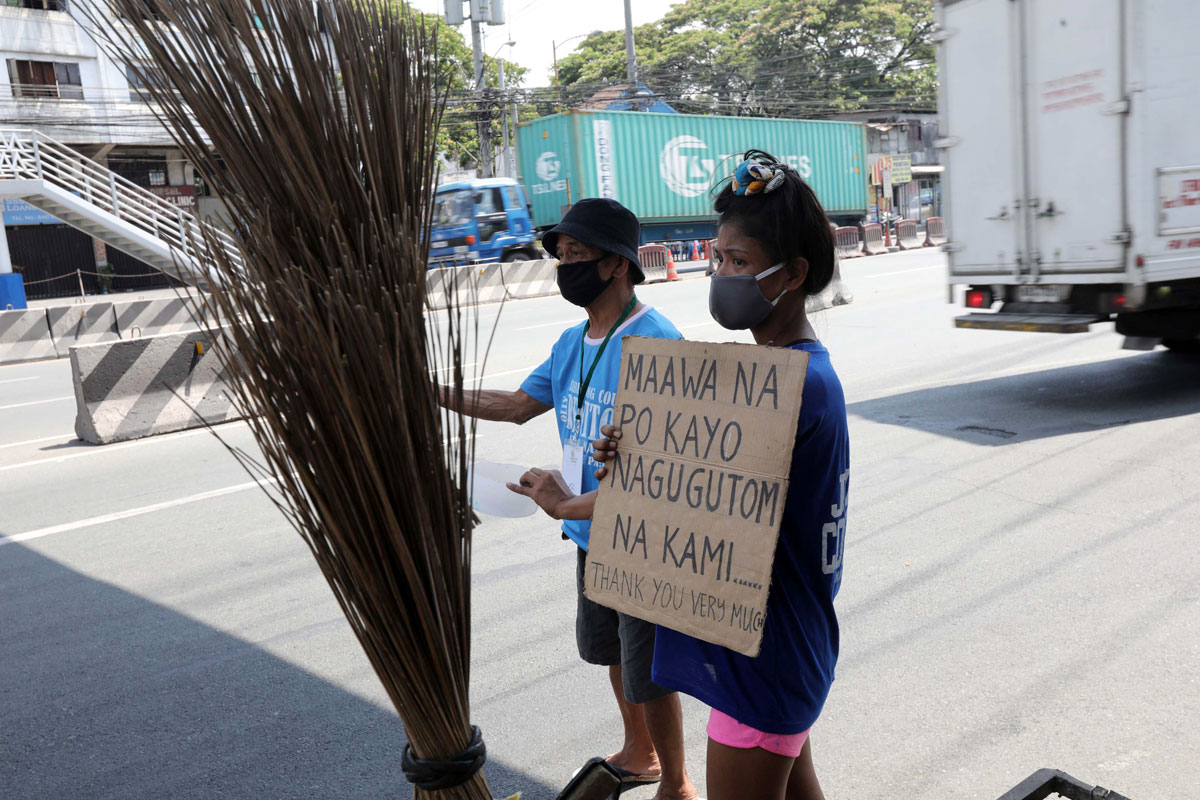
Microinsurance firms and groups like CARD MBA specifically cater to “socially and economically challenged” sectors of the society, with the goal of enabling them to secure their health or gain livelihood.
“Without microinsurance, less fortunate families will plunge deeper into poverty due to the lack of safety nets from unexpected perils,” Alip noted.
He cited the case of Ninfa Beraminde, a client of CARD Mutually Reinforcing Institutions (MRI) for almost five years in Isabela, Basilan.
When Beramide’s husband died last March 23, she did not expect to be able to claim death benefits as mobility was hampered with the imposition of the community quarantine, Alip said.
“Likewise, CARD MRI members or their dependents get sick, figure in a fire, or die even in the midst of the pandemic,” he added.
Clients of CARD MRI automatically become members of CARD MBA, which enables them and their families to be covered under its life insurance.
“From Aparri to Zamboanga, Ninfa’s story mirrors every poor family’s struggles amid the pandemic,” Alip said.
Major insurance firms earlier offered coverage for COVID-19 infection.
The Philippine Life Insurance Association Inc. (PLIA) said companies have activated work-from-home arrangements to ensure that services to policyholders would be continued.
“PLIA will continue to monitor the situation and will respond accordingly to any unusual developments, always with the interest of the insuring public in mind. We remain confident that with the prudent regulations prescribed by the Insurance Commission to assure financial health of insurance companies, we would continue to serve the industry and its policyholders well,” its president, Benedict Sison said.
Government support needed
Alip said the “help and support of the national government will be much needed” by the Mi-MBA and other microinsurance players to help extend coverage to the poorest and the most vulnerable sectors.
He stressed that the tax exemption for Mi-MBAs owned by communities should be upheld “so that they can have adequate funds to create better products that will address the insurance needs of the marginalized sectors during extraordinary times.”
Alip also called for a two percent reduction in tax on the premium on non-life insurance, relating to protection from disasters and for agriculture and property.
In addition, a calamity fund to assist its millions of members during a state of national emergency should be established, he said.
The microinsurance industry provides affordable and relevant risk protection to more than 27 million poor and low-income individuals in the country. Alip said the industry has become a partner of the government in empowering the poor and creating resilient communities.
“With the government’s continued support, microinsurance will remain a beacon of hope in this time of distress and uncertainty,” Alip said.