



From Ordinary Folks To Doctors, People Dying In Isolation To Avoid COVID-19 Contagion
Various circumstances are leading to the deaths of people amid the coronavirus disease 2019 pandemic, and they include those who are not infected with it.
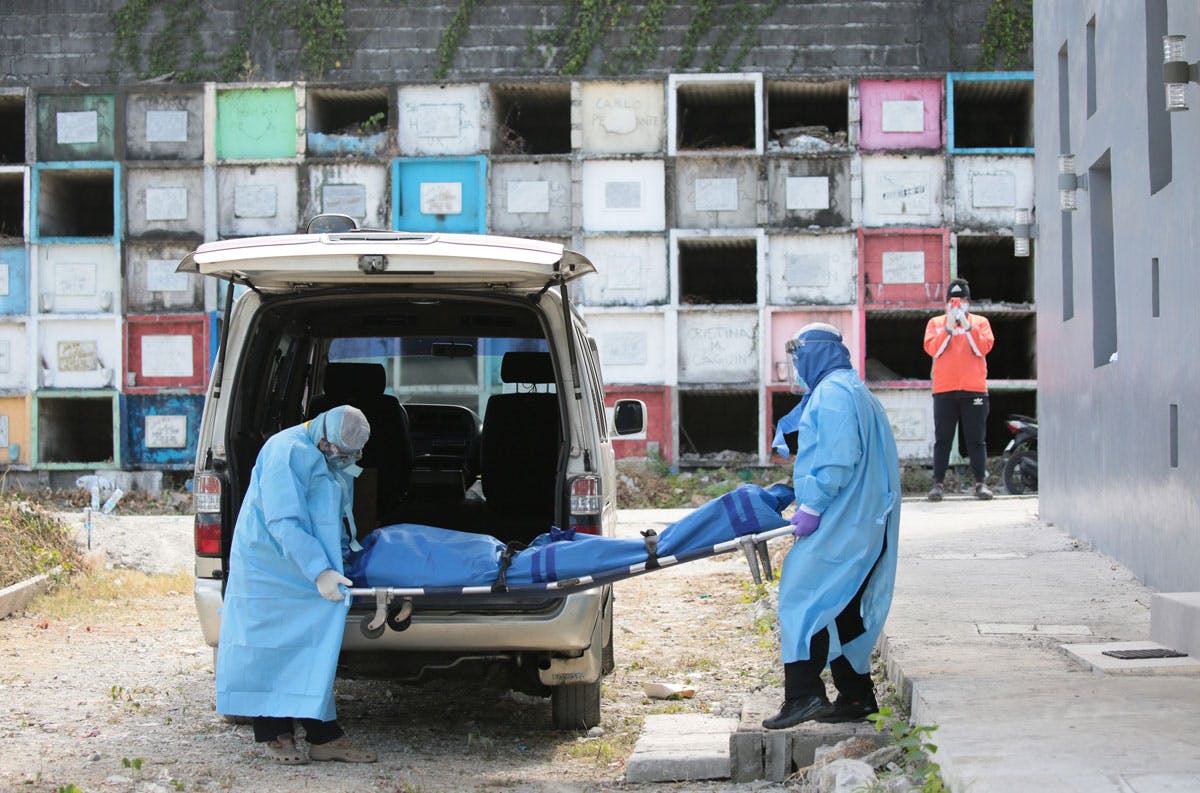
For a 56-year-old man living in the slums of Metro Manila, the mere thought of having the coronavirus disease 2019 (COVID-19) was unbearable.
According to the police, Mang Carding (not his real name), who suspected that he was infected with COVID-19, was found dead in his home on Tuesday, March 24. He was not tested for the disease.
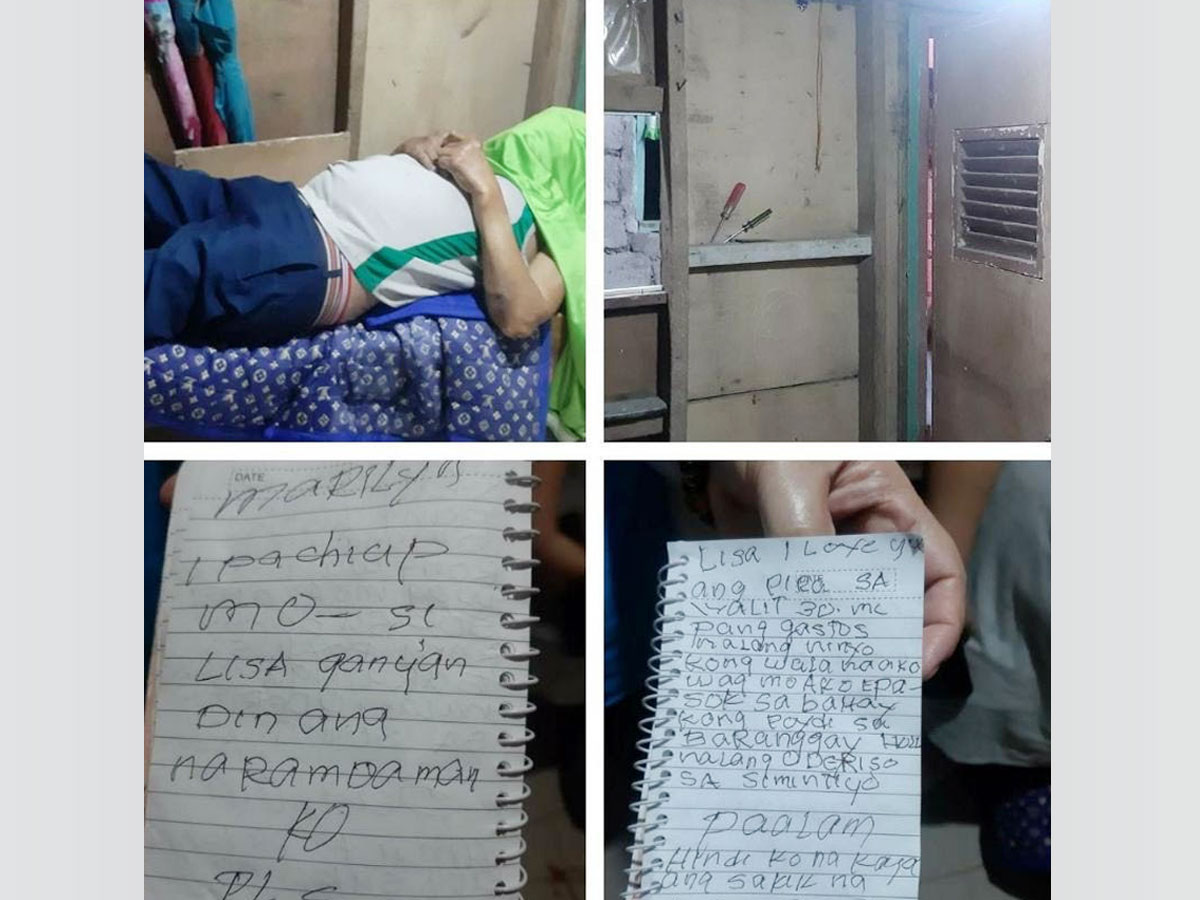
He left notes asking his relative to have his live-in partner checked in a hospital because they experienced the same symptoms.
Authorities said he had been suffering from severe back and abdominal pains and had become seemingly hopeless. He wrote to his wife: “Lisa, I love you. Ang pira sa walit 30, pang gastos na lang ninyo kung wala na ako (I have P30 in my wallet, which you can use for our expenses when I am no longer around).”
He also asked his partner to hold his wake in the barangay hall and not at their home, or just bury him directly in the cemetery.
What do we do?
A lawyer also found himself not knowing what to do after experiencing COVID-19 symptoms. The lawyer and his wife, who was likewise showing symptoms, went to a government hospital after failure to get a slot in private hospitals near their residence in Taguig City.
In Quezon City, he got help from workmates and friends of friends – including officials of the police force – for advice on how to handle his situation.
He then went to a hospital in Quezon City by himself on March 24. Around eight hours after knowing he was positive for COVID-19, he was admitted and isolated. He now feels better after getting treatment.
On Wednesday, his wife got tested at the Lung Center of the Philippines. Despite having acquired pneumonia, she could not be confined in the hospital because it had reached full capacity.
The Department of Health (DOH) says people can ask questions if they suspect they are infected with COVID-19, or request assistance if they have symptoms or known exposure to confirmed cases or patients under investigation.
The emergency hotlines are 02-894-COVID (02-894-26843) and 1555 for PLDT and Smart Communications Inc. subscribers.
Dying alone
During this time, the loved ones of those confined in hospitals, even if not for COVID-19, are also barred from visiting, to prevent possible transmission.
There were those who succumbed to other diseases because they could not get immediate treatment given the dire situation in hospitals and the enhanced community quarantine in Luzon.
People could not pay their last respects in a wake – allowed only for a limited period – due to physical distancing measures under the enhanced community quarantine. Masses have also been suspended. Burials must be carried out quickly with no crowds in attendance.
Stigma is also another problem for the families of those who died of the disease.
To address this, the government has directed local government units (LGUs) to accredit funeral parlors that will perform services for COVID fatalities.
In a joint press briefing at Malacañang on Wednesday, March 25, Secretary to the Cabinet Karlo Nograles and Interior Secretary Eduardo Año warned operators of funeral parlors who refuse to render services for COVID fatalities that they would be penalized under the “Bayanihan to Heal as One Act” – the law that granted President Duterte special powers to deal with the pandemic.
The Inter-Agency Task Force on Emerging Infectious Diseases said this is part of “general infection precautions” to protect the people from further contagion.
In coordination with the Department of the Interior and Local Government, the LGUs will “provide possible financial assistance to cover the logistics, fuel, salary and other expenses that will be incurred in the process,” and monitor and penalize funeral homes “that refuse to provide logistics and transport of COVID-19 remains, including but not limited to, refusal to pick up the remains.”
The Department of Social Welfare and Development, based on IATF Resolution No. 5 dated March 24, will allocate amounts for a funeral support fund allotted to indigent COVID-19 cases and PUIs “whether they are undergoing home quarantine, or admitted in a public or private facility.”
The DSWD will allot P25,000 per COVID-19 fatality.
Line of duty
In the front lines of the battle against an unseen enemy are the health workers.
Before they start their medical practice, doctors take the Hippocratic Oath. The classic version reads: “I will use my power to help the sick to the best of my ability and judgment.” It has since been modernized in the Declaration of Geneva, which states: “As a member of the medical profession, I solemnly pledge to dedicate my life to the service of humanity.”
As of March 26, nine doctors in the country have died in the fight against COVID-19.
Noted anesthesiologist Greg Macasaet was not even supposed to be doing rounds at the Manila Doctors Hospital. But due to the lack of medical staff, he had to take the shift as the hospital’s general practitioner, and he must have gotten the virus there, his friend Aboy Paraiso told The Philippine STAR.
“From what he recounted, wala nang pumapasok na iba. He had to take the rounds. They were understaffed, so he and his wife, both of them anesthesiologists, they went there to attend to the patients who were coming in,” Paraiso said in a phone interview.
Paraiso said he exchanged text messages with Macasaet about the patients who were dying, but the government did not want the public to know how dire the situation was.
Macasaet stopped sending messages days before his death on March 22.
“That’s what the government does not want to tell you. In confinement units, there were patients dying of pneumonia. He was pretty sure he got it from there,” Paraiso said.
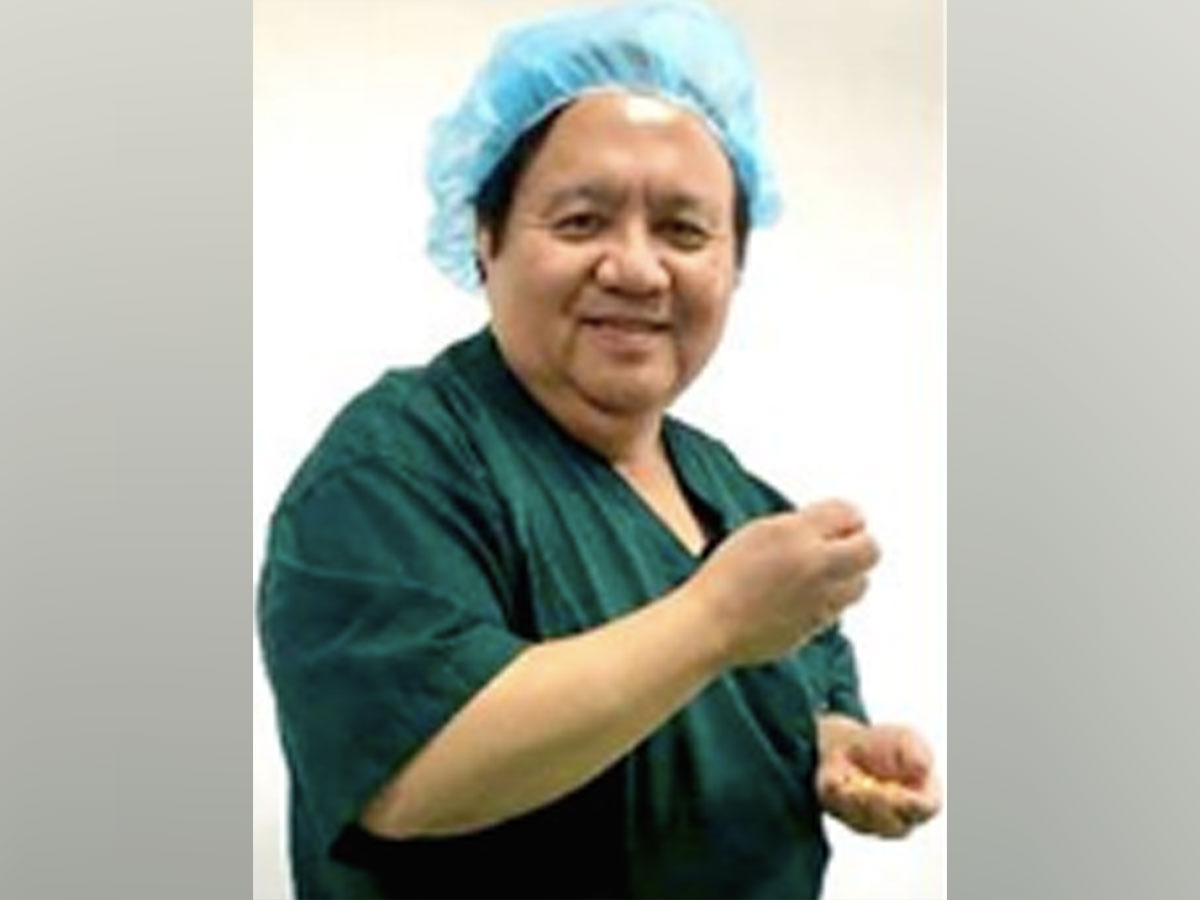
Paraiso ended his hiatus on Facebook to post a touching account of his memories of Macasaet. The anesthesiologist is survived by his wife, who also had COVID-19 and recovered, and their special child.
“As he recounted to me, he and Ateng chose to stay when most of their colleagues chose to keep themselves safe and did not report for work. This, despite having an only son with special needs. THEY CHOSE TO STAY, stay at their post, stay beside their patients, stay true to their oath and calling as doctors sacrificing themselves and their family,” Paraiso wrote on Facebook. “And now Kuya Greg has made the ultimate sacrifice of life, not because he was forced or obliged to do so, but because of his dedication to his craft and his constant devotion to be of service to others.”
Paraiso shared screenshots of his last text message with Macasaet.
“Dearest inaanak kong Aboy! (My wife and I) are in separate isolation rooms with no visual communication from each other! It started several days ago when I experienced very high grade fever followed by a really bad cough! Upon admission, things started to turn worse,” Macasaet told Paraiso.
“The feeling you will experience is really very, very bad! I guess that is what causes the increased mortalities in the immunocompromised sector of society. FYI, they will not tell you any real statistics! Suffice it to say that two of my neighbor rooms here already went into cardiac arrest! But they will keep it very quiet! In the event I go into cardiac arrest as well, I already signed specific instructions for no heroic measures,” Macasaet wrote.
Paraiso does not want Macasaet’s sacrifice to be in vain. His heroism must be celebrated, Paraiso said.
“Tama na ’yung patient numbers. They have names. They have families. They have stories. His story had to be told,” Paraiso said.
“From Greg’s perspective, they stayed true to their oath. They went there. They didn’t want to, but they needed to be there. That’s something that everyone has to realize, that the frontliners, they have families, and they are sacrificing and risking a lot,” he added.
For Paraiso, Macasaet was a victim of the failure of the medical care system in the country to protect its own doctors.
“No one really prepared and could have prepared. Nangangapa pa lang tayo. One thing that stuck to me that Greg said was that, just don’t downplay it. It’s impossible for him that the situation in Manila Doctors Hospital was not as bad. When patients were dying, I understand, you’re trying to avoid panic, but people should be aware of what’s really going on,” Paraiso said.
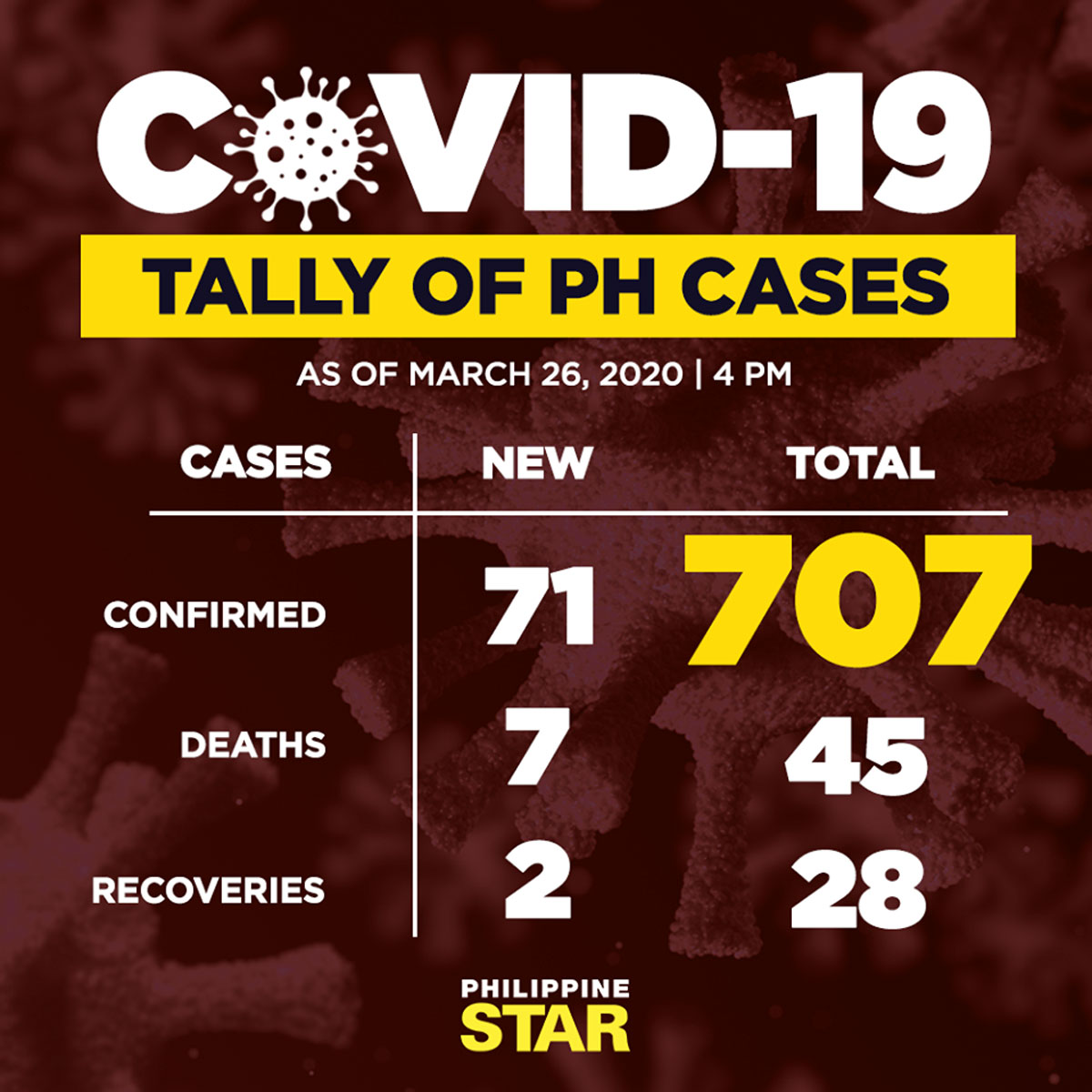
The number of people who died of COVID-19 had reached 45 as of Thursday.
It could be tiring
Dr. Israel Bactol, who died on March 21, had a special place in the hearts of nurses he worked with at the Premiere Medical Center.
In a phone interview, Ytchie Del Rosario, now a nurse in Riyadh, recalled fond memories when he was working with the doctor, who died after being infected by a patient who lied about travel history.
Del Rosario called Bactol his “coffee buddy,” a man with a hearty laugh who used to eat their food when they were not looking during their shifts at the hospital.
“On a serious note, madalas po siya nagko-complain sa akin na napapagod na siyang maging doctor. Gusto na lang daw niya ng simpleng buhay, kasi buong buhay niya nag-aaral na lang siya. Gusto daw niyang i-enjoy ’yung buhay niya. Pero sabi ko po sa kaniya, marami po siyang matutulungang tao, kasi napakabait niya, may concern siya sa tao, simple at down to earth saka kaya niyang manggamot kahit walang bayad,” Del Rosario said, adding that Bactol agreed with him.
Bactol, who hailed from Nueva Ecija, was a doctor to the barrios whose parents were farmers in the province. His service to the medical profession despite the risks was a tribute to his parents, who worked hard to send him to medical school.
Del Rosario said Bactol’s death highlighted the need for patients to be truthful of their travel history while frontliners are battling the virus.
“Importanteng maging honest kapag nag-seek ng medical advice, dahil para sa safety niyo at sa safety din ng mga healthcare providers na nag-aalaga sa inyo,” Del Rosario said.
In honoring Bactol, the Philippine Heart Association called the 34-year-old cardiologist a “casualty of this war… a young, brilliant, promising doctor” and a “hero.”
“We honor him as he lost his young life while fulfilling his duties as a doctor, a young cardiologist and a dedicated member of PHA,” the association said in a statement.
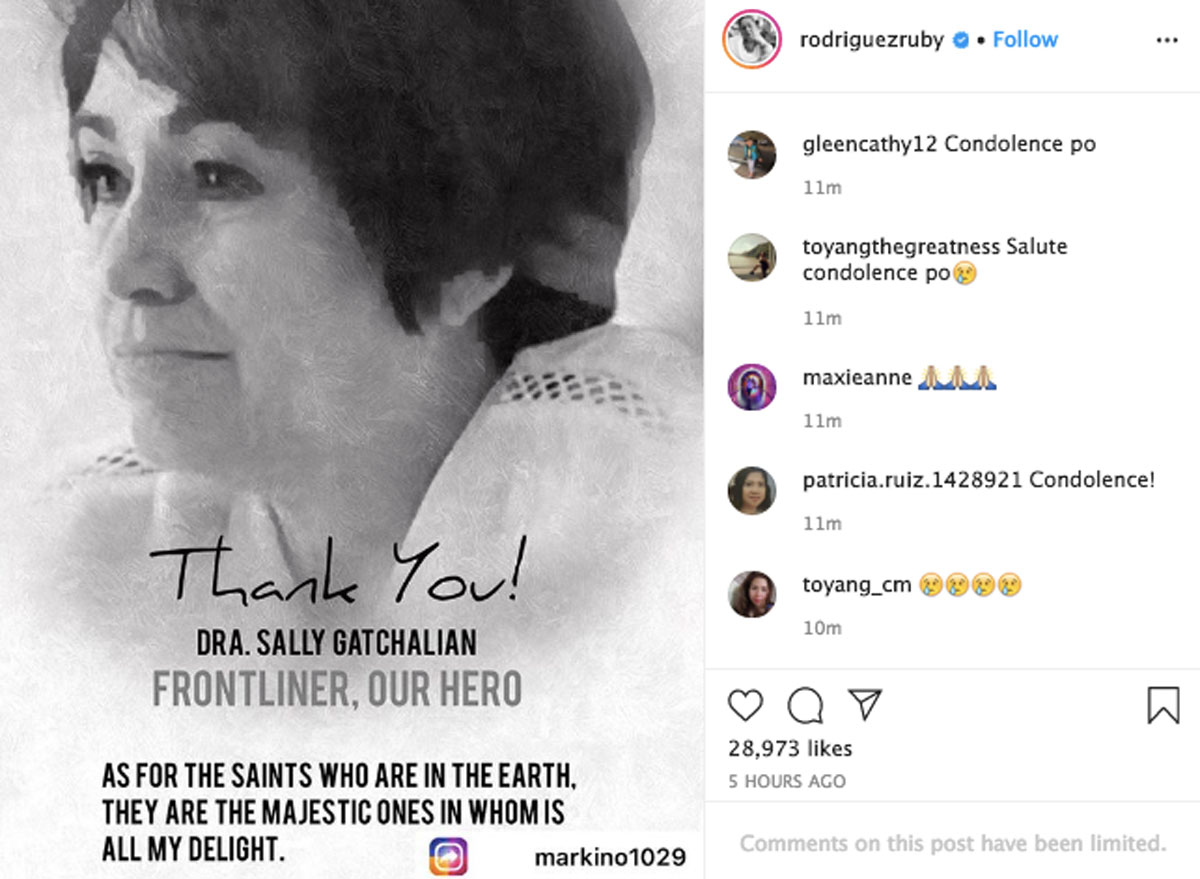
Another casualty of the war was Dr. Sally Rodriguez-Gatchalian, assistant director of the Research Institute for Tropical Medicine, the country’s COVID-19 testing center.
Her sister, “Eat Bulaga” host and actress Ruby Rodriguez, confirmed the death of her sister on Thursday, March 26. “As of 6 a.m. my sister…who fought really hard, has joined our Lord God and creator. We her family thank you all sincerely for praying with us. Stay Safe and keep on praying,” she said.
Rodriguez also paid tribute to Gatchalian, president of the Philippine Pediatric Society, on Instagram.
“We will only remember you with happy memories, laughing and sleeping, your Johnson outfits and all how you love bling bling, your Kuaff hair everyday, your K-drama addiction, our Sunday lunches, our ‘bonding trips’ that you and I only do, lots of happy and fond memories! I love you so much my big sister,” Rodriguez wrote.
She also posted this photo of her sister.
A nurse at the medical intensive care unit of Capitol Medical Center told The STAR that they have to soldier on because they took the oath to take care of the sick, and it is their duty to be with their patients in any battle.
She said wearing masks all day could be uncomfortable, but it’s the least she could do to stay healthy, not only for herself but also for her family.
“Kailangan ko tulungan sarili ko para magawa ko duties and responsibilities ko as a nurse. At ginawa ko ding inspiration ’yung family ko para makauwi na ako, at if ever man hindi ako maging carrier po sana ng sakit,” she said.