Senate OKs Bill Restricting Social Media For Under-18s
The bill will compel high-risk digital services to suspend, restrict, disable or remove any account owned, operated or used by anyone under 18 years old.
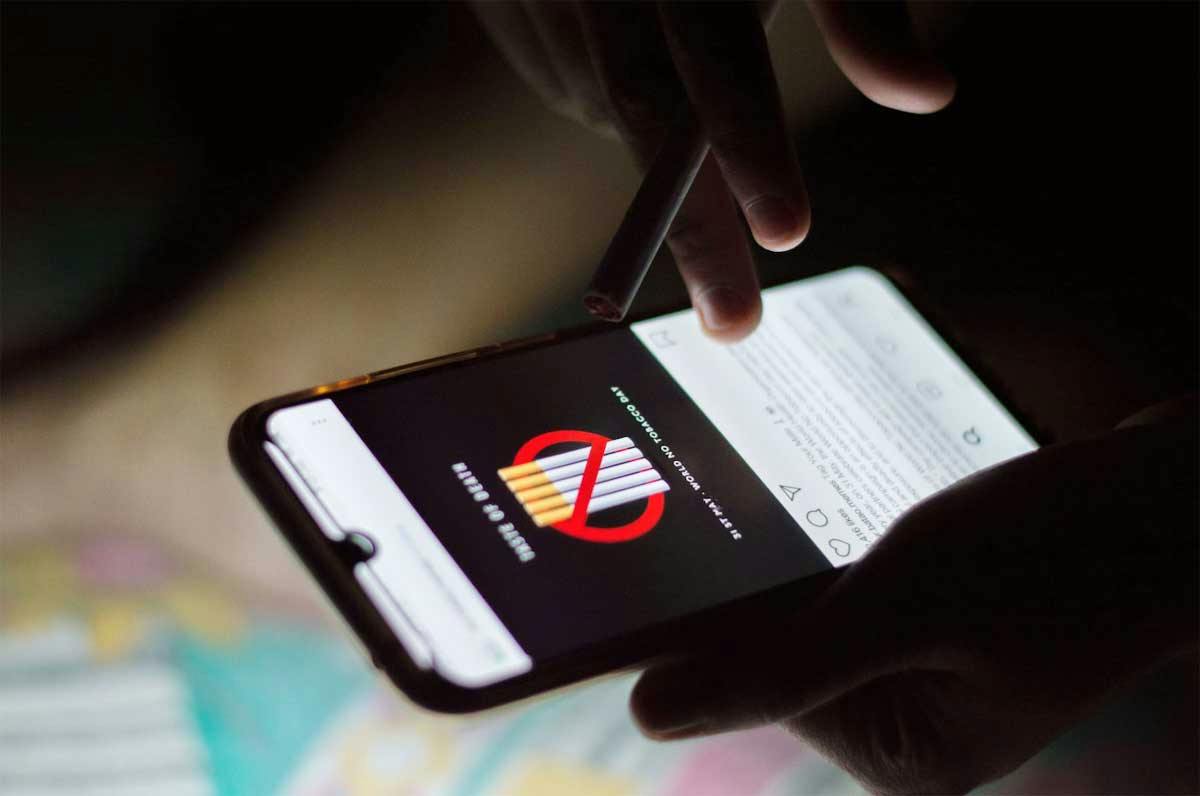
The Senate impeachment court took a short break on Thursday, Oct. 8, allowing senators to hold a legislative session in the afternoon and pass a bill banning the use of social media for minors.
The proposed “Safe Media Access and Responsible Technology for Kids in Digital Spaces (SMART KIDS) Act,” was passed, seeking to ban minors’ access to “high risk digital services” like Roblox and GoreBox, which are online platforms where vulnerable youth are groomed into committing violent acts.
The bill will compel high-risk digital services to suspend, restrict, disable or remove any account owned, operated or used by anyone under 18 years old.
Not covered by the ban are electronic mail services, private messaging services, online gaming services not primarily used for social networking, educational platforms, news services and professional collaboration services.
High-risk digital services violating the ban will be fined P5 million to P20 million per violation, and another P100,000 every day for non-compliance.
Even parents or guardians who will help the minors skirt the ban may be fined P50,000 or do community service and mandatory attendance to digital parenting and child safety programs.
Only Sen. Risa Hontiveros voted against the measure, which got 16 affirmative votes from senators amenable to restricting minors’ social media access in the wake of school shooting incidents due to unrestricted firearms access to the youth and their exposure to nihilistic and violent extremist content online.
In explaining her no vote, Hontiveros said 18 years old should be the “legal threshold for adulthood” and not be a “developmental threshold” as she thumbed down a blanket ban on social media which can be a useful tool for children.
“As children mature, their capacity to make appropriate decisions also develops. An outright ban does not recognize the developmental and evolving capacities of children. Our legislation should reflect this reality,” Hontiveros said, as she cited gaps in other countries’ blanket social media ban.
Hontiveros instead called for “tiered restrictions for adolescents,” such as “stronger default privacy and data settings, tighter restrictions on adult contact, limits on targeted advertising and profiling and stronger parental and educational safeguards.”
For Gatchalian, it’s time to restrict minors’ social media access due to dangers in the excessive use of social media and other online platforms.
He said the prohibition is absolute and that parental or guardian consent could not override the restriction.