



Amid Evolving Workplace Trends, Employees Encouraged To ‘Hone Soft Skills’
Soft skills are non-technical attributes that help employees interact and succeed in the workplace, such as communication, critical thinking, leadership and analytical skills.
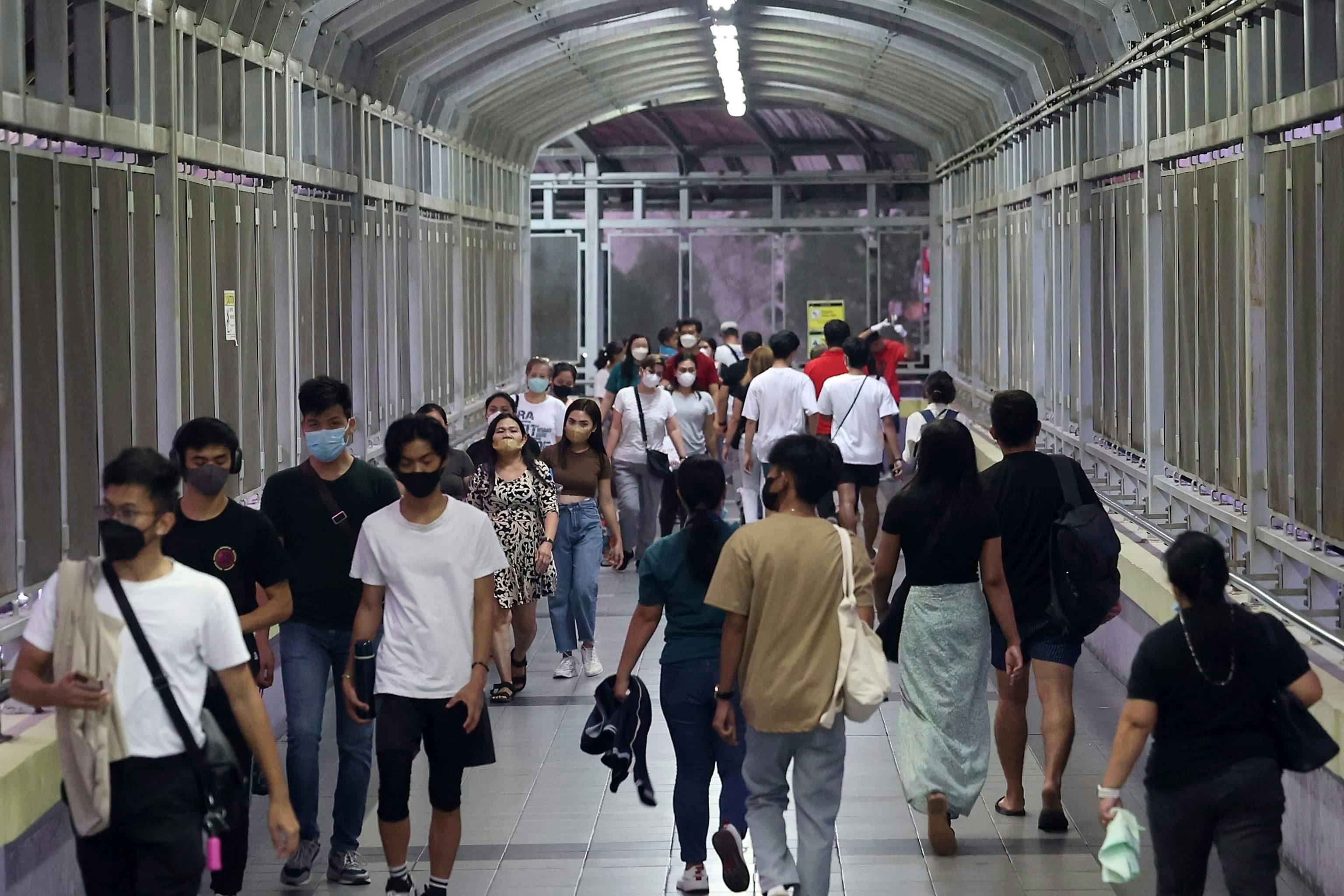
With the emergence of artificial intelligence and other workplace automations, employees are now expected to hone their soft skills so they could thrive professionally in the modern world.
In an interview over “Agenda” on One News on Friday, May 19, life coach Ellen Perez said companies have started to value soft skills when recruiting given the evolving trends in the workplace.
She noted how technology is able to render traditional operations obsolete – making it important for employees to have soft skills to stay afloat or find new opportunities.
Soft skills are non-technical attributes that help employees interact and succeed in the workplace. These include communication, critical thinking, leadership and analytical skills.
“In a company before… there are five or more messengers. Now we don’t need those because managers can do it themselves, they can send documents through applications that allow them to,” Perez said.
Even those who are well-versed with technological advancements need to develop their soft skills, she added, noting how schools have started to concentrate on these.
“Technology is already there (in the workplace). It’s already given that tech people, graphic designers and information technology experts will be in place, and the gap to that is in terms of soft skills,” Perez said.
“It’s a need, especially in challenging times and evolving technology, that we still focus on something… teamwork, something to do with communication, leadership, continual learning,” she added.
Connectivity
Aside from soft skills, Perez also underscored the importance of “connectivity” or putting one’s self out there. For jobseekers, this means establishing an online presence, highlighting their best qualities on social media and professional platforms such as LinkedIn.
She noted how, in some job openings, human resource personnel ask for an applicant’s social media pages, which they use to vet candidates for the job.
In her case, Perez said she documented campus activities she was involved in as a student and uploaded these in her social media pages.
“Then it can be seen in your profile that you’re documenting this activity, (the HR would assume) ‘oh, this person is good in communication or in teamwork… in school activities, this person helped out in engaging people,’” she said.
For employees, Perez said “connectivity” means being engaged in meetings, being solution-driven or one who provides inputs.
Doing so, she said, would allow higher-ups to see the potential of their employees.
“Know your value, know your strength and demonstrate it. I’m pretty much sure the management will hear it, know it and they will acknowledge plus recognize you,” she added.