



Thermal Drones, Rapid Pass: Tapping Technology To Decongest Checkpoints
From AI-powered thermal drones to contactless verification, Filipino-developed technologies will be utilized to help decongest checkpoints amid the enhanced community quarantine to contain the spread of coronavirus disease 2019.
Congested checkpoints have become one of the major consequences of the enhanced community quarantine imposed over Luzon due to the coronavirus disease (COVID-19) pandemic.
With only a limited number of people allowed to leave their homes and travel during the quarantine period, personnel assigned at city boundaries were tasked to thoroughly verify the identities and ensure that those passing through checkpoints do not exhibit symptoms of the illness.
In some areas, people have to wait for over an hour in their vehicles just to get through checkpoints, affecting movement of essential personnel and cargoes in Metro Manila and other regions.
This week, the Department of Science and Technology (DOST) said it would tap several technologies to help decongest these checkpoints.
DOST Secretary Fortunato de la Peña said the Inter-Agency Task Force for the Management of Emerging Infectious Diseases (IATF-EID) has approved the use of a locally developed software that will allow contactless verification of frontliners and other persons authorized to leave their residence.
The task force greenlighted the use of the software RapidPassPH, which uses QR code-based technology to facilitate speedy verification of those allowed to travel during the quarantine period.
The system was developed by DCTX, a team of designer-volunteers under the COVID-19 Technology Initiative of the Developers Connect Philippines.
How RapidPassPH works
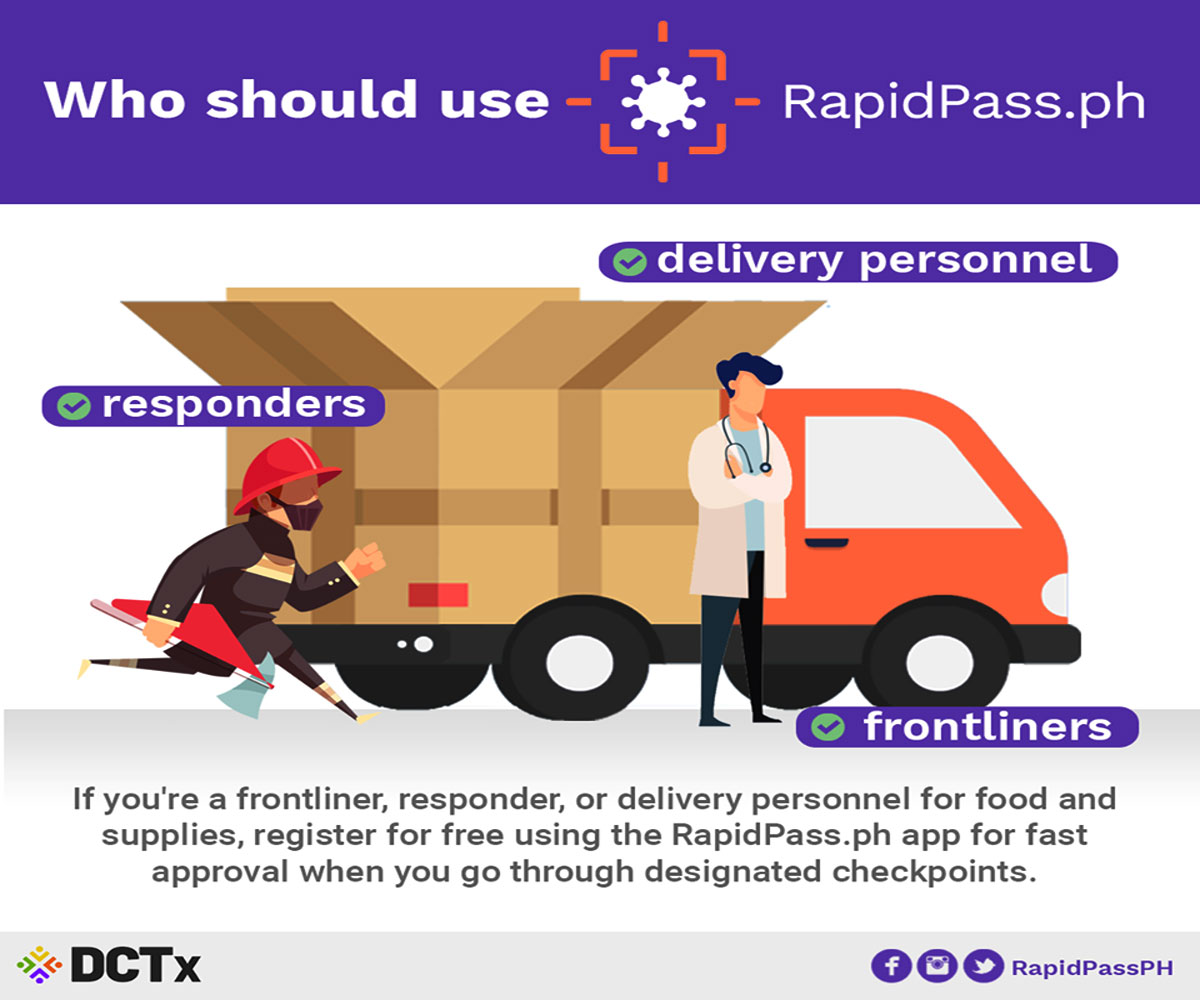

Frontliners and other individuals authorized to travel may register online through rapidpass.ph.
Those approved will receive QR codes, which should be printed and placed on the car window to enable checkpoint personnel to scan them.
Checkpoint personnel will receive training on how to use their mobile devices to verify QR codes generated by RapidPass.
On its website, the developers clarified that RapidPass would not be an additional requirement to pass through a checkpoint, saying its aim is to enable frontliners to go through checkpoints faster by allowing contactless verification.
The system was tested in Mandaluyong last week.
“Through this system, less contact between users and checkpoint personnel can be established,” De la Peña said.
Thermal drone scanners
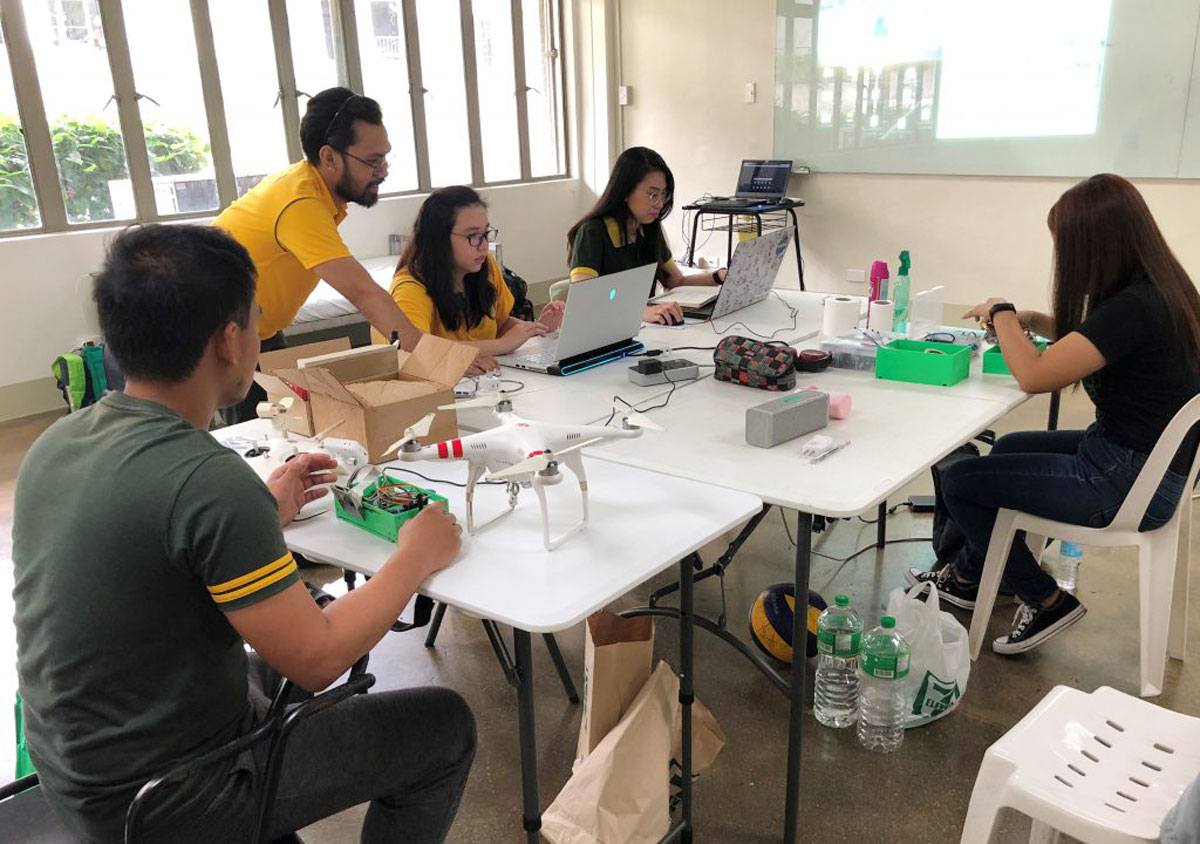
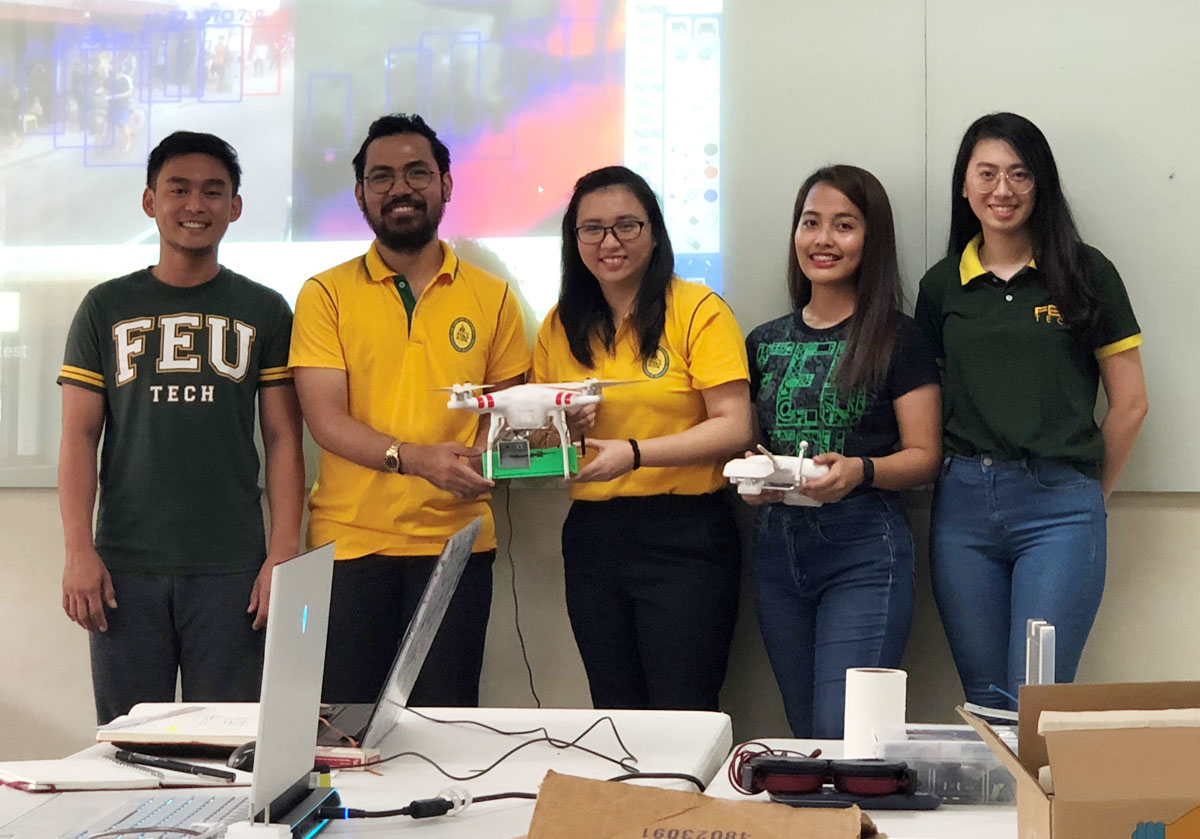
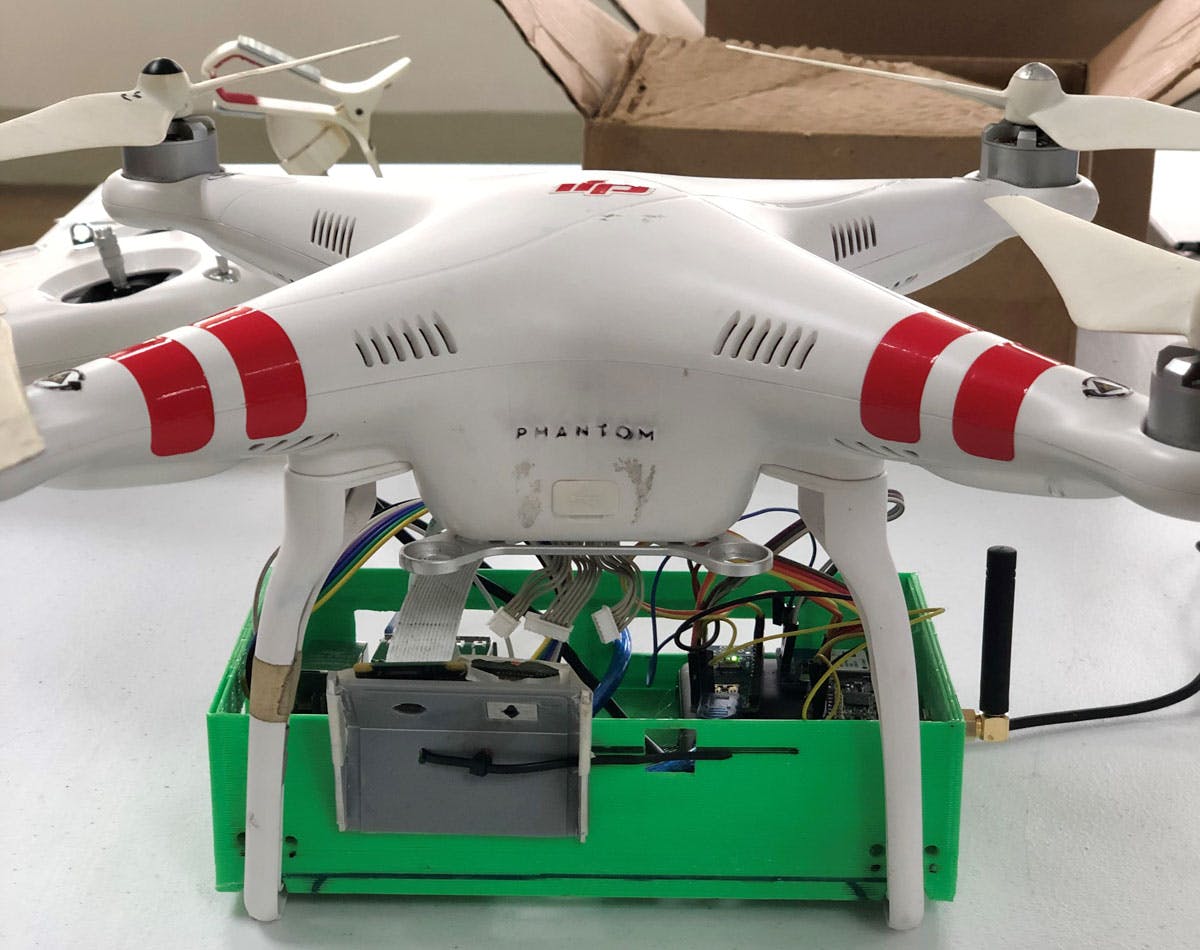
Meanwhile, the Far Eastern University (FEU) said a team of students and alumni is currently producing six drones carrying thermal scanning systems that would soon be deployed in some of the major entry and exit points in Metro Manila.
The university said it would roll out Project DWARM, a drone-operated thermal scanning system that uses artificial intelligence (AI) to detect possible carriers of COVID-19.
Samantha Monique Bautista, FEU Institute of Technology alumna and lead engineer of the project, said the technology would speed up and improve the precision of thermal scanning at checkpoints while at the same time protecting uniformed and medical frontliners by minimizing direct contact with possible carriers.
The drones can reduce queue times as it can scan up to 10 persons at a time and flag those with temperatures of 37.5 degrees Celsius or higher.
“Previously, our technology was primarily used for detecting possible survivors in the aftermath of a calamity by using only a thermal camera for the AI programming,” she said.
“As a solution for COVID-19, we combined two AI detections – a video camera for the detection of a person, and a thermal camera for the recognition of heat signatures. With the new AI, the thermal cameras can now identify a person and measure his temperature,” she added.
The team, composed of alumni and students of FEU Tech, is currently producing six drone units with the support of DOST and UPSCALE Innovation Hub.
FEU said the government is planning to deploy the drones along the checkpoints at the South and North Luzon Expressways.
In addition to Bautista, the team is also composed of FEU Tech alumni Angelito Espiritu Jr. and students Kent Laurence Rivera, Khay Esguerra and Ma. Regiena Alejo.
Checkpoint map
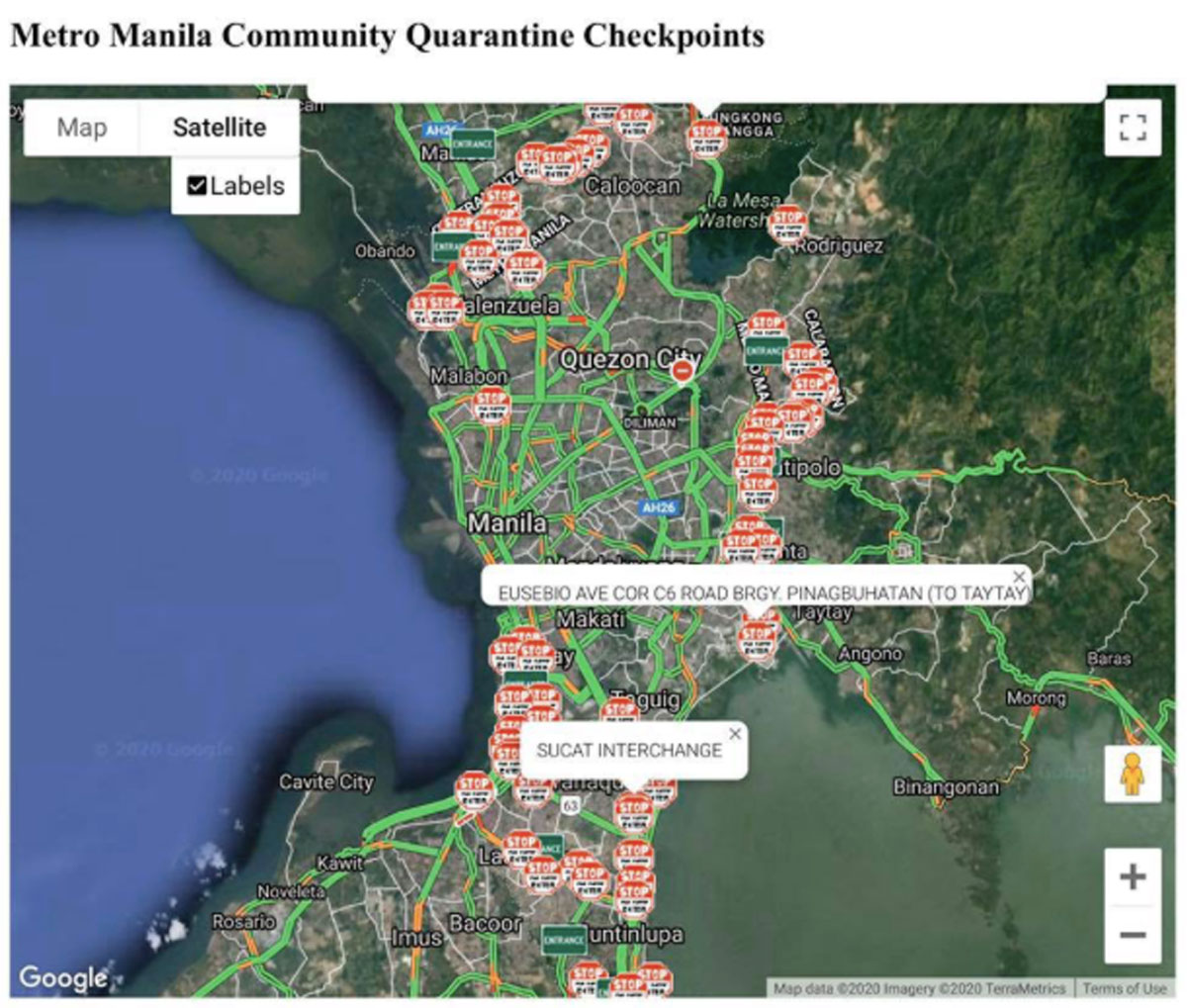
Meanwhile, University of the Philippines public administration professor Noriel Christopher Tiglao developed a quarantine checkpoint map to enable motorists to verify the location of checkpoints.
The site where it can be accessed, safetravel.ph, is currently being updated to integrate Google Traffic Map.
Tiglao is a civil engineer by profession and had conducted transportation research with the National Center for Transportation Studies, according to UP.


