Provincial Bus Operators, Drivers Seek Aid To Get Back On Their Feet After Months Of Lockdown
Some provincial bus units are allowed to operate again beginning today, Sept. 30, but operators and drivers are seeking a package of assistance as the lockdowns since March have left many of them without livelihood.
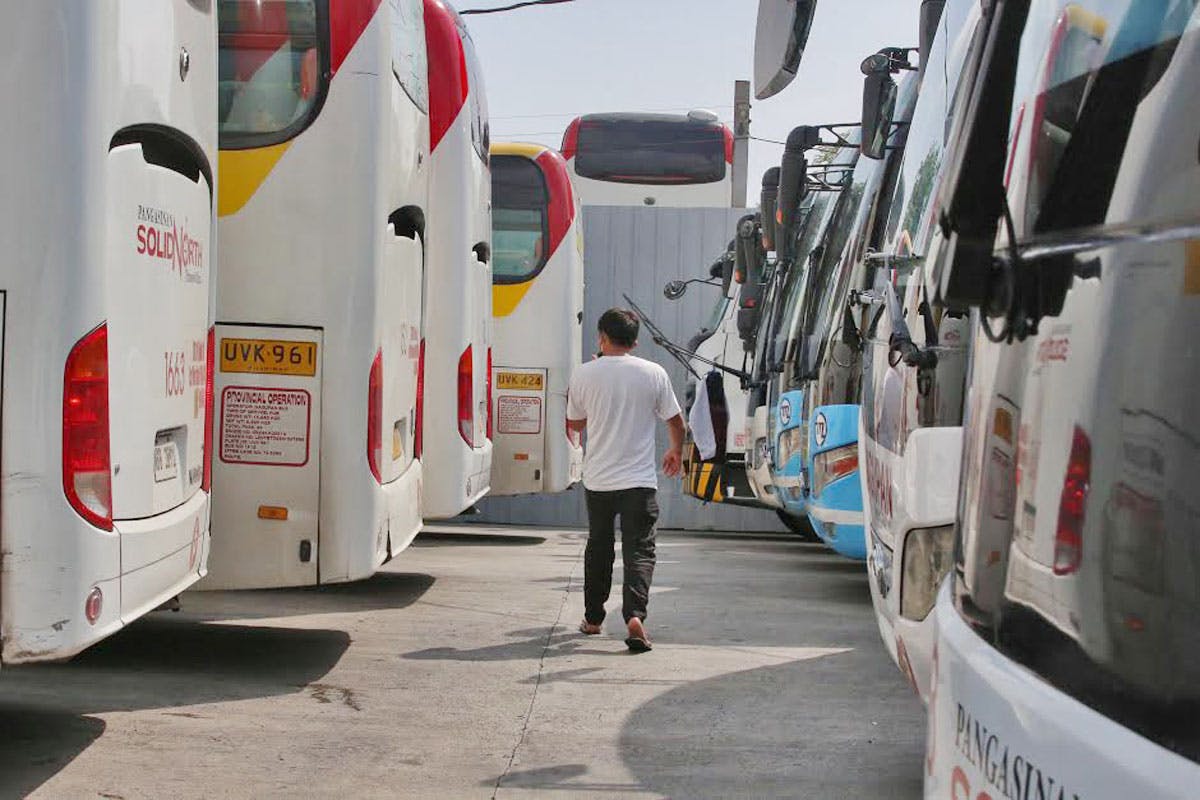
Provincial bus operations have been one of the most affected in the road transport sector as lockdowns were imposed in the country to contain the coronavirus disease 2019 (COVID-19) pandemic.
On Sept. 25, the Land Transportation Franchising and Regulatory Board issued Memorandum Circular No. 2020-051, opening 12 modified provincial bus routes to serve passengers going to and from Metro Manila, Central Luzon and Calabarzon starting today, Sept 30.
Only 286 units have been allowed to serve passengers. The number is less than five percent of the total units in the fleets of franchised operators, leaving most companies and their employees in limbo. Before the pandemic, over 7,000 bus units plied provincial routes going in and out of Metro Manila.
The modified provincial bus routes to be opened on Sept. 30 are San Fernando, Pampanga – Araneta Center, Cubao, Quezon City; Batangas City, Batangas – Parañaque Integrated Terminal Exchange; Lemery, Batangas – PITX; Lipa City, Batangas – PITX; Nasugbu, Batangas – PITX; Indang, Cavite – PITX; Mendez, Cavite – PITX; Tagaytay City, Cavite – PITX; Ternate, Cavite – PITX; Calamba City, Laguna – PITX; Siniloan, Laguna – PITX, and Sta. Cruz, Laguna – PITX.
Outside Metro Manila, only 600 units in 31 inter-regional routes have been allowed to resume operations in Northern Mindanao, Davao Region and Caraga. This is just 6.8 percent of the total 8,724 bus units operating pre-COVID.
The LTFRB said it is adhering to the government’s policy of a calibrated and gradual reopening of transport while addressing safety concerns amid the ongoing public health crisis.
Both government and industry players have to grapple not only with safety concerns, but also how to revive the sector amid sustainability issues due to current limitations.
And while provincial bus operations can partially resume, the sector still has a long way to go before it can get back on its feet.
LGUs’ call
LTFRB Chairman Martin Delgra explained that provincial bus operations are also at the mercy of local government units.
LGUs determine when and how many provincial buses and inter-regional movements will be allowed to enter their jurisdictions. The LGUs can then undertake the necessary health and safety protocols to prevent community transmission of COVID-19.
For Metro Manila commuters, only four provinces have opened their borders to limited bus operations: Cavite, Laguna, Batangas and Pampanga.
“Kailangan intindihin ang special considerations ng bawat LGU. Meron nang LGU na pumayag magbukas pero limited passengers na magbi-byahe papasok sa kanilang probinsya. We also consider that,” Delgra said.
Sustainability concerns
Alex Yague, Provincial Bus Operators Association of the Philippines (PBOAP) president, raised questions on the sustainability of transport operations amid the pandemic.
Aside from limited routes, the carrying load of the buses is set at less than 50 percent due to the strict one-meter physical distancing requirement.
According to Yague, bus operators need a “load factor” of at least 90 percent to make operations profitable enough to pay the hefty amortizations on the units.
For operators to break even, he said buses should have an average load factor of 70 percent, but this is not enough to cover the unit amortization.
A 50 percent load factor is enough to pay for the salary of the driver and fuel, Yague said.
What does the sector need?
With so many problems faced by the sector, Yague said they are appealing to the government for aid packages to help them get back on their feet.
They are seeking subsidies in the form of fuel cards and actual cash amelioration that will benefit both large corporations and small-scale operators and their drivers.
Even a 30 percent fuel subsidy will be a big help once they are allowed to operate again, according to Yague.
Their group is also asking the government to reduce transaction fees, such as supervision fees and even premiums on passenger accident insurance.
Lastly, the PBOAP is hoping for an income common carriers tax break amid the pandemic.
Delgra assured the operators and drivers that the government has laid out plans to help the critically impacted industries in transportation.
He acknowledged that they have received letters from the PBOAP and other transport groups for some recommendations, including the waiver on regulatory fees.
Delgra said the LTFRB is ironing out details of the amelioration package that they will offer to struggling operators and drivers, including cash and fuel subsidies as well as reduction of fees.
About P2.6 billion has been allotted under the Bayanihan to Recover as One Act to aid the critically impacted industries under the supervision of the Department of Transportation.
Delgra said other forms of assistance are being studied for the transport sector: “Kung ano pang tulong na pwede maibigay, kasi lahat tayo naapektuhan negatively. Tulong-tulong lang sa pagbigay serbisyo sa ating stakeholders.”
Safety measures in place
The LTFRB reminded bus operators to strictly adhere to safety protocols as they gradually resume operations, as public health remains the number one priority of the government.
Under the LTFRB’s Memorandum Circular No. 2020-51, stringent protocols were put in place to mitigate the possible transmission of COVID-19 in provincial buses.
The protocols include wearing of face masks and face shields, observance of one-meter physical distancing, and no eating, talking and drinking inside the bus.
Passengers must be checked for their body temperature prior to boarding. Anyone with COVID symptoms shall not be allowed to board.
Passengers also need to carry with them a travel authority from the police, a valid identification card, written consent to undergo COVID-19 testing if required by the LGU, and other documents that may be required by authorities.
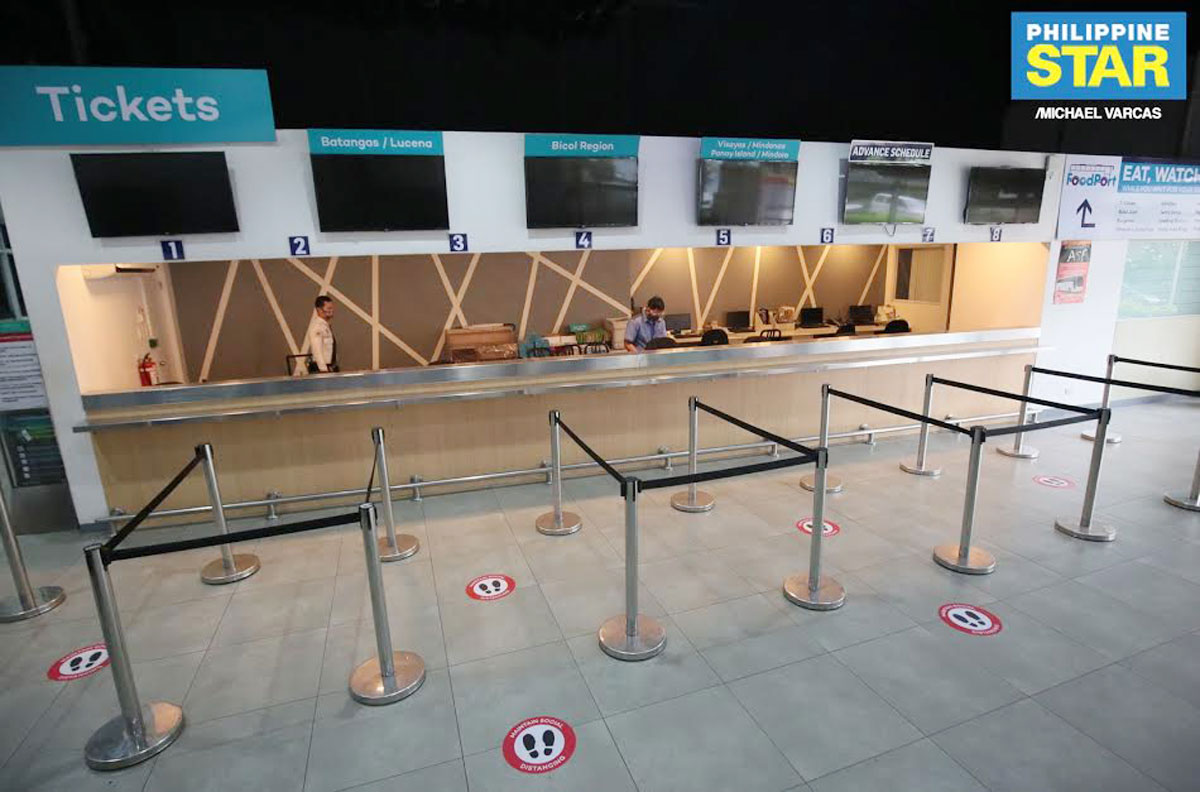
The new protocols also require passengers to secure their tickets two days before the trip, unless for an emergency.
All provincial buses that will be allowed to operate may pick up and drop off passengers only at designated terminals in Metro Manila and the provinces.
Operators must ensure that drivers, conductors and dispatchers will undergo mandatory rapid antigen test every two weeks and are checked for fitness to work prior to dispatch.
There must be thermal scanners in all buses. The driver’s compartment must be sealed off from passengers.
All surfaces of the bus must be disinfected before and after each trip.
Yague said players in the 75-year-old provincial bus sector, despite a suspension of operations for nearly seven months, are optimistic that they will be able to get back on their feet and back on the road.
“Very positive ang operators. We are optimistic na itong sector na ito over the past 75 years, sariling sikap at mga survivor ito. Ang lahat ng crisis nadaanan at ngayon buhay pa. This is one crisis na mapagdadaanan, pero kailangan ng tulong sa gobyerno,” he stressed. – With Alexis Romero