



Plastic Barriers, Hygiene Ambassadors, Cashless And Contactless Payments In Food Establishments Amid COVID-19
Dining establishments have made the necessary adjustments in accordance with the guidelines released by the Department of Trade and Industry, the latest of which was released on June 22.
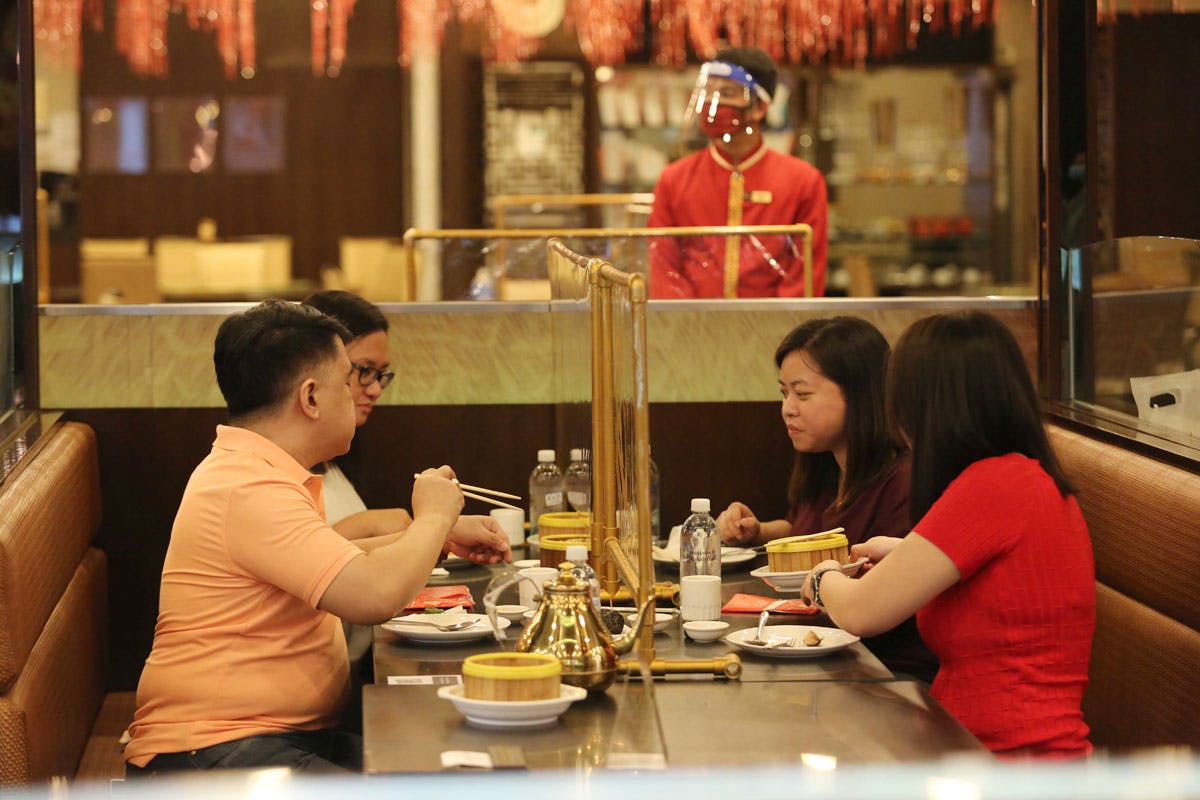
Dine-in services are allowed again in food establishments in areas under general community quarantine and modified GCQ (MGCQ), but Filipinos must continue observing health and safety protocols to contain the spread of coronavirus disease 2019 or COVID-19.
Since June 1, food establishments in areas under MGCQ have been allowed to operate at 50 percent capacity while those under GCQ opened at 30 percent capacity beginning June 15.
On Monday, June 22, the Inter-Agency Task Force for the Management of Emerging Infectious Diseases (IATF) released Resolution No. 48 stating that restaurants, cafes and bars could accommodate customers until 9 p.m.
Presidential spokesman Harry Roque said the IATF noted that curfew hours had been adjusted by several local government units (LGUs) as food establishments were allowed to reopen.
Curfew hours, previously from 8 p.m. to 5 a.m., have been amended to 10 p.m. to 5 a.m. by some LGUs to give diners more mealtime and workers a longer period to return home after their duty hours.
Dining establishments have made the necessary adjustments in accordance with the guidelines released by the Department of Trade and Industry (DTI), the latest of which was released on June 22.
Fast-food chain Mang Inasal, for instance, has set in place strict protocols to ensure a safe dining experience for customers.
In a statement, Mang Inasal said anyone who wants to enter the store must wear a face mask. Each customer’s temperature will be checked and only those below 37.5 degrees Centigrade and below will be allowed to enter. A footbath disinfection mat is placed at the entrance. Only a limited number of customers will be allowed inside the premises at any given time. Hand sanitizers are provided for customers at the entrance, counter table and wash area.
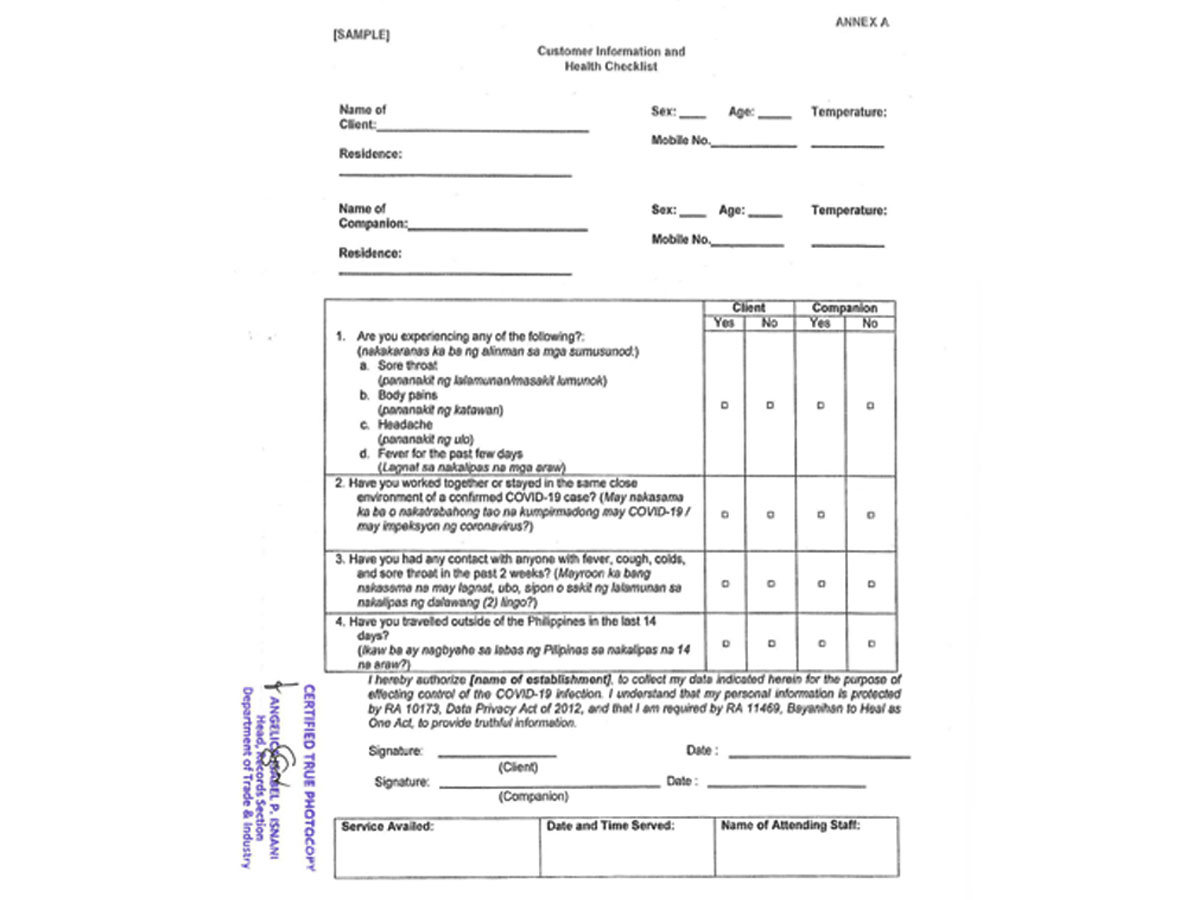
In keeping with the DTI guidelines, Mang Inasal also requests customers to fill out a health form before being allowed to enter its premises.
For in-store safety, physical distancing is closely monitored. Floor markers set a one-meter distance for counter queues. Contactless payment is enforced with the use of acrylic cash tray and acrylic barriers. Foot knobs are used as restroom doors. Regular disinfection of facilities and the sanitation of workers form part of Mang Inasal’s stringent safety protocols.
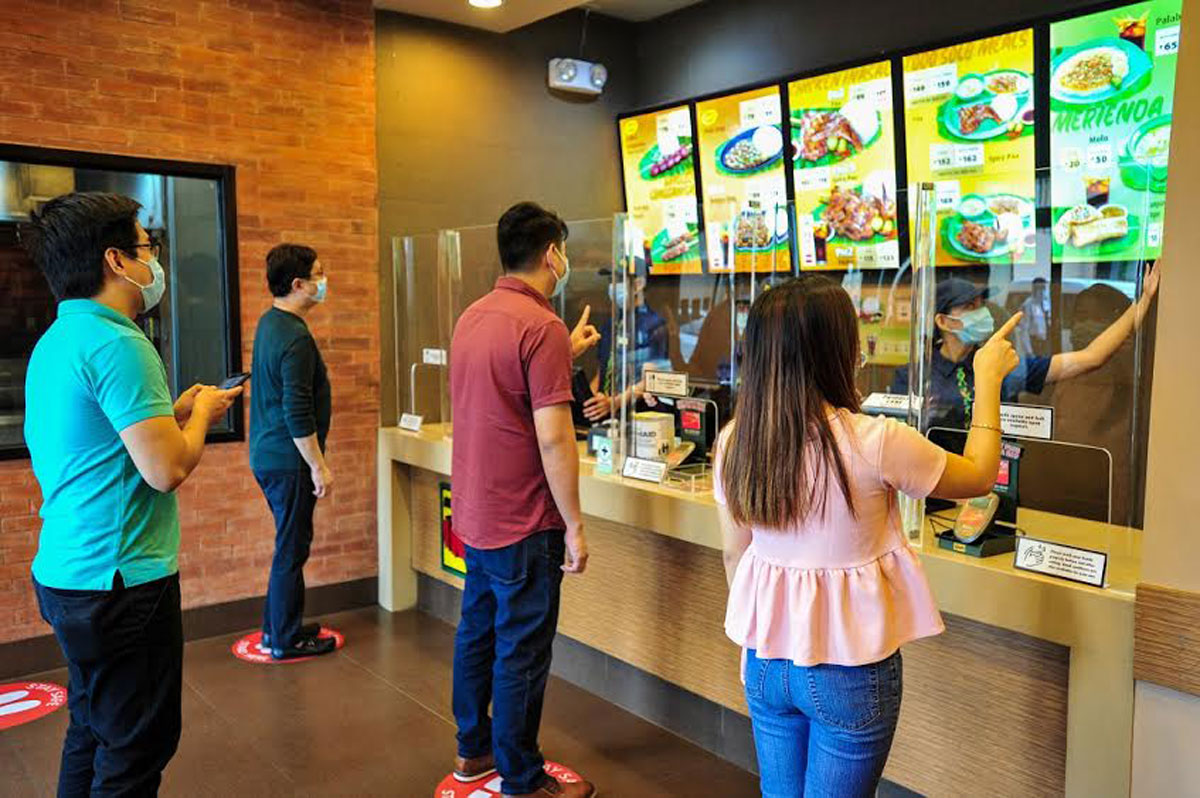
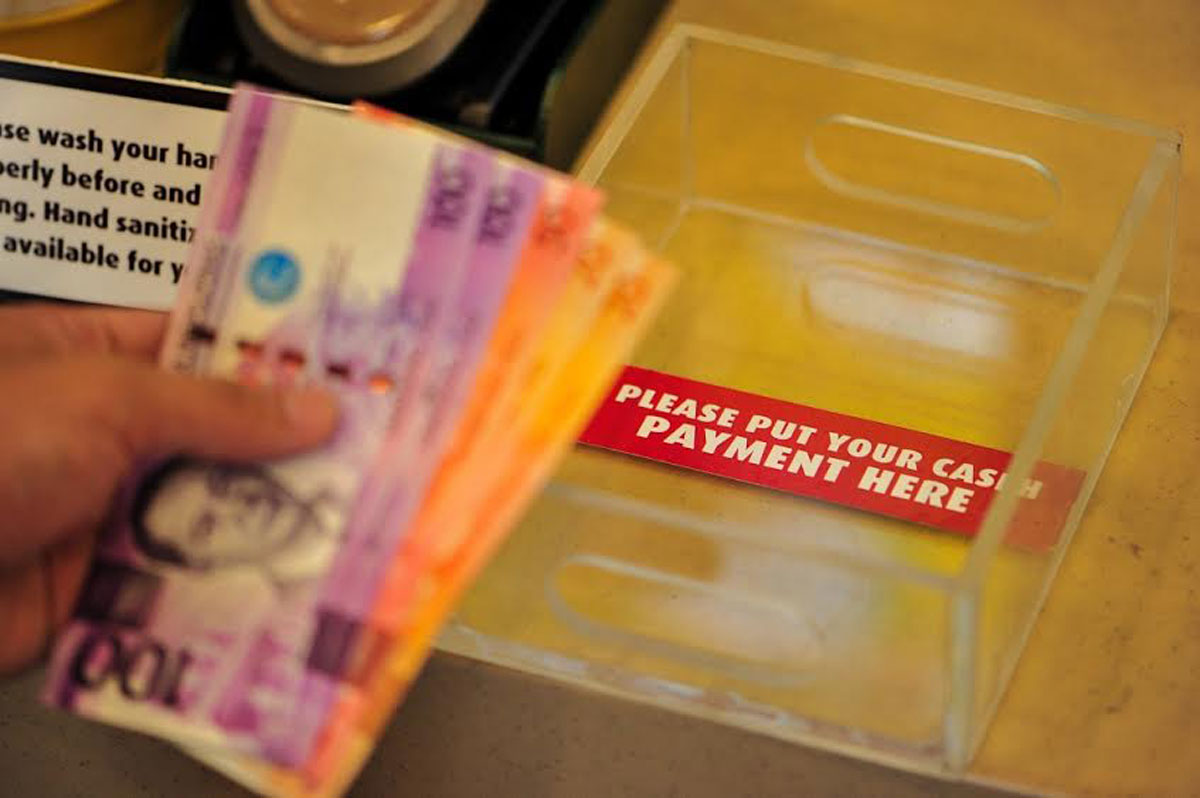
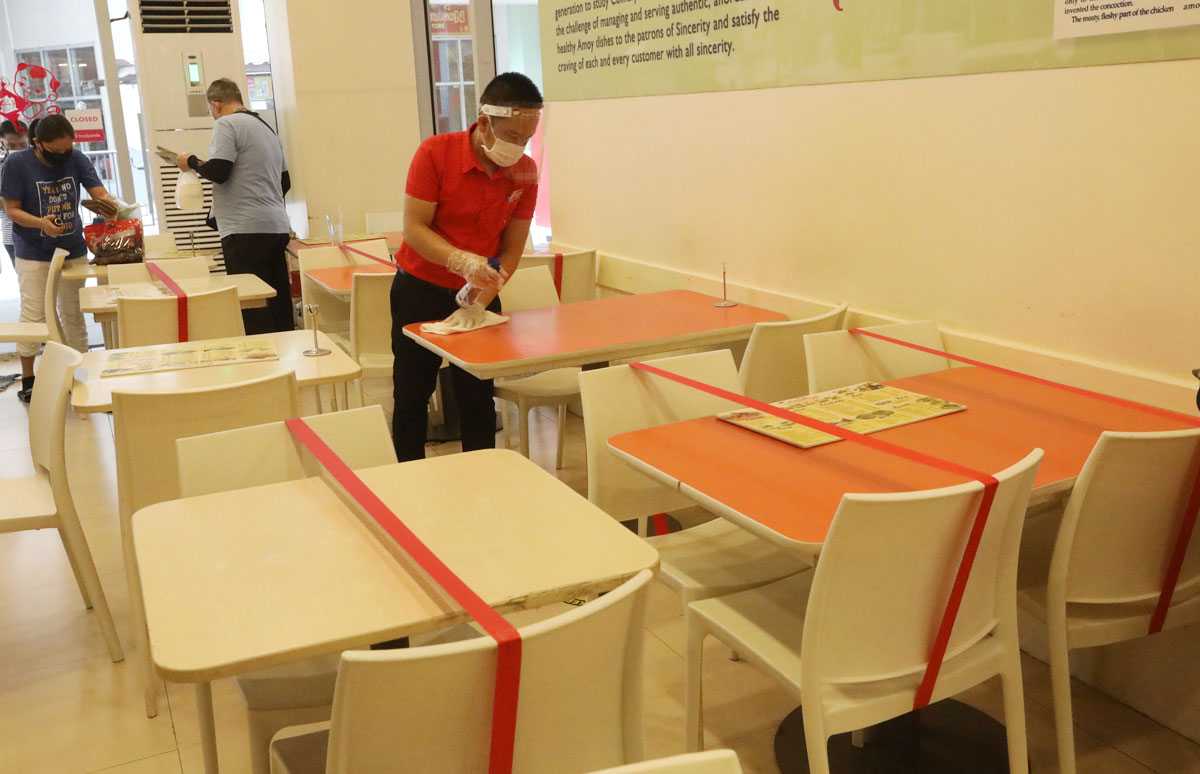
Dine-in customers are enjoined to be seated apart for physical distancing. One-meter table-to-table distance segregates diners while in selected Mang Inasal outlets, a table barrier is placed for face-to-face dining.
Employees sanitize the door and door handles every 30 minutes even as they pursue intensified cleaning and sanitation of fixtures and facilities. Similarly, heightened safety protocols for food preparation and handling – on top of existing procedures that are already thorough – are also being implemented.
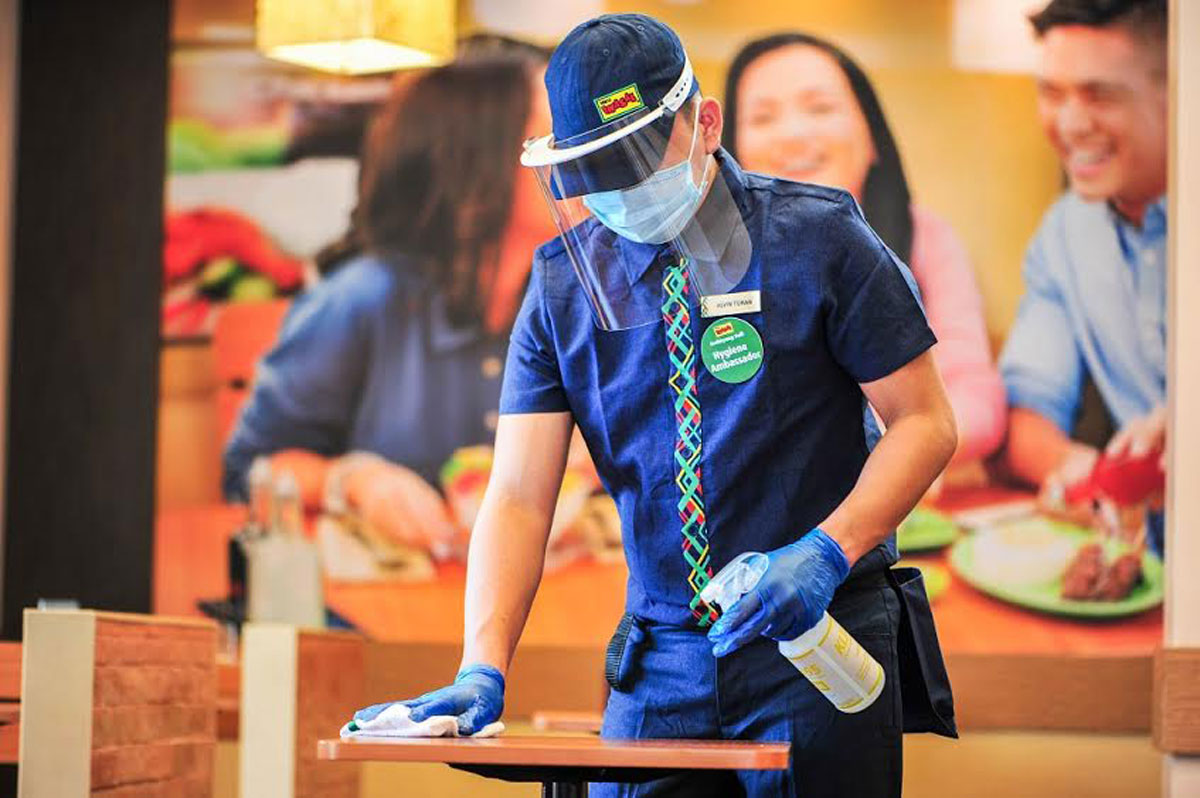
These include the crew wearing face mask, face shield, and gloves; hand washing and sanitation every hour and when necessary; and the appointment of a “hygiene ambassador” – a crew member wearing an identifying button pin and personal protective equipment, who goes around reminding crew and diners of the safety measures. The hygiene ambassador himself cleans and disinfects the tables after every use.
Even the serving of unlimited rice has been modified for safety purposes. Those who place unlimited rice orders will be automatically served two cups of rice. Should they ask for more rice, the crew in charge will provide extra wrapped rice. Meanwhile, pre-portioned condiments are served together with the ordered meal.
“As we work toward the gradual return of in-store dining, we make sure to put our stakeholders at ease by placing their welfare as our top priority. In instituting all these precautions, we kept in mind our customers’ needs and concerns so that they can enjoy the Mang Inasal experience once again – safely and comfortably,” business unit head Jojo Subido said.
As of Wednesday, June 24, over 80 percent of Mang Inasal outlets around the country were open for dine-in.
Earlier, fast-food giant Jollibee also said it intensified the implementation of safety measures and sanitation protocols for its employees and customers.
All store team members are required to have their temperature checked prior to entry. While at work, employees are mandated to wear full protective gear, observe physical distancing, and practice regular hand washing and sanitation. The entire premises – including store fixtures and utensils – undergo intensive cleaning and sanitation before, during and after business operations. Team members are given vitamin supplements to boost their immune system. They are provided telemedicine support to immediately attend to their health needs.
Door handles and other store fixtures and surfaces are disinfected every 30 minutes. For stores with self-order kiosks, they make sure that these SOKs are sanitized before and after use. Stringent safety protocols are in place for food preparation and handling.
Jollibee has installed counter guards at the main counter as an additional safety precaution for customers and cashiers during order taking. Table guards may also be assigned as an additional safety measure for dine-in customers. Jollibee has placed markers across its entire store layout – from floors to tables and seats so customers are consistently guided to maintain physical distancing of at least one meter when queuing and two meters for dine-in.
Like Mang Inasal, Jollibee also has hygiene ambassadors in every outlet. They take the lead and oversee the strict implementation of safety precautions, such as wearing of safety gear, physical distancing, no-touch and cashless transactions, and intensified cleaning and sanitation.
Jollibee has also dedicated a priority lane for frontliners, giving medical and healthcare workers, police and military personnel, and other people involved in providing necessities and essential services preferential access when ordering.
“We pride ourselves with our high standards of quality, safety and cleanliness. And now as we transition to a new normal, we further intensified our safety protocols to ensure that the safety and welfare of both our employees and customers will continue to be prioritized. As we strive to bring joy through our food during this challenging time, rest assured that we will take care of our customers and people in the best possible way,” Ferns Yu, Jollibee Philippines president, said.

The following are the guidelines released by the DTI under Memorandum Circular 20-37 dated June 22:
• Implementation of contact tracing measures
– The establishment shall ensure that the following information of personnel, suppliers and customers are collected either by registering with SafePass or StaySafe.ph, or any health checklist form containing the information in the provided sample health checklist.
• Thermal scanning of all personnel, suppliers, customers prior to entry
– Persons with temperature higher than 37.5 degrees Centigrade shall not be allowed entry
• Customers, workers and suppliers exhibiting symptoms such as cold, cough and/or difficulty breathing will be politely declined entry
• No personnel with COVID-19 symptoms or with exposure to COVID-19 patients shall be allowed to report for work
• Alcohol, which can be easily sprayed on the hands of personnel, suppliers and customers prior to entry, shall be provided
• The “no face mask, no entry policy” shall be strictly enforced
– All personnel, suppliers and customers shall wear face mask
• Physical distancing measures in all parts of the establishment must be strictly observed, including at the cashier counter, beverage bar, kitchen and back areas
• Proper ventilation and exhaust system is required in the establishment, if the setting requires and if applicable
• Chairs shall be distanced by at least one meter on all sides
• Queuing area shall comply with the one-meter distance requirement on all sides
• For face-to-face seating, plastic barriers/dividers shall be provided, or chairs
shall be positioned diagonally to avoid face-to-face seating
• No self-service shall be allowed
• Buffet service shall be allowed only when food servers are provided, and all food trays are with food covers
• Restrooms must be properly sanitized and free from accumulation of trash
• Play areas shall be closed
The establishments are also enjoined to implement the following measures:
• Posting of the following information at the entrance and/or other prominent or conspicuous areas inside the restaurant or fast food premise:
– Health declaration forms or registration to SafePass app or StaySafe.ph
– No mask, no entry policy
– Social distancing protocols
– Maximum number of allowable persons
– Sanitation schedule and procedures
– Alternative methods of payment
– No customer-personnel contact protocols
– Administration of protocols, including the right to refuse service to customers who fail or refuse to comply
• Provision of food menus per table, preferably single-use or QR code-based menus
• Implementation of contactless order-taking
• Covering furniture of porous materials with plastic for easy sanitation
• Ensuring proper health and safety of all personnel at all times, as follows:
– No wearing of jewelry (such as rings, bracelets, watches, earrings)
– Wearing of closed shoes
– Observance of proper personal hygiene (such as clipped fingernails, observance of company-imposed personal sanitation)
– Washing of hands at least once every hour or after every encounter with
guests
• Proper disposal of disposable equipment, utensils and plates
• Observance and enforcement of the customer-personnel contact protocols
• Implementation of no-physical contact policy during payment. The establishment may provide small trays for payments
• Designation of a manager-on-duty or any personnel to oversee compliance with the memorandum circular
Delivery and take-away protocols
The establishments offering delivery and take-away services are likewise enjoined to implement the following measures:
• Allow taking of orders through phone calls, email or any online mode
• Implementation of staggered delivery hours for drivers to prevent crowding at dispatching areas
• Designate properly marked pick-up areas outside the establishment
• Devise innovative procedures in lieu of in-person delivery confirmation
• Ensure proper sanitation of vehicles and compliance by driver and personnel with safety, hygiene and sanitation protocols
Owners of the establishments must follow the guidelines or face sanctions, including closure. “Reopening shall be allowed only upon compliance to the prescribed minimum health protocols,” the DTI said.


