Pinoy Tourists Can’t Travel To South Korea Due To COVID-19; WHO Says No Pandemic Yet
The government decided to impose travel restrictions on South Korea for the health and safety of Filipinos as the coronavirus disease 2019 or COVID-19 continues to spread. But the World Health Organization is not yet declaring a pandemic.
Filipino tourists are barred from visiting any part of South Korea as a precautionary measure against the coronavirus disease 2019 (COVID-19), the government announced yesterday as the virus continued to spread worldwide.
The World Health Organization (WHO) has not yet declared a pandemic, saying the decision to do so is based on an ongoing assessment of the geographical spread of the virus, the severity of the disease it causes and the impact on society.
But due to the soaring cases of COVID-19 in South Korea, the Inter-Agency Task Force for Emerging Infectious Diseases (IATF) has banned travelers from that country’s North Gyeongsang province from entering the Philippines.
The move came a day after the Department of Health (DOH) told Filipinos to hold off plans to visit Daegu City and Cheongdo county, both in North Gyeongsang, where a COVID-19 outbreak has left hundreds ill.
Virus fears have gripped even the Middle East, with Iranian authorities reporting on Tuesday, Feb. 25, that the deputy health minister who headed its task force on COVID-19, and who had urged the public not to overreact about its spread, had tested positive for the illness himself.
The Associated Press reported that only a day earlier, a coughing and heavily sweating Iraj Harirchi had said at a televised news conference in Tehran that “the situation is almost stable in the country.”
As of Tuesday, the Centers for Disease Control and Prevention (CDC) reported that COVID-19 has infected people from 39 countries — China (including Hong Kong, Macau, Taiwan),Afghanistan, Algeria, Australia, Austria, Bahrain, Belgium, Brazil, Cambodia, Canada, Croatia, Egypt, Finland, France, Germany, India, Iran, Iraq, Israel, Italy, Japan, Kuwait, Lebanon, Malaysia, Nepal, Oman, Philippines, Russia, Sri Lanka, Singapore, Spain, Sweden, Switzerland, Thailand, South Korea, United Arab Emirates, United Kingdom, United States and Vietnam.
Meanwhile, 21 more Filipinos onboard the Diamond Princess cruise ship tested positive for COVID-19, the DOH said, bringing to at least 80 the number of those left behind in Japan for quarantine.
According to DOH Secretary Francisco Duque III, these Filipinos were not able to join the repatriation team and the other Filipinos who arrived on Tuesday as they were infected with COVID-19.
There are no new confirmed cases in the Philippines.
Asked about the global situation on Monday, WHO Director General Tedros Adhanom Ghebreyesus told journalists in Geneva that “for the moment, we are not witnessing the uncontained global spread of this virus, and we are not witnessing large-scale severe disease or death.”
Instead, coronavirus epidemics are occurring in different parts of the world, which are affecting countries differently, he said.
“Does this virus have pandemic potential? Absolutely, it has. Are we there yet? From our assessment, not yet,” the WHO chief declared.
As per the WHO’s records, there are currently 79,331 confirmed cases globally, 77,262 of which are in China. The death toll stands at 2,595.
The Johns Hopkins Center for Systems Science and Engineering’s online dashboard to track COVID-19 cases showed 81,128 confirmed cases worldwide with 2,765 deaths.
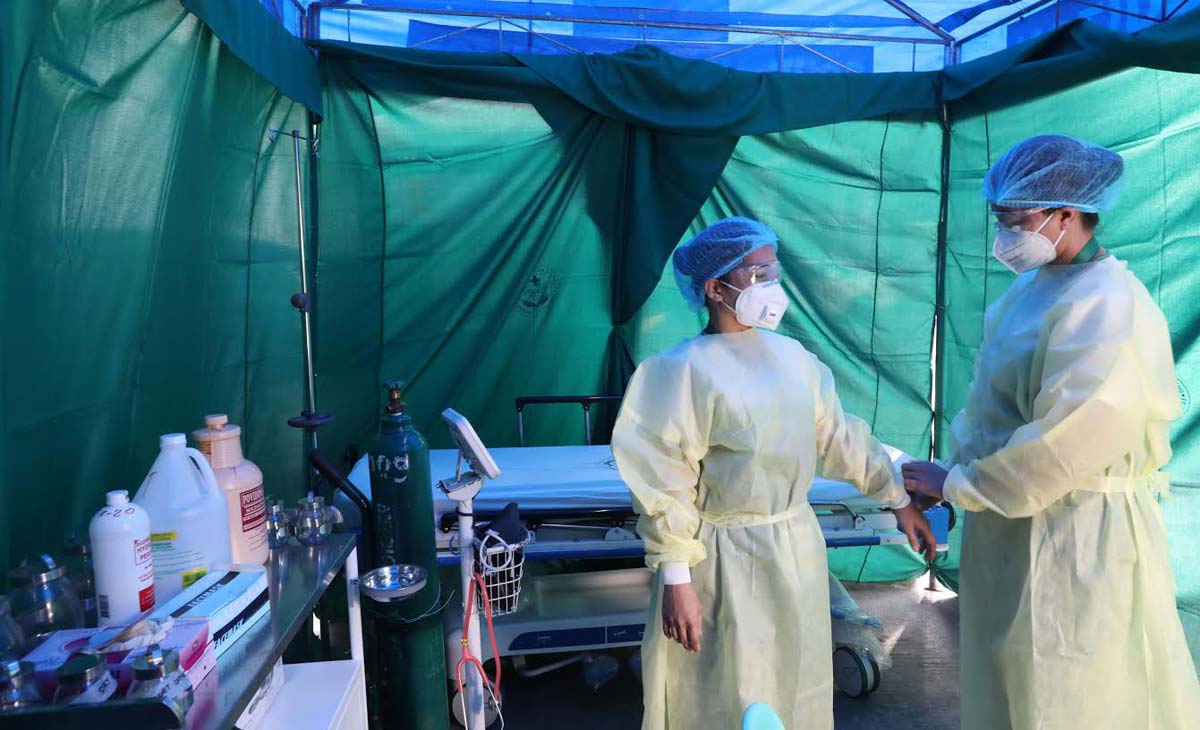
South Korea partial travel ban
The Philippines’ travel restrictions on South Korea followed similar moves by other countries after Seoul recorded more than a thousand COVID-19 cases, a large majority of which were in North Gyeongsang, and 11 deaths.
“The Inter-agency Task Force on Emerging Infectious Diseases met (Feb. 26) and it has approved... a ban on the entry of travelers coming from the North Gyeongsang province of South Korea into Philippine territory effective immediately,” presidential Spokesman Salvador Panelo said in a press briefing at Malacañang yesterday.
Panelo said travelers from other areas of South Korea are allowed to enter the Philippines, but Filipino tourists are prohibited from visiting any part of the East Asian country. Permanent residents, those leaving for study and overseas Filipino workers are permitted to travel to South Korea, but they should sign a declaration stating that they know and understand the risks involved in their trip.
Duque, for his part, said, “Filipinos and their foreign spouses or children, and holders of permanent resident and diplomatic visas will be allowed entry subject to existing screening and quarantine protocols.”
“With respect to other parts of South Korea, the IATF shall conduct a risk assessment of the situation within 48 hours to analyze whether it is necessary to expand the travel ban,” Panelo said.
Philippine authorities are expected to coordinate with the South Korean government to identify travelers from North Gyeongsang. Panelo said visitors from other parts of South Korea would be subjected to strict protocols.
“The safety and security of Filipinos here and outside the Philippines remain our primary concern. Our countrymen’s welfare is foremost in our minds as concerned officials discuss updates and recommendations on the management of the coronavirus,” he added.
South Korea is the biggest source of tourists for the Philippines, with about 1.45 million South Koreans visiting the country in the first nine months of 2019. In 2018, the number of tourists from South Korea reached 1.6 million or 22.8 percent of the total arrivals that year.
Panelo conceded that the travel ban would affect Philippine tourism, “but as we always say, we have to secure the safety of those coming here and leaving this country for Korea.”
Earlier, the Philippines prohibited travel to and from China and its administrative regions Macau and Hong Kong to contain the spread of the disease. Taiwan was included in the ban, ostensibly because of Manila’s One-China policy, but this was quickly lifted amid complaints by hundreds of OFWs stranded in the Philippines as well as protests by Taipei, which insists on its independence from China.
According to Cabinet Secretary Karlo Nograles, Filipinos can travel to other parts of South Korea, “granting that they can get some sort of certification that within the last 14 days before they travel to the Philippines, they did not go to North Gyeongsang.”
He said the South Korean government had given assurance that it could contain the outbreaks of COVID-19 in Daegu City and Cheongdo county, but the Philippine government decided to expand the ban to the entire province of North Gyeongsan.
“Because (cases are) highly concentrated there… the task force felt that we can impose the temporary travel ban in those areas subject to 48 hours’ thorough assessment and reassessment,” he said.
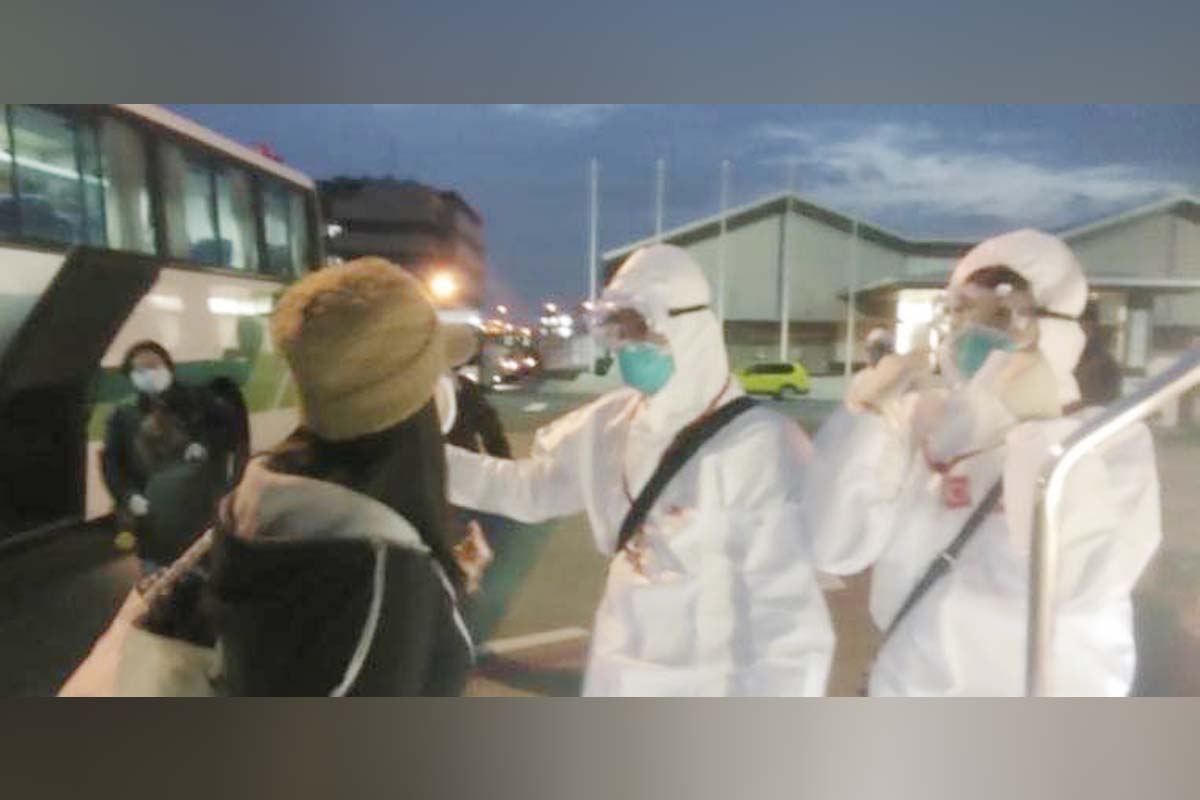
Repatriation of Filipinos
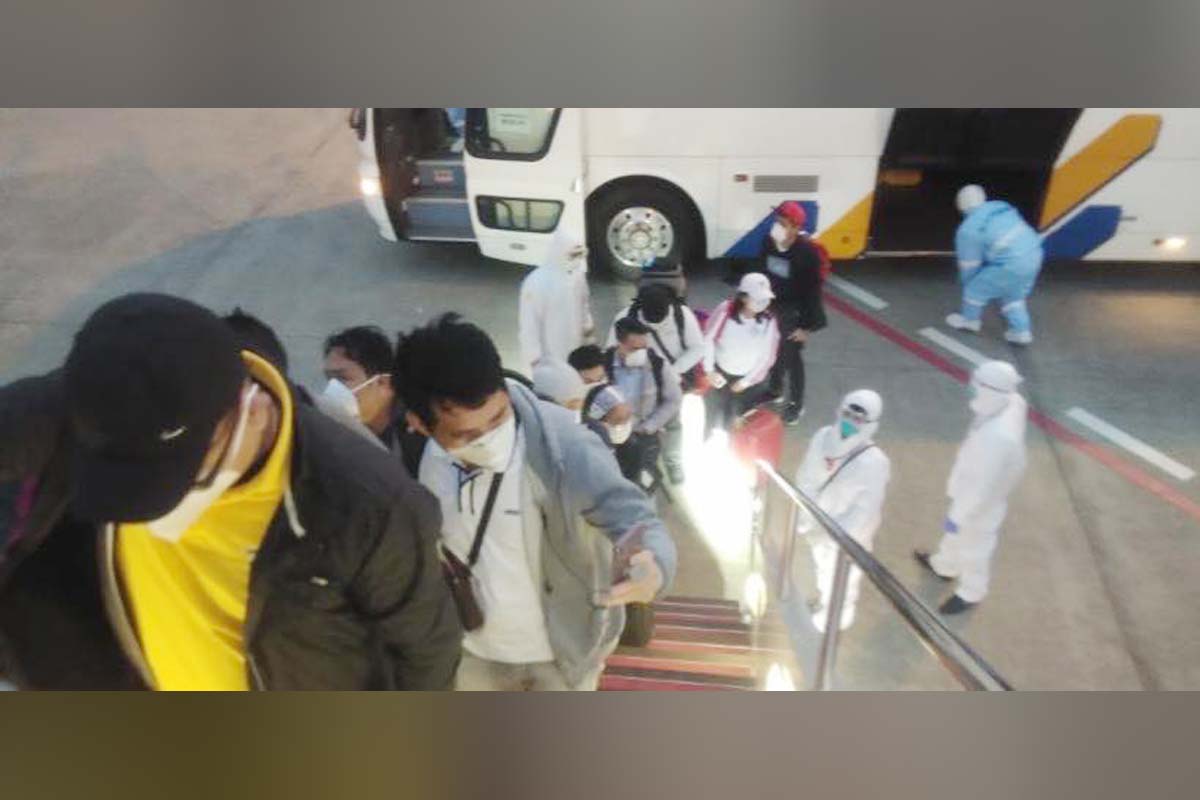
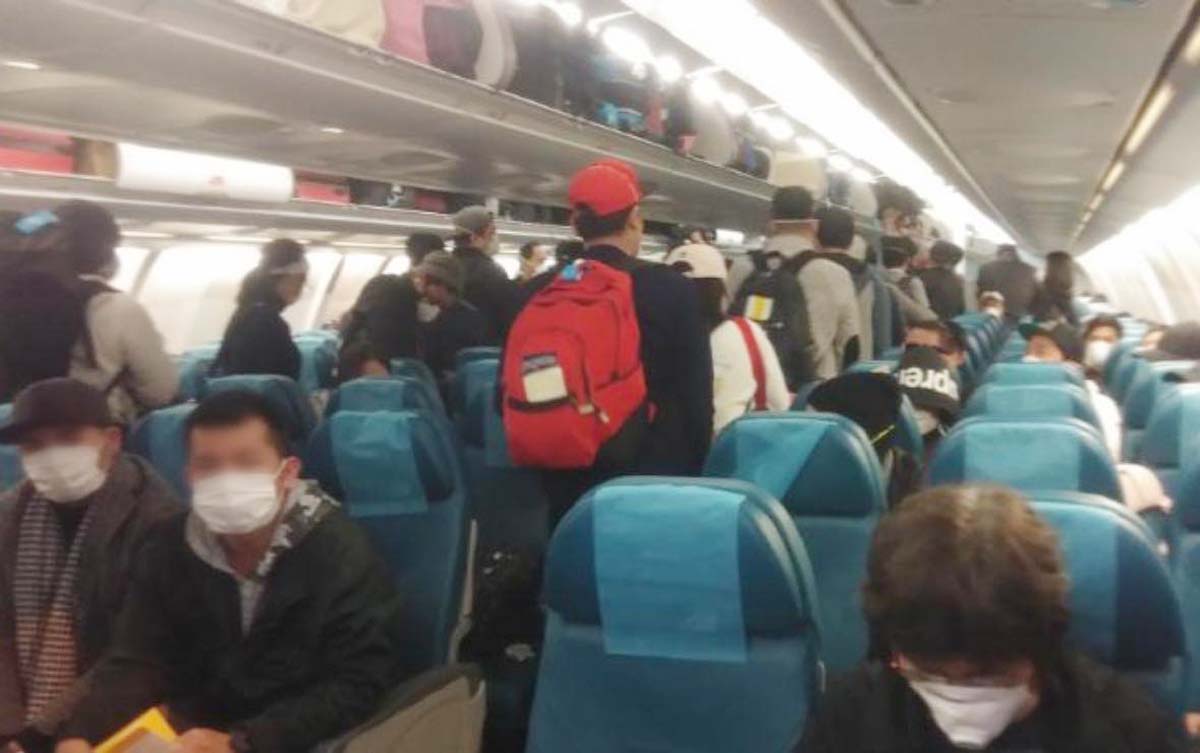
According to Duque, none of the 445 Filipinos from the cruise ship Diamond Princess who were repatriated last Sunday from Japan were manifesting symptoms of COVID-19. Still, everyone on the vessel was quarantined because some of those on the ship had tested positive for the virus in Japan.
DOH Assistant Secretary Rosario Vergeire said the Filipinos, including 440 ship crew and five passengers, are currently under quarantine at New Clark City in Capas, Tarlac.
She said the 13 personnel from the DOH and Department of Foreign Affairs who were part of the repatriation team were also put in isolation at the facility.
Duque assured the public that the DOH is prepared in case any of those quarantined would test positive for the virus.
“As observed in other countries, there is still a possibility that our nationals may eventually test positive upon their return. We have prepared and equipped our hospitals and laboratory facilities, and allocated all necessary resources and PPEs should this happen,” Duque said.
The DOH has identified 21 of its hospitals that can accept repatriates who will develop symptoms.