


Life Savers, Health Advocates Ask Gov’ts To Address Drowning As A Public Health Concern
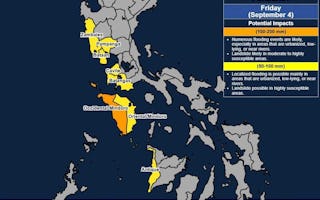
Drowning is a recurring issue in the Philippines due to the population’s proximity to bodies of water and exposure to risks of coastal flooding, tides, rainfall and typhoons, placing the country high on the list of countries vulnerable to drowning.
Drowning, while not considered a disease nor a condition, is a silent and serious public health issue that is neglected by governments and communities worldwide that experience thousands of deaths by drowning every year.
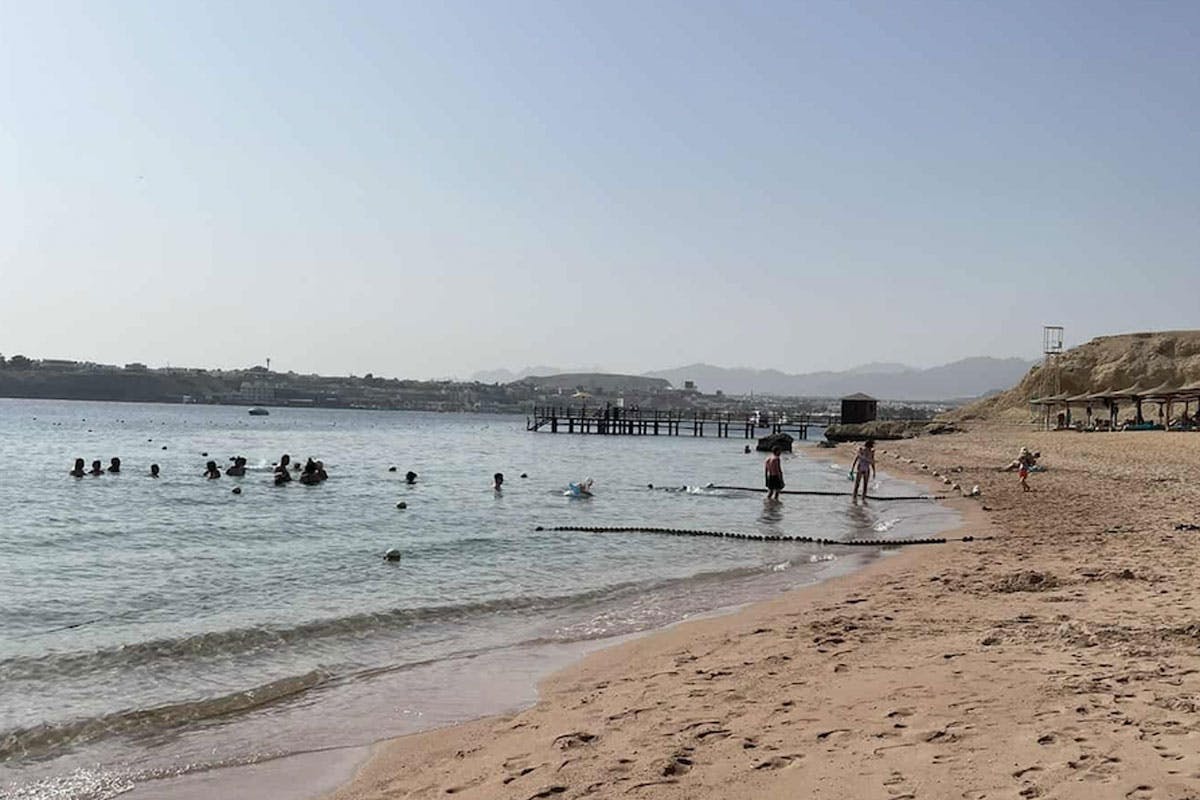
A global effort to address drowning happened with the mixed gathering of over 600 swimming enthusiasts, sports buffs, health and climate experts, life savers, emergency responders, maritime rescuers and medical professionals from 50 countries who concluded the three-day World Conference on Drowning Prevention (WCDP) 2025 on Nov. 23 in Sharm el Shiekh, Egypt.
The conference discussed global and local unifying ideas to address drowning, and also officially launched the first-ever Global Strategy for Drowning Prevention that aspires to reduce drownings and improve water safety around the world.
“Drowning occurs anywhere you find water. It affects children playing and people pursuing their livelihoods and moving to places,” said Dr. David Meddings, medical officer of the World Health Organization (WHO) Department for Management of NCDs, Disability, Violence and Injury Prevention, as he enjoined delegates to sustain the momentum of expanding drowning awareness and prevention efforts.
Also citing the first-ever WHO Global status report on drowning prevention 2024, Meddings said there are 300,000 annual drowning deaths worldwide, with children aged five and under accounting for 25 percent of all drowning deaths.
It is the fourth leading cause of child deaths in ages one to four and the third leading cause of death in children aged five to 14. Ninety percent of drowning deaths occur in low and middle-income countries.
With eight biennial conferences beginning in 1997, the WCDP 2025 was organized by the International Life Saving Federation that has over 100 aquatic lifesaving organizations in 130 countries, and co-organized by the Egyptian Diving and Lifesaving Federation (EDLF), which is responsible for promoting and regulating lifesaving activities and the development of diving and lifesaving practices in Egypt.
The WHO co-sponsored the event, with partners such as the Egyptian Ministry of Youth and Sports and Bloomberg Philanthropies, a US-based organization that focuses on health, education and governance.
‘Anyone can drown; no one should’
Prior to the conference, the Bloomberg-supported Global Health Advocacy Incubator (GHAI) conducted a workshop for journalists from Vietnam, Bangladesh, Philippines, US, Egypt, Tanzania and Uganda to understand the global burden of drowning.
Jennifer Patterson, GHAI associate vice president for communications, said, “Media’s understanding of this issue both in the context of their countries and globally can help increase awareness and action and influence policy in their countries.”
She shared that GHAI has a Toolkit for Journalists on Drowning Prevention that was co-created with an advisory group of journalists and other media professionals from Bangladesh, Ghana, India and Uganda through working zoom sessions in 2023 and in 2024, including two previous global workshops for journalists.
Bangladesh and Vietnam are two of the countries noted by WHO as having high drowning rates and challenged by public health problems, along with India, Cambodia, China, Thailand and the Philippines.
Bloomberg Philanthropies has started working with Bangladesh and Vietnam by supporting their governments who sustained programs on funding and operating childcare services for Bangladesh, resulting in child protection and supervision and preventing drowning. For its part, Vietnam developed a curriculum that includes swim instruction for children.
More countries are expected to benefit from this global movement, led by the Global Alliance for Drowning Prevention that is a United Nations and WHO network and with other organizations aiming to fast-track country-level awareness, prevention and life-saving programs.
With this aim, the WHO believes that “anyone can drown (but) no one should,” as it vowed to lessen drowning to 35 percent by 2035.
The WHO says drowning is the process of respiratory impairment from submersion or immersion in water. Death occurs after the lungs take in water and become heavy, and oxygen stops being delivered to the heart. Without the supply of oxygen, the body shuts down. The average person can hold their breath for around 30 seconds, for children, the length is shorter.
A promising setup in the Philippines
Dr. Meddings, who has been in the Philippines a few times especially after super typhoon Haiyan in 2013, said he noticed that the major cause of drowning among children in the rural areas is the presence of open wells where children fall into and drown.
He mentioned projects they funded that focused on establishing child care centers in a number of barangays to provide supervision and protection to children while at play or while their parents are at work.
“We saw that the child care centers were effective in drowning prevention and we hoped they sustained the programs,” said Meddings.
He was saddened, however, at how some barangays focused on funding infrastructure improvement but failed to see the need to improve and strengthen the fragile bridges used by children, endangering them near bodies of water when they go to school.
But in many remote rural areas, he said the power of the leadership of the barangay or village, the country’s smallest unit of government, offers hopeful strategies on such programs as drowning prevention.
“The barangay structure is strong and well-functioning in the Philippines. If handled with honesty and service to the people, the neglected health programs and policies such as drowning awareness and prevention could start there,” he said.
Drowning is a recurring issue in the Philippines due to the population’s close proximity to bodies of water and exposure to risks of coastal flooding, tides, rainfall and typhoons, placing the country high on the list of countries vulnerable to drowning.
In 2022, the Philippines Statistics Authority reported 3,576 drowning deaths, estimating between 3,000 and 4,000 Filipinos annual deaths from drowning every year.
While there has yet to be a single policy dedicated to drowning prevention, the government activates its line agencies responsible for risk reduction in times of disasters and in ensuring public safety near bodies of water.