



Give Us A Battle Plan, Duterte Told As He Delivers SONA Today; COVID-19 Changes Ballgame, Puts President Under Pressure
In his past State of the Nation Addresses, President Duterte pushed for the death penalty and other measures that the country could afford not to have. This time, lawmakers want a clear plan on how to recover from the COVID-19 crisis and move forward
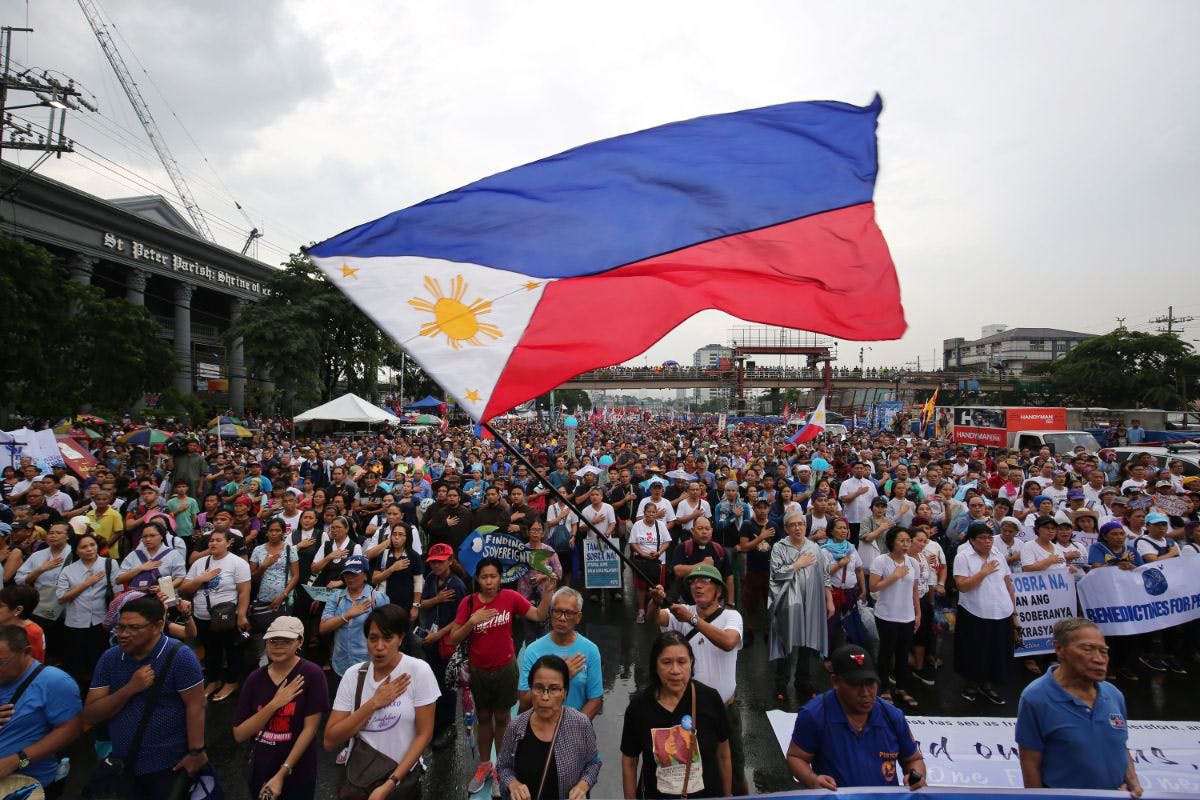
What’s the plan?
Senators sang the same tune ahead of President Duterte’s penultimate State of the Nation Address today, July 27, as the country reels from the coronavirus disease 2019 (COVID-19) pandemic.
Over the weekend, the senators pointed out that there must be a clear and comprehensive plan from the President and how this would be carried out so the country would not be paralyzed by the COVID-19 crisis.
Malacañang officials have said that Duterte would indeed focus on issues related to COVID-19 even as his administration is also facing criticism for the passage of the Anti-Terrorism Act and attacks on the media, particularly with the closure of ABS-CBN Corp. and other issues.
His controversial drug war also had to take a back seat as the police and military focused on curbing COVID-19 transmission.
In 2019, Duterte pushed for the death penalty and other bills that lawmakers did not act on. He also did not mention Charter change among his priorities although there are groups still pushing for it. This time, lawmakers are saying they are ready to help him with the measures needed to cope with the COVID-19 crisis as long as the directions are carefully laid out.
Read more: Death For Heinous Drug Offenses, Plunder
SONA 2019: No Cha-cha Order From Duterte, But A Number Of Priority Bills
Congress passed Republic Act No. 11469 or the “Bayanihan to Heal as One Act” during a special session in March despite warnings that the government might abuse its special powers amid the pandemic.
As the Office of the President submitted its reports to Congress on what the government had done to address the public health crisis brought about by COVID-19, several senators pointed out the lack of a detailed contingency plan expected under the circumstances.
Don’t be in denial
Opposition Sen. Risa Hontiveros said on Sunday, July 26, that there should be no threats or denials of blunders in handling the COVID-19 crisis.
She stressed that a roadmap is important, especially since the economy has been badly hit by the pandemic that has caused job losses among Filipinos both here and abroad.
Because of lockdown measures since March that limited business activity, the Philippine economy contracted by 0.2 percent in the first quarter, the first since the fourth quarter of 1998, when the country grappled with the El Niño phenomenon and the Asian financial crisis.
Officials have also predicted an economic slump in the second quarter, a scenario that will bring the economy in a recession or two consecutive quarters of gross domestic product contraction.
The Palace previously said the President would unveil a COVID-19 recovery map, which contains measures designed to spur economic activity while preventing the further spread of the virus.
One of the recovery measures being eyed is the “Bayanihan to Recover as One Act 2” – an extension of the law that granted Duterte emergency powers to respond to the pandemic in March.
According to Hontiveros, the government “should own up to past mistakes in handling the pandemic” and not give people the runaround.
“The people will no longer be duped by gimmicks, theatrics or threats,” Hontiveros said.
Read more: Where’s The National Strategic Plan? Duterte’s Shoot To Kill Order Shot Down
Critics have scored punitive measures to contain COVID-19 transmission, such as arresting quarantine violators and putting them in congested detention facilities while those in positions of power were allowed to get away with their offenses.
Many statements of public officials also blamed the people for the rise in COVID-19 cases, even as it was pointed out that many had to get out of their houses or they would have nothing to eat.
Hontiveros said each Filipino affected by the pandemic has a “story, has a family, and loved ones.”
“They’re not just statistics,” she stressed.
Sen. Nancy Binay also pressed Duterte to focus on the government’s “realistic action plans” on what would be done in the coming months to address the impact of the pandemic on public health and the economy.
“At this critical moment, the people are already drained of listening to reports on what was done in the past seven months. What the people want to hear from the President are those that need to be done more in the next five to 12 months… and show to the nation a clear step-by-step roadmap out of the pandemic,” Binay said in a statement.
She assured the public that the Senate is ready and willing to support the government’s plans to jumpstart the economy, find ways to utilize resources judiciously, and strengthen public health.
Opposition senators have also vowed to work with the administration in ensuring that the country will be able to weather the COVID crisis.
Binay said senators have agreed to prioritize the proposed Bayanihan 2, which is ready for approval on third and final reading upon the resumption of Congress today, July 27.
Battle plan
For his part, Senate President Pro Tempore Ralph Recto said he hoped to listen to a “granular SONA to include a one-month battle plan to stop the pandemic from reaching the tipping point.”
He emphasized that what Filipinos want to hear is a to-do list in a wartime SONA that will spell out the battle plan against the pandemic.
“This is the flatten-the-curve plan that will stabilize and reverse the spike in cases, and improve all the important numbers in our economic report card,” Recto said.
“One big push this August, so when the ‘ber’ months come, the pandemic, although still with us, is managed and contained. I call it the Jose Mari Chan deadline. Before he becomes trending, the country should be out of the ICU. Not total victory, but a tactical stabilization plan,” he said, referring to the singer-songwriter whose Christmas songs are widely popular.
Sen. Sonny Angara wants the SONA to tell the people what can be expected for the rest of the year and 2021.
“As we open up from various stages of quarantine, I would like to hear more on the new normal or next normal in terms of our children’s education since we have over 20 million of our children in schools,” Angara also said in a statement.
The Department of Education (DepEd) has set the opening of classes through blended learning on Aug. 24. There will be limited face-to-face classes in areas deemed as low risk for COVID-19 and in schools that are able to meet the minimum health standards.
For these limited in-school classes, Angara said the DepEd should proceed with extreme caution because based on the experiences of countries such as China and France, which opened their schools too soon, “there was a second wave” and the schools became super spreaders of the virus.
Angara aired his support for distance or hybrid types of learning, but said the government must do its part to ensure that the entire student population has access to all the digital tools needed and that reliable internet access is available in all areas of the country.
On the health front, Angara said he wanted to hear the President’s plans on how to improve on what is already being done by the Department of Health and other relevant agencies.
“I would also like to hear if we have improved (or plan to improve) our health systems to have better testing, contact tracing and quarantine facilities nationwide,” Angara said.
Angara, who tested positive for COVID-19 but has recovered, noted that testing for COVID-19 has already shown improvements, but a lot more needed to be done in terms of contact tracing.
“I think it is something we don’t do very well yet – to trace and to limit the spread of COVID. This should all be done in real time so that government is able to react faster. They can contact certain people and make sure they are isolated in quarantine,” he said.
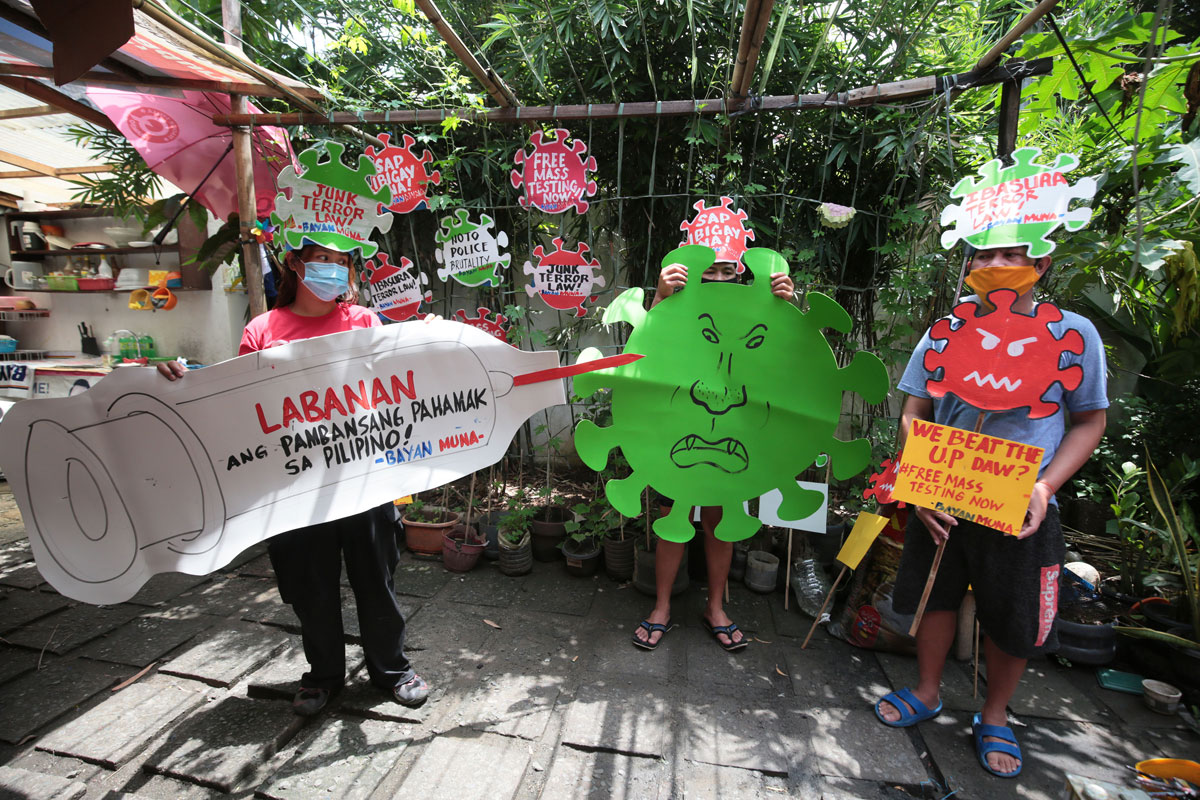
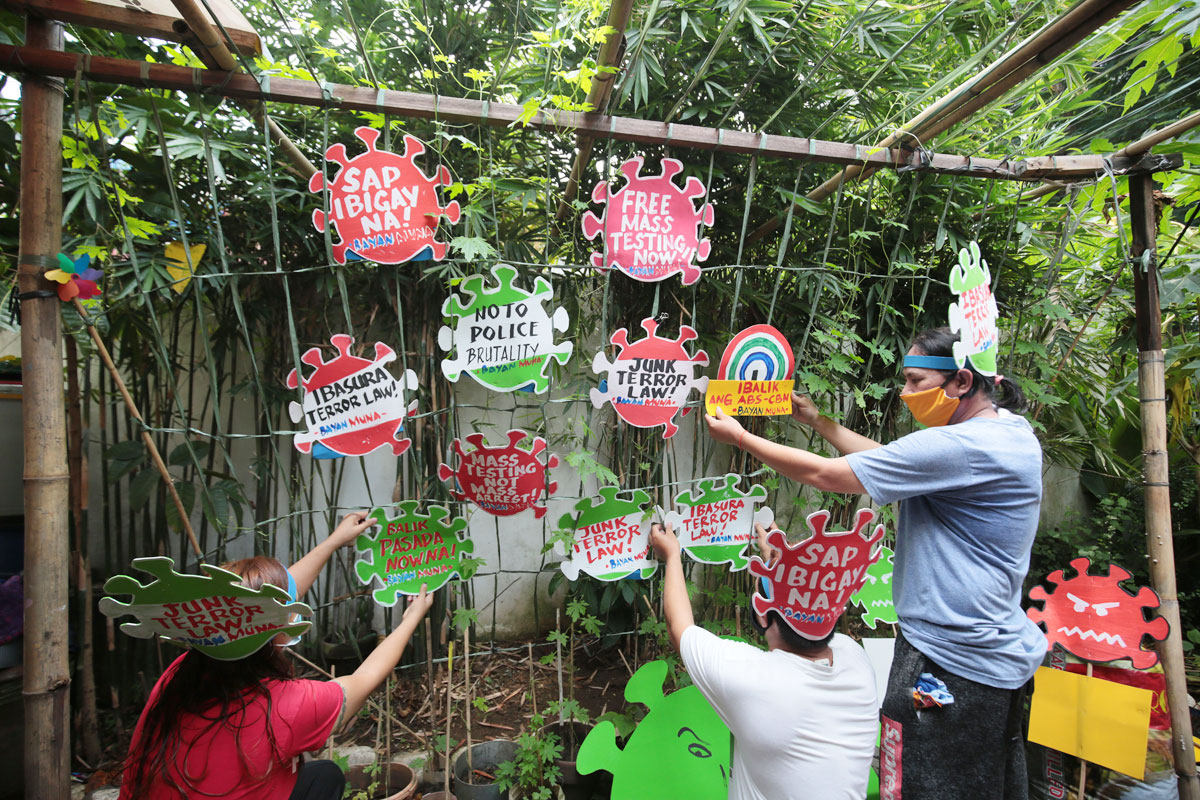
With regard to labor, Angara said there should be a concrete plan on how to save jobs amid the impact of the pandemic on businesses.
“I want to hear how government can help those in the informal sector, employees of badly affected businesses and in poorer areas/regions. Bold steps would go a long way in restoring hope and optimism going forward,” Angara added.
He also said Duterte must go into specifics as the country enters uncharted territory, including in the education and health sectors where government assistance is badly needed.
“Here in the Senate, in the media, even in our relationships, (things) used to be personal. Now it’s online. Can our internet infrastructure cope with this? What’s the plan of the government?” Angara asked.
He expressed belief that the survival and recovery of the economy would rely heavily on the country’s information and communications technology infrastructure.
Angara said the President must “rally the troops” and give people hope.
As chairman of the committee on finance, Angara said Bayanihan 2 would provide the President the flexibility to realign funds in the budgets of different agencies for the government’s COVID-19 response.
While the first phase of the law focused on immediate responses to COVID-19, the second phase will zero in on reopening the economy and providing employment and aid to hard-hit industries such as transportation and tourism as well as to micro, small and medium enterprises, according to Malacañang.
Another recovery measure being considered is a stimulus package that will boost domestic demand, but details are still being finalized.
Presidential spokesman Harry Roque previously said the government could spend only up to P140 billion for the package, noting that state revenues have taken a hit due to the closure of many businesses.
Senate Majority Leader Juan Miguel Zubiri said that in this critical period, even plans for a vaccine for COVID-19 would have to be clear.
“It would be great to hear about the government’s procurement plans for it, and perhaps a timeline of when we should expect the vaccine to be made available to our hospitals and our people,” Zubiri said.
“Other countries are already working with and negotiating with vaccine developers and manufacturers for a quick and easy procurement process once they’re available. I hope we have plans to do the same. We can’t afford to get left behind,” he declared.
Zubiri said the Senate is ready to include the budget for the vaccination program in the Bayanihan 2 bill or the 2021 national budget. “We just want to hear about the plan from the executive first, so we can align our measures accordingly.”
“We’re still at something of an impasse for the economic stimulus package provided in that bill, and it’s been difficult getting the House, the Senate and the Department of Finance on the same page regarding the amount. I’m hoping to get some guidance from the President so we can move forward,” Zubiri said.
Zubiri also expects the President to talk about CREATE – the revised Corporate Income Tax and Incentives Reform Act or CITIRA bill, which now puts emphasis on economic recovery in the wake of the pandemic. “I hope the President shares our view that this measure needs to be passed urgently,” Zubiri said.
CREATE, or the Corporate Recovery and Tax Incentives for Enterprises Act, proposes an unprecedented five percent corporate tax cut to help businesses rebuild, recover, and retain jobs for their employees.
“The number one concern right now is, how do we recover? How do we get things going again? That is what everyone will want to hear from the President in his SONA,” Zubiri said.
Palace readies back-up plan
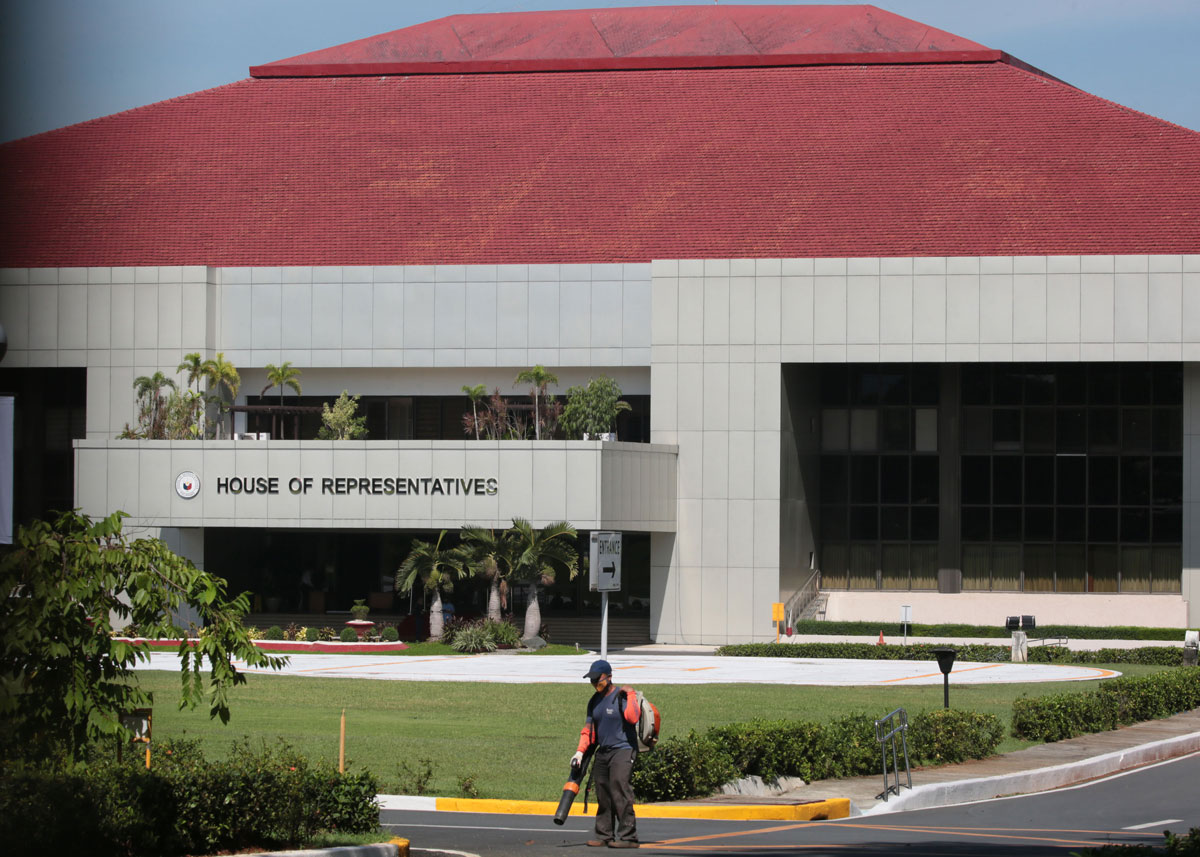
The 75-year-old Duterte will deliver his penultimate SONA at the Batasang Pambansa “as planned,” Presidential Communications Operations Office (PCOO) Secretary Martin Andanar Malacañang said, even if the number of persons at the House of Representatives who have caught COVID-19 continues to rise.
Unlike previous addresses that had jampacked audiences, only about 50 lawmakers and 15 Cabinet members will be allowed inside the venue to ensure safe distancing. The President, lawmakers, guests and members of the technical staff will also be required to undergo swab test as a precautionary measure.
“The difference now is we are under a new normal. It won’t be the usual address that we see every year. The PSG (Presidential Security Group) is really very strict. We know that the President is a senior citizen and some senior citizens have caught COVID-19. So we have to take care of the health of all senior citizens,” Andanar said.
He added that Duterte was still making last-minute changes to the speech and was scheduled to hold the final rehearsal last night.
“But so far, so good,” Andanar said.
While preparations at the Batasan have been threshed out, officials are not discarding the possibility that the President would have to deliver his SONA at Malacañang.
“The agreement was there would be same-day swabbing. There’s a type of swabbing wherein you would know the result in 45 minutes. If someone tests positive, there’s a huge chance that we would go to option B – we will just hold it in the Rizal Hall,” Andanar said, referring to Malacañang Palace.
“If the address is transferred to Malacañang, fewer people can attend. Instead of 25 each from the Senate and House and a few Cabinet members, the attendees will be fewer,” he added.
The PCOO has organized Zoom viewing rooms for Cabinet members to prevent crowding at the Batasan. Separate rooms will be allotted to local government officials, youth leaders and overseas Filipino workers.
Despite the changes in physical arrangements, Andanar said guests would still be required to wear formal attire or Filipiniana “out of respect for the State of the Nation Address.”


