



YouTube Takes Down ABS-CBN News Accounts For Nine Hours After ‘Hack’
Before being temporarily “terminated,” the ABS-CBN News and ANC 24/7 accounts livestreamed a supposed “giveaway” event using the name of cryptocurrency company Ripple – sparking worries about a cyberattack connected to its reportage.
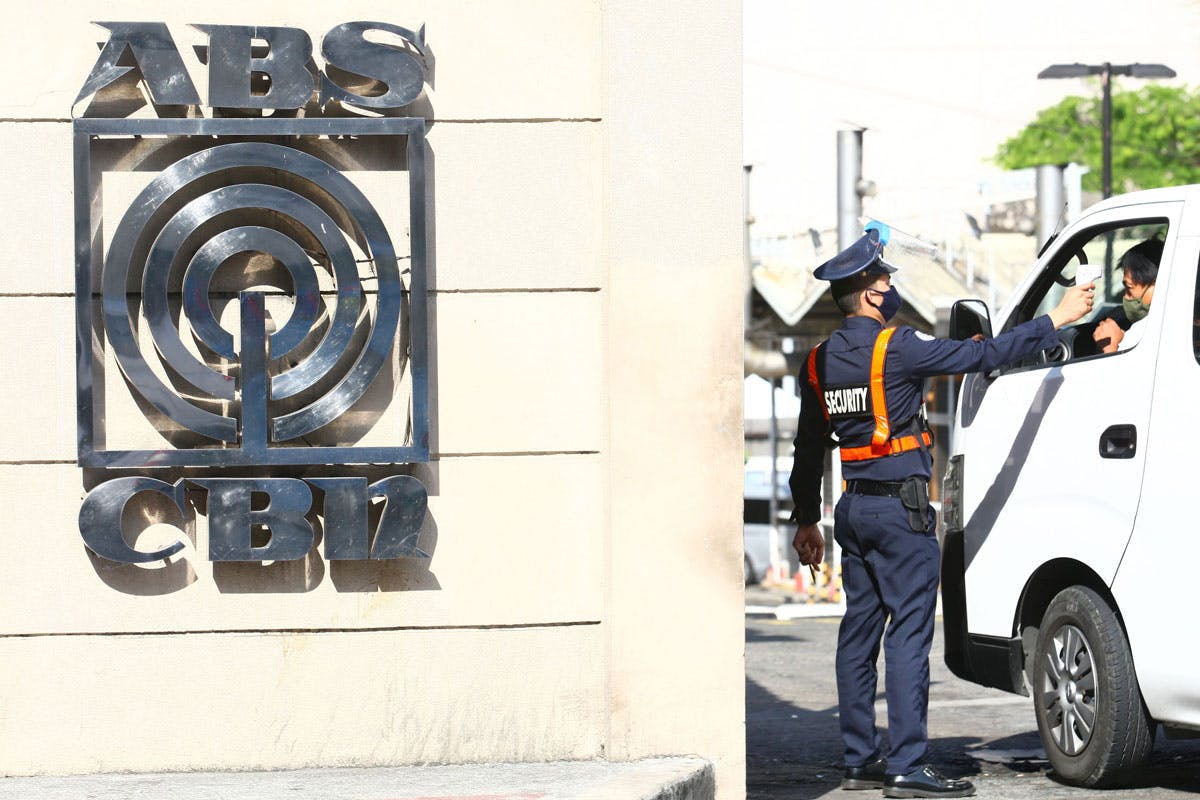
YouTube took down the ABS-CBN News and ANC 24/7 accounts for nine and a half hours on Tuesday, Nov. 3 after it got “hacked” – sparking worries about a cyberattack in retaliation to its reportage that has gotten on the government’s nerves.
Sought by The Philippine STAR for comment, YouTube confirmed that the channels had been “hacked” on Monday, Nov. 2, and that it treated the issue as a security matter.
“We take account security very seriously and notify account owners when we detect suspicious activity. If an owner has reason to believe their account was compromised, they can notify our team to secure the account and regain control,” YouTube said in a statement.
Shortly after responding to queries via email, YouTube restored ABS-CBN’s accounts at 3:58 p.m. on Nov. 3 – giving it time to resume its pre-primetime news coverage, even though it lost out on the live coverage of the Senate’s hearing on the red-tagging of government critics.
YouTube encouraged account owners to enable two-factor authentication – that is, allow the service to ask for a personal identification number or send a code through a verified mobile phone before confirming the log-in – to decrease the risk of hacking.
‘Video unavailable’
Had the accounts not been restored, ABS-CBN would have lost the 10.6 million subscribers of ABS-CBN News and the 315,000 subscribers of ANC 24/7. YouTube rules provide that “if your channel or account is terminated, you may be unable to use, own, or create any other YouTube channels/accounts.”
The closure of ABS-CBN’s accounts occurred after they livestreamed a supposed “100 Millions XRP Giveaway” event using the name of cryptocurrency company Ripple and its chief executive officer Brad Garglinghouse.
After that, a notice – beginning 6:30 a.m. on Nov. 3 – on the channels read: “Video unavailable: This video is no longer available because the YouTube account associated with this video has been terminated.”
Another notice stated that the accounts were “terminated” for a violation of YouTube’s terms of services. Neither notice explained the specific reason for the termination of the accounts.
ABS-CBN Corp. issued a statement at 9:33 a.m., saying it was “aware of the problem” and “currently investigating this and working closely with YouTube to resolve the problem.”
It referred its audience to the livestreams and news reports of its Tagalog-language Teleradyo account. Its ABS-CBN Entertainment account was also not affected.
After the accounts were restored, ABS-CBN issued a statement at 5:09 p.m. stating that “a hacking incident” indeed took place.
“The investigation on the incident continues as we also implement measures to prevent this from happening again,” the conglomerate said.
“ABS-CBN remains committed to provide news and information to our countrymen, particularly over these trying times as we recover from the effects of Super Typhoon Rolly and prepare for another incoming weather disturbance,” it added.
Under the guise of financial experts
YouTube, however, did not address The STAR’s questions regarding the identity of the suspected hacker or whether the outage had anything to do with Ripple, which did not respond to requests for comment.
The Verge reported on April 21 that Ripple had sued YouTube for its “inexplicable failure” to stop scammers from impersonating the company” and its chief executive officer. The firm accused the video platform of selling ads and verifying accounts that promote fake giveaways of the digital currency XRP, and then ignoring complaints about them.
A similar attack took place on the YouTube account of vlogger Baninay Bautista last June 8, with the hacker livestreaming under the name of Robert Kiyosaki, author of the financial literacy book Rich Dad, Poor Dad. Bautista’s account had more than one million subscribers.
Despite being asked about it, YouTube also did not confirm the claims of ABS-CBN’s detractors that the corporation violated its advertising policies by retaining in its livestreams the commercials that were also aired in its cable television channels.
The inclusion of commercial breaks and product placements is common practice for television feeds on YouTube. The GMM Thai TV official account is particularly known for inserting complete advertisements into its lakorn (dramas) that are gaining popularity among Filipino audiences.

Who is responsible?
Journalism professor Danilo Arao of the University of the Philippines College of Mass Communication raised this question: “Who stands to benefit from this? You have an idea as to who is ultimately responsible.”
Arao noted that the Ripple connection was just one economic angle, but “there could also be other (political?) angles.”
The National Union of Journalists of the Philippines (NUJP) noted how the attack on the accounts coincided with criticisms against the government for causing a “void” of information about Typhoon Rolly in far-flung areas that only the signals of ABS-CBN’s free-to-air television and radio networks could reach before.
“It seems clear that the channels’ termination was triggered by an act of sabotage by a party or parties determined to make sure the country’s largest network, whose free TV and radio operations were shut down by government following repeated threats from a vindictive president, is taken down as well from other platforms,” NUJP said in a statement.
“Will this be the last of such attempts to totally silence ABS-CBN? We certainly hope so,” it added. “But even if not, we are certain any attempts to muzzle the network will fail or, at worst, not last for long. Because, in the end, the truth will out.”
This was not the first time ABS-CBN encountered technical problems as it beefed up its digital presence in the aftermath of the House of Representatives’ July 10 committee vote to deny its application for the renewal of its franchise.
On Feb. 21, around the time that the Office of the Solicitor General set its plan to take down ABS-CBN in motion, some of the conglomerate’s employees received notifications that “government-backed attackers may be trying to steal your password.”
Google did not identify which government was behind the suspicious activities that may indicate efforts to compromise the accounts.
On Sept. 3, the websites of ABS-CBN News and its rival GMA News Online became inaccessible to those using the internet services of Smart, Globe and Converge. Access was restored within the day.
ABS-CBN had largely livestreamed its news content, on top of airing them on cable via Kapamilya Channel and ABS-CBN News Channel. ABS-CBN’s blocktime agreement with the free-to-air A2Z Channel 11 is currently limited to soap operas and entertainment programs.
The corporation became a trending topic on Twitter over the weekend as its Regional Network Group, which used to be on top of provincial news coverage and reaching far-flung rural areas, had to be dissolved because of the economic impact of the Duterte administration’s actions.
Without addressing the issue of far-flung areas that could only receive ABS-CBN’s signals, presidential spokesman Harry Roque on Monday, Nov. 2, argued that government and private broadcasters continued to send reporters to the field to cover the super typhoon anyway.


