


Winning Or Losing? Nobody Wins In COVID-19 ‘War’ If Authorities Don’t See Eye to Eye
There are conflicts between government policies and the recommendations of medical associations on how to deal with the COVID-19 pandemic, particularly on testing, to the detriment of the people.
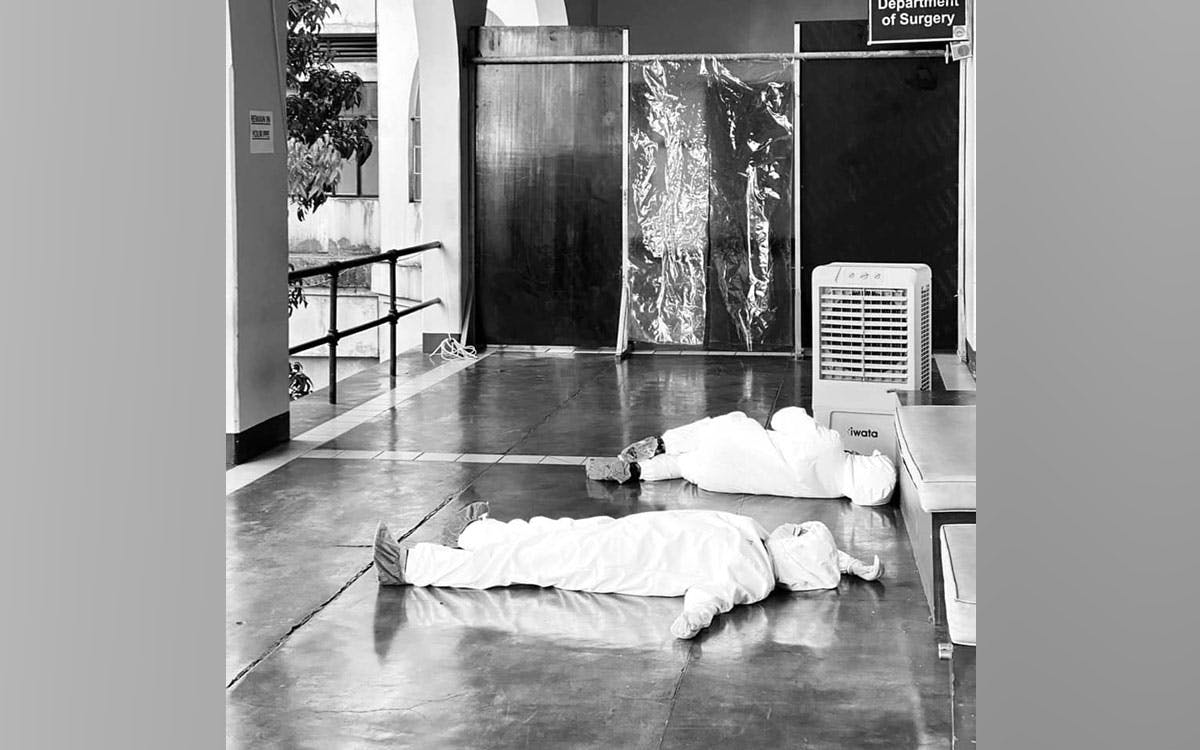
Over 100 medical associations have united to call on the government to review its strategies in dealing with the coronavirus disease 2019 or COVID-19, saying the Philippines is losing the battle against the pandemic.
They asked that Mega Manila be reverted to enhanced community quarantine to curb the continuous rise in COVID-19 cases and prevent the health system from being overwhelmed. As a compromise, President Duterte agreed to revert Metro Manila and four provinces to modified ECQ instead of ECQ, saying the government no longer has money to provide aid to those who would be affected by a lockdown.
Administration officials point out that the economy has also taken a beating due to quarantine measures imposed to curb COVID-19 transmission.
Health workers said in a letter to President Duterte on Aug. 1 that real-time reverse transcription polymerase chain reaction or RT -PCR tests are being denied to patients with COVID-19 symptoms.
They said local government units or LGUS that conduct testing continue to insist on the use of rapid antibody tests to identify possible cases, sending home patients with symptoms who test negative.
“This may be responsible for the recent surge in cases,” the medical groups pointed out, “because antibody tests miss more than half of people with active, contagious illness.”
In addition, persons with infections confirmed by RT-PCR were turned away from isolation centers and forced to isolate at home even where this was hardly feasible.
The medical societies have stressed that they want to collaborate and not fight with the government as their goal is the same: to save people from dying due to COVID-19.
Winning the war?
On Monday, Aug. 3, government officials claimed that their decision to place Metro Manila, Bulacan, Cavite, Laguna and Rizal under MECQ does not mean that the Philippines is losing the war against COVID-19.
“As long as we have a low mortality rate, we are doing what is right. I think we are heading towards the right direction when we place some areas under MECQ,” presidential spokesman Harry Roque maintained in a press briefing.
Roque said tighter quarantine measures would lower the reproduction rate of the virus and lengthen the case doubling rate. The government, Roque added, is also working to increase the health capacity of hospitals.
Health Undersecretary Rosario Vergeire said efforts are underway to ensure patients’ access to hospitals, expand testing, and strengthen tracing and isolation of patients.
“So if you are asking if we are winning, we are really managing this, and we are preparing our system so we can accommodate more patients and therefore we can appropriately address the situation,” she pointed out.
Carlito Galvez Jr., chief implementer of the COVID-19 national policy, explained that the Philippines is in the “critical phase” of the management of the pandemic, citing the supposed change in the behavior of the virus.
“Even other countries are really groping for answers because even those who are already in the new normal, for example Australia and even Vietnam, they imposed restrictions again, they go back to some lockdowns,” Galvez said.
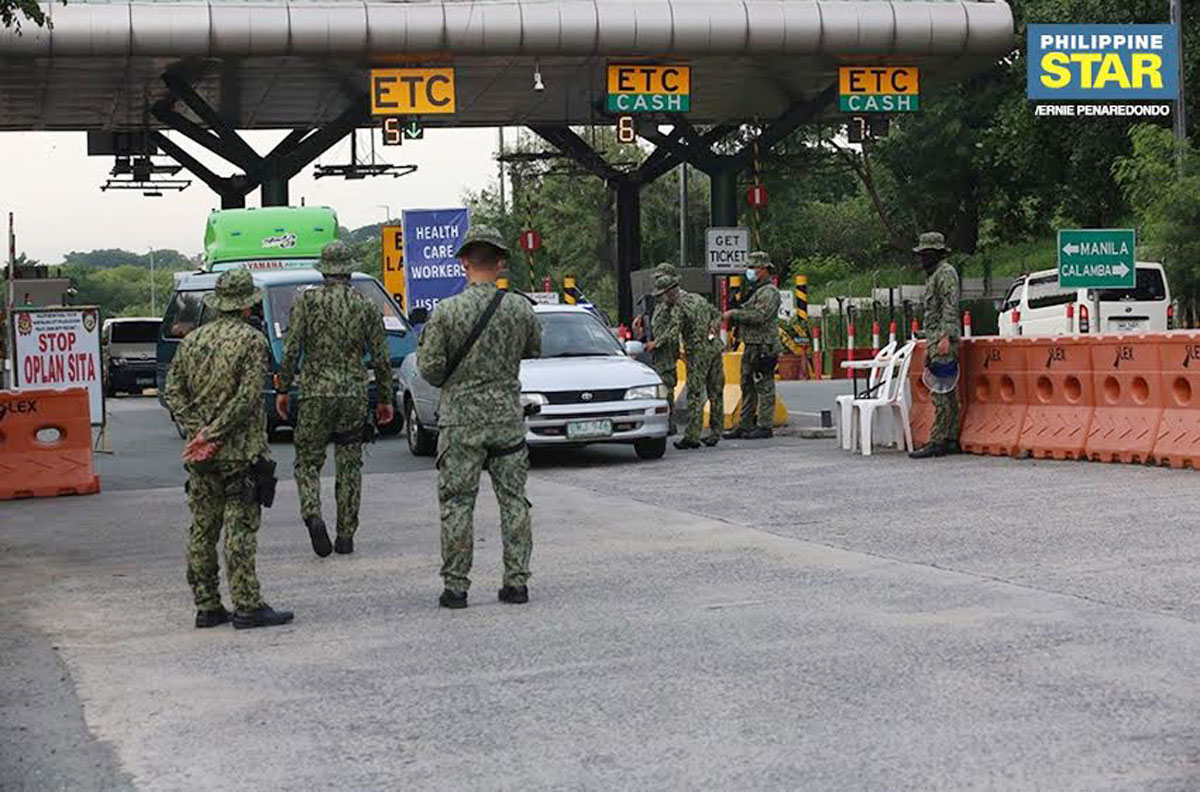
To better manage the infections, Roque said the government has adopted a seven-point response. This involves hiring of additional health workers, providing health workers with risk allowance and free rides, issuing quarantine passes to limit the movement of people, imposing intensified lockdowns, distributing 20 million face masks, and using RT-PCR testing as the gold standard for COVID-19 detection.
The medical groups said they were forced to air their grievances publicly because their distress calls were not heeded by the Department of Health (DOH) and the Inter-Agency Task Force (IATF) for the Management of Emerging Infectious Diseases.
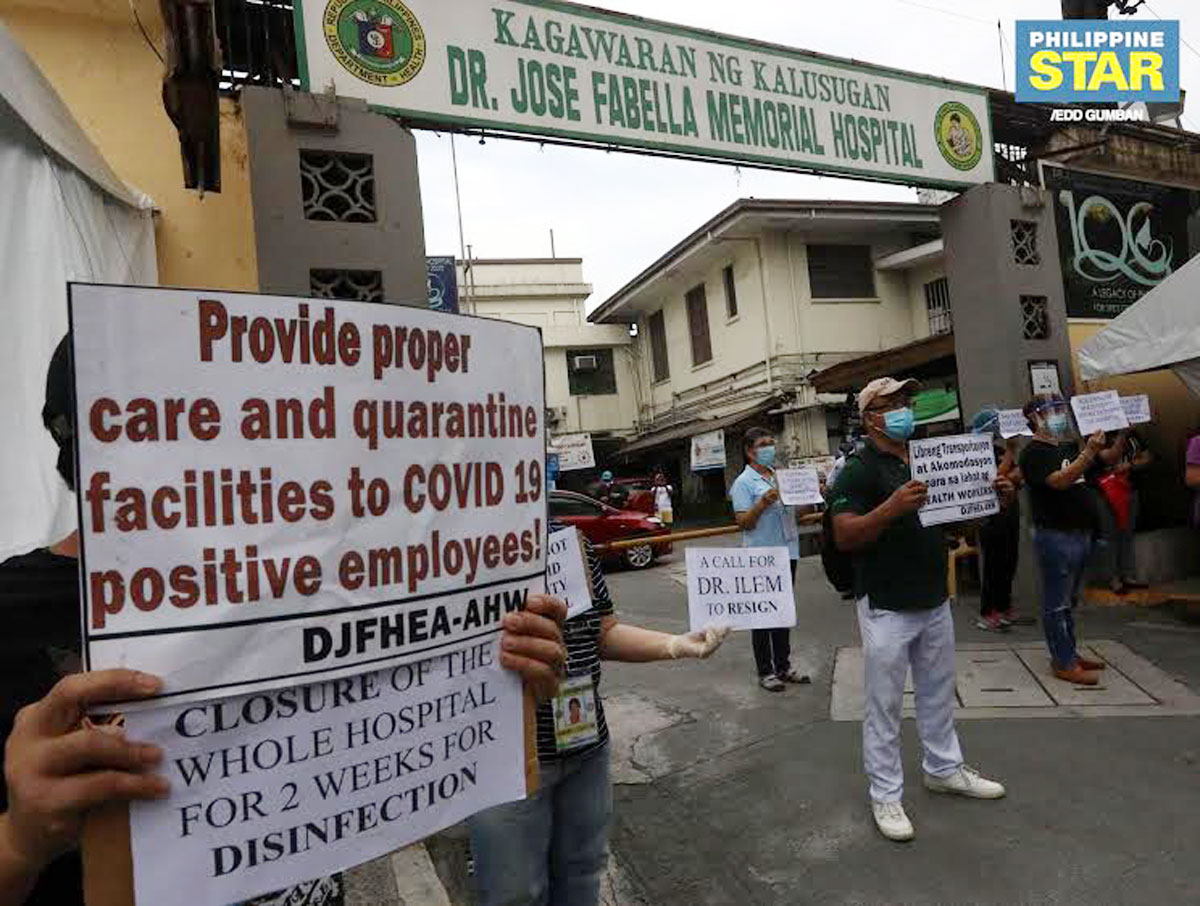
In a letter on Aug. 3 addressed to Duterte after the President scolded them for not seeking an audience with him first, the health workers’ alliance said they sent a letter to the DOH in April to request for test kits for health workers as well as quarantine facilities, insurance coverage and protection from verbal castigation and physical violence. But all of the requests were “left unheeded.”
The group Second Opinion PH, which advised against reverting back to “any Duterte-style enhanced community quarantine,” continued to question the usefulness of a lockdown without any other plan to really arrest the spread of COVID-19.
On Aug. 3, the group reiterated that the reins of the government’s response to the pandemic should be handed over to the health sector, instead of the officials with mostly military backgrounds who have been running the show for the past five months.
“We want a medical quarantine with healthcare workers in the lead and with clear health goals and outcomes. We reject the distorted forms of government-imposed community quarantine as devoid of scientific sense and health purpose, and serve only to oppress our people,” Second Opinion said in a Facebook post.
“We call for an end to all militarist and fascist measures being done in the name of quarantine,” it added. “We demand a demilitarized medical quarantine.”
Second Opinion sought the implementation of a six-point action plan based on the pillars of the Philippine health care system:
• Leadership: Remove DOH Secretary Francisco Duque III and the generals and czars “infesting” the IATF, and replace them with team players from health and related fields
• Human resources: Recruit 10,000 doctors and 20,000 nurses and health care workers, and give them better pay and working conditions
• Health financing: Assign P90 billion for workers, equipment and quarantine measures
• Service delivery: Ensure continuity of care throughout the different facilities and continuity of services for COVID-19 and non-COVID-19 patients alike
• Health technologies: Enhance capacities in testing, tracing, isolation and treatment at institutional and community levels
• Health information: Improve COVID-19 data processing and management
University of the Philippines College of Medicine associate professor Ronnie Baticulon said “war metaphors… should’ve never been used in this health crisis.”
“At the end of a war, nobody really wins. To see this pandemic from a military viewpoint is to accept that lives will be lost, that people are enemies of each other. That’s not how we do medicine,” Baticulon posted on Twitter on Aug. 3.
He faulted leaders “who view medicine as merely ‘diagnosing diseases and prescribing medications’ (hence, the obsession with numbers).” He stressed: “THE SOCIAL DETERMINANTS OF HEALTH ARE MUCH MORE IMPORTANT!”
How the Senate wants to move
Amid the confusion, Sen. Richard Gordon filed on Monday Senate Resolution No. 483 seeking to conduct an inquiry on the current state of the health of the nation, with emphasis on the status, capability and plan to combat the COVID-19 pandemic.
The Senate adopted the resolution on the same day.
Sen. Risa Hontiveros, meanwhile, delivered a privilege speech echoing the assessment of health care workers that “any lockdown is not effective on its own.” Agreeing that the government botched its response to the pandemic, the senator said: “Susunod ang mga Pilipino. Siguraduhin lang nating may maayos na plano (Filipinos will follow. Let us just make sure we have proper plans).”
She proposed the following health measures as part of a roadmap toward recovery from the pandemic:
• Activating the Epidemiology and Surveillance Units of local government units for quicker monitoring and detection of cases
• Expanding the scope of “genuine mass testing” and ensuring ample supply to hard-hit communities
• Protecting frontliners, setting up “hospital command centers” to improve coordination, and upgrading quarantine facilities
• Giving priority to high-risk individuals for testing and treatment
• Expanding universal health care and improving the process of designating licensed primary care providers for the poor and residents of far-flung areas
• Auditing the government’s expenditures
As for economic measures, she proposed the following:
• Expanding the social amelioration program to give subsidies to more persons affected by the lockdown
• Passing the Balik-Trabahong Ligtas Law to protect workers
• Extending help to micro and small enterprises
• Helping out the “new drivers” of the economy, such as information and communication technology, telemedicine, and urban-rural transport networks, among others.
“It is clear that the government failed during the previous lockdown. Let us not allow the two-week return to MECQ go to waste again. Filipinos can bear it; the government must be able to govern, too,” Hontiveros said in Filipino.
In response, Senators Manny Pacquiao and Francis Tolentino defended Duterte against Hontiveros’ unflattering remarks. Pacquiao even took the time to push for the reinstatement of the death penalty for drug manufacturers and traffickers.
Record-high cases reported anew
On Tuesday, Aug. 4, the number of new COVID-19 cases hit another single-day record high at 6,352, bringing the total to 112,593.
Based on the DOH’s Case Bulletin for COVID-19, Metro Manila accounted for 3,139 of the new cases, followed by Laguna with 592, Cavite with 550, Rizal with 277 and Cebu with 261 cases.
The DOH said the 6,352 new cases came from 80 of the 94 testing laboratories across the country.
Data showed there were 11 patients who died, raising the death toll to 2,115 while the number of recoveries had reached 66,049 due to 240 patients who recovered from the disease.
The DOH said it is working together with the Health Professionals Alliance Against COVID-19 (HPAAC) to address the seven-point issues that they raised in their letter to Duterte over the weekend.
HPAAC is the alliance of more than 100 medical organizations that called for a “timeout,” thus resulting in the reimposition of MECQ in Metro Manila, Laguna, Cavite, Rizal and Bulacan.
“Currently, we are still finalizing the details of the forward plans with the medical societies,” the DOH noted.
The agency said it would come out with the “recalibrated strategy” on Friday, Aug. 7. – With Alexis Romero