



‘When A Leader Refuses To Steal, The Nation Prospers’
Remembering former president Benigno “Noynoy” Aquino III on his fifth death anniversary today, June 24.
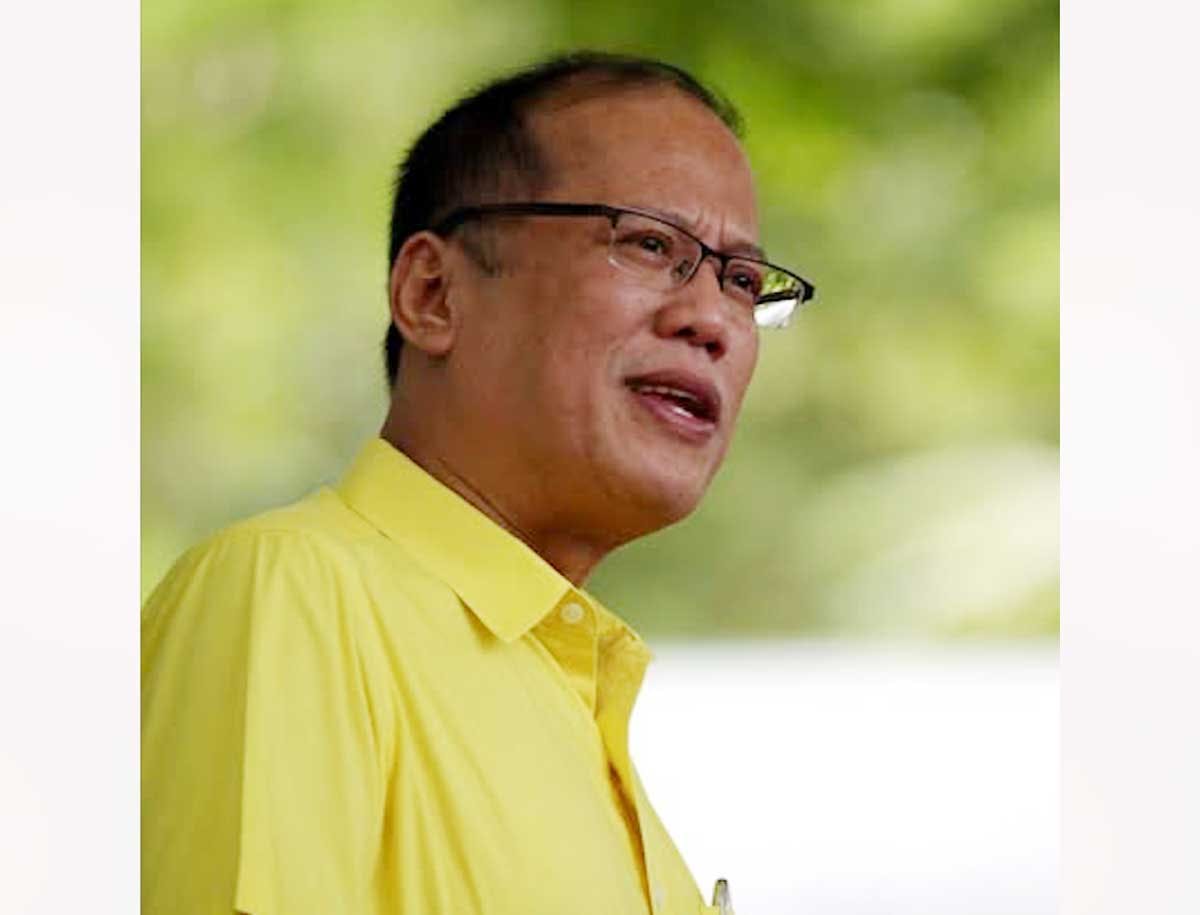
Former president Benigno Simeon “Noynoy” Aquino III, who chose to be called “P-Noy” by the Filipino people when he was elected president in 2010, died five years ago today, June 24, at the age of 61 from “renal failure.”
He passed away quietly. In sickness and in health, and even in his final days, he didn’t want to create a fuss.
History, indeed, is the ultimate storyteller, judge, and jury of our deeds.
Today, many are striking their keyboards in appreciation of a man who did not dip his hands into the public coffers during his presidency – especially when viewed against the vivid backdrop of the recently exposed systematic looting of government funds by public officials and private individuals working in concert.
As his finance secretary Cesar Purisima, a multi-awarded finance minister recalls, P-Noy, son of democracy icons Ninoy and Cory Aquino, “showed that good governance is good economics. That when a leader refuses to steal, the nation prospers. That trust, once earned, compounds just like interest.”
“I had a front-row seat to what disciplined, honest governance can truly achieve. And what I am proudest of is this: we didn’t just grow the economy, we recorded the highest average GDP growth rate of any administration in the 40 years before and since. But more importantly, we used that growth for the Filipino people.”
“Under President Noynoy Aquino, the Philippines earned investment grade status from all three major credit rating agencies for the first time ever backed by 25 credit rating upgrade actions. That wasn’t just a financial milestone. It was the world’s verdict on the integrity of his leadership and agenda,” says Purisima, who received seven consecutive awards from various international publications like Euromoney, as P-Noy’s finance secretary.
“But the number that matters most to me isn’t a credit rating,” Purisima points out. “It’s the millions of families who gained access to universal healthcare for the first time. It’s the children kept in school through 4Ps. It’s the classrooms built, the roads laid, the futures made possible by an education and infrastructure budget that finally reflected our ambitions as a nation. It’s the millions who enjoyed the benefit of lower interest rate and improved purchasing power. And it’s the millions of Filipinos who, by the end of P-Noy’s term, finally believed that a better Philippines in their own lifetime was possible.”
Purisima points out that when P-Noy, who ran under the slogan “Kung walang corrupt, walang mahirap (“There will be no poor if there are no corrupt”) took office in 2010, the Philippines was still called the “Sick Man of Asia.”
“When he left, we were the ‘Bright Spot of Asia.’ That transformation was not accidental; it was the dividend of integrity,” he adds.
According to Bloomberg, the Aquino III years saw a growth “spurt” in the economy not seen since the ‘70s. The economy grew by 6.2 percent annually, the fastest-sustained pace since the ‘70s.


