



VIRUS CARRIERS? For The Dumagats, Bats Are Part Of The Community, A Food Source
The members of the Dumagat still eat bats and do not believe that they are coronavirus carriers. They also take care of them as valuable members of their community. Experts agree that bats should be preserved, but not eaten.
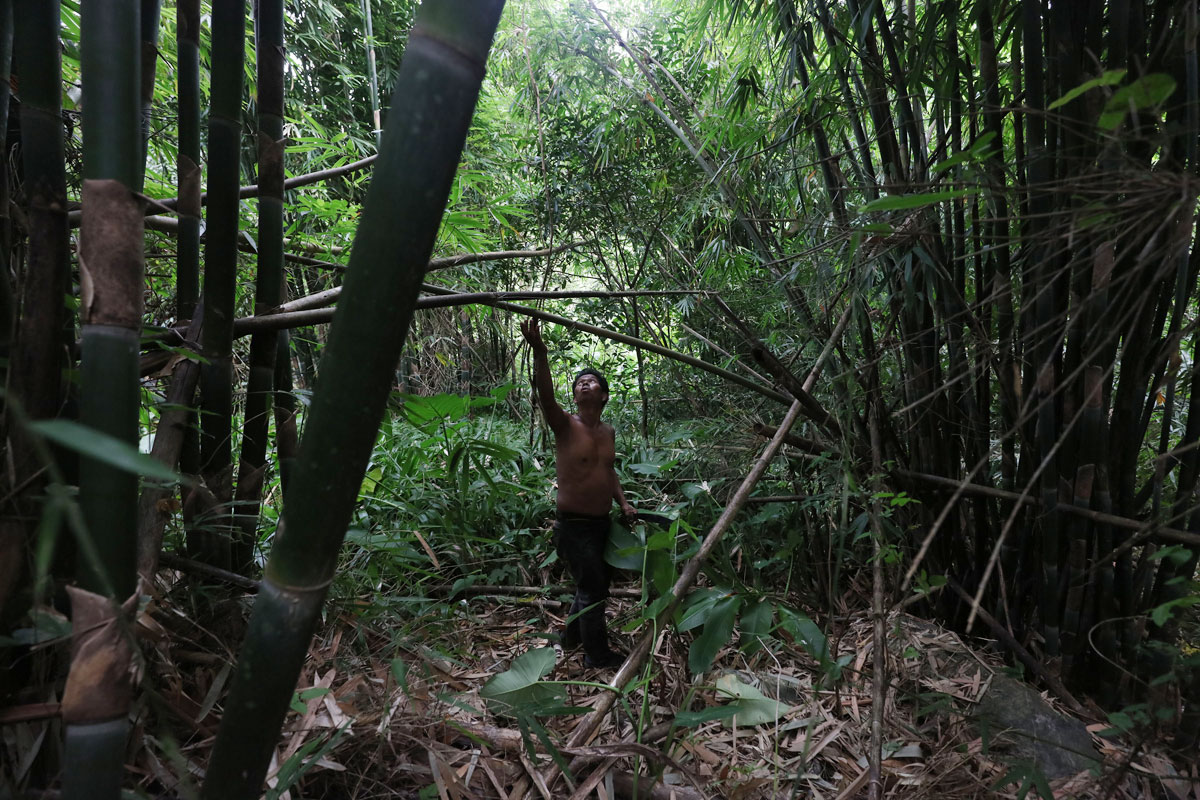
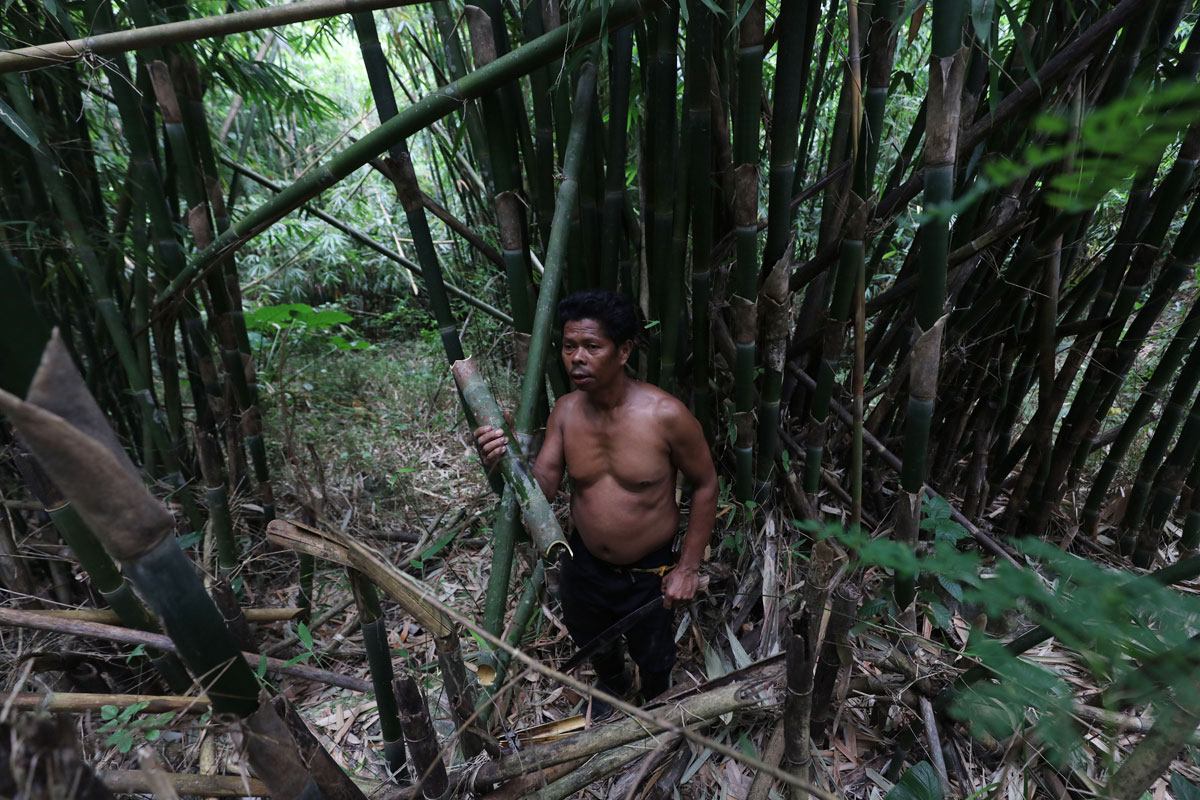
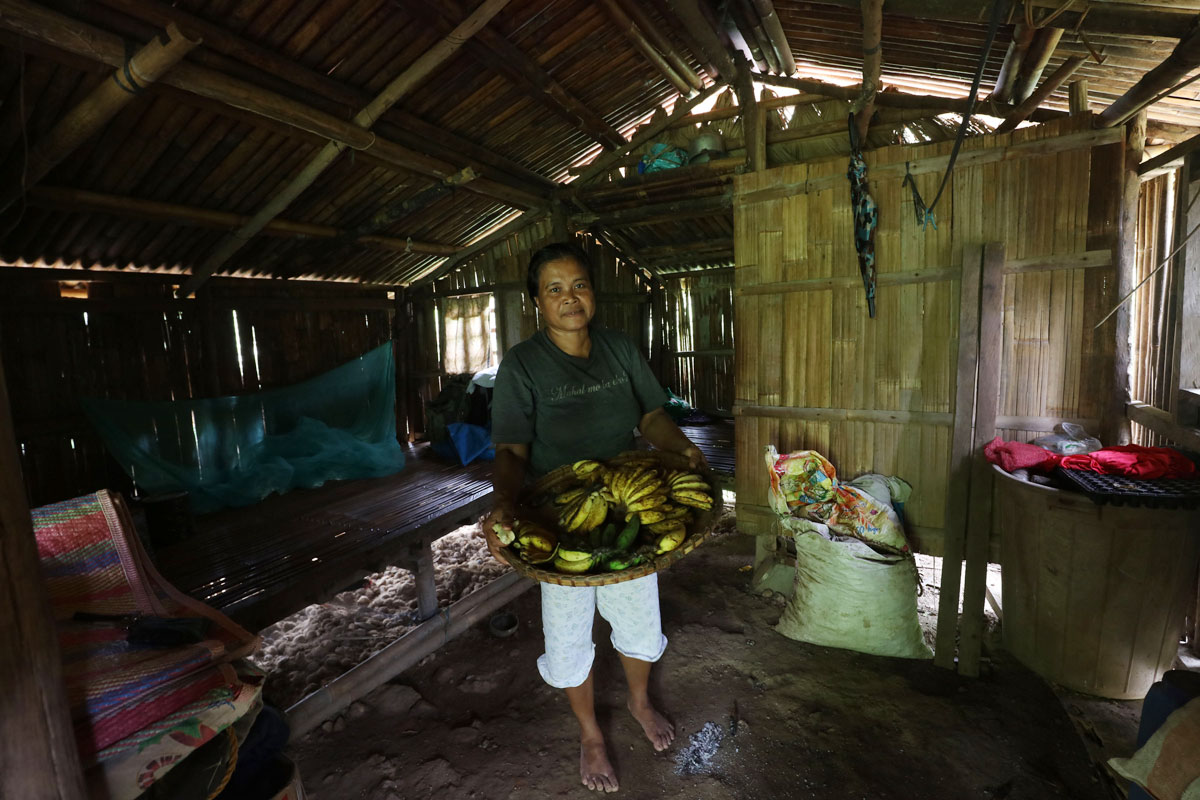
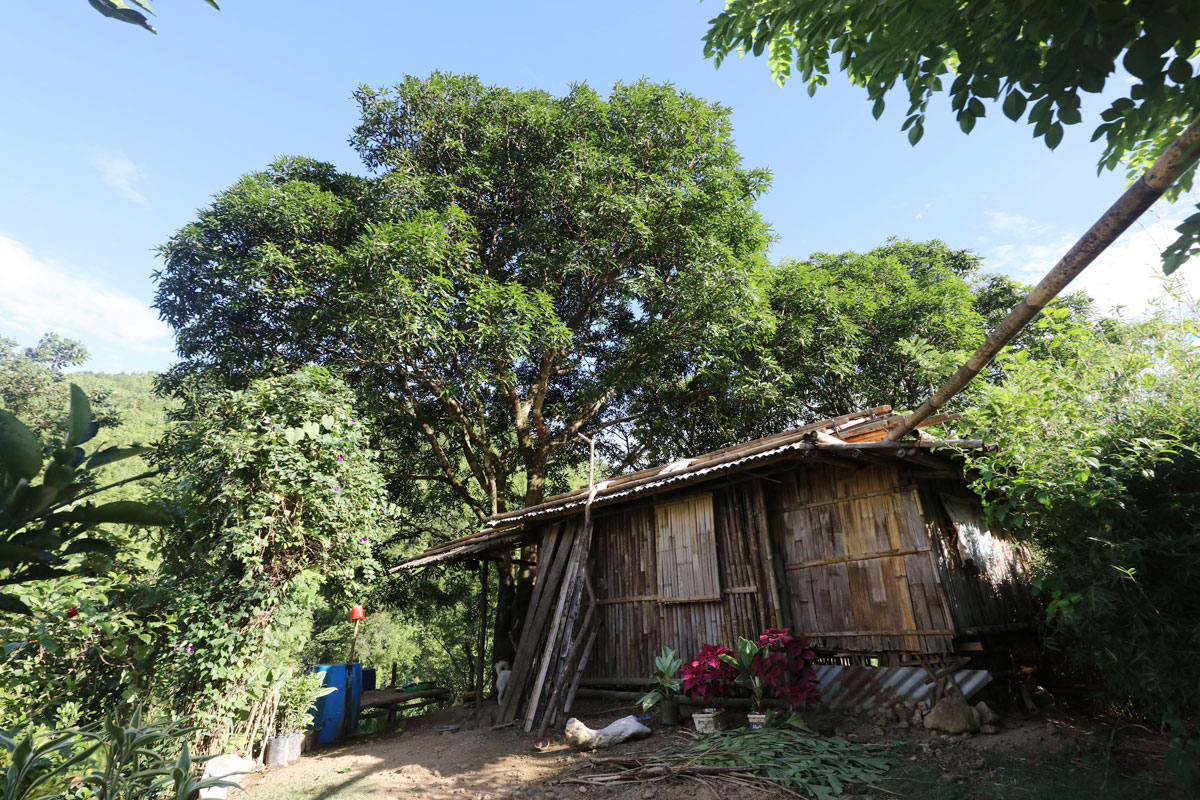
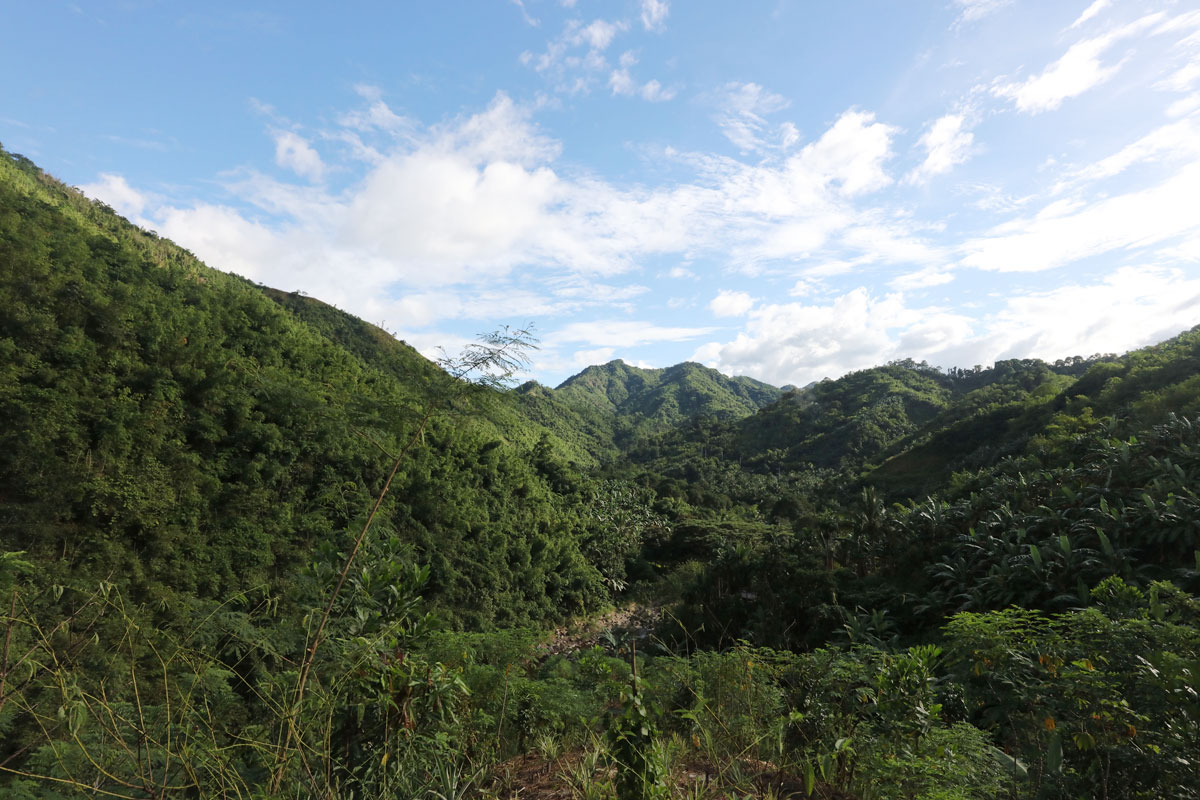
With a bolo strapped to his side, Virgilio Vertudez walked down to a bamboo grove from his humble hut situated on a hill in the Sierra Madre mountain range.
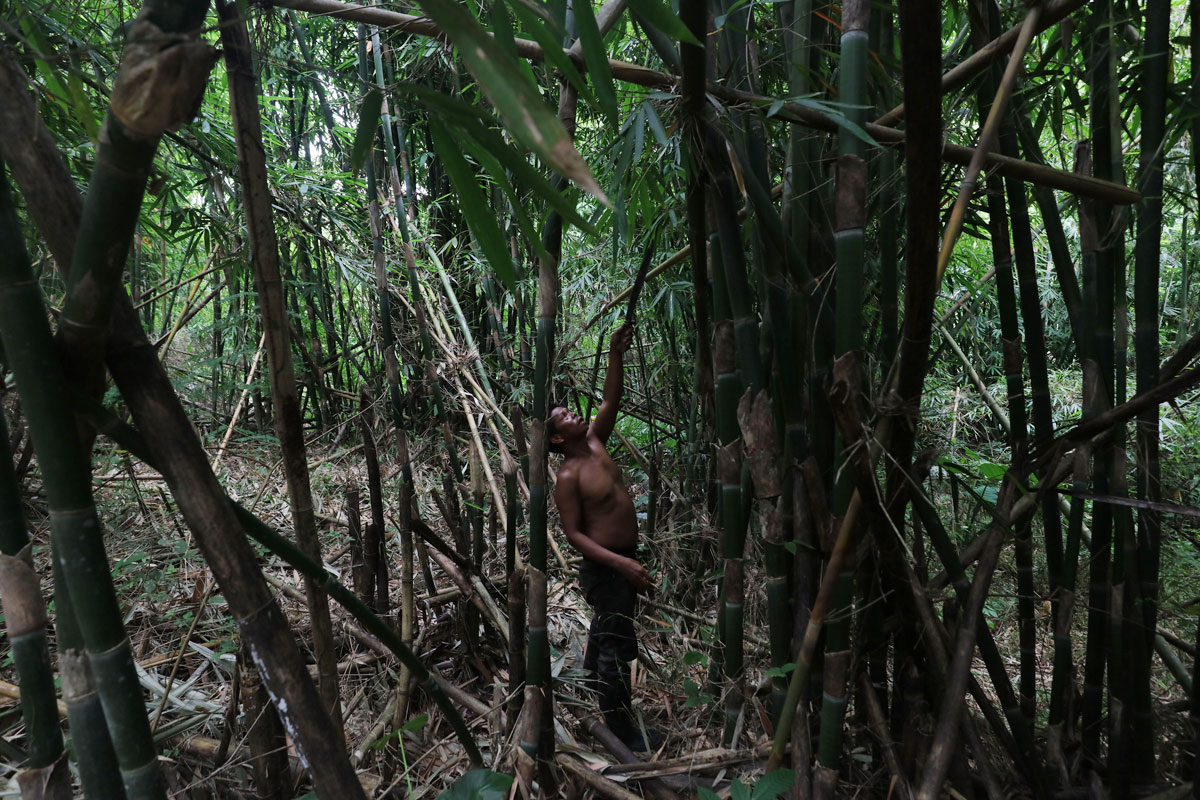
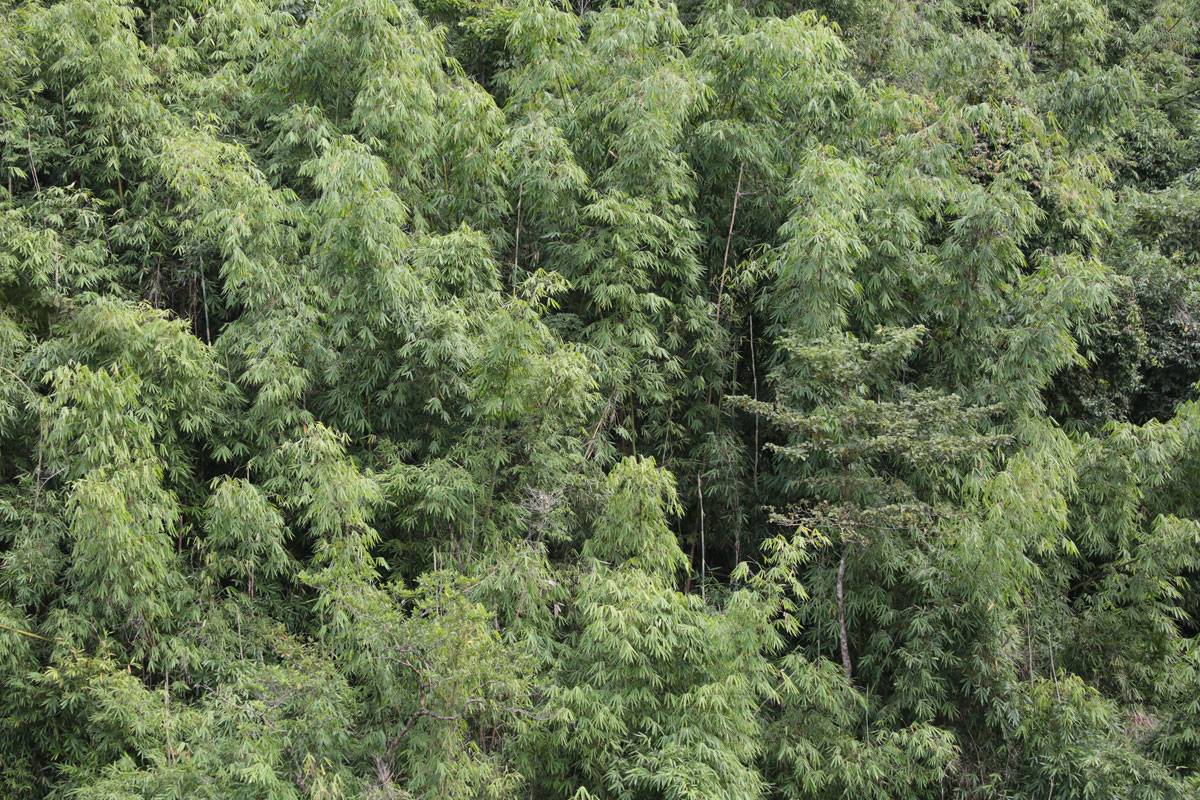
At the thicket, Virgilio moved close to a bamboo stem and listen in between the two nodes –hoping that small fruit bats locally called kulalapnit reside inside.
Virgilio didn’t need a trap. He pointed out that a rustling sound emanating from a bamboo stem was one telltale sign that there would be one or more bats inside. He also looked for bamboo sheaths with two holes – with the lower one typically wet possibly from bat urine – to catch more winged mammals.
The smell of bat urine in the bamboo stems doesn’t make them lose their appetite, Virgilio told us as we joined him in his hunt for bats.
He then took with him a bamboo pole knowing that a bat was inside after listening in.
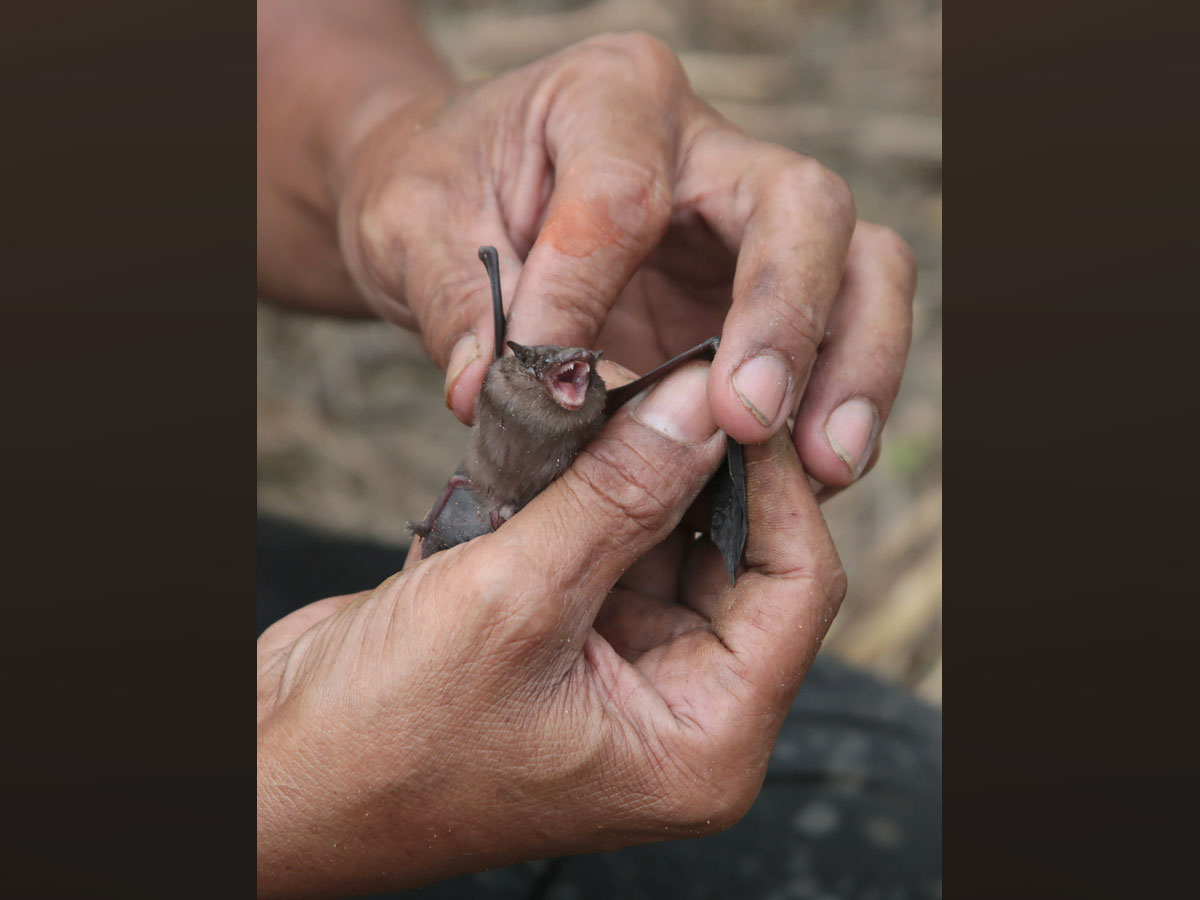
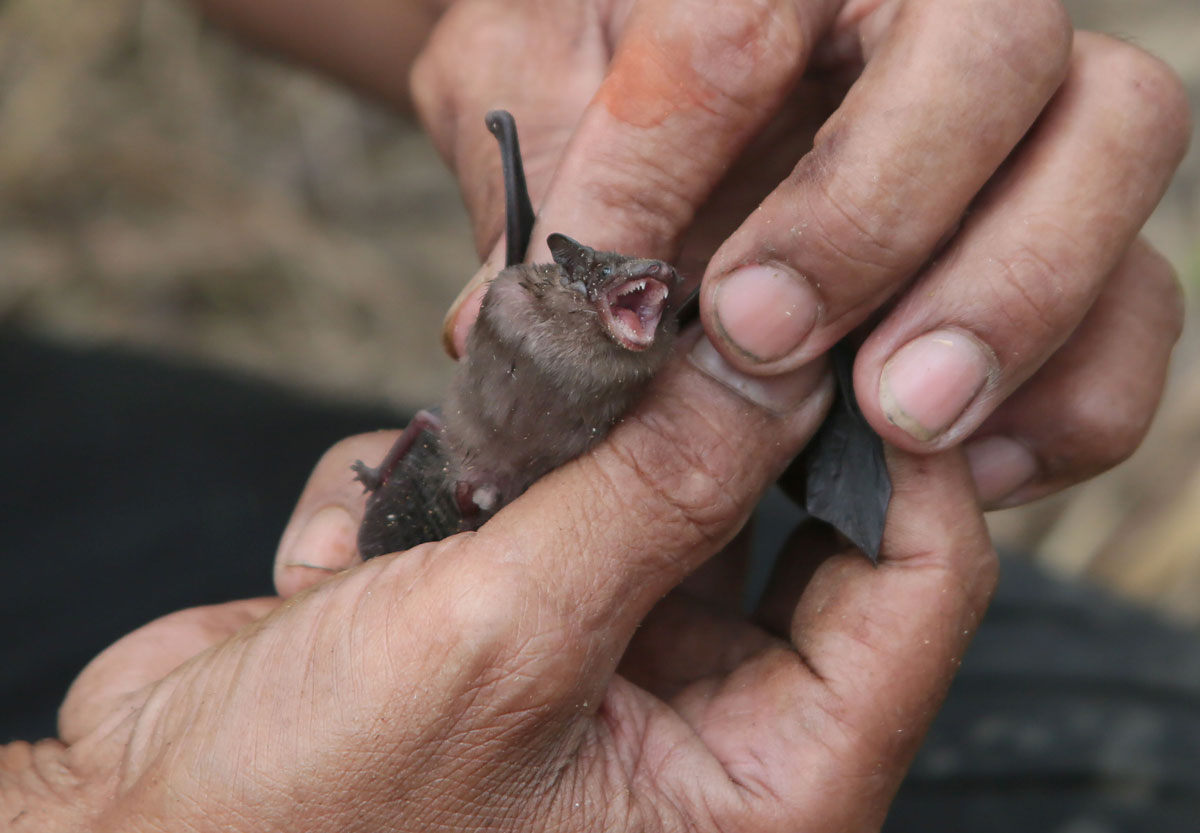
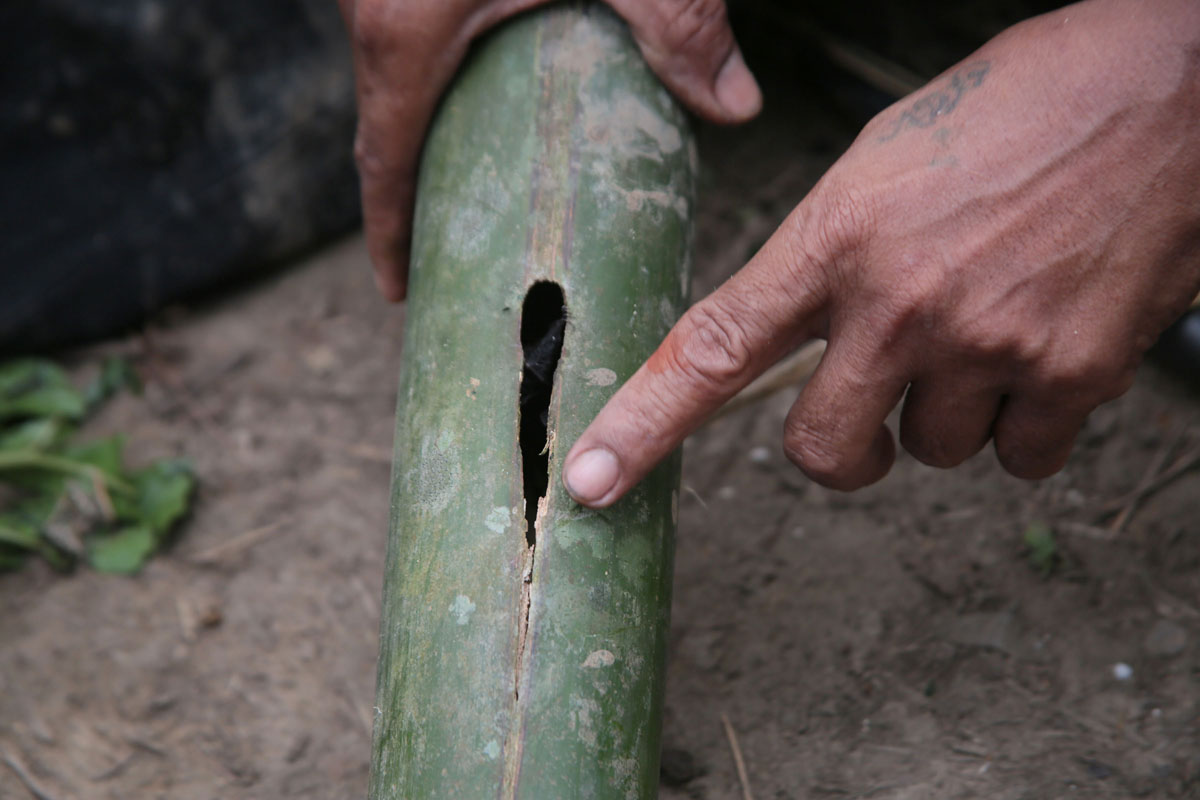
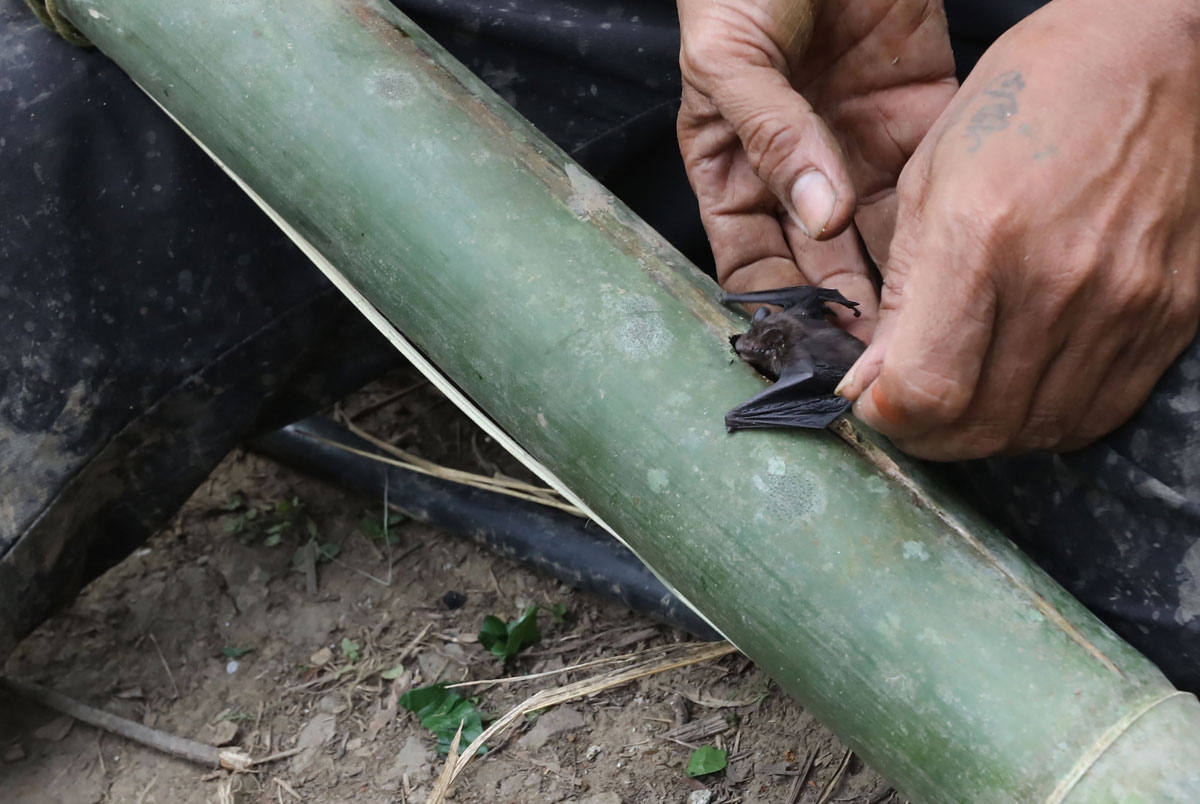
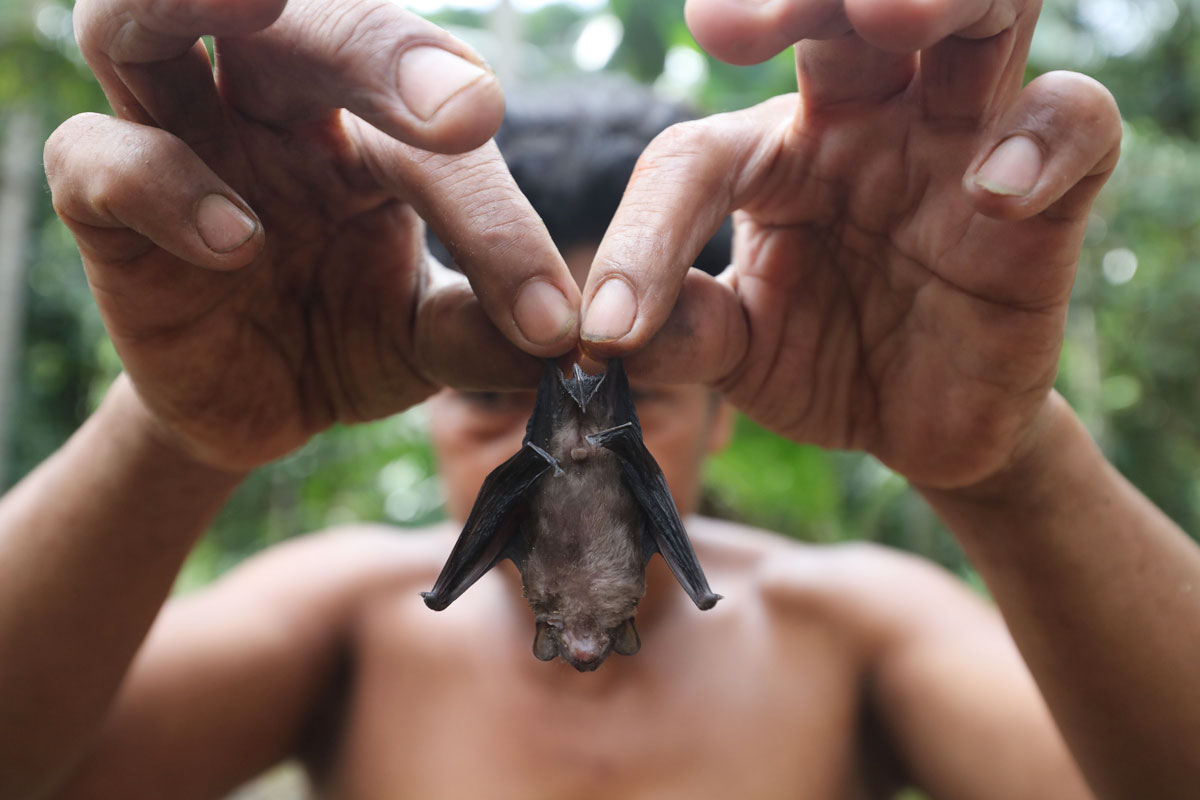
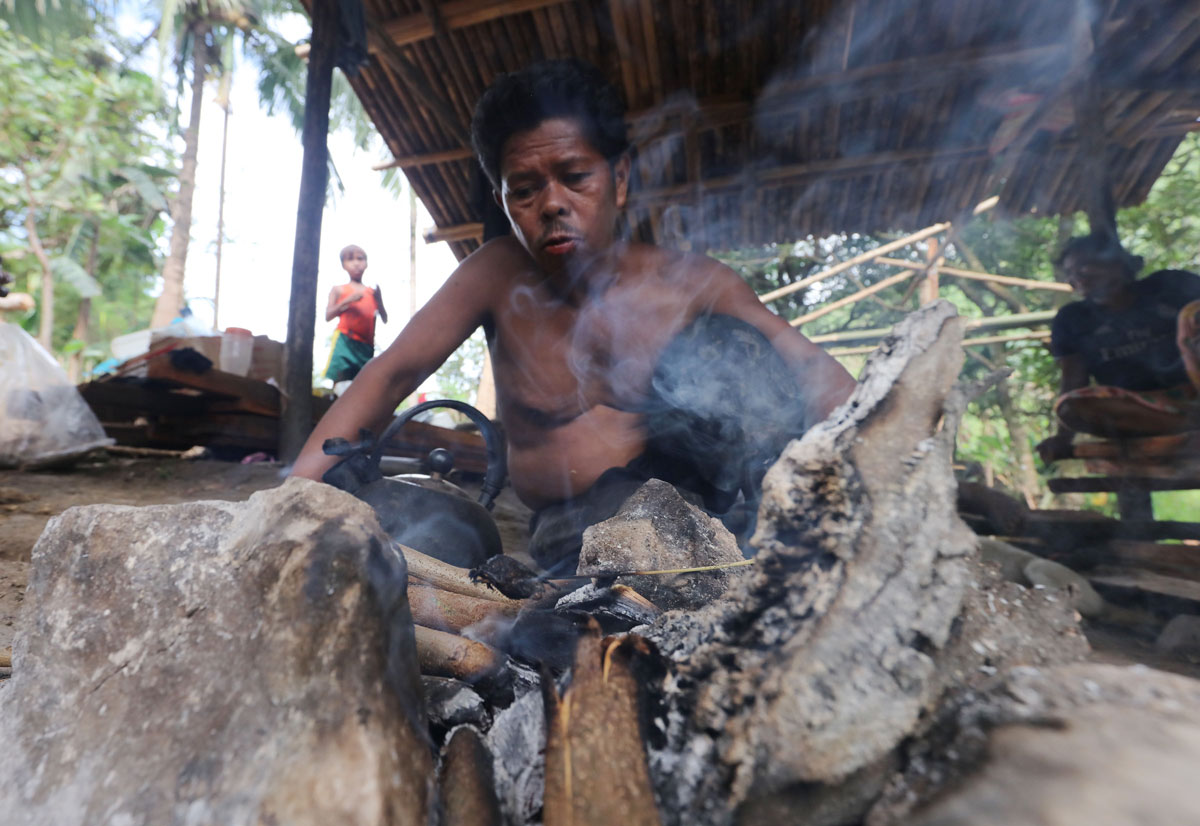
The bat would be his afternoon snack as he joined the rest of the indigenous Dumagat community members at a clearing where a campfire awaited.
Residents of Puray village in Rodriguez, Rizal start seeing these small fruit bats in February. Majority of these bats appear in April and this is the time when residents “feast” on them.
In one day, as many as 30 bats can be seen resting inside a bamboo sheath if they’re lucky, Virgilio said.
Food for the Dumagats
Dumagats have long been eating bats and they consider them as an important part of their community.
Vertudez, a Dumagat leader, calls the bat an ulila or orphan. For the Dumagats, bats are not to be feared – they are family, and a vital source of their sustenance.
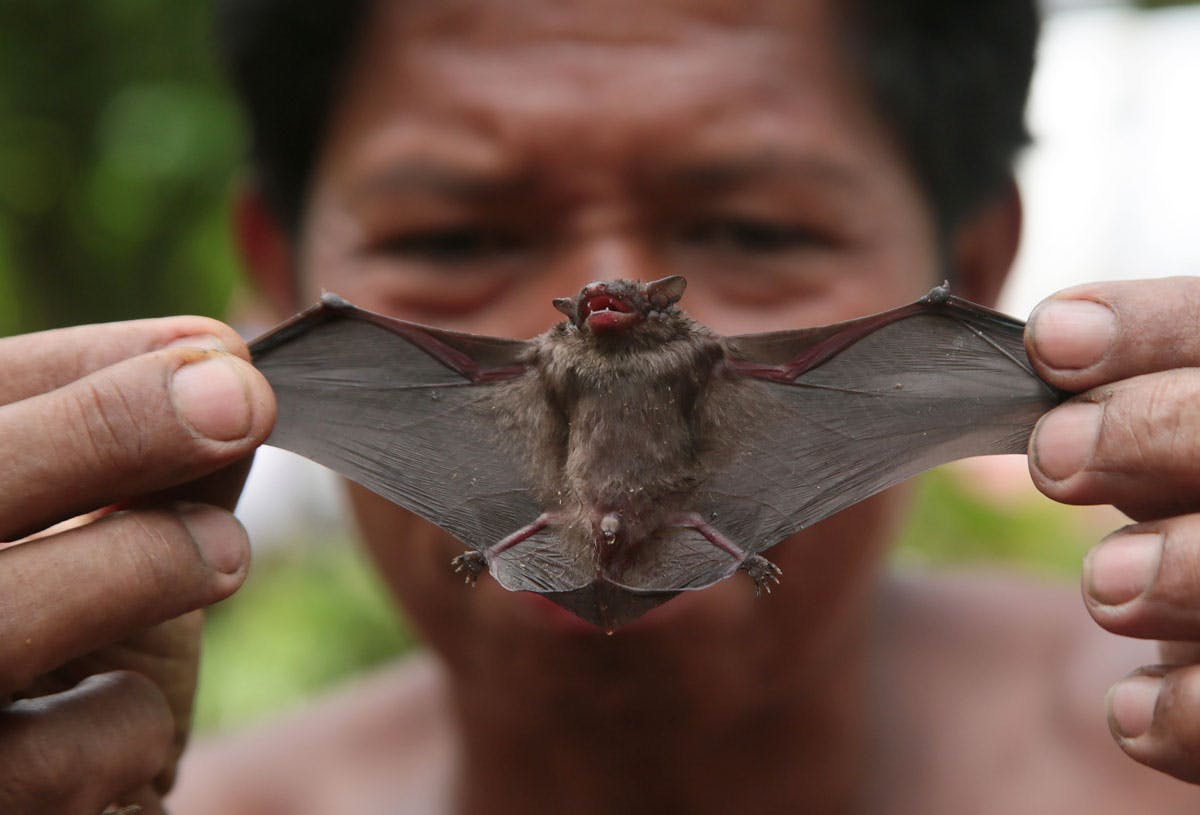
The bat species kulalapnit, or kalabyang in Tagalog, live in bamboo trees known as buho, which can grow as tall as five meters in the mountain range. They eat small insects like mosquitoes and seek shelter in the bamboos at daytime. They get to enter through the cracks or holes that develop when bamboo trees mature.
The kulalapnit is just one type of bat encountered and eaten by the Dumagats in their village. There is also the bungisngis bat, which is known for its wide smile and pouting mouth that shows off its fangs. The largest of the bat species that can be found in area where Vertudez hunts are called kabog or bayakan – with wings that can grow up to a meter long and weigh two to three kilos. This large bats can create swooshing sounds.
What virus?
The word “Dumagat” literally means “to the sea,” illustrating the indigenous group’s ties to coastal life before retreating to the mountains.
Barangay Puray is one of the few COVID-19-free villages in the Philippines. Many residents do not wear face masks in this community at the foot of the Sierra Madre that the Dumagats call Mahabe a Pagotan, which means “mountain range.”
The bats have evoked a local lore among the Dumagats that these winged mammals can transform into humans, wild boars or horses. One such creature is the mambalakaw, which preys on humans and sucks their blood like vampires, Vertudez said of their folktale.
Large bats also inspired the story about manananggal or a female mythical creature that separates her torso from the lower half of her body and take flight at night to look for humans she can devour.
Renowned bat ecologist Dr. Phillip Alviola, who studies bat pathogens for the University of the Philippines Los Baños, said bats have evoked fear in Filipino mythology, undermining these animals’ role in the ecosystem.
“These manananggal and folklore about bats are derived from the mega (or) fruit bats or the flying fruit foxes,” Alviola said, referring to a species of fruit-eating bats endemic in the Philippines that can have a wingspan as tall as a person or 1.5 to two meters long.
“They fly very high and number thousands usually when they fly. People may look at it and think it’s a flying human, with its other half severed,” Alviola said of the megabat, which was labeled by the Department of Environment and Natural Resources (DENR) as critically endangered.
But these folklores and even the COVID-19 pandemic did not make the Dumagats fear the bats.
They laugh off claims that bats caused the pandemic, sharing stories about munching on these winged mammals since they were young. Bats are among the sources of meat for the community aside from deer, monkeys and wild boars.
“Hindi ako naniniwala diyan, maliit pa kong bata kumakain na kami ng paniki (I don't believe in that, I've been eating bat since I was young),” Virgilio said when told that bats are virus carriers.
“Nagtaka kami na sabi sa China doon nanggaling ang COVID-19 dahil kinakain. Eh kami nga kahit walang asin. ‘Pag malaki, binabalatan at parang karne ng baka. Hindi naman kumakain ng madumi ‘yan (We’re wondering why they’re saying that COVID-19 came from China because the [Chinese] ate bats. Yet here, we just eat them, even unsalted. We peel off the skin of the large ones and eat them like cow meat. These bats do not eat anything dirty),” Virgilio added.
When the outbreak began in December 2019, social media was rife with misinformation that the virus was triggered by Chinese citizens eating bats as a delicacy. But according to the World Wildlife Fund (WWF), while the first documented case was at a wet market in Wuhan, China, “a focus on Chinese markets fails to see the bigger picture.”
In its 2020 report “Pandora’s box: A report on the human zoonotic disease risk in Southeast Asia with a focus on wildlife markets,” the WWF said the prevalent wildlife consumption and trade in China – as well as in countries where the wild meat are sourced from like Vietnam, Cambodia, Thailand, Myanmar and Laos – are to blame for the raging pandemic.
The WWF said there are different factors behind the consumption of wildlife meat between rural communities, which rely on it for subsistence and food security, and urban areas, where meat is traded in wet markets that are hotspots of zoonotic spillovers.
Despite worldwide warnings about wildlife viruses, the residents said they have not heard of any person getting sick after eating bats. Virgilio’s wife, Marilyn, an indigenous leader and a teacher of Dumagat living traditions in the community, said the only adverse effect they get from eating too many bats or being greedy is diarrhea. To avoid getting sick, Marilyn said it is innate in them to know if the bat is in good health to be consumed.
“Mag-a-apat na anim na taon na ako. Wala pa akong nababalitaan ditong na-virus sa paniki. Kalimitan kain lang kami nang kain…Pero hindi naman kami namamatay. Karamihan pa sa amin, mga naka-yapak, naka-bahag lang mga matatanda namin. Maliban siguro ‘yung nasobrahan ng taba at nagka-diarrhea (I am turning 46 years old. I haven’t heard of any news here that somebody was infected with a virus from a bat. We just eat them here…But we don’t die. Most of us here are barefoot, the elder ones wear only loincloth. Except maybe if they eat too many bats, they get diarrhea because of too much fat),” Marilyn said.
“‘Yung virus na ‘yan, ewan ko… Ako kumakain niyan at talagang halos mag-agawan kami ng asawa ko. Wala naman akong virus (But the virus? I don't know… I eat it anyway, and I even fight over it with my husband. But I don’t have any virus),” Marilyn stressed.
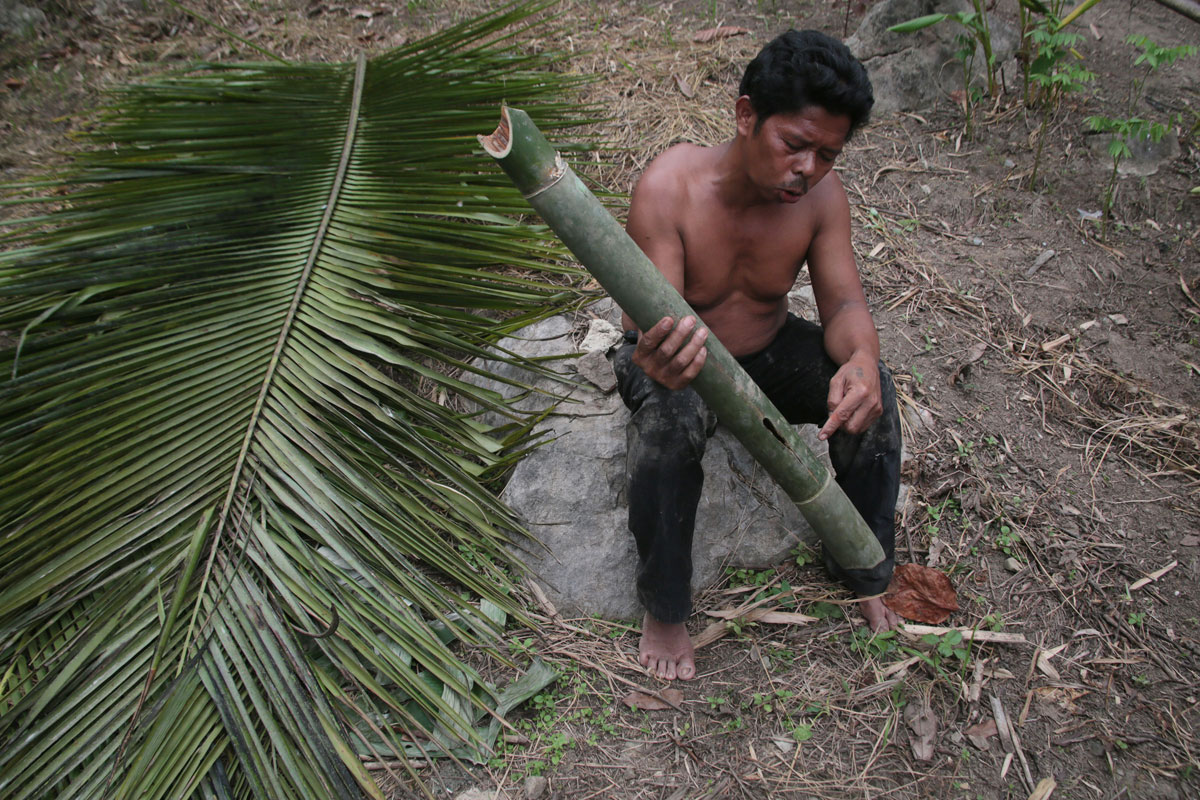
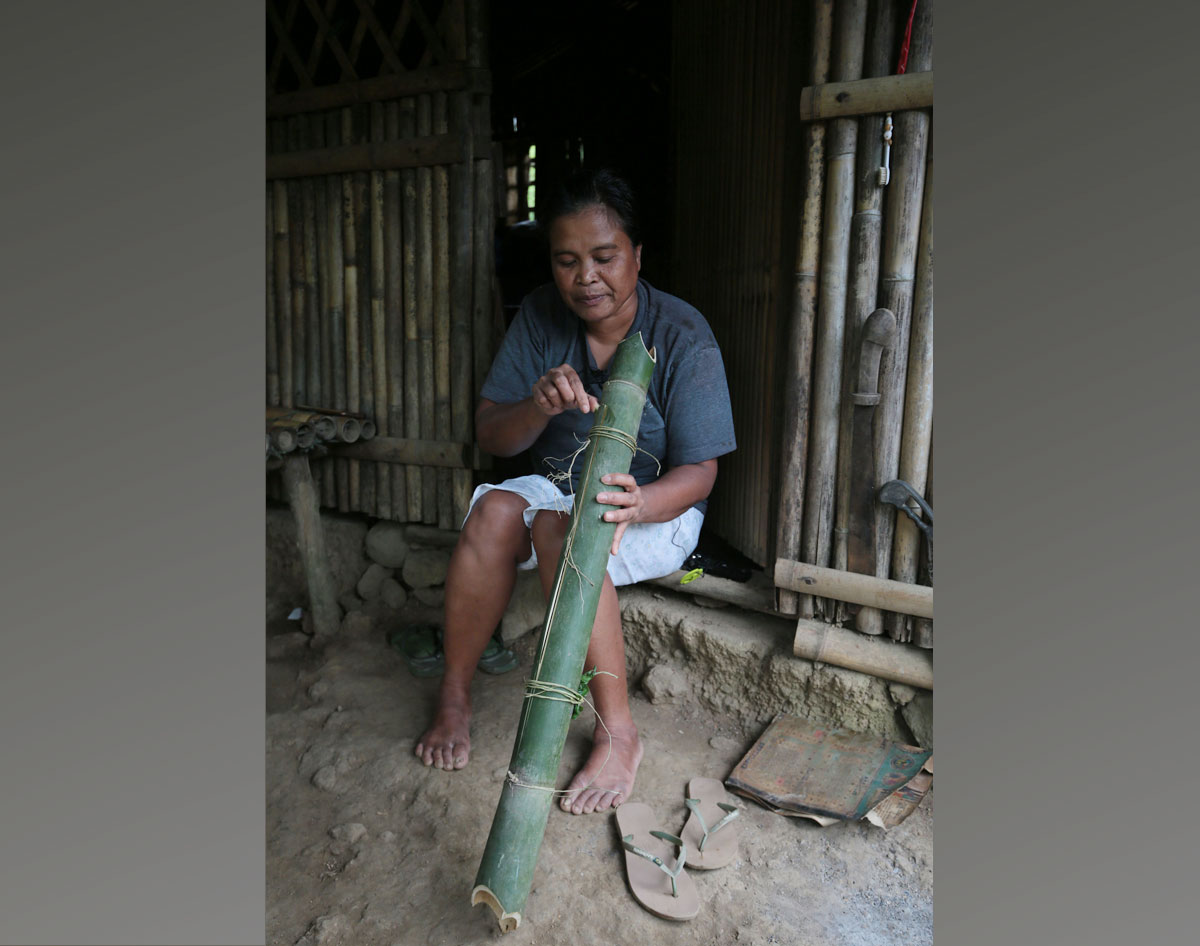
Part of the community
For the Dumagats, these animals are also their co-equals in the eyes of nature, and they are related to these winged mammals like they are to their forefathers and mothers.
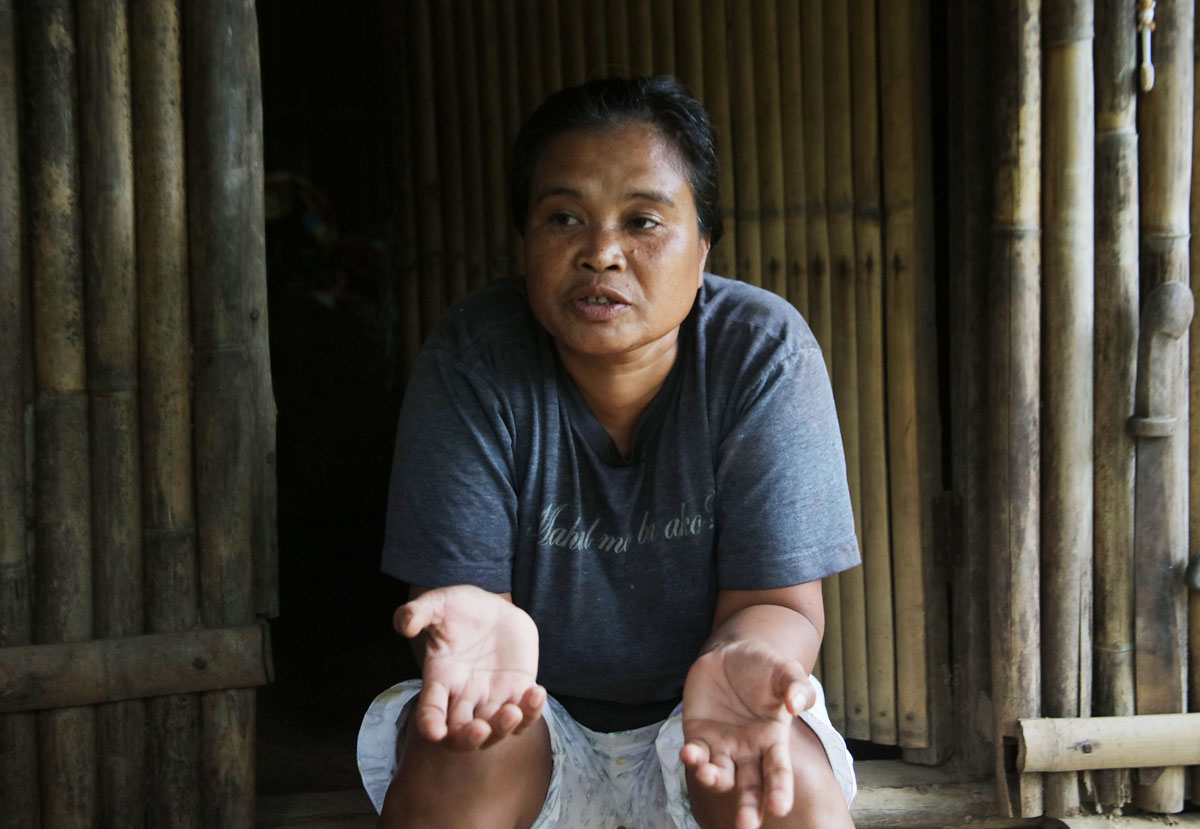
Marilyn turned emotional as she remembered the discrimination they endured as indigenous people who only wanted to preserve their cultural identities and food-gathering practices.
“Parang nagkakaroon ako ng emotions kasi, bilang katutubo,‘yun ang pananaw namin, hindi siya alaga. Kapamilya namin ‘yan. Kasi bahagi ng buhay namin ‘yan (It makes me emotional because, as indigenous people, it is our belief that animals should not be considered pets. They are a member of our family. They are a part of our lives,” Marilyn said.
“Pamilya namin sila. Pamilyar kami sa kanila (They are family. And we are know them),” she added.
Still, the Philippine government cautions against the consumption of wild animals to prevent a zoonotic spillover, or a scenario of wildlife viruses jumping to humans and possibly causing a pandemic.
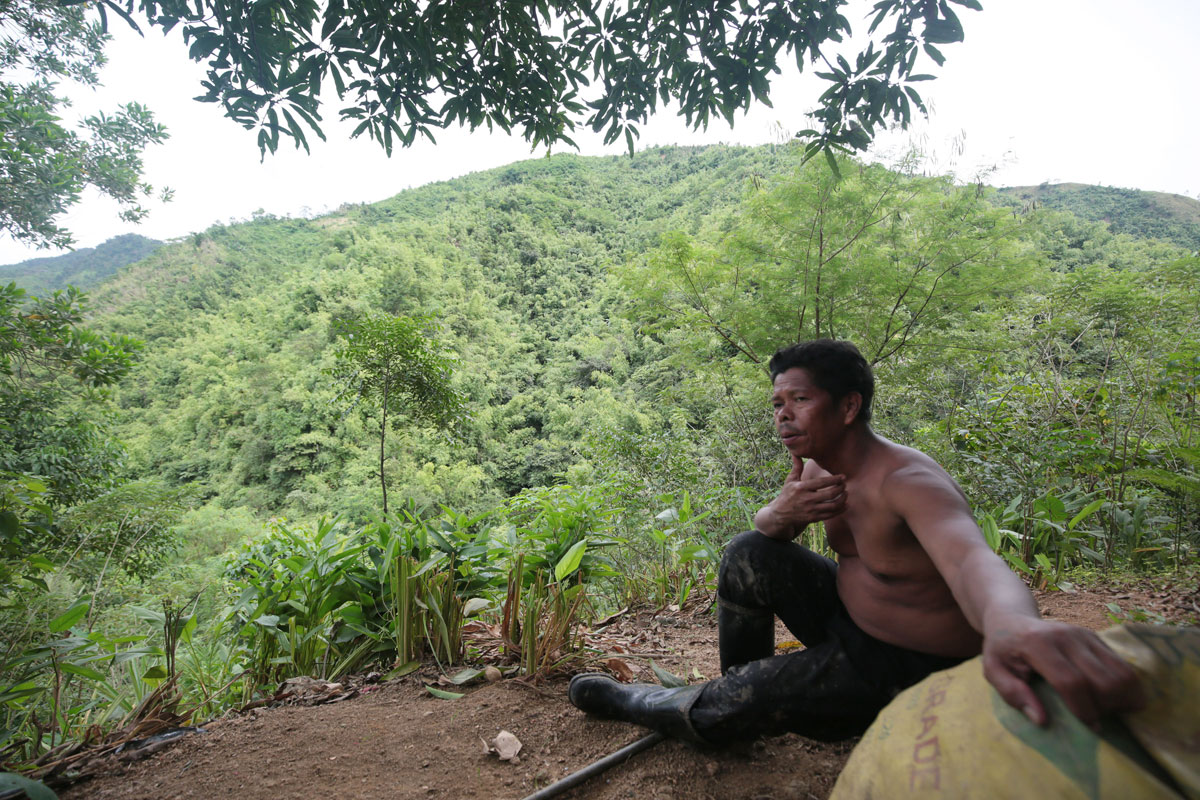
For Anson Tagtag, a wildlife specialist at the DENR, these winged mammals should not be eaten and should instead be left undisturbed.
Tagtag, now the officer in charge of the DENR’s
Cave, Wetland and Other Ecosystems Division, has done research on the
Reston ebola virus (RESTV) detected in bats. This type of virus was
first detected among monkeys exported from the Philippines to Reston, Virginia in 1989.
Several RESTV outbreaks occurred between 1989 and 2008 in the Philippines, particularly in the provinces of Bulacan, Pangasinan, and Laguna. Animal handlers got sick after they were exposed to infected monkeys and pigs. Experts said the infected animals were kept at a facility located near fruit-bearing trees, which may have attracted the bats to the animals triggering a virus spillover.
According to a study, the Philippine team (including Tagtag) with the help of the United Nations captured 464 bats from 21 species for sampling, and “detected both serologic and molecular evidence of RESTV infection in Philippine bats.” These bats were captured in Subic Bay in Zambales and in the province of Bulacan, the site of an earlier RESTV outbreak.
Of the samples, RESTV was detected through the oropharyngeal swab of three Miniopterus schreibersii bat species. And the virus strain “clustered phylogenetically with the 2008 pig-derived sequences and the historic 1989 Philippine primate-derived sequence,” the study said, referring to the previous RESTV outbreaks in the Philippines.
But Tagtag explained the study remains limited due to a small sampling size.
“The findings suggest that ebolavirus infection is taxonomically widespread in Philippine bats, but the evident low prevalence and low viral load warrants expanded surveillance to elaborate the findings, and more broadly, to determine the taxonomic and geographic occurrence of ebola viruses in bats in the region,” the study read.
The Philippines’ experience with outbreaks traced to bats has only bolstered the need to keep these winged mammals in peace, the DENR official said.
“Based on the analysis of the samples we collected, indeed Reston ebola virus was detected among Philippine bats that were sampled. The study concluded that it looks like the Reston ebola virus is prevalent in bats,” Tagtag said.
Tagtag maintained that bats are “non-food animals” and are not staple food among indigenous people, although he conceded that the rights of these groups to their practices, knowledge systems, and self-determination are protected under the law.
But laws like the Wildlife Resources Conservation and Protection Act and the National Integrated Protected Areas System Act also protect endangered animals - like bats - from being killed, Tagtag noted.
“Recognizing that they are natural reservoirs of viruses, they are not food animals… It is not a staple source of meat. There is no necessity to hunt bats,” Tagtag said.
Tagtag oversees the government’s program to protect caves from poaching. His team has assessed 700 of the estimated 3,000 caves in the Philippines. At least 150 caves were identified as roosting grounds for bats.
The DENR has identified several bat species at risk of extinction due to habitat disturbance by humans on both caves and forests, Tagtag said.
In Subic Bay, where a bat sanctuary is located, the roosting ground once had a population of over 100,000 flying fox bats. Authorities said the population has dwindled to 15,000 bats.
In Boracay, the Philippines’ prime island tourist destination, bats numbered to as many as 50,000 but dwindled to just around 100, Tagtag bared.
According to the DENR, among the bat species found in the Philippines, the golden-crowned fruit bat and Philippine bare-backed fruit bat are critically endangered; the Philippine tube-nosed fruit bat, Palawan flying fox, and giant flying fox are endangered; and the wooly flying fox, Philippine gray flying fox, white winged fruit bat, Philippine dawn bat, Mindoro stripe-faced fruit bat, and Mindoro pallid flying fox are vulnerable.
“Judging from the reports that we see, it looks like the population of bats is so affected by habitat destruction, hunting, direct assault and disturbance by human beings,” Tagtag said.
To protect bat populations in the country, Tagtag noted the DENR has launched a campaign to remove the stigma on bats and highlight its ecological role in the environment.
“One emphasis was to remove the misconception that we have on bats. Vilifying them with vampire stories… Those are not true. They are part of our natural ecosystem and should be appreciated for their ecological services,” Tagtag stressed.
Tagtag said that they are working with local government units and indigenous communities to protect the bat habitats and regulate wildlife there.
While bat hunting for food remains a common practice, Tagtag said there are other sources of meat for the country’s IPs. Bats are also being targeted by non-indigenous people looking for exotic meat to go with their drinking sprees. Meat eaten with liquor in the Philippines is called “pulutan,” and bats are famous as a viand to go with alcohol.
In Bulacan, four poachers were arrested for catching 6,000 wrinkle-lipped bats, classified as vulnerable bat species, from the Biak-na-Bato National Park. Only 100 of the seized bats were rescued alive. The bats were supposed to be sold to restaurants for its exotic cuisine, according to reports.
“Practices can evolve. Maybe these practices are no longer ideal. Cultural practice can change with the realization of what is happening to the environment and the call of the times,” Tagtag said, adding that IPs should be aware of the risks involved with eating bats “especially at this time of pandemic.” Bats are a natural reservoir of coronaviruses.
Warnings
Alviola agreed that there remains no proof that cooking can kill the bat pathogens. Even the food preparation of cutting up the bat can expose a person to the virus through the mammals’ infected blood, he added.
But despite their warnings against bat consumption, both Anson and Tagtag concede that the indigenous practice poses little impact as opposed to massive wildlife trafficking, which is widely seen as the culprit for the emergence of zoonotic diseases.
“Bush meat consumption is, more often than not, confined to IP groups who are marginalized socio-economically. They don’t have access to some of the food that we take for granted. It's perfectly fine. It is stated in the Convention on Biological Diversity for the rights of IPs to be respected, for all walks of life: food consumption, rights to their own land, and the right to consume resources of their land,” Alviola said.
With these government warnings against indigenous hunting, it seems even pandemic restrictions are trampling down on the indigenous peoples’ right to continue their food gathering practices even though it is the illegal wildlife trade that is the culprit, according to a group protecting indigenous rights.
For Maya Quirino, advocacy coordinator for the indigenous rights group Legal Rights and Natural Resources Center (LRC), science and indigenous practice can go hand in hand without the need to discriminate against indigenous knowledge systems.
“They only do subsistence agriculture. If they do eat bats, they do not harvest it.. Their vision of development is always anchored on ecological balance,” Quirino said, noting that the Indigenous Peoples Rights Act protects the IPs’ rights to their ancestral domain. The LRC was one of the proponents of the law when it passed in 1997.
There is no conflict between the scientific endeavor in looking for the pandemic’s origins and the indigenous knowledge system, she added. Quirino expressed hope that scientists can work with indigenous groups in their studies on zoonotic diseases.
She called this intersection of science and indigenous studies “participatory epidemiology,” which is defined in a study as an “evolving branch of veterinary epidemiology which uses a combination of practitioner communication skills and participatory methods to improve the involvement of animal keepers in the analysis of animal disease problems.”
Quirino believes indigenous peoples will understand the importance of avoiding the winged mammal if there is another outbreak traced to bats.
Until then, the indigenous practice of hunting should not be blamed for triggering a virus spillover.
“They are not fossilized human beings. They are dynamic, and they are part of modernity. If zoonosis poses a risk to their survival, they are open to that kind of conversation… I’m sure they will listen to science. Their own indigenous science can work with the modern sciences,” Quirino said.
Tagtag emphasized indigenous groups can be part of the government’s comprehensive pandemic response called “One Health,” wherein research on zoonotic diseases covers all pathogens afflicting plants, animals, and humans.
“One Health” can involve the indigenous peoples by tapping their help in managing wildlife resources and protecting the environment to prevent zoonotic spillovers, Tagtag said. “We need to act on the virus aspects of human health, animal management and environmental management… Bottomline is, when we keep the viruses in their natural state, they won’t transfer. And these will not be virulent.”
Quirino underscored that even before the pandemic, indigenous groups have always been involved in protecting the environment from poachers.
For one, the Dumagats have taken to heart their role of protecting the forests where they find their sustenance.
Dumagat leader Marilyn said it is in their nature to gather just enough fruits, root crops, or animals, without need to deplete their resources in the wild. Qurino said this forms part of the ethnolinguistic group’s innate subsistence living.
“Hindi kami kumukuha ng sobra sobra o binebenta namin. Maaaring may pananagutan kami sa batas kung siya ay aming aabusuhin, or lalo na kung ibebenta namin bilang hanapbuhay namin. Wala po kaming katuwiran doon, bilang customary law namin, bilang kinaugalian namin na bawal sa amin ‘yun. Kailangang protektahan mo siya, pangalagaan mo siya, kasi hindi siya basta hayop na ituturing o pagkain lang (We neither hunt for food excessively nor sell it. We may have accountability in the eyes of the law if we do abuse it, especially if we make a livelihood out of it. But there is no reason for that, because under our customary law, and our beliefs, that is prohibited. We need to protect the wild animals, and take care of them). Because they are not mere animals that we treat as food),” Marilyn said.
“May buhay ‘yan. Bakit mo gagawing hanapbuhay rin? (That animal has life. Why will you make a livelihood out of it?)” she added.
The Dumagats of Puray, Rizal believe hunting animals for food is harmless compared to the more destructive wildlife trade, or the exploitative display of animals in zoos. For this ethnolinguistic community, animals are better kept alive in the wild. These animals can count on indigenous peoples as their protectors, Marilyn said.
“Pakiramdam namin mayroon kaming kaugnayan sa isa’t isa. Kailangan niya ako dahil kailangang alagaan ko siya, protektahan ko siya. Kailangan ko siya para paramihin at kung minsan maging pagkain. Gano’n ang pananaw namin (We believe we are related to each other. It needs me for its protection. I need it to propagate for my food. That's our simple belief),” she said.
This respect for animals even if they are a source of meat is part of a indigenous belief system called “biocentric egalitarianism,” which essentially means that for the Dumagats, animals and people are equal in the eyes of nature, Quirino said.
“In the eyes of the indigenous groups, people, animals, and plants are equal. When they get food, it is for sustenance, not for large-scale profit,” she said.
For Virgilio, the small brown bat he is holding in his hand won’t bring him any harm. In fact, he looks forward to eating it because it was exactly the size that tastes the most delicious.
Because the Dumagats believe in Divine Providence, Virgilio asked for forgiveness from nature before he opened a slot on the bamboo, pulled out the bat and pinched its neck. The bat shrieked and breathed its last before it became Virgilio’s snack.
Virgilio bragged that he could eat 10 bats in one sitting after roasting them skewered on bamboo sticks. “Like a bat-becue,” the other Dumagats quipped.
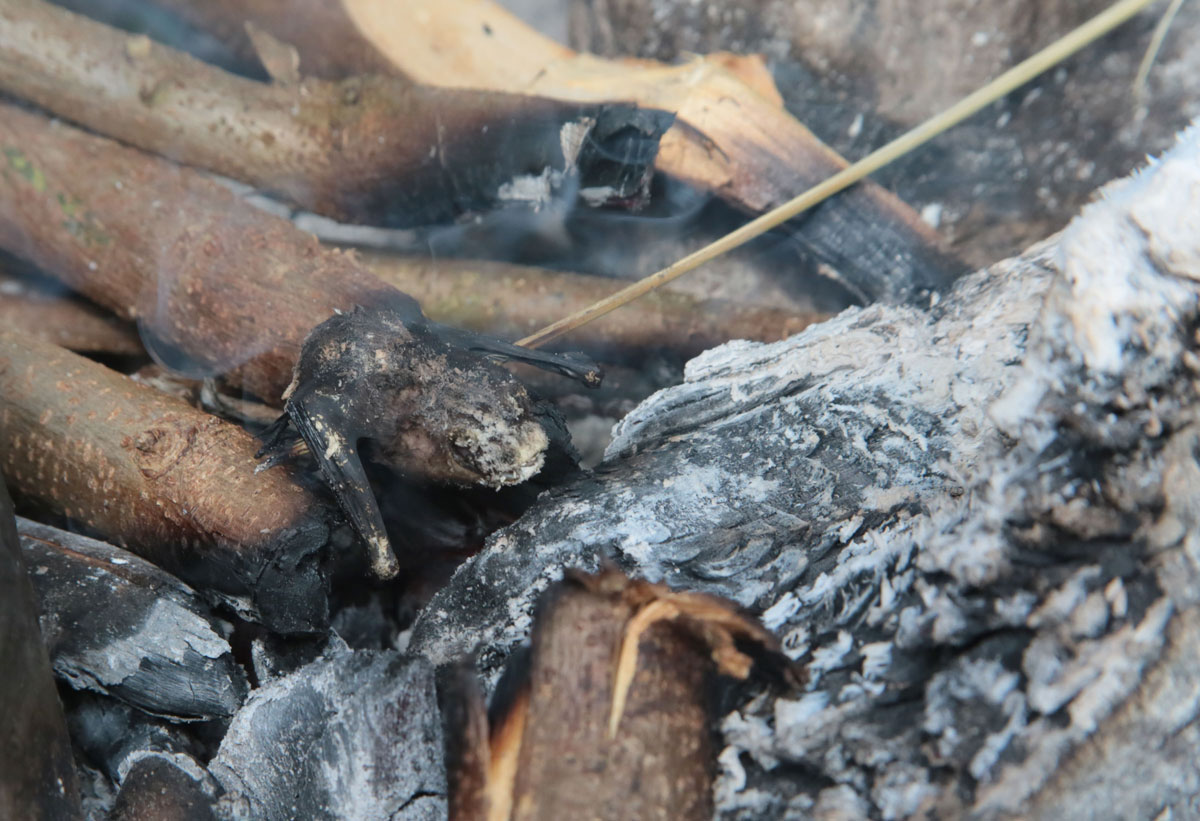
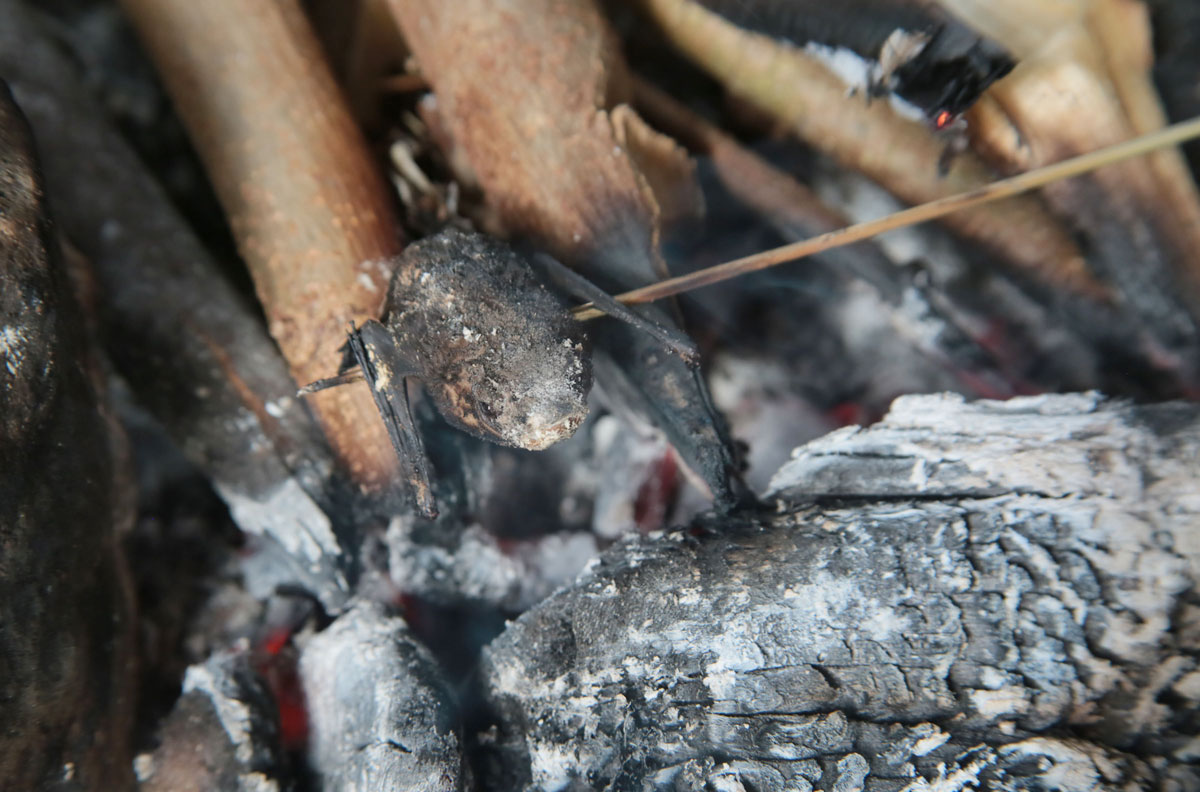
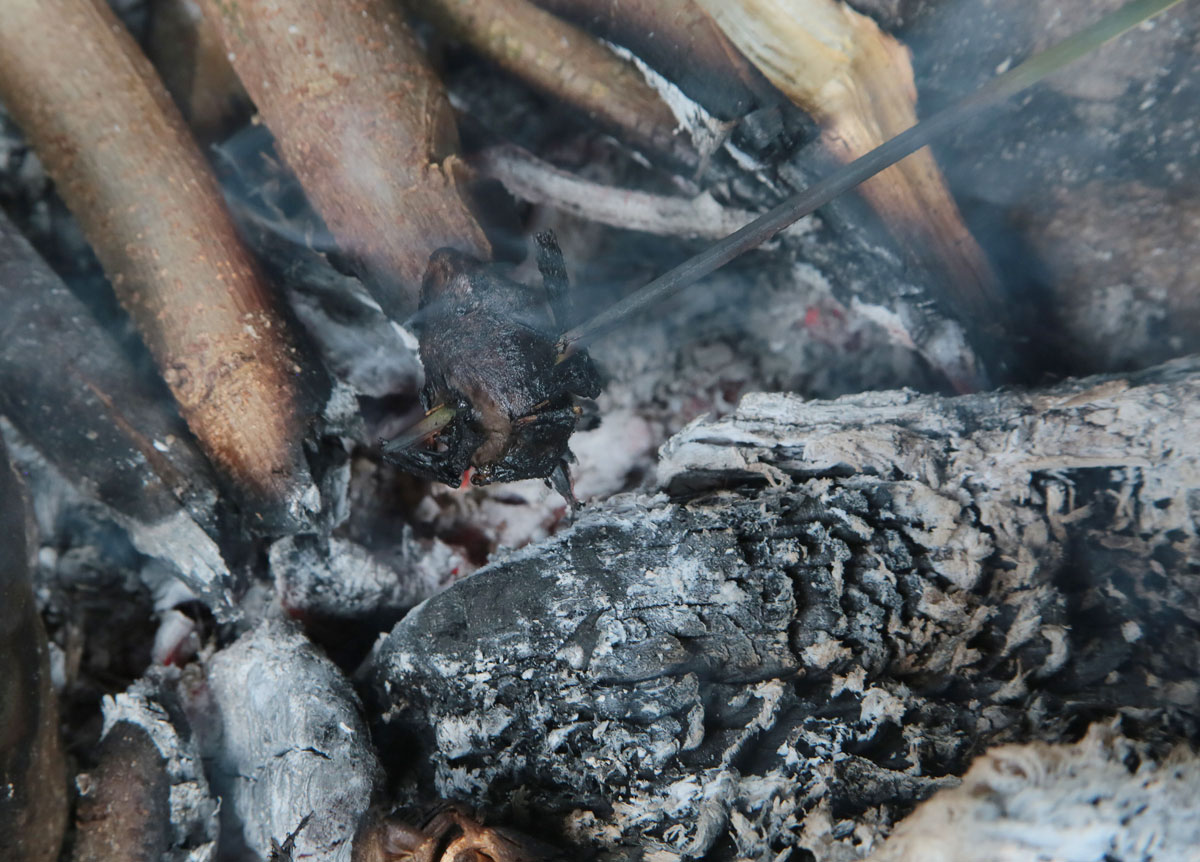
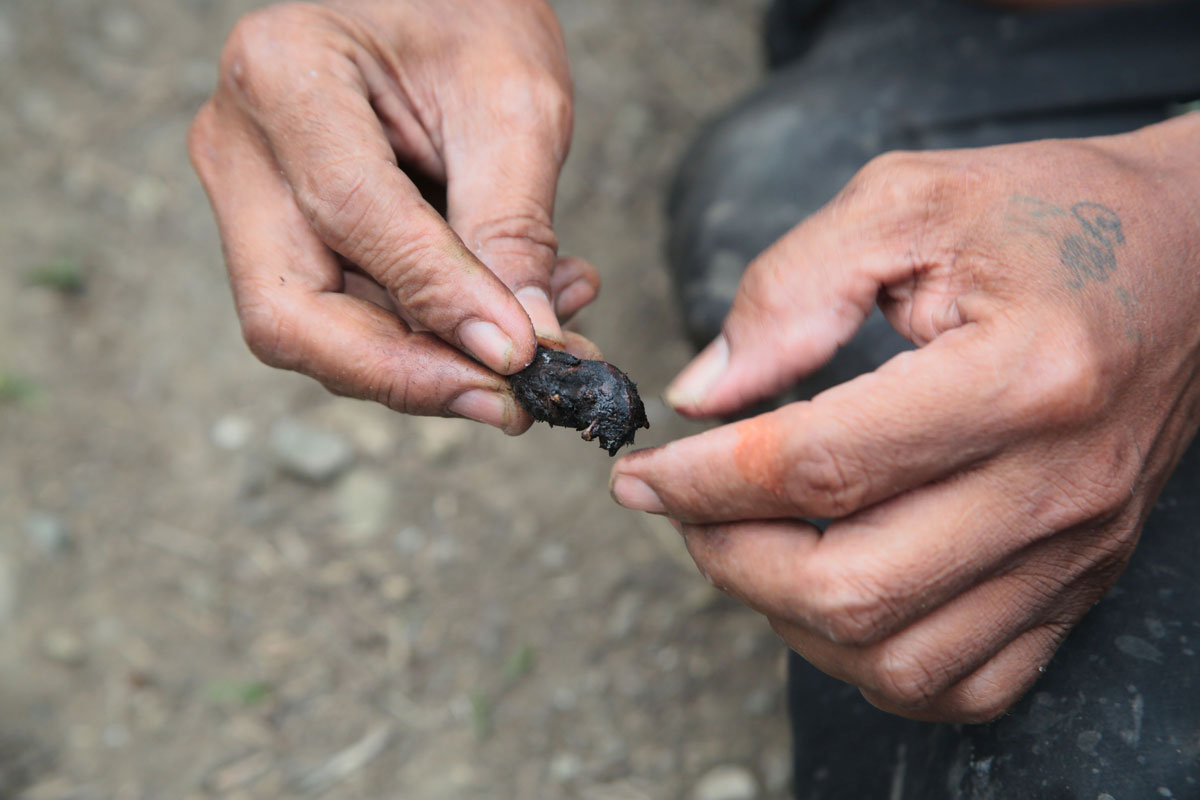
The Dumagats have three distinct ways of cooking bats. One is to roast them skewered in bamboo stick so the bats so the bats are cooked but remains juicy inside. For a larger bat, they can chop it up, remove the innards, and cook it in a pot. They typically flavor the bat with salt and sour-tasting leaves like binukaw that they can easily find in the wild.
For this lone bat, Virgilio chooses the easiest cooking method – roasting it over fire.
Usually, the bat claws close around the stick for easy roasting. But the already lifeless bat that Virgilio caught had to be poked. Shirtless after hunting the bat and his pants muddied, Virgilio twirled the bat over the embers and its fat could be heard simmering in the heat –a good sign, the Dumagats said, that the bat is tasty.
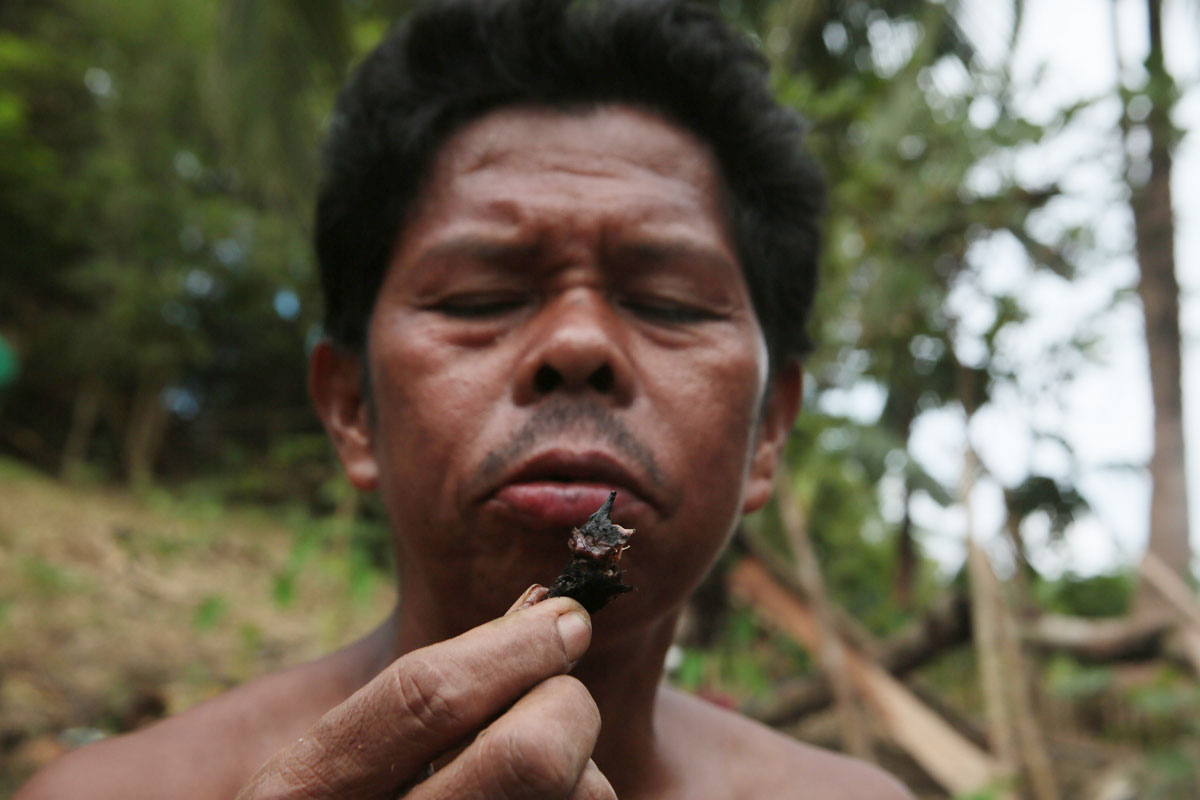
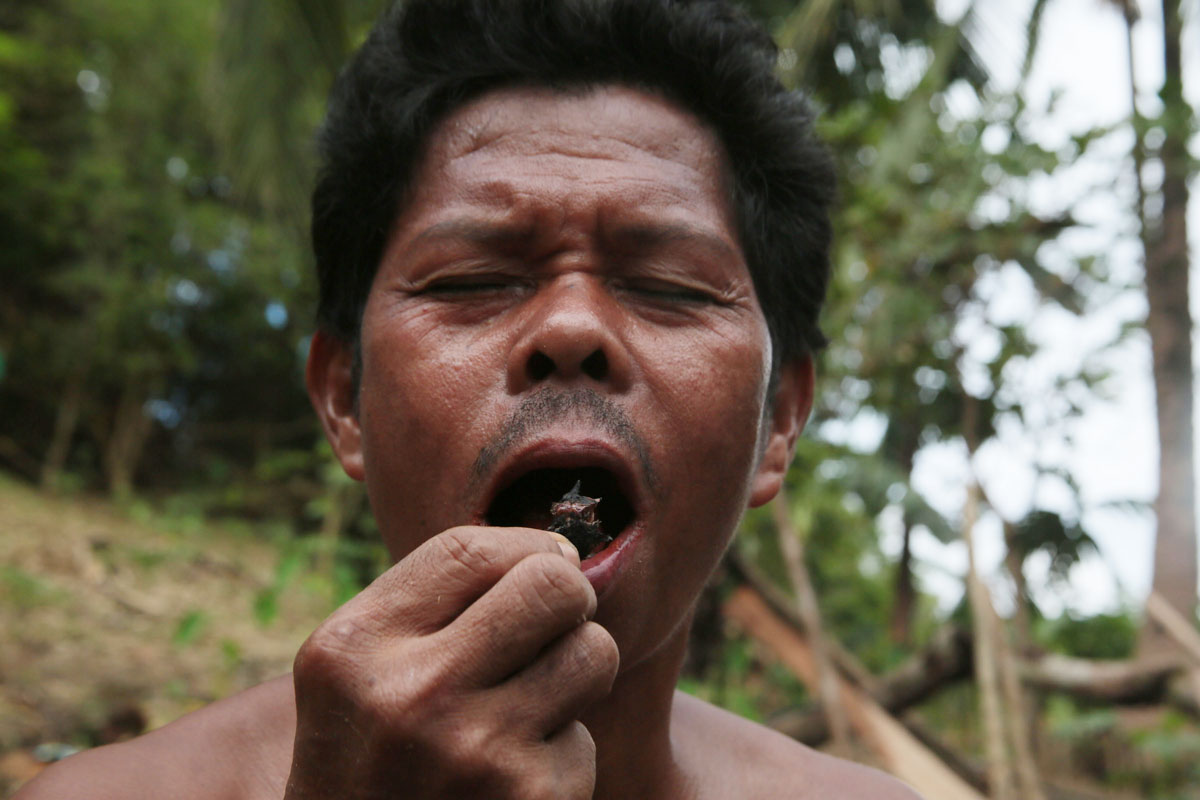
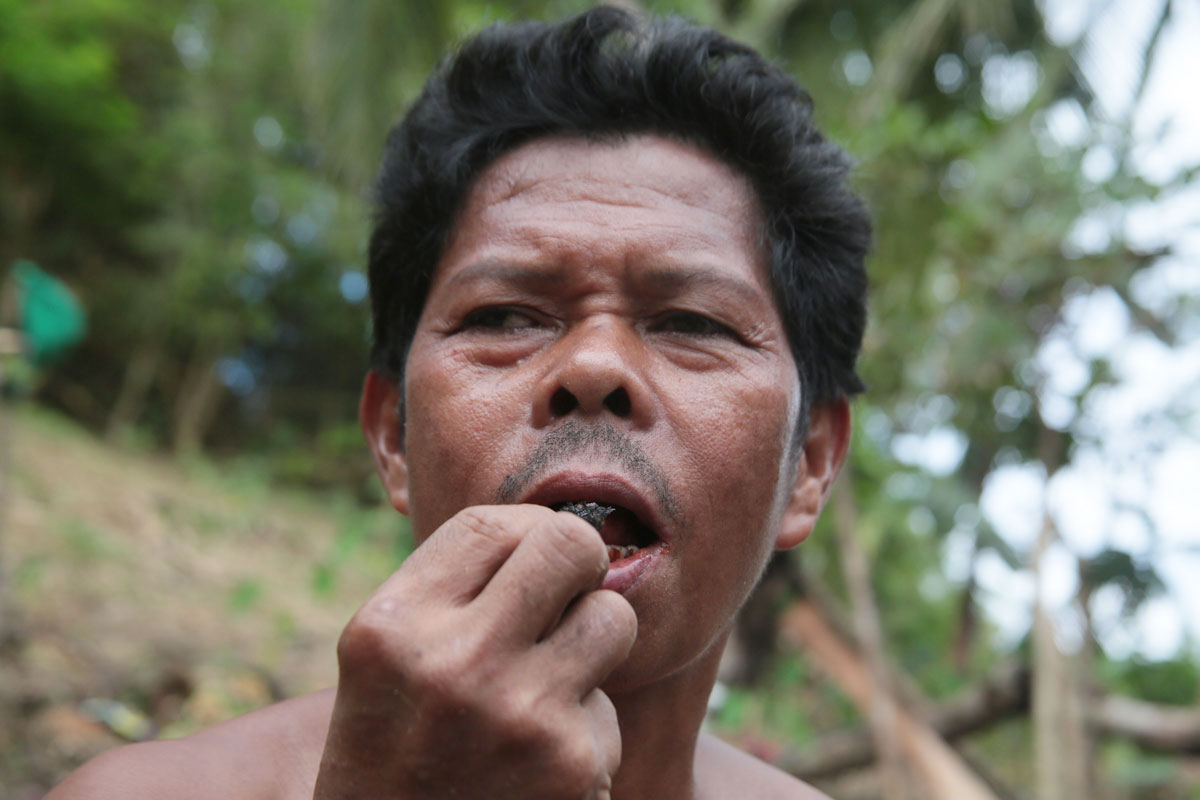
When it was done, Virgilio brushed off the blackened skin, fur, and charred wings and took a bite, showing us the dark inside of the bat.
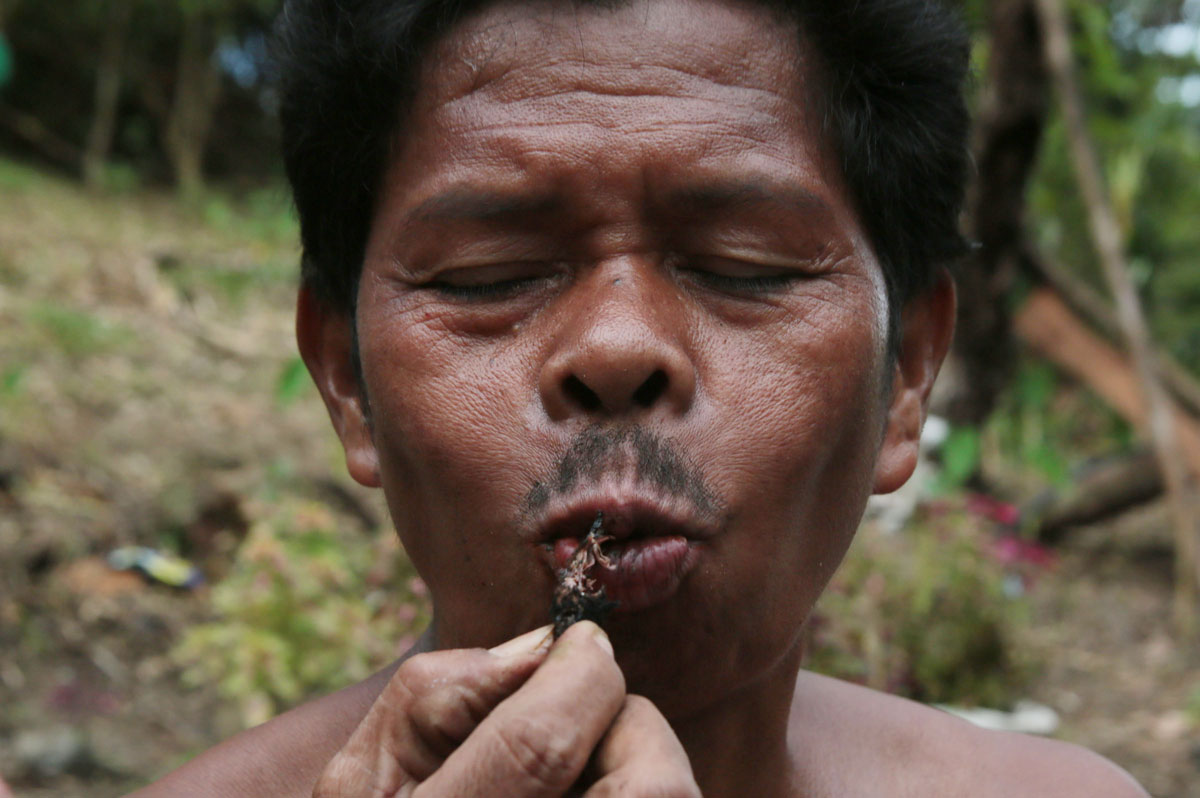
Before we could stop him, Virgilio popped what remained of the winged mammal into his gaping mouth, his teeth red from betel nut chewing. Asked what it was like, he said the bat tasted just like roast beef.
“Hmm! Masarap (Delicious)!” he said in delight.
This story is supported by the Earth Journalism Network’s Asia-Pacific project, as part of its story production grant on Zoonotic Diseases and One Health in the region. The Philippine STAR reporters Romina Cabrera and Marc Jayson Cayabyab, and photographer Michael Varcas as well as commissioned videographer Kathleen Lei Limayo visited a Dumagat community in Barangay Puray, Rodriguez, Rizal in November to learn about their indigenous food-gathering practices.
Read More: ‘VIRUS HUNTERS’: Filipino Scientists Explore Phl Hotspots In Search Of Coronaviruses In Bats