



Saudi Airport Passenger Terminal Struck Again, A Day After 13 Were Killed, Hundreds Wounded Including 4 Filipinos
At stake, again, in this escalation are global supplies and prices of oil as well as commercial shipping through a crucial alternative waterway to the Iran-threatened Strait of Hormuz — along with civilians and aviation throughout the region.
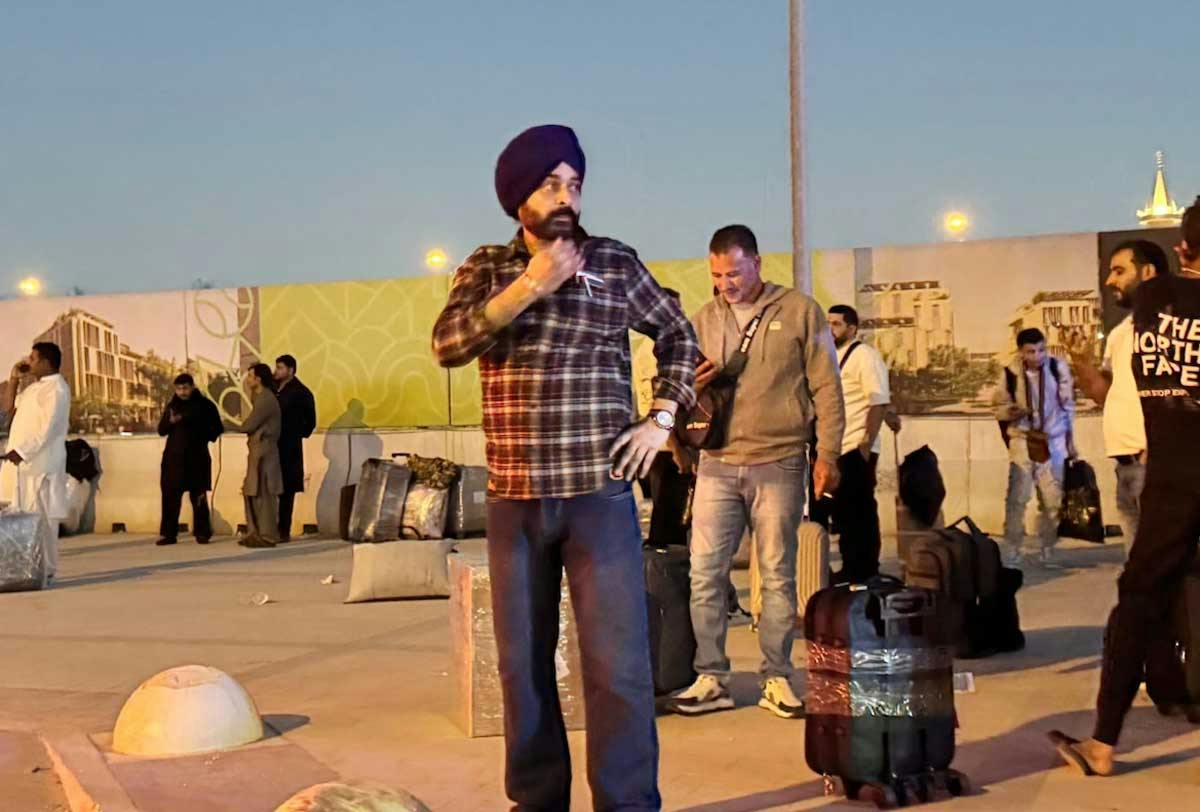
CAIRO – A projectile struck a passenger terminal at the international airport in Riyadh on Sunday, Oct. 12, a day after a missile hit the same terminal and killed 13 people, the Saudi-led coalition fighting Iran-backed Houthi rebels in Yemen said. The Houthis claimed responsibility for those attacks and others.
Saudi authorities said there were injuries in the latest attack on the King Khalid International Airport complex for terminals 3 and 4, serving domestic flights. The airport – struck four times in the past five days – has been closed since the missile attack on Saturday, Oct. 11, which was the deadliest in a Gulf Arab nation since the Iran war began. Over 300 other people were wounded, some critically.
In Manila, the Philippine Department of Migrant Workers said four Filipinos were injured during the attack on Saturday and were taken to different hospitals in Riyadh.
Based on the report of labor attaché Dominador Salangga of Migrant Workers Office (MWO)-Riyadh, three of the Filipinos were at the intensive care unit while the other one was set for discharge from the hospital.
The sharp escalation in the war’s new front threatens to draw in greater US military involvement. US President Donald Trump has said he is weighing joining the fight against the Houthis. There was no White House comment Sunday.
India’s embassy in Saudi Arabia said one of its citizens died Sunday of injuries sustained in Saturday’s attack, which would bring the toll from 12 to 13. Saudi authorities later said King Fahd International Airport in Dammam also was attacked, with few details. The city is on the Persian Gulf near Bahrain and Qatar.
The latest strike in Riyadh came shortly after the Houthis said the airport in the rebel-held Yemeni capital of Sanaa had been struck again, and blamed the Saudis.
At stake, again, in this escalation are global supplies and prices of oil as well as commercial shipping through a crucial alternative waterway to the Iran-threatened Strait of Hormuz — along with civilians and aviation throughout the region.
Trump said he planned to speak to Saudi crown prince
There was no sign Sunday that Trump had followed up on plans to speak with Saudi Crown Prince Mohammed bin Salman, who has been seeking assistance against the war-hardened rebel group that is currently Iran’s most dynamic proxy.
A US intervention could prompt the Houthis to halt shipping through the Bab el-Mandeb Strait at the southern end of the Red Sea off Yemen, further restricting the flow of oil out of the Persian Gulf. The rebels seized key areas along the strait last month. The Saudi-led coalition, backing forces with Yemen’s internationally recognized government, has been trying to seize them back.
The rebels’ strikes against Saudi airports, oil infrastructure and military facilities highlight a problem. The kingdom is running low on missile interceptors and has asked France, Britain, Pakistan and Egypt to deploy air defense support to the region, regional officials told The Associated Press last month, with one noting that the US has seen its own stock dwindle during the Iran war.
Some airlines have suspended flights serving Saudi airports, and some embassies have cautioned citizens about the risks of using them, after multiple Houthi warnings about the rebels’ use of Saudi airspace.
Sunday’s attack occurred as the Saudis hosted a major international energy conference in Riyadh, with other high-profile events including an investment gathering on the horizon. Saudi Arabia under Crown Prince Mohammed bin Salman has sought to open more to the world as a business and tourism destination, but the Houthi attacks threaten those efforts.
“There is no way that somebody will break our back. We are like a phoenix, we come out of the ashes all the time,” the Saudi energy minister, Prince Abdulaziz bin Salman Al Saud, told the conference.
He added that the kingdom is also working on pipelines in addition to the East-West one that was attacked and closed for days last month, with no details.
The toll rises on both sides
Earlier on Sunday, the Houthi-run health ministry said a child was killed and six people wounded in a suspected Saudi airstrike on a house in Sanaa. The ministry also said 91 Yemenis have been killed by the Saudi-led coalition in five weeks, 60 percent of them women and children.
There was no immediate comment from Saudi authorities on the claims, as fighting in Yemen surges after a major military offensive was launched against the Houthis a week ago.
Inside Saudi Arabia, identities emerged for some of those killed in Saturday’s attack in Riyadh, including an Egyptian flight attendant and a Syrian widow living in the kingdom.
The US citizen has not been publicly identified.
An expert says the Houthis’ tactics could backfire
The Houthis until recently had been largely on the Iran war’s sidelines. They have developed their military capabilities in recent years to become one of Tehran’s most powerful allies. Now they’re pressuring its regional rival and a key US ally.
Late Sunday, Saudi Arabia and Iran said their foreign ministers had spoken by phone. Iranian Foreign Minister Abbas Araghchi said he warned against insisting on a military approach and ignoring a political solution, and said Tehran was ready to help start a dialogue between the Saudis and the Houthis.
The Saudis and Houthis began fighting in 2015, when the kingdom entered Yemen’s civil war on behalf of the government. Relative calm after a 2022 ceasefire ended in July when the Houthis resumed attacks, saying the Saudis fired on the Sanaa airport as a plane from Iran was trying to land.
The attack revived anger over the Saudi-led blockade that has largely isolated Houthi-run areas. The rebels declared a blockade on Saudi Arabia.
Now the Saudi-led coalition is providing air support for Yemeni government forces attempting to reverse Houthi territorial gains.
But the rebels’ pressure tactics could backfire, said Ahmed Nagi, the International Crisis Group’s senior analyst for Yemen: “Rather than pushing Riyadh to step back, attacks on critical Saudi infrastructure could make the Saudis more determined to continue the campaign.”