Vico Sotto: From The Ateneo Classroom To The World
During recitation time, I would call the students, and when no one could answer one particularly difficult question, my eyes would automatically look at the quiet student in the middle of the class, and call Vico Sotto to recite. He never failed.

The United States government had just chosen Pasig City Mayor Vico Sotto as one of its “12 anti-corruption champions” all over the world. This news warms the heart of those of us who had the privilege of teaching him in school.
The now-famous mayor was one of the 25 students in my freshman class at Ateneo de Manila University more than 10 years ago. It was one of the last classes that I had taught full-time at Ateneo, where I was an associate professor. One year later, I would take early retirement to work as a communications officer at the United Nations Development Program. It was a career decision that I’m sure Vico would understand, because social development was the same path he would later take.
I taught Introduction to Poetry from 2:30 to 3:30 p.m. every Monday, Wednesday and Friday, and The Research Paper from 3:30 to 4:30 p.m. on the same days. Vico was in the batch along with other Political Science majors and AB students. This cluster of students was generally bright and attentive, so it wasn’t hard to teach them.
On the first day of class I was calling the students’ names from the class list when I saw his name and his middle name. I looked up and asked Vico, “How is your mom, Constancia?” He laughed. He would tell me later that I was one of the few people in the world who knew his mother’s real name. Constancia Reyes is, of course, Connie Reyes, who shot to fame as a co-host of the popular “Student Canteen” show and then “Eat Bulaga” every lunch time on TV, and who later hosted her own weekly drama series. His father, as everyone knew, is the famous actor and comedian Vic Sotto.
In my Poetry class, we always began with the haiku. I would tell the students to research on a Japanese haiku of their choice, make a drawing of it using their hands (no computer graphics), and then write their interpretation or “reading” of the poem on the back of the coupon bond. The point was twofold: for them to have a deeper impression of the poem since they wrote it and drew its images, and to teach them how to speak in public.
But Vico needed no training to speak in public. He chose a haiku, drew well, and explained it without bucking. He always came to class well-prepared. Later, I asked the students to write a haiku of their own, and Vico also submitted a well-written one. In his classes, Vico always listened with rapt attention, looking at the teacher with hardly any movement, and only moved to take notes. He soaked up everything like a sponge.
I began Introduction to Research with lessons on critical thinking, on fallacies and logical reasoning. Vico was clearly heads and shoulders above the rest of the class. He always read the assigned texts, sat quietly in the middle of the class in his white shirt and blue jeans, and listened. During recitation time, I would call the students, and when no one could answer one particularly difficult question, my eyes would automatically look at the quiet student in the middle of the class, and call Vico to recite. He never failed.
Sometimes I talked to him before class, because he always arrived early. For an essay on childhood he wrote about his growing-up years at Valle Verde in Pasig City. It was a vivid piece of writing, describing the sounds and sights of suburban life with fluency of words. I once teased him that he should be in the movies: he spoke well, was good-looking and bright. He just laughed and said he wanted to take a master’s degree in government at the Ateneo.
"And then, what will you do?” I asked.
“I think I want to work in public service and government,” Vico replied.
So when Vico ran for councilor of Pasig City and won, I knew he would later train his sights at City Hall. And indeed, he ran for mayor of Pasig City in 2019 under the Aksyon Demokratiko Party of the late senator Raul Roco. Against all odds, he slayed a dynasty that had ruled the city for almost 30 years.
My gray hair will be as proud if, one day, he runs for congressman, then senator, then president of this land. God knows we need well-trained leaders whose decisions are based on data and evidence, and whose heart is in the right place.
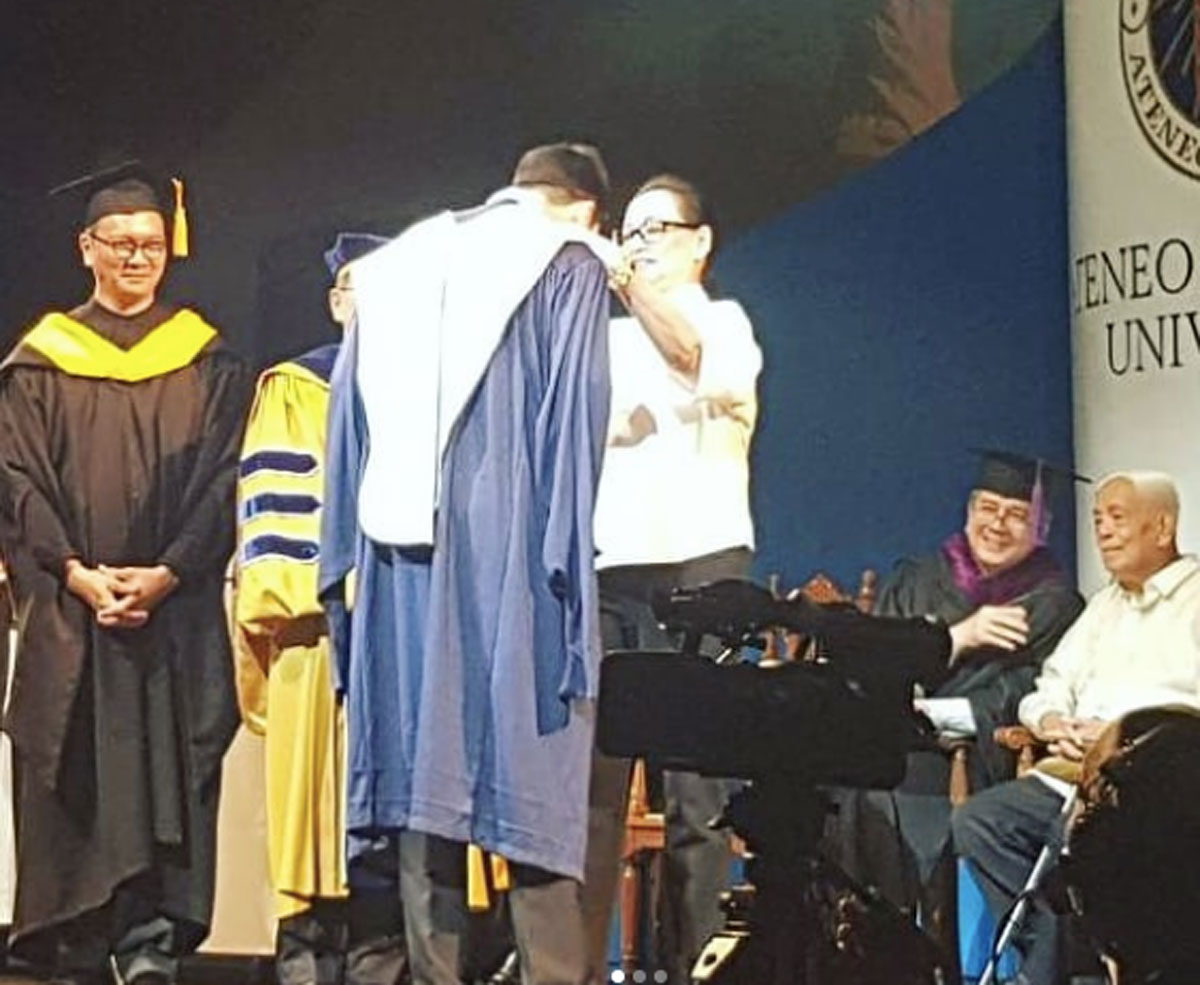
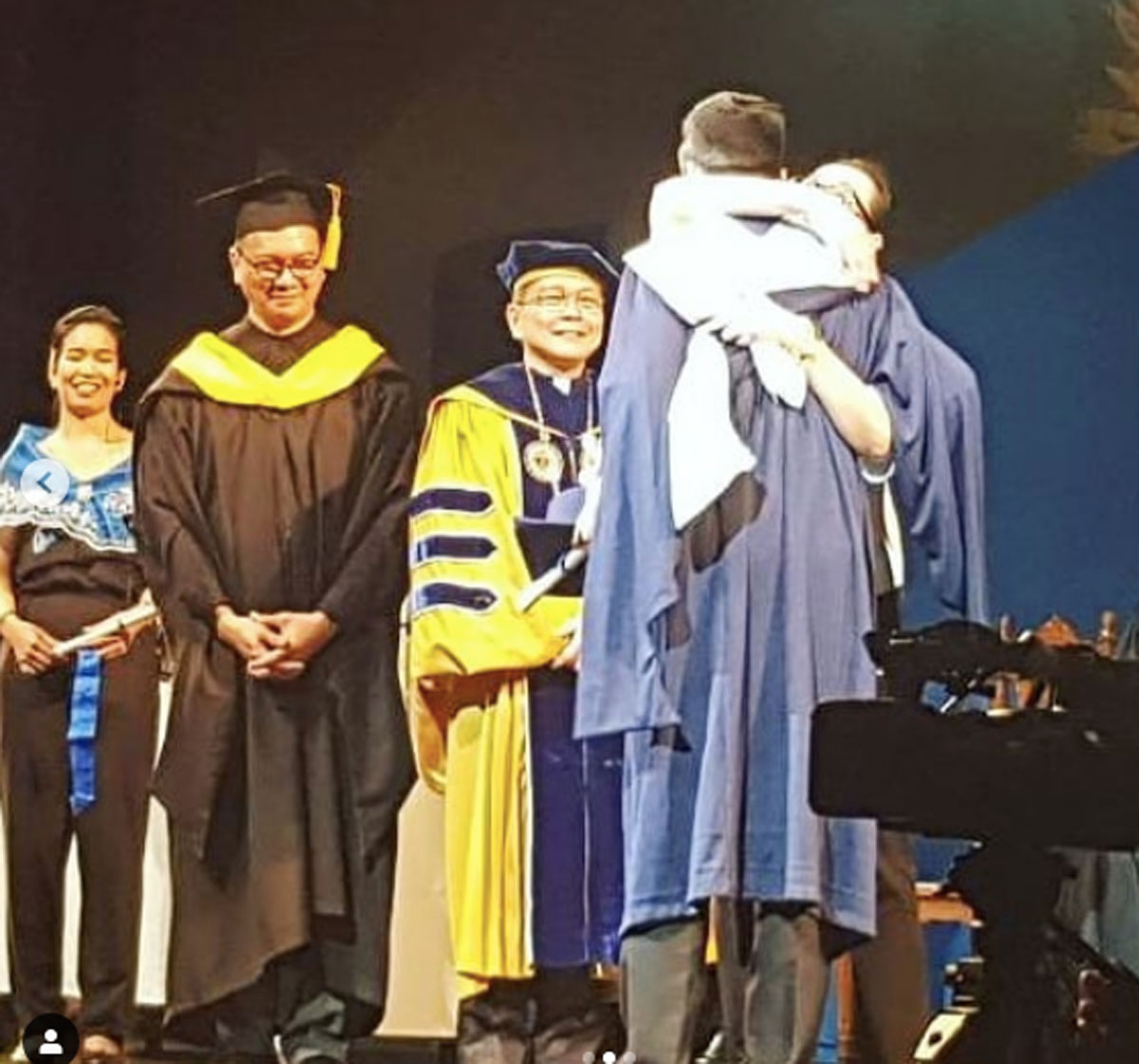
About the author:
Danton Remoto is a writer, educator, and the founder of Ladlad, the first LGBT political party in the Philippines. His latest book is Riverrun, A Novel, published by Penguin Books South East Asia. It is available at shopee.ph and worldwide through Amazon.