



The Week In Review: Super Typhoon Karding And Its Trail Of Destruction
About 20 storms and typhoons batter the Philippines each year, prompting authorities to ensure that deaths would be minimized if not completely avoided despite the trail of destruction that these calamities would always cause.
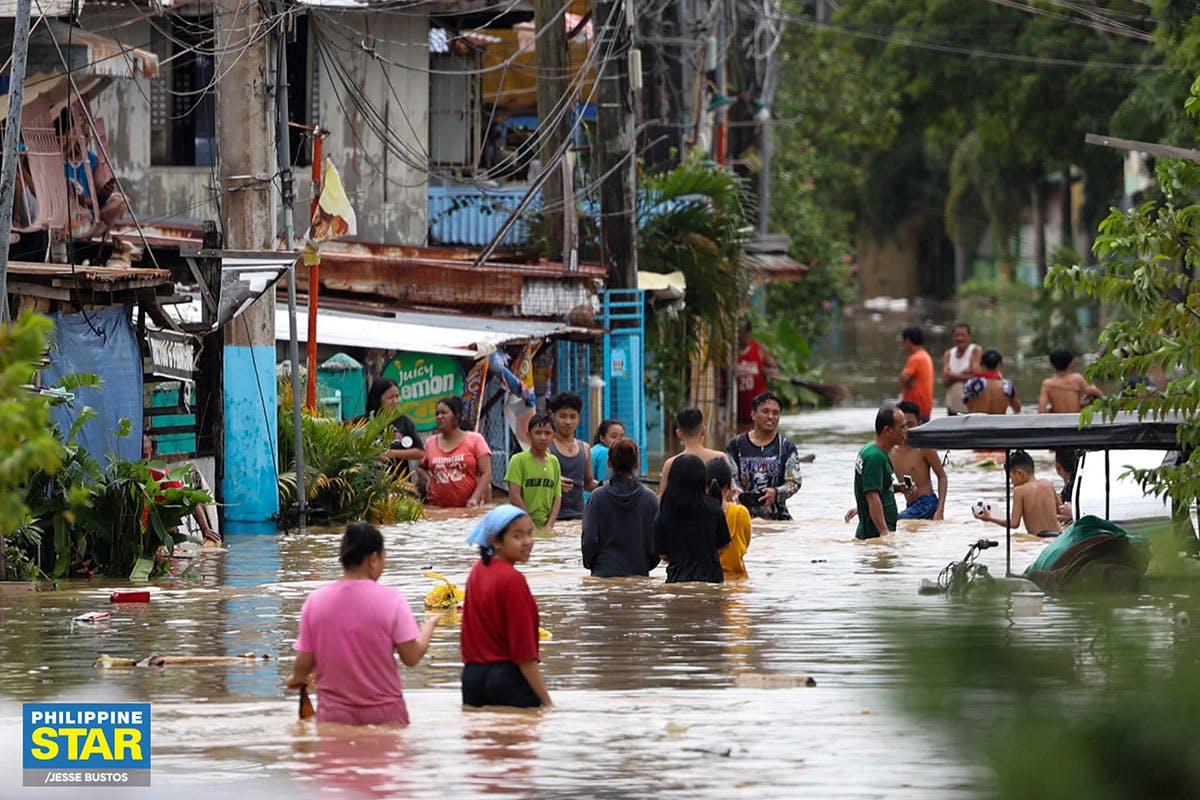
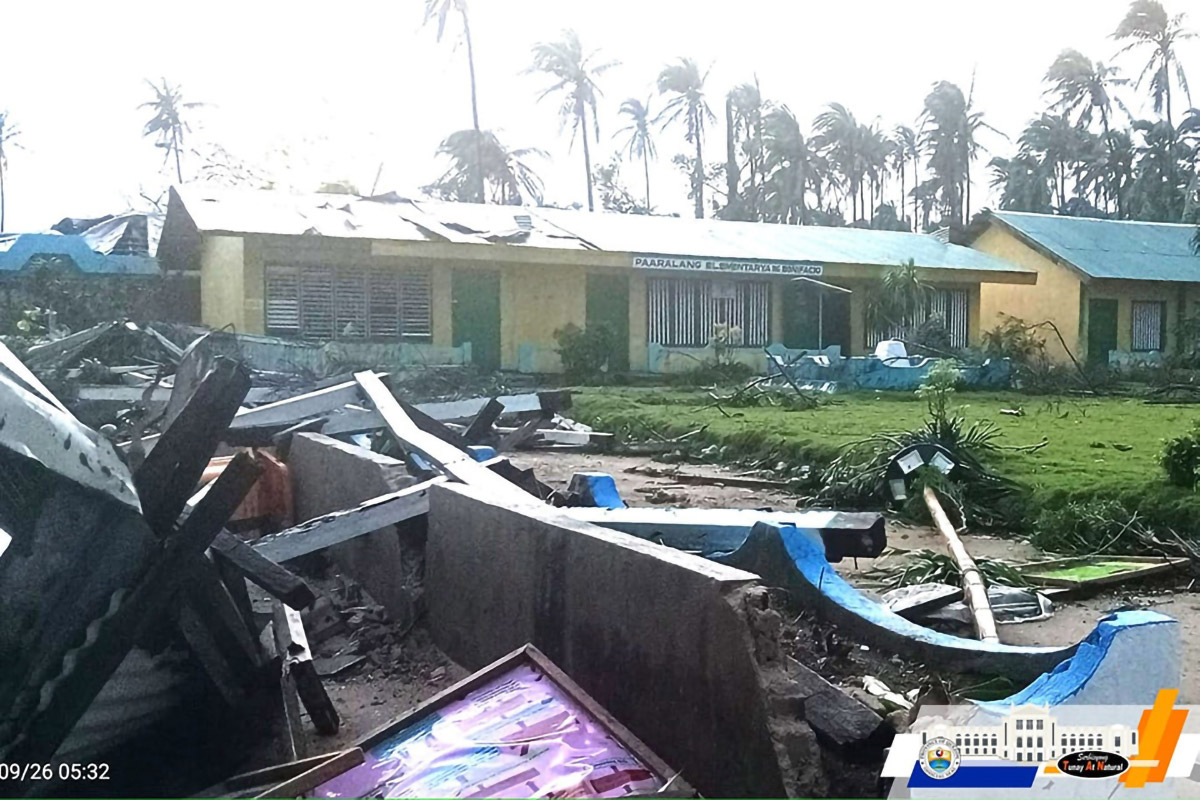
Super Typhoon Karding (international name Noru), the most powerful typhoon to hit the Philippines this year, slammed into the coast of Burdeos town in Quezon province before nightfall on Sunday, Sept. 25, then weakened as it barreled overnight across the main Luzon region, where thousands of people were moved to emergency shelters, some forcibly.
Karding then underwent an “explosive intensification” over the open Pacific Ocean before it hit the country, the Philippine Atmospheric, Geophysical and Astronomical Services Administration (PAGASA) said.
From sustained winds of 85 kilometers per hour on Saturday, Sept. 24, Karding became a super typhoon 24 hours later with sustained winds of 195 kph and gusts of up to 240 kph at its peak late Sunday.
By Monday morning, Sept. 26, Karding had sustained winds of 140 kph and gusts of 170 kph, and was moving westward in the South China Sea at 30 kph, according to the weather agency.
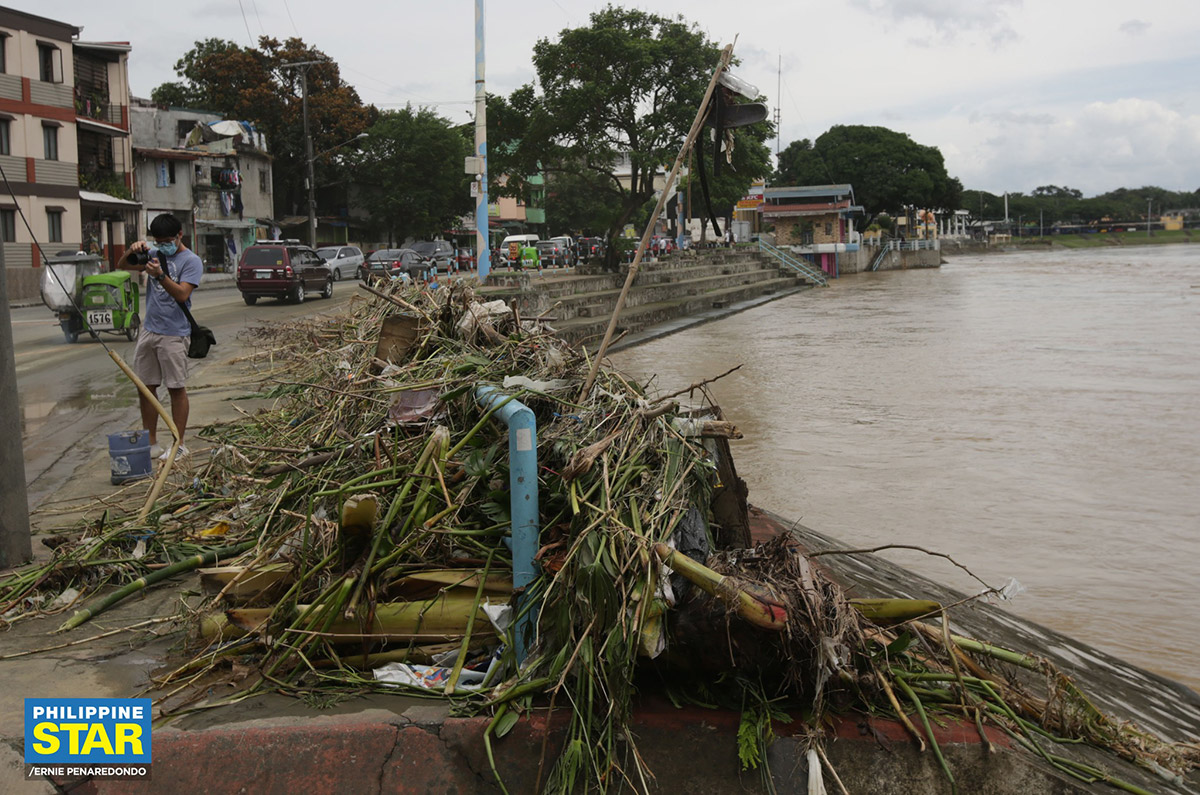
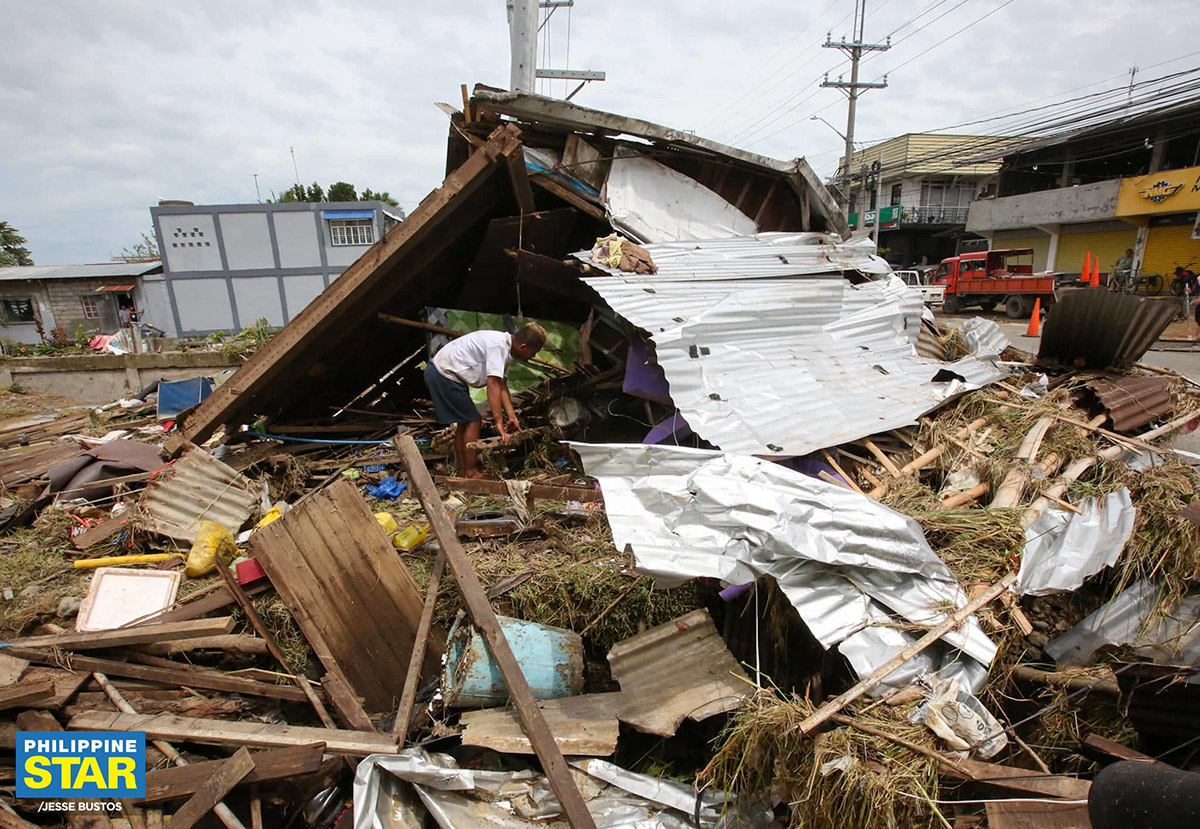
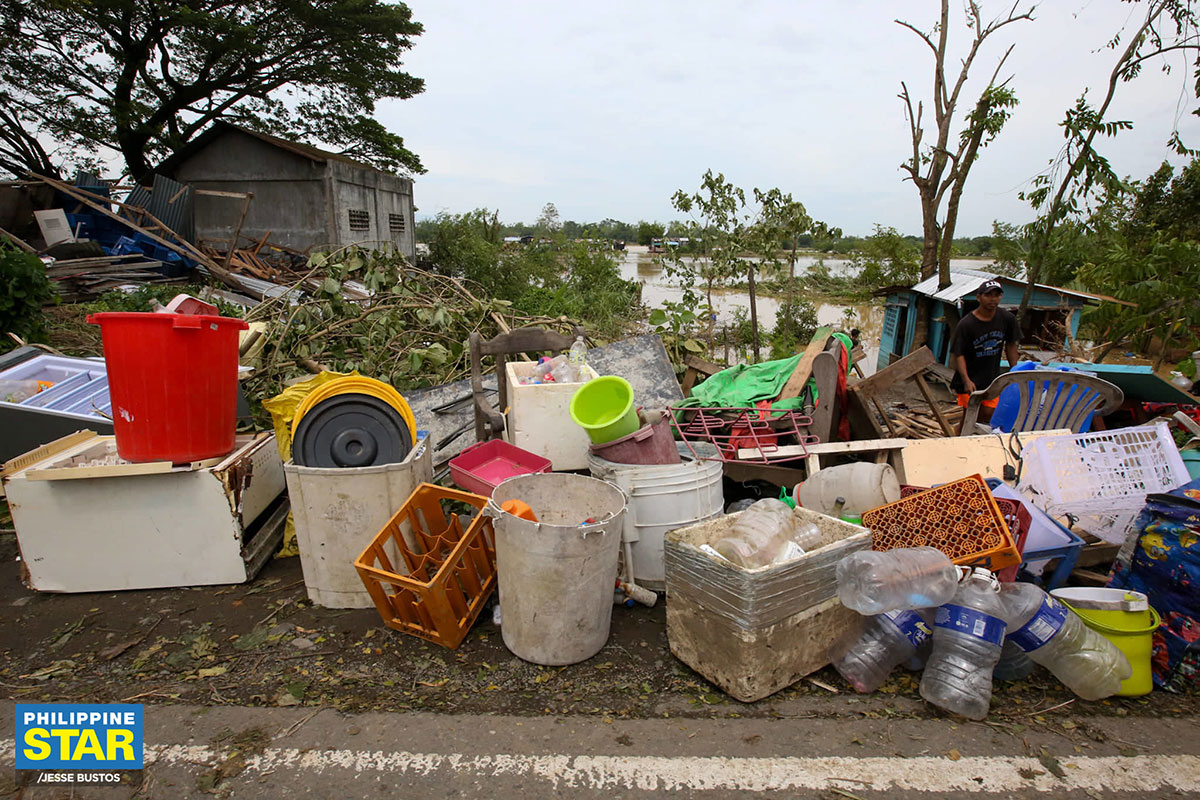
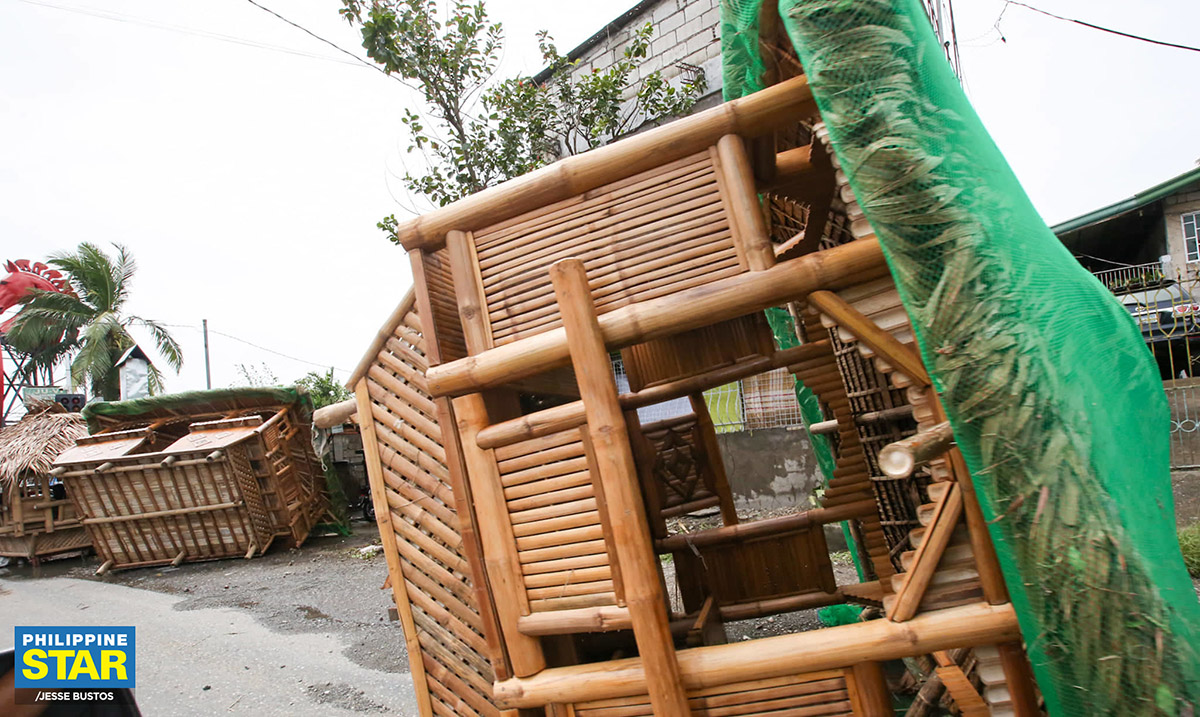
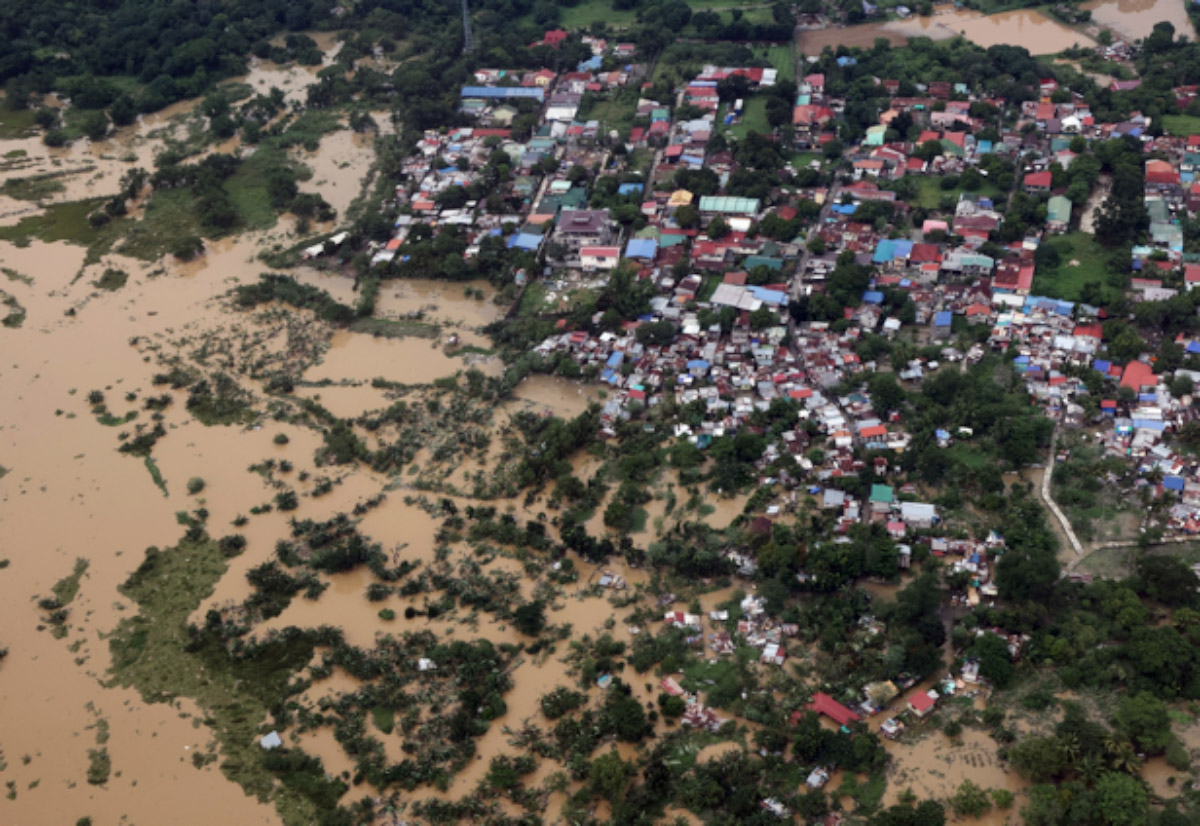
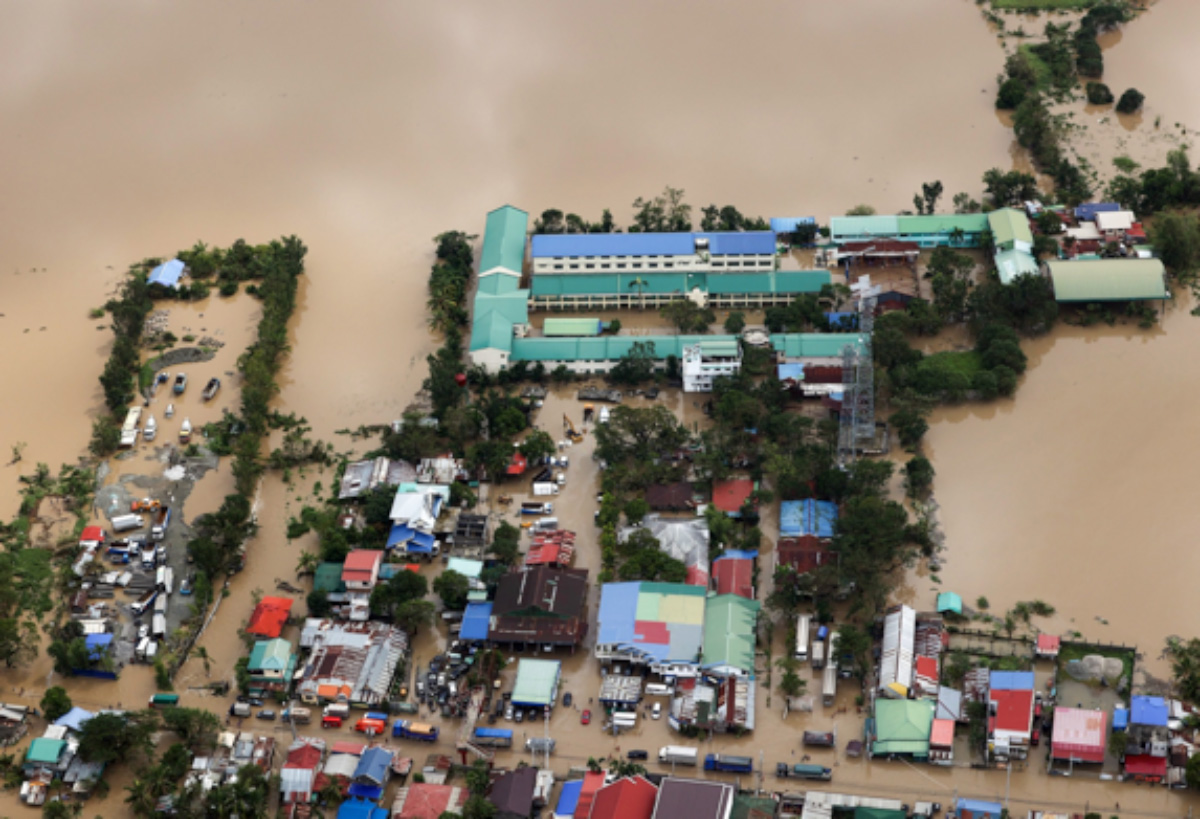
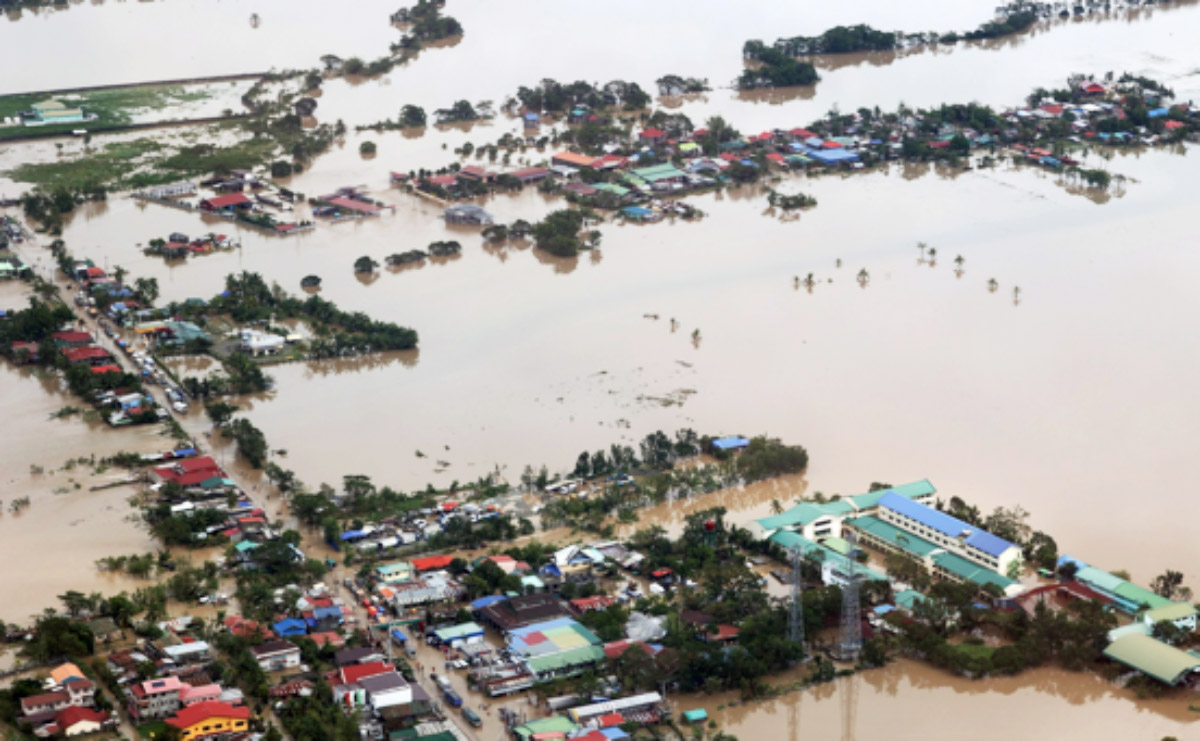
Karding blew out of the northern Philippines, leaving five rescuers dead, causing floods and power outages and forcing officials to suspend classes and government work in Metro Manila and outlying provinces.
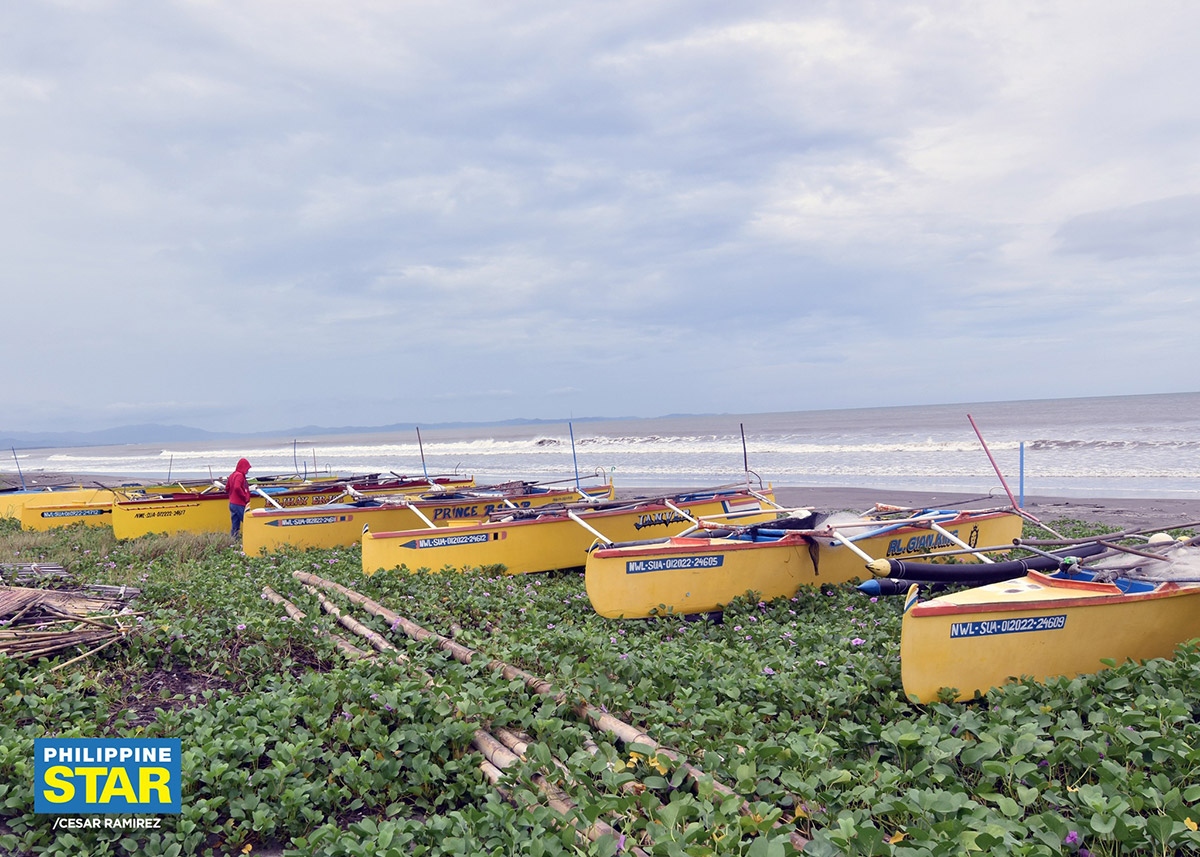
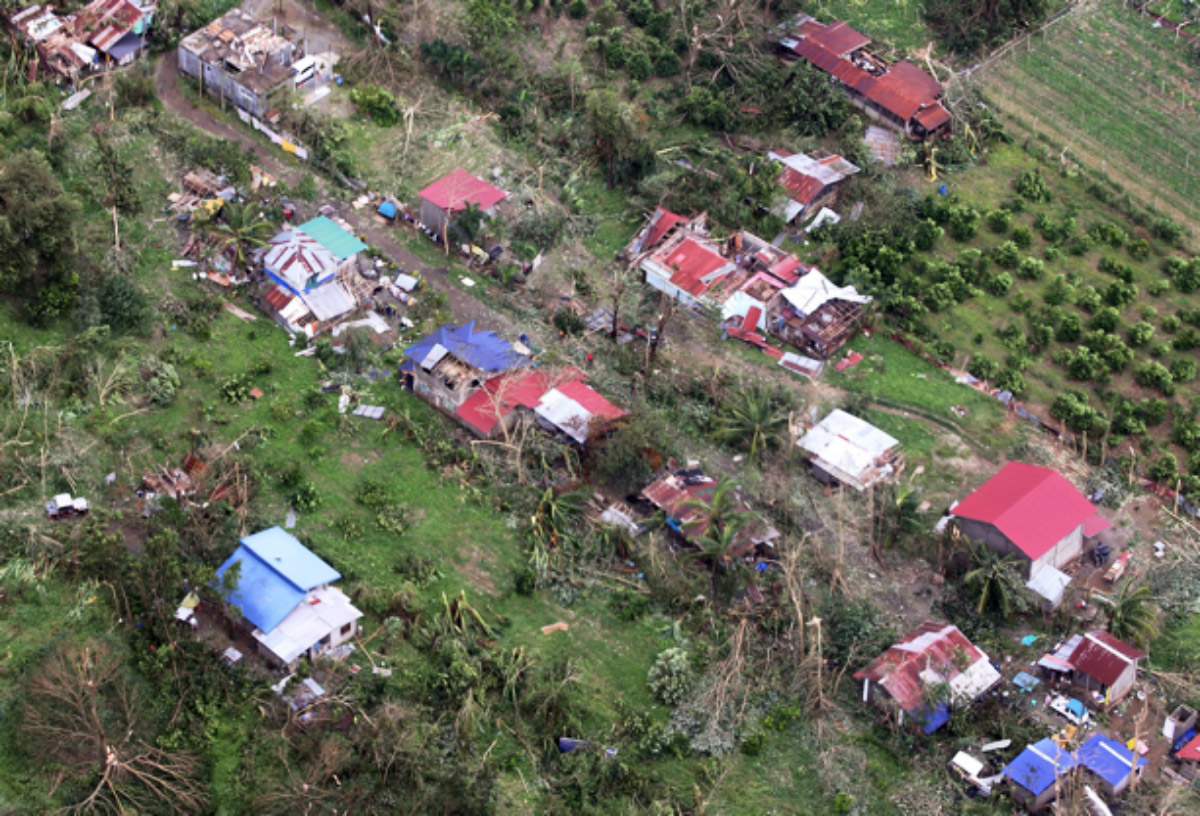
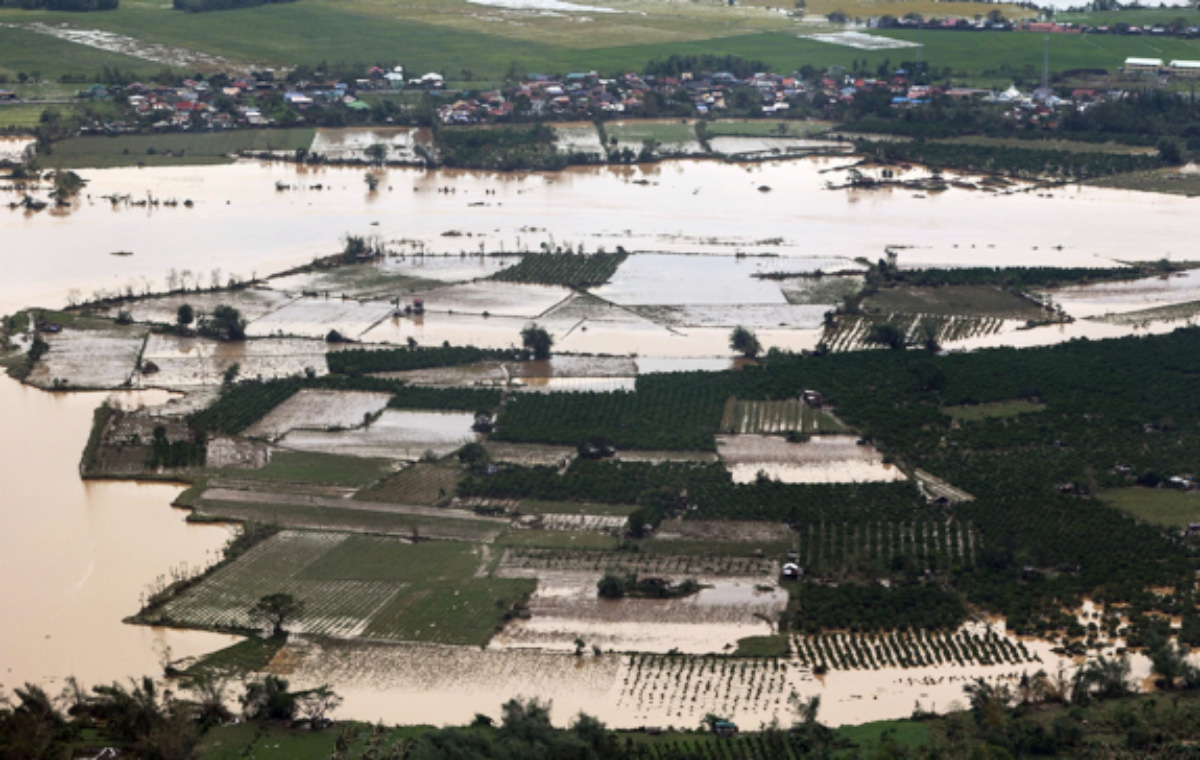
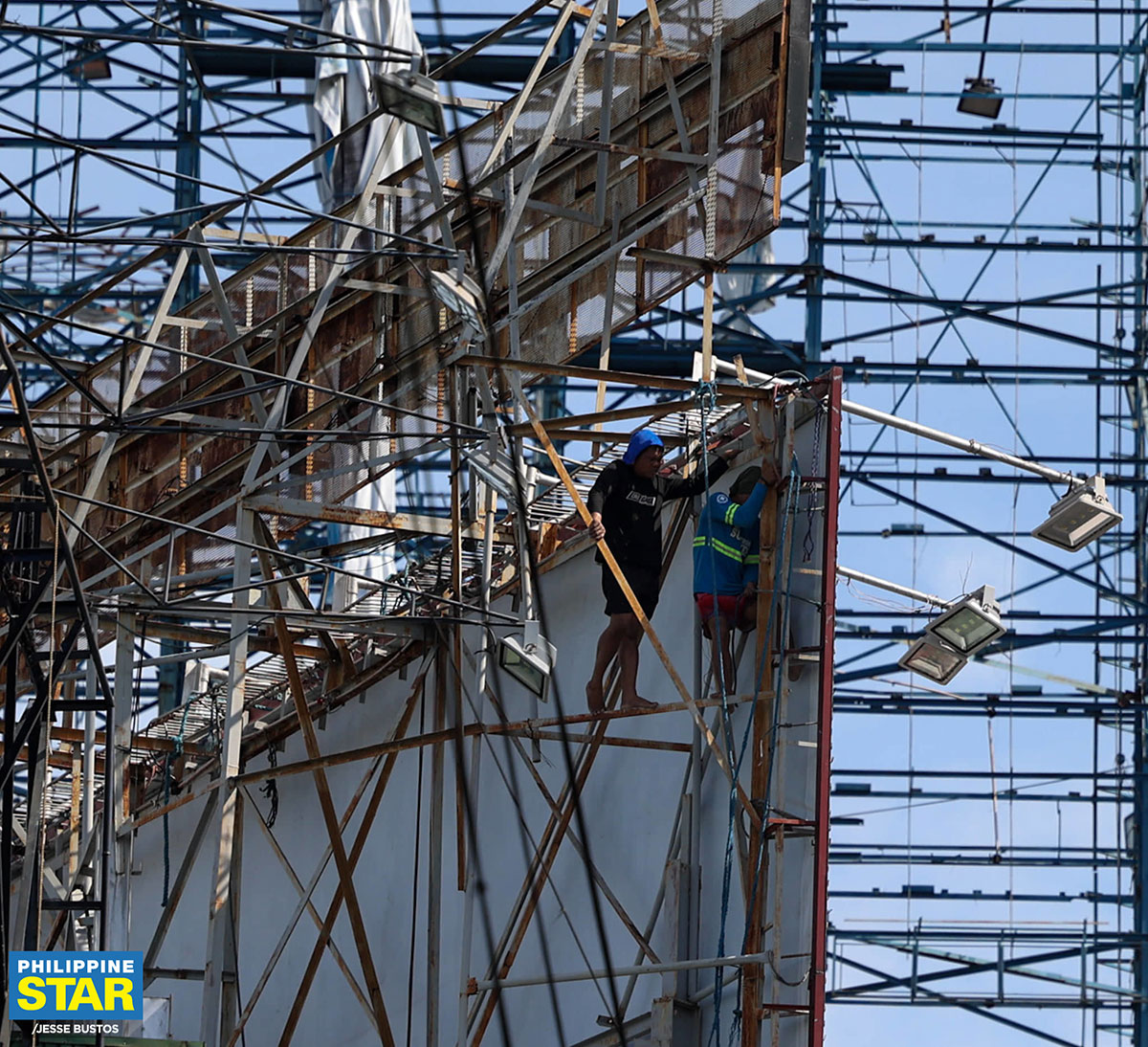
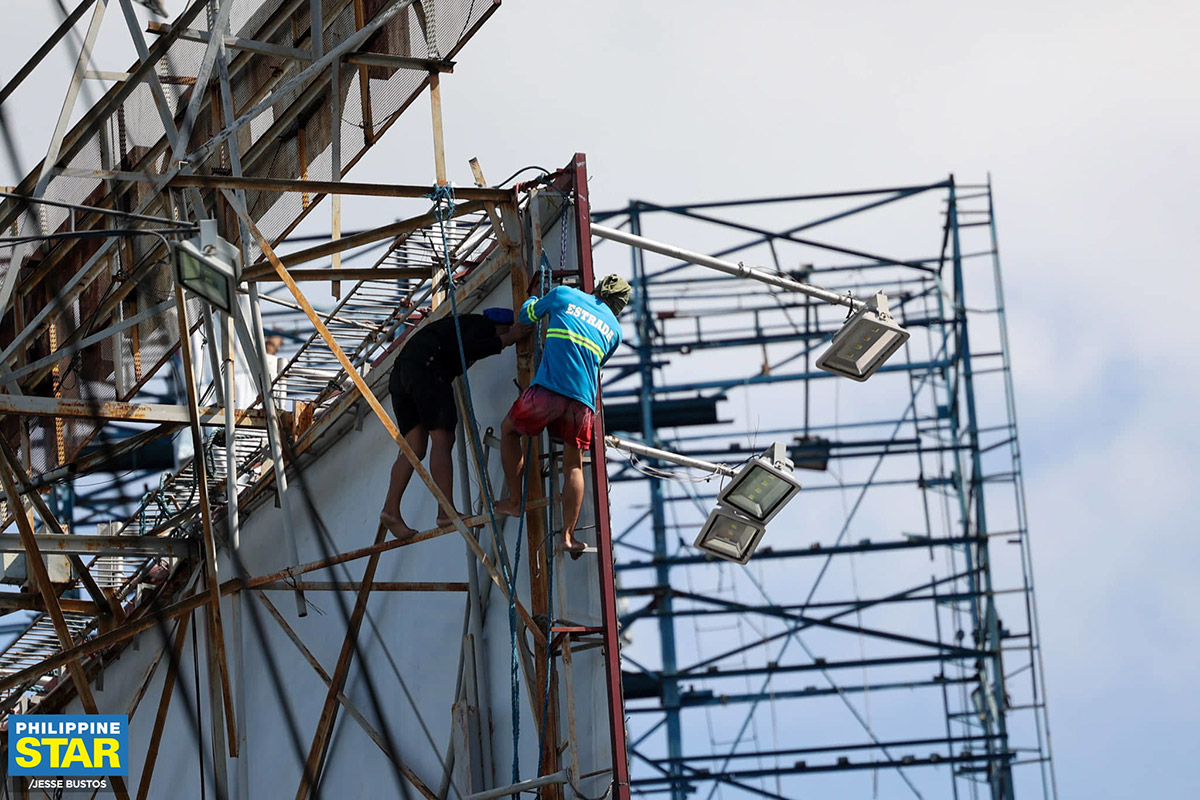
Here are some of the images taken by The Philippine STAR’s photographers and government authorities as Karding unleashed its fury:
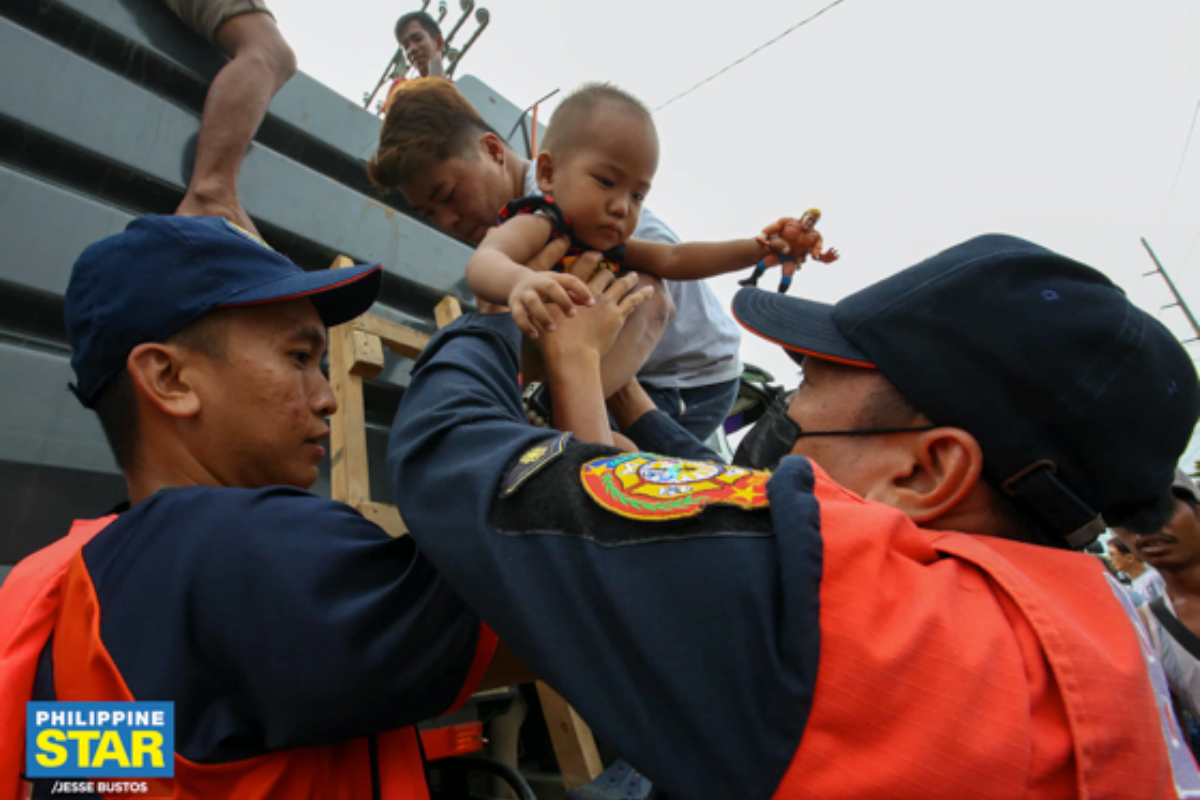

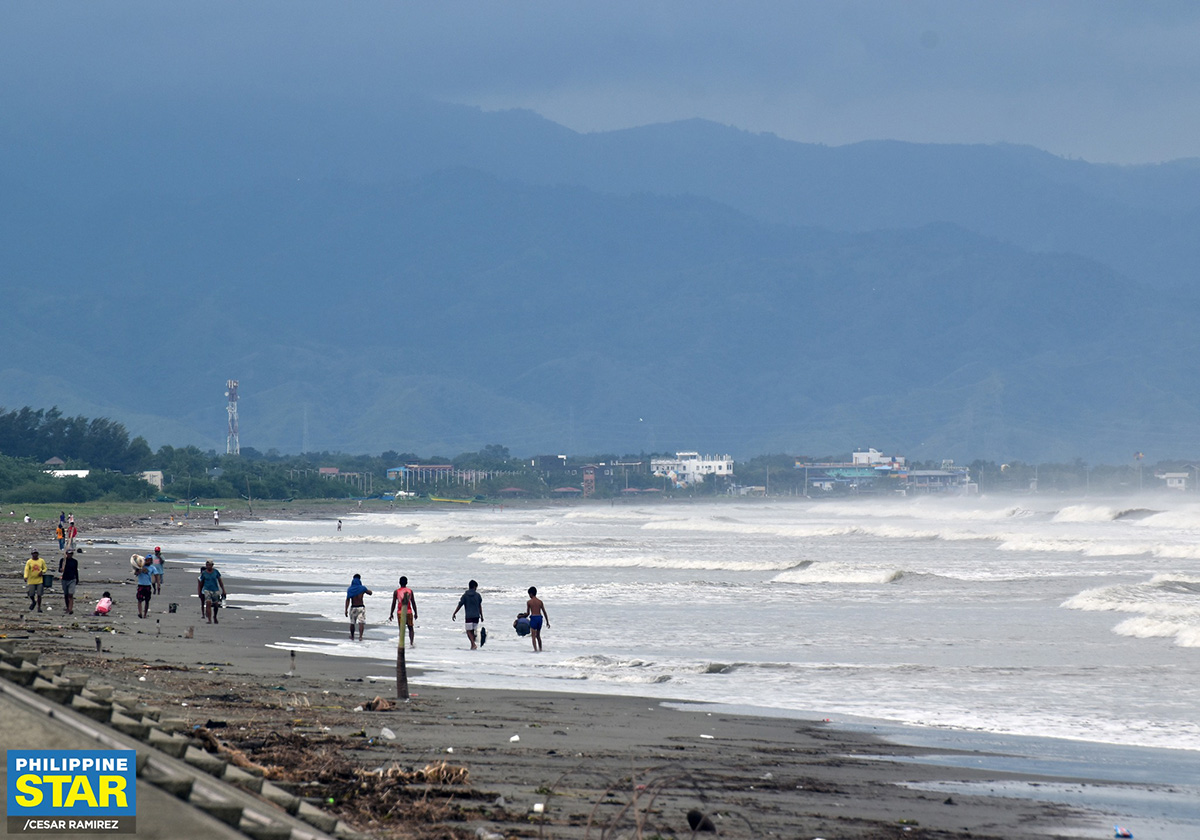
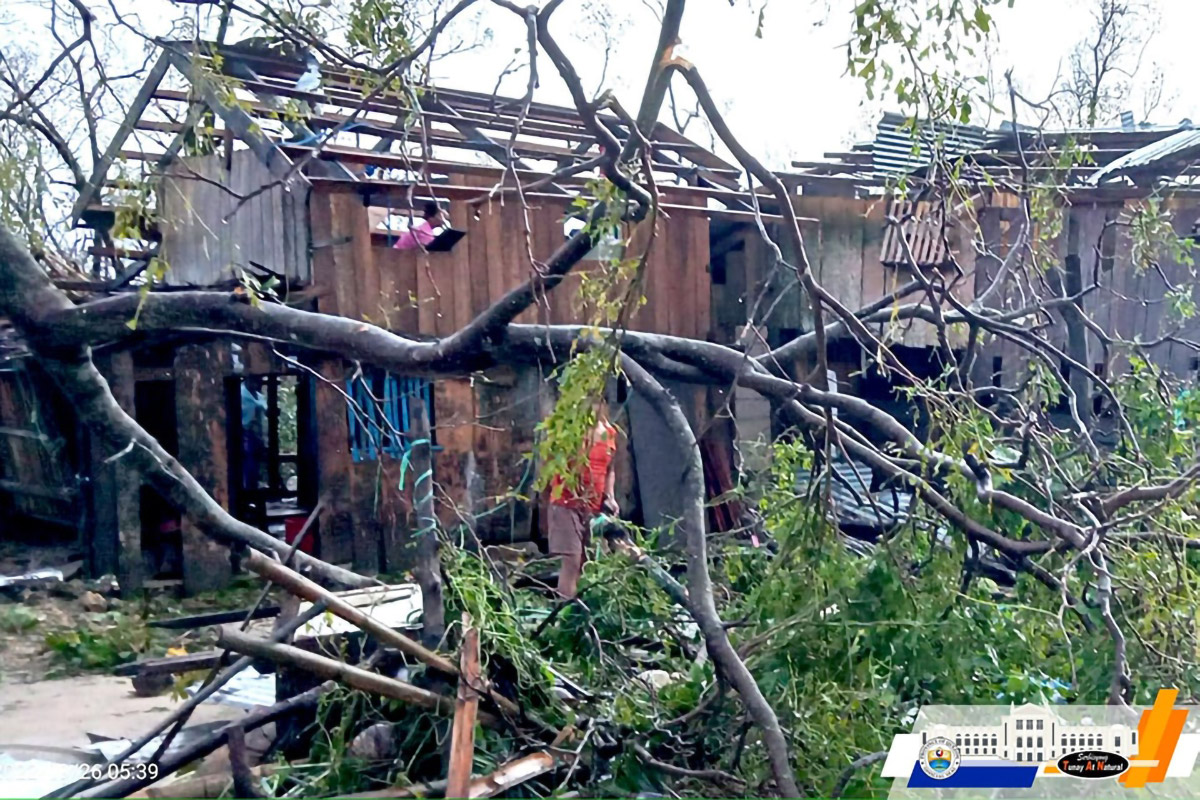
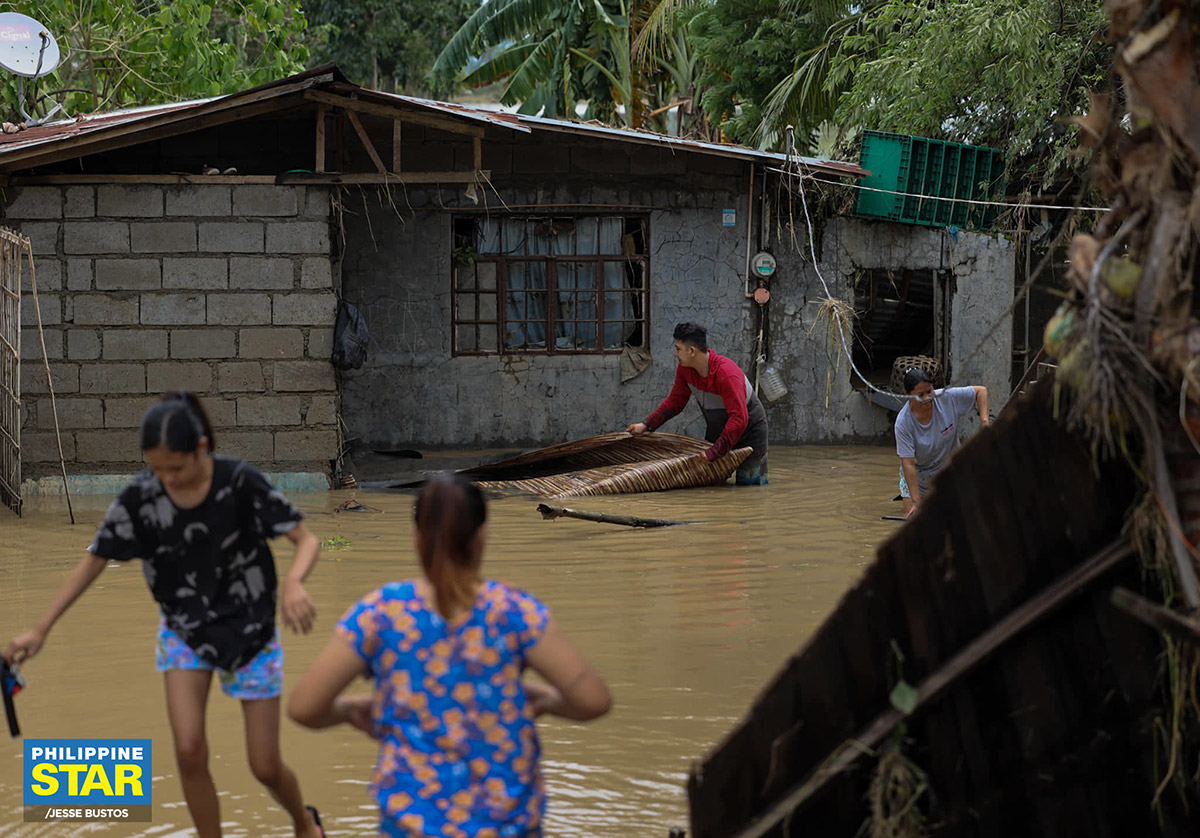
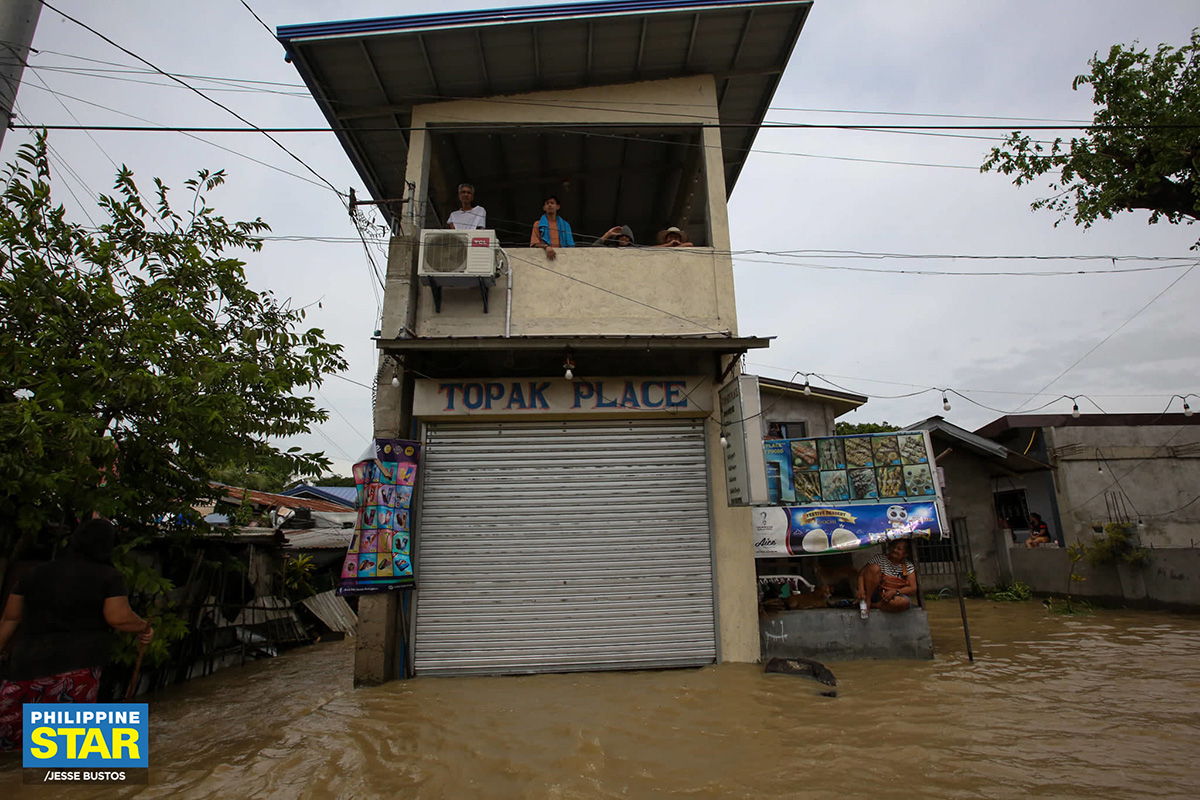
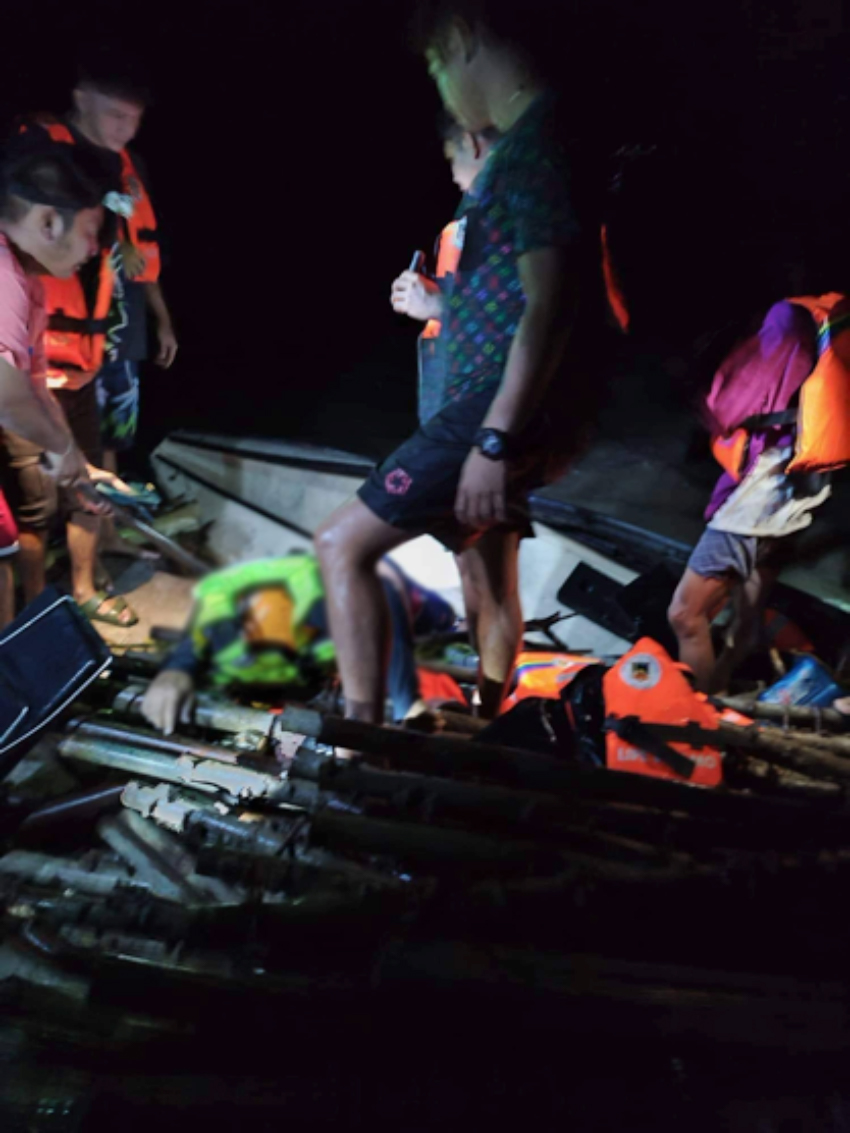
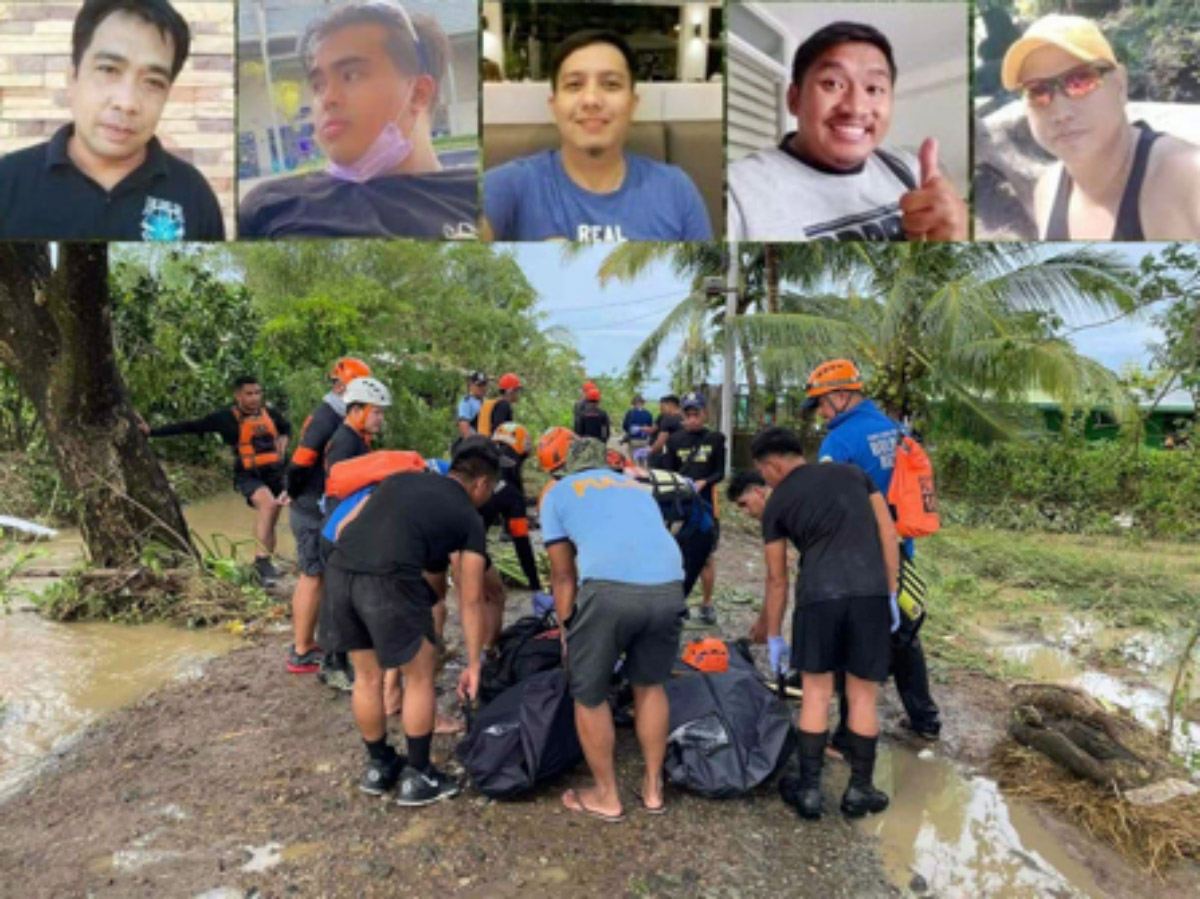
Five government rescuers drowned in San Miguel town in Bulacan after their boat overturned when it was hit by a collapsed wall, tossing them into rampaging floodwaters, authorities said.
Bulacan Gov. Daniel Fernando said the five rescuers – George Agustin from Iba O’ Este, Calumpit; Troy Justin Agustin from Sta. Rita, Guiguinto; Marby Bartlome from Bulihan, Malolos City; Jerson Resurreccion from Catmon, Santa Maria and Narciso Calayag Jr. – were on board a truck on their way to rescue stranded families in Barangay Camias when the tragedy occurred.
When their vehicle bogged down, the team continued the rescue mission aboard a boat, but a concrete fence collapsed on them, causing strong floodwaters to engulf and sweep them away.
All five drowned and were later found dead in Sitio Banga Banga in the same barangay, an incident the governor called “unfortunate.”
On Tuesday, Sept. 27, Fernando said financial aid, aside from assistance from the provincial government, have started to pour in for the five rescuers, whom he described as “Bayani sa Kalamidad” whose deeds will not be forgotten.
The governor added they are looking at the possibility of providing scholarships to the children of the new Bulacan heroes.
He noted that the provincial government of Bulacan will bestow on them the honor of “Mataas na Pagkilala.”
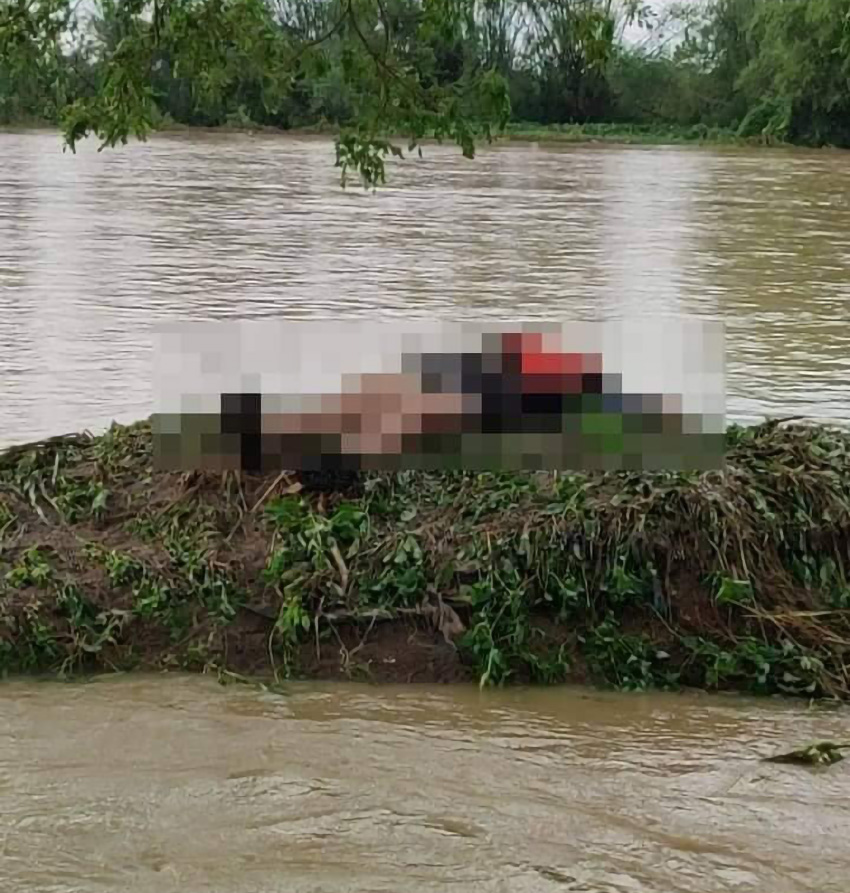
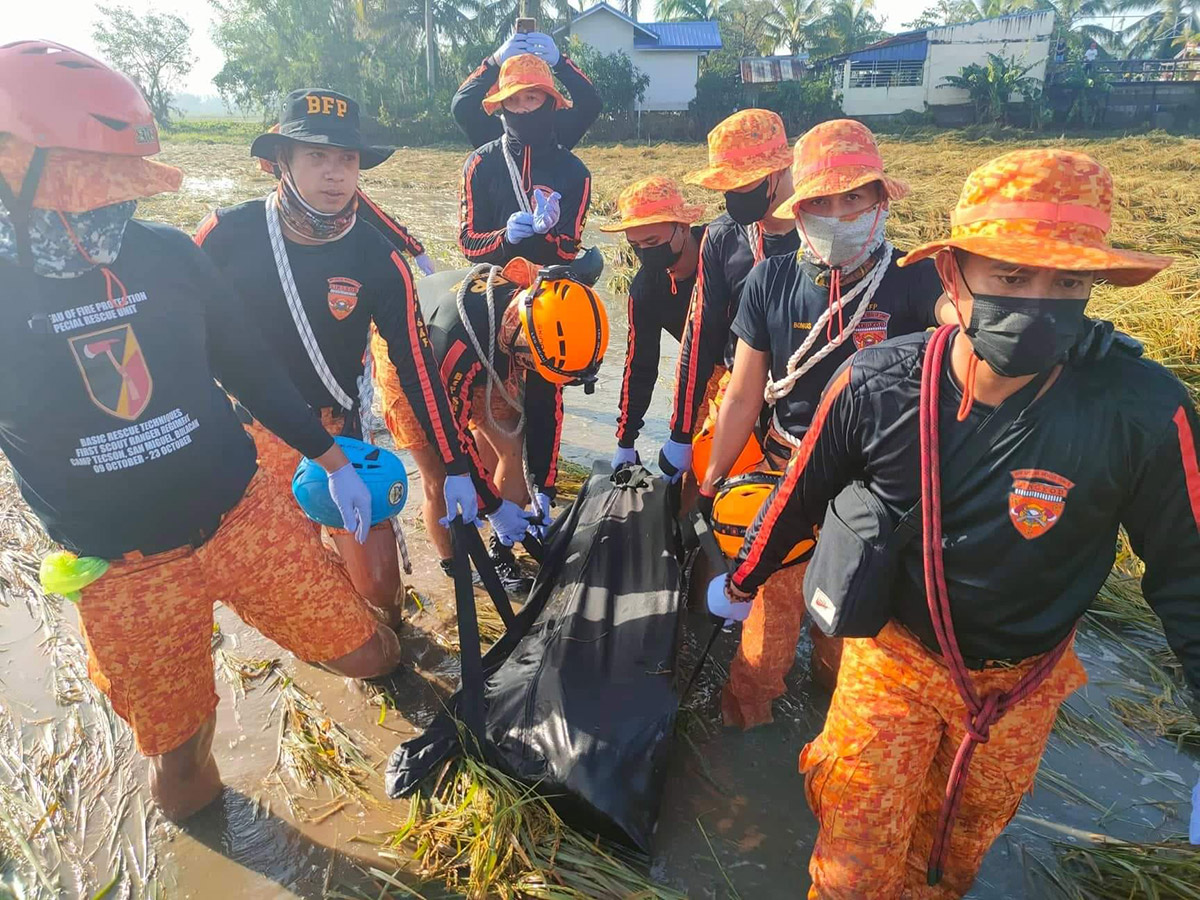
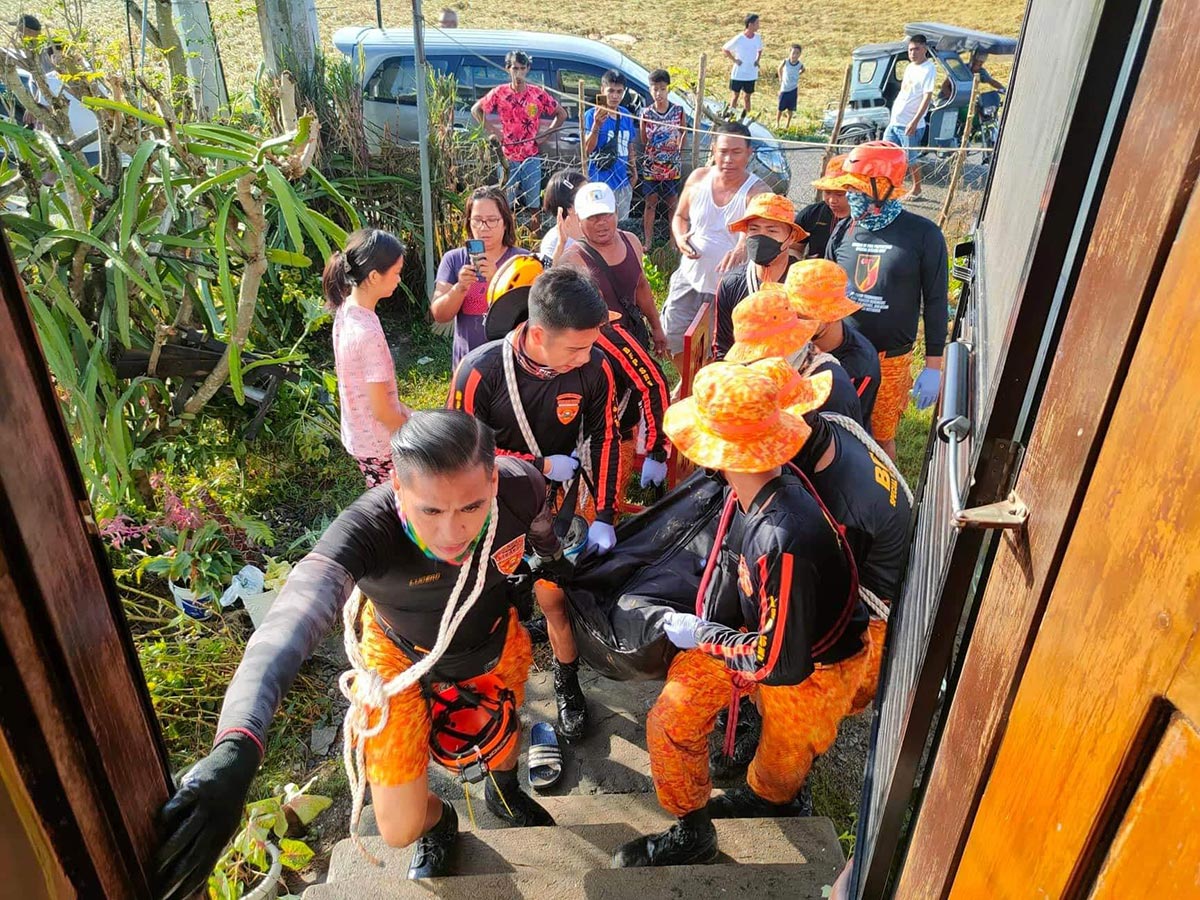
Daniel Sarmiento, 62, of Cambio in San Miguel, Bulacan was retrieved by the authorities and identified by his relatives before being turned over to the bereaved family, according to the BFP.
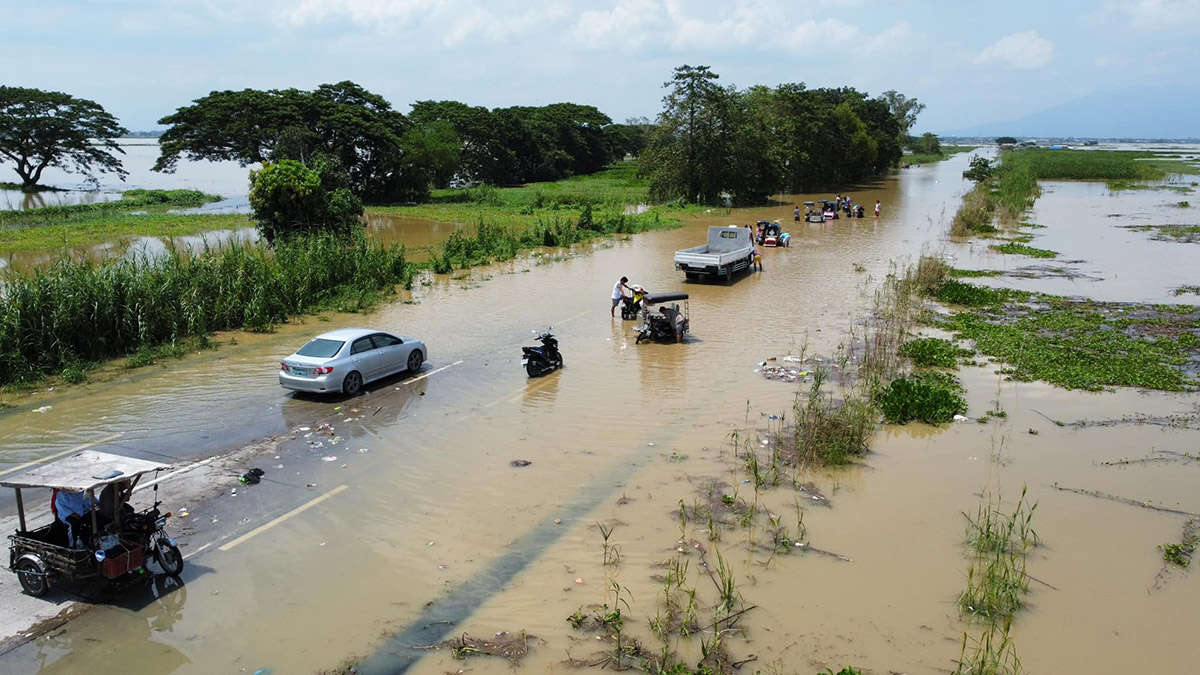
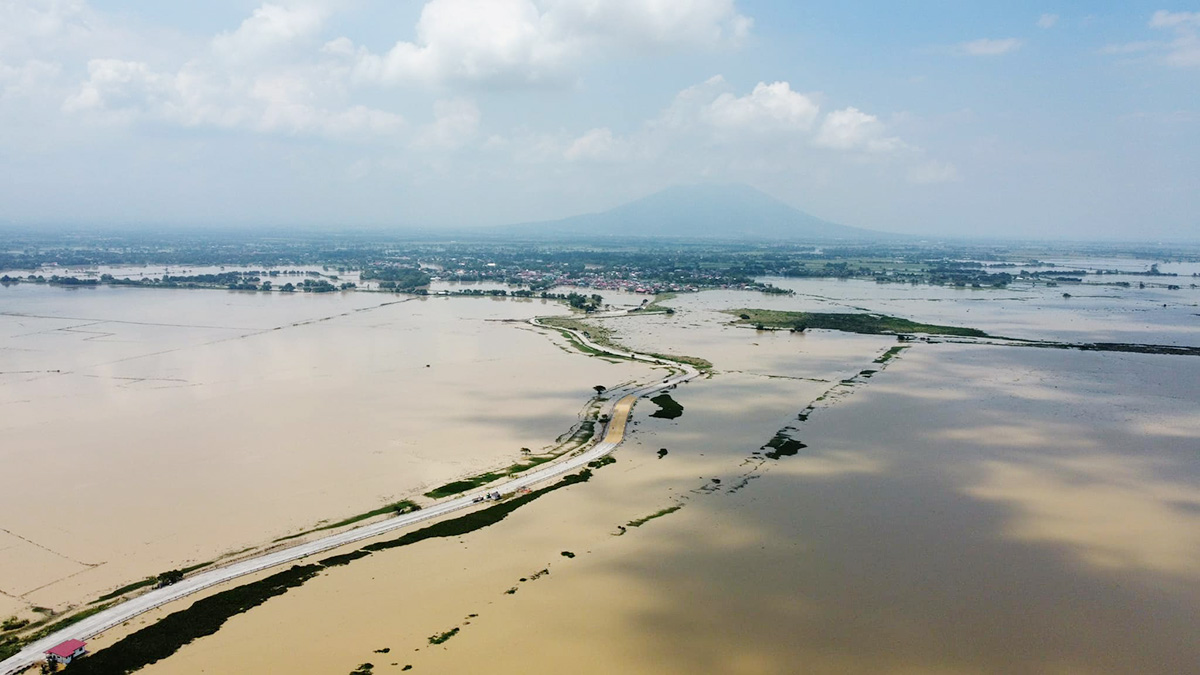
Karding also devastated 16,229 hectares of agricultural land in Central Luzon, which officials describe as the “Rice Bowl of the Philippines” – an incident that could threaten the country’s rice supply.
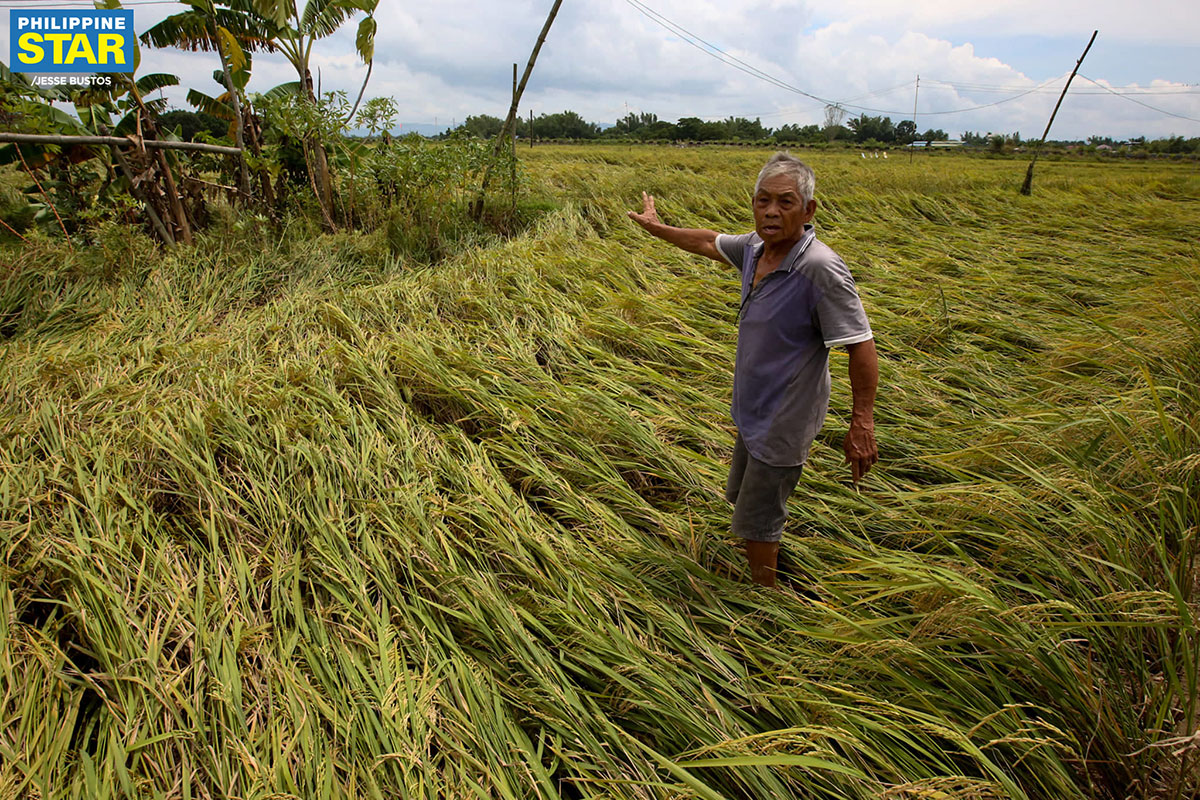
Manalo, who lives in San Rafael, Bulacan, is just among the farmers affected by the super typhoon.
The DA data showed the typhoon affected 740 farmers and caused production loss of 5,886 metric tons of rice, corn and high value crops.
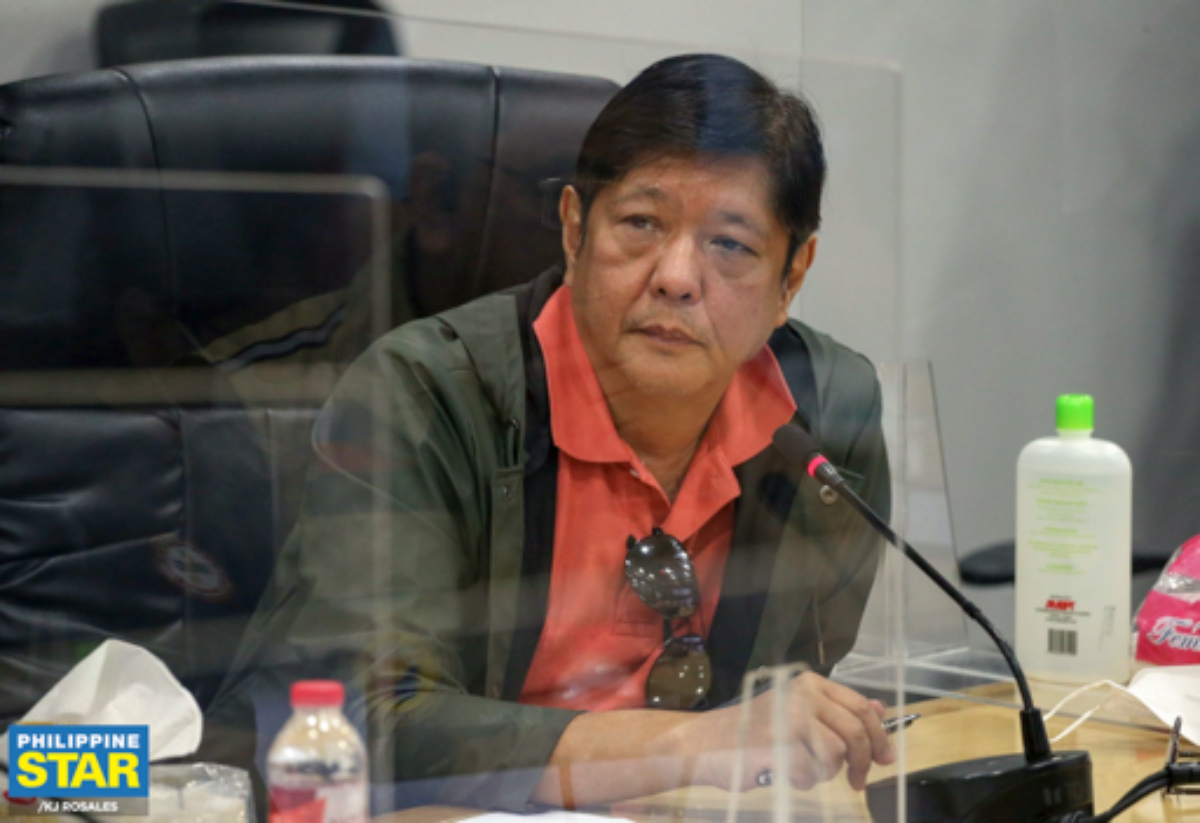
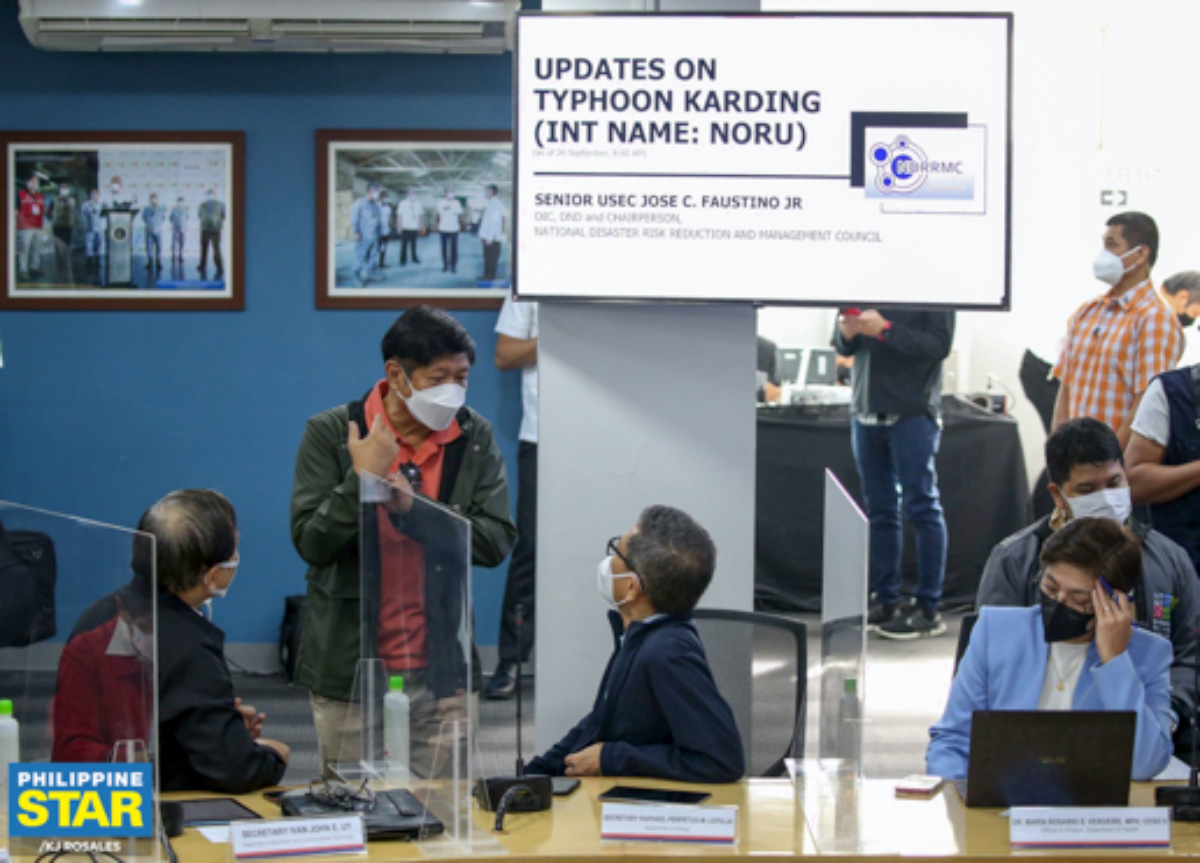
Marcos praised officials for evacuating tens of thousands of people before the typhoon hit, preventing more deaths, but expressed concern at how Karding and another storm that devastated central and southern provinces in December rapidly intensified into super typhoons.
“Is this climate change?” Marcos, who took office in June, asked. “We have kept watched on these storms for a long time but it wasn’t like this before... This is something I have to deal with.”
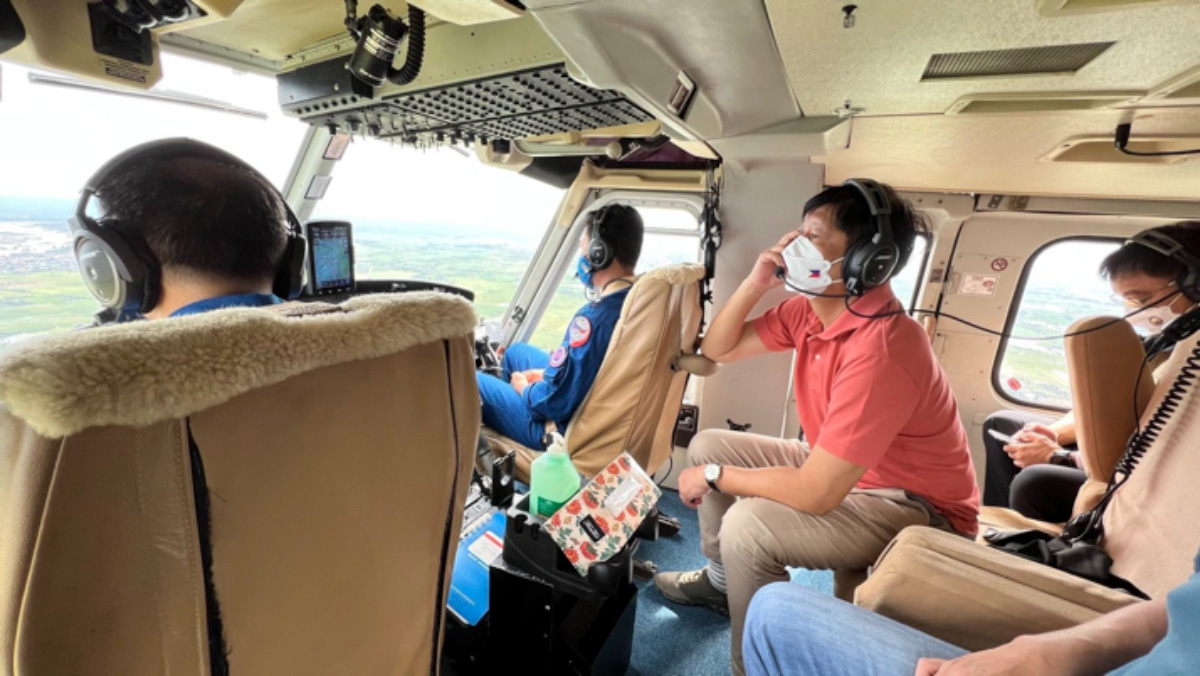
Marcos later joined an aerial inspection of typhoon-hit provinces in the rice-growing region, where many villages and stretches of roads remained flooded.
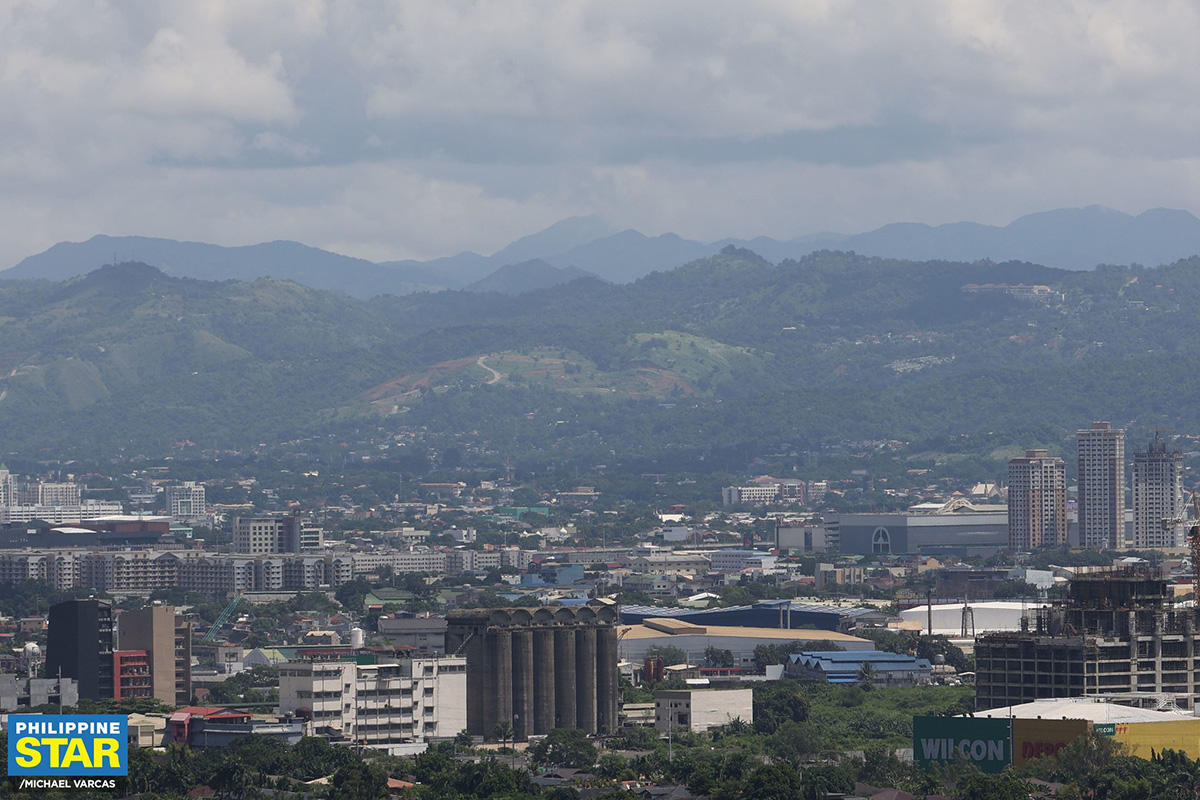
Sierra Madre, the country’s longest mountain range located in the eastern corridor of Luzon island, became a trending topic on Twitter during the onslaught of Karding as it protected Metro Manila and several provinces from super typhoon.
Netizens cited its important role as an effective barrier against storms coming from the Pacific Ocean before hitting Luzon.
The World Wide Fund (WWF) for Nature-Philippines and other concerned Filipinos renewed their call to preserve Sierra Madre.
Karding exited the Philippine area of responsibility on Monday night. It moved over the West Philippine Sea toward Vietnam and was forecast to re-intensify on Sept. 27 though it no longer directly affected the country.


