Neighbors In Quezon City Now Harvesting From Their Urban Garden
At first, the residents thought that setting up the urban farm would mainly help them save some money for buying vegetables, which would require going outside the neighborhood. But the benefits turned out to be much more than that.
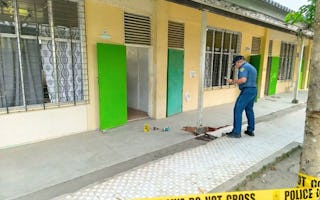
In early April, a fire broke out in a vacant lot near a neighborhood in Novaliches, Quezon City. It prompted residents to ensure that the scary experience would not happen again.
The lot had been idle for 30 years and was only filled with garbage. Until now, residents do not know the cause of the fire that nearly engulfed their houses if not for their joint efforts to put it out.
JC Tejano, one of the residents, said: “Sobrang lumaki ’yung sunog dahil sa dami ng basura. And in fact, muntik talagang masunog ’yung mga bahay namin dito kung hindi lang siya naagapan.”
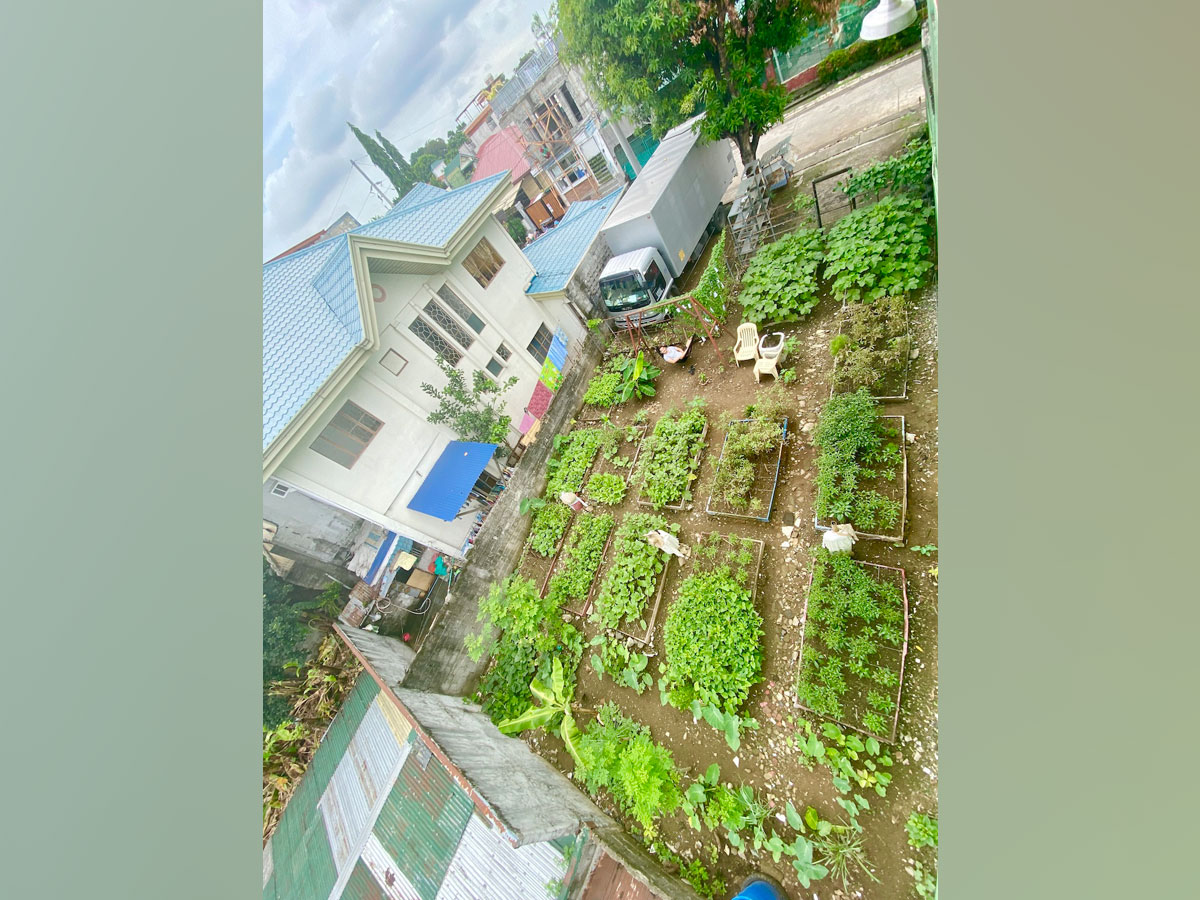
It was also the period when Metro Manila was under the strictest enhanced community quarantine (ECQ) due to the coronavirus disease 2019 pandemic and the residents needed to have fresh food supply, which became a challenge amid the lockdowns.
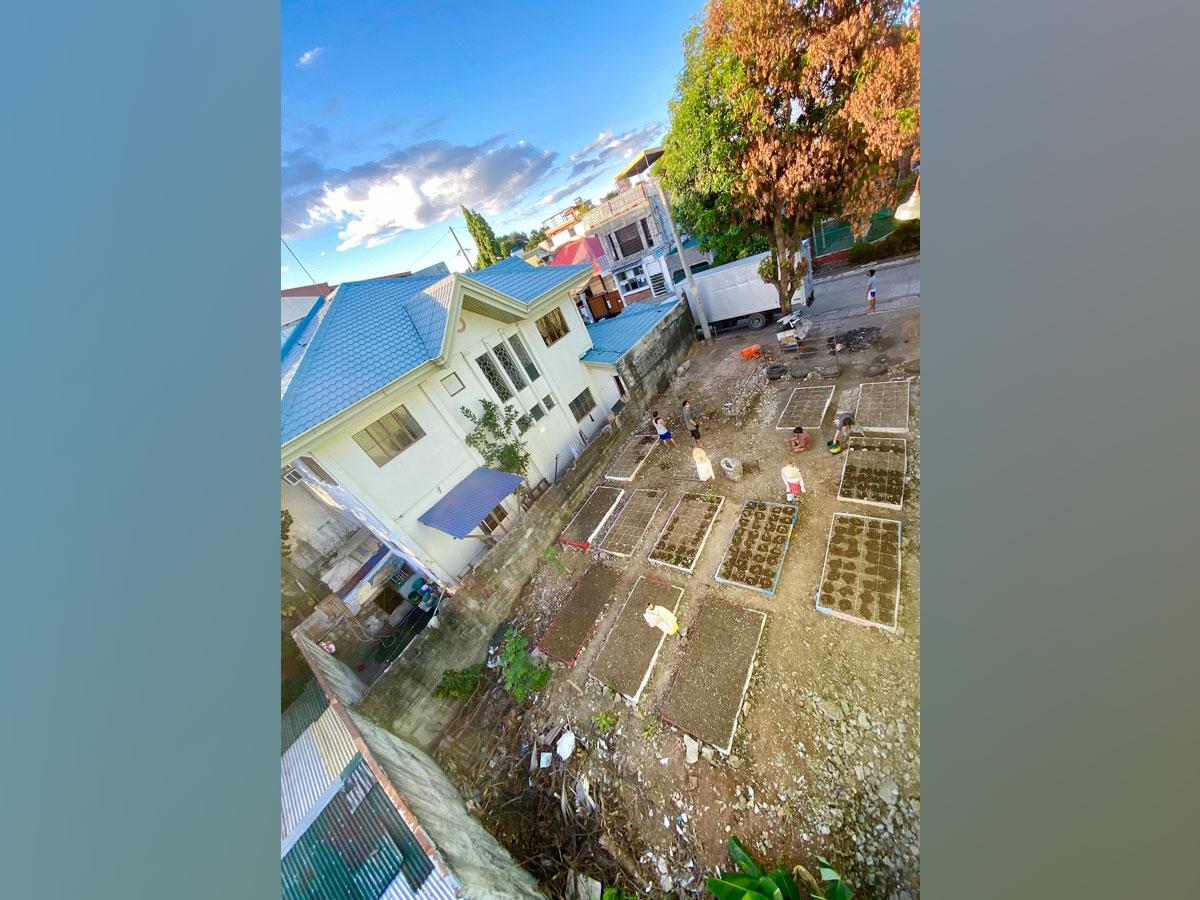
That was when the idea arose of transforming the lot into something sustainable – an urban farm.
Tejano, co-founder of the neighborhood project, said turning the lot into a community garden was meant to discourage the residents from indiscriminately dumping garbage or at least make them feel ashamed of it.
“‘Yun talaga ’yung purpose namin. Bukod sa naisip na rin namin, paraan siya para makaiwas sa palengke nu’ng start nu’ng quarantine (That was really our purpose. Aside from that, we thought of it as a way to avoid going to the market when the quarantine started),” Tejano said.
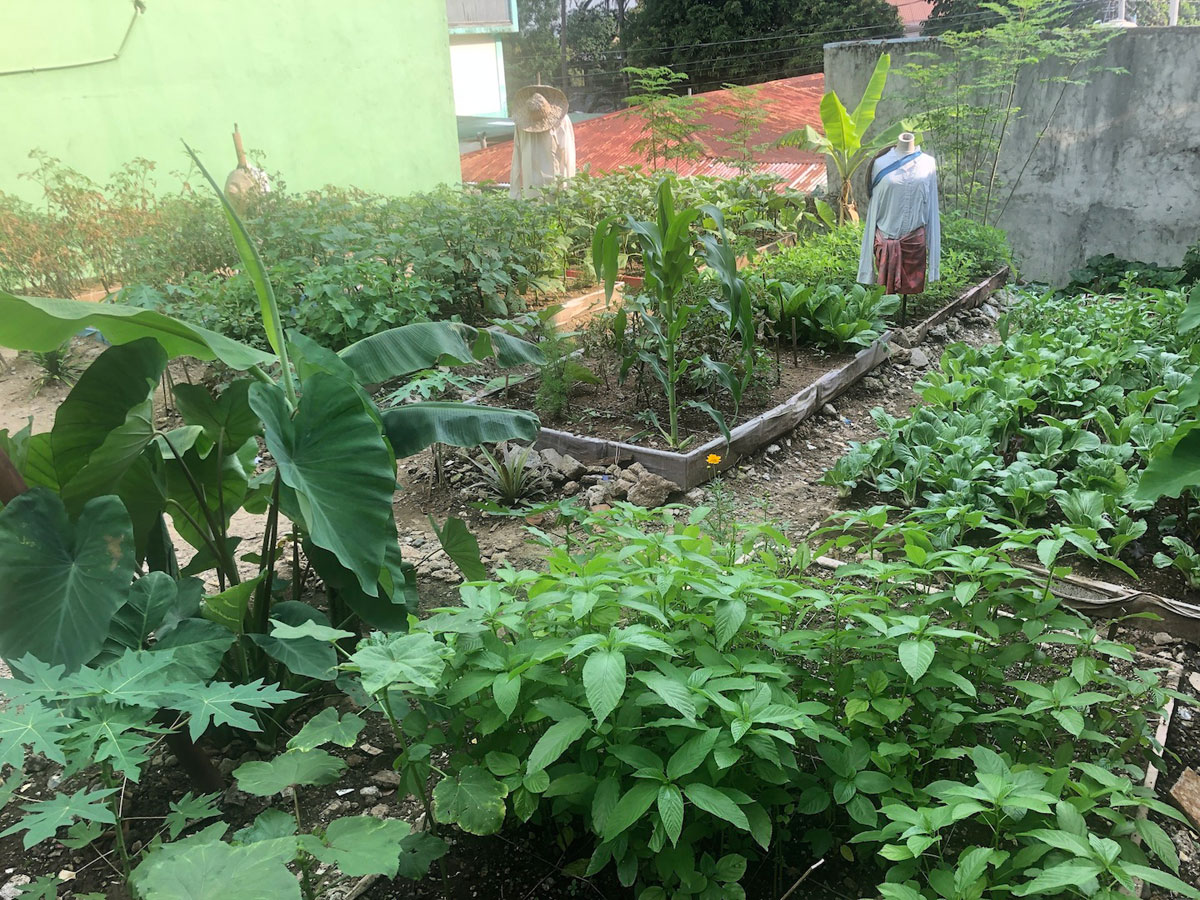
At first, the residents thought that setting up the urban farm would mainly help them save some money for buying vegetables, which would require going outside the neighborhood. But the benefits turned out to be much more than that.
“It was actually the community garden that built our community, not the other way around,” Tejano declared.
Before the COVID-19 pandemic, Tejano described their neighborhood as a typical one where residents focused on their own jobs or businesses.
There was no project to bring them together until they came up with the community garden. He said it was probably because of the level of cooperation that everyone showed to help one another when the fire occurred.
“Iba ’yung level of cooperation na nangyari, and it really started nung nasunog. Nu’ng gabi ng sunog, nagtulungan kasi kaming patayin ’yung apoy. Doon I think ’yung reason din kung bakit the next day, nagtutulungan pa rin kaming magkakapitbahay,” Tejano recalled.
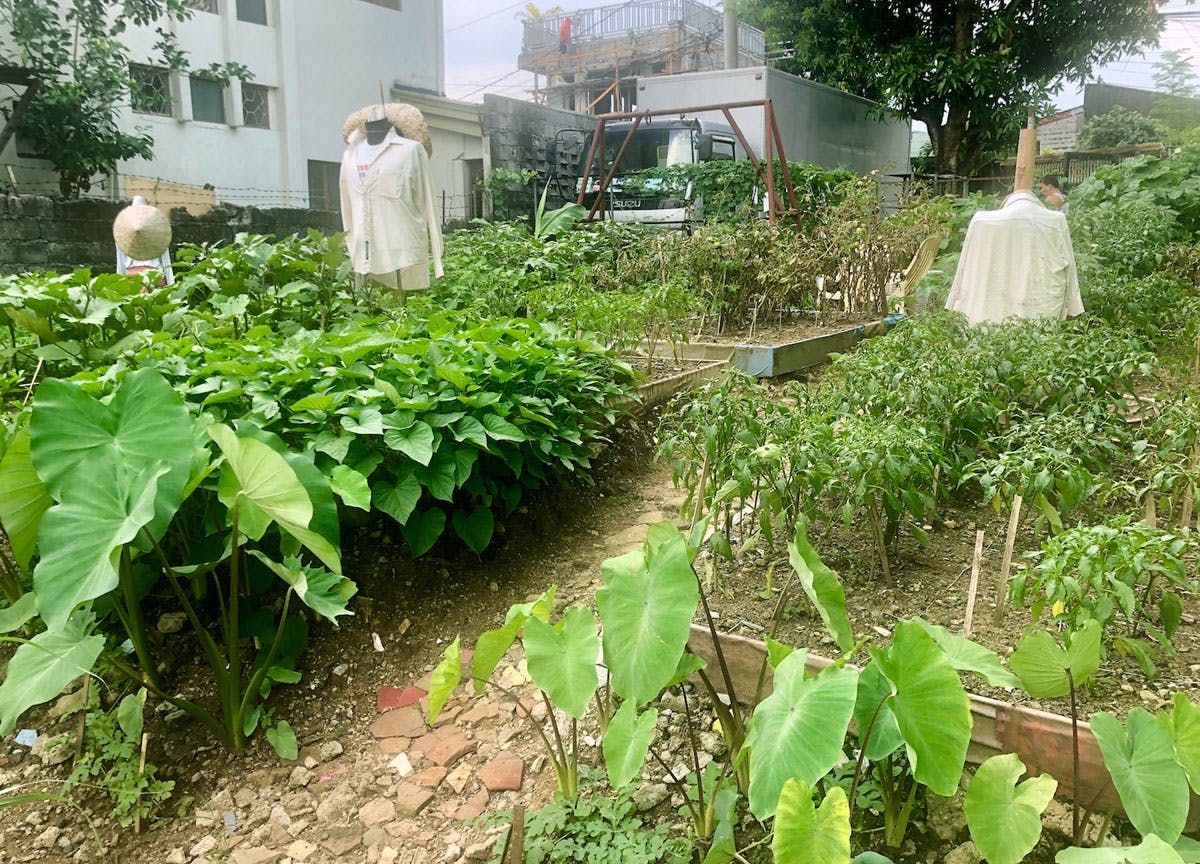
Since hardware stores were closed during the ECQ, the urban farm was built using recyclable materials donated by the residents such as old cabinets, beds, metal racks, tires and garters. The only material that they bought was the wire, which cost P300.
Staying true to its being a “bayanihan” project, Tejano said that even the seeds and seedlings were contributed by the neighbors.
Tejano and his neighbors have no background in urban farming, but they learned online, particularly on YouTube.
“I spent more than 100 hours on YouTube na nanonood lang. And until now, sa Youtube lang din kami continuously natututo. Searching kung ano ’yung treatment sa particular na plants, mga diagnosis ng mga sakit nila. So lahat ’yun, nasa internet at makikita natin online,” Tejano said.
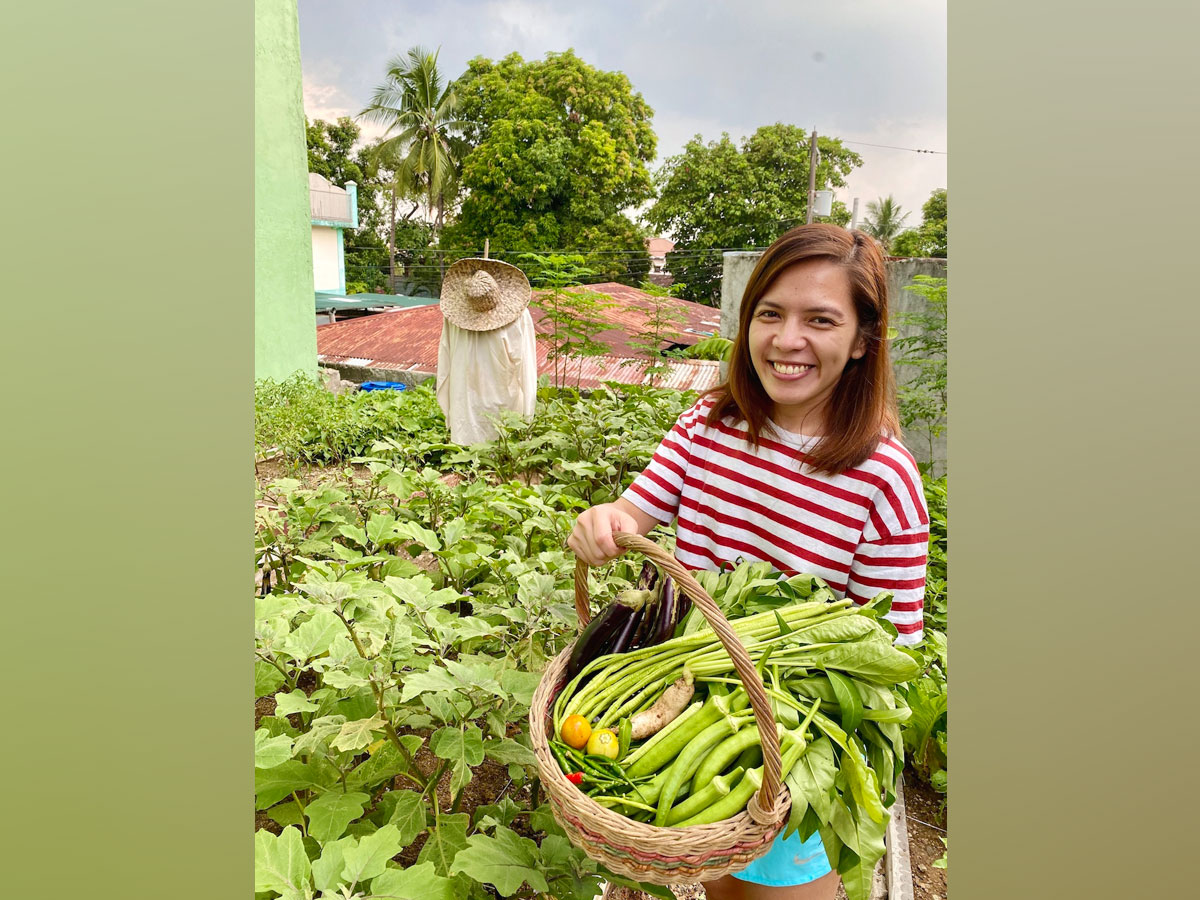
The community farm has produced a wide variety of vegetables, fruits, herbs and flowers – far more than those mentioned in the folk song “Bahay Kubo.”
These include string beans, ampalaya (bitter gourd), upo (bottle gourd), patola (ribbed loofah), okra, siling labuyo (bird’s eye chili), bell pepper, eggplants, tomatoes, radish, mustard greens, pechay (local bok choi), peanuts, lettuce, sweet potato, taro, bananas, papaya, squash, watermelon, melon, avocado, parsley, basil, rosemary, oregano, sunflowers, roses and zinnia.
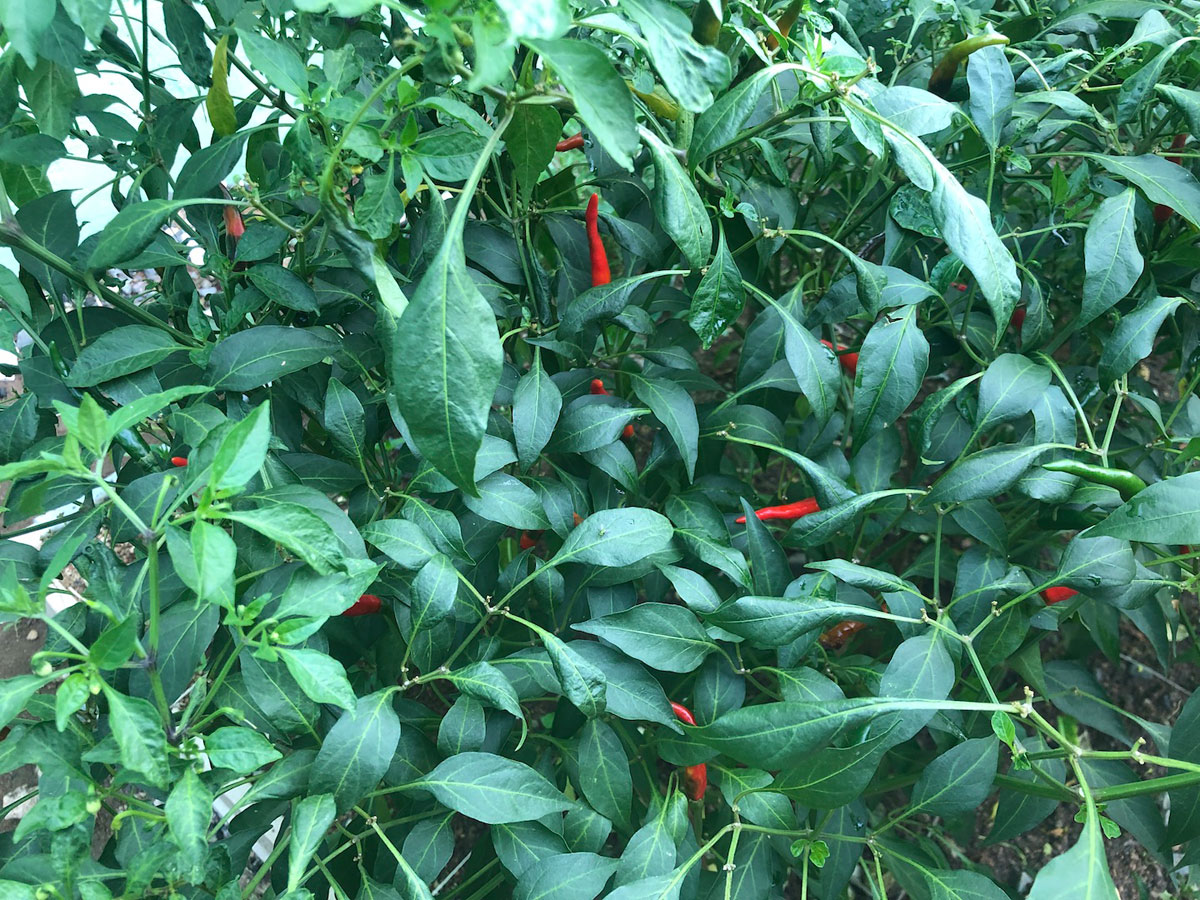
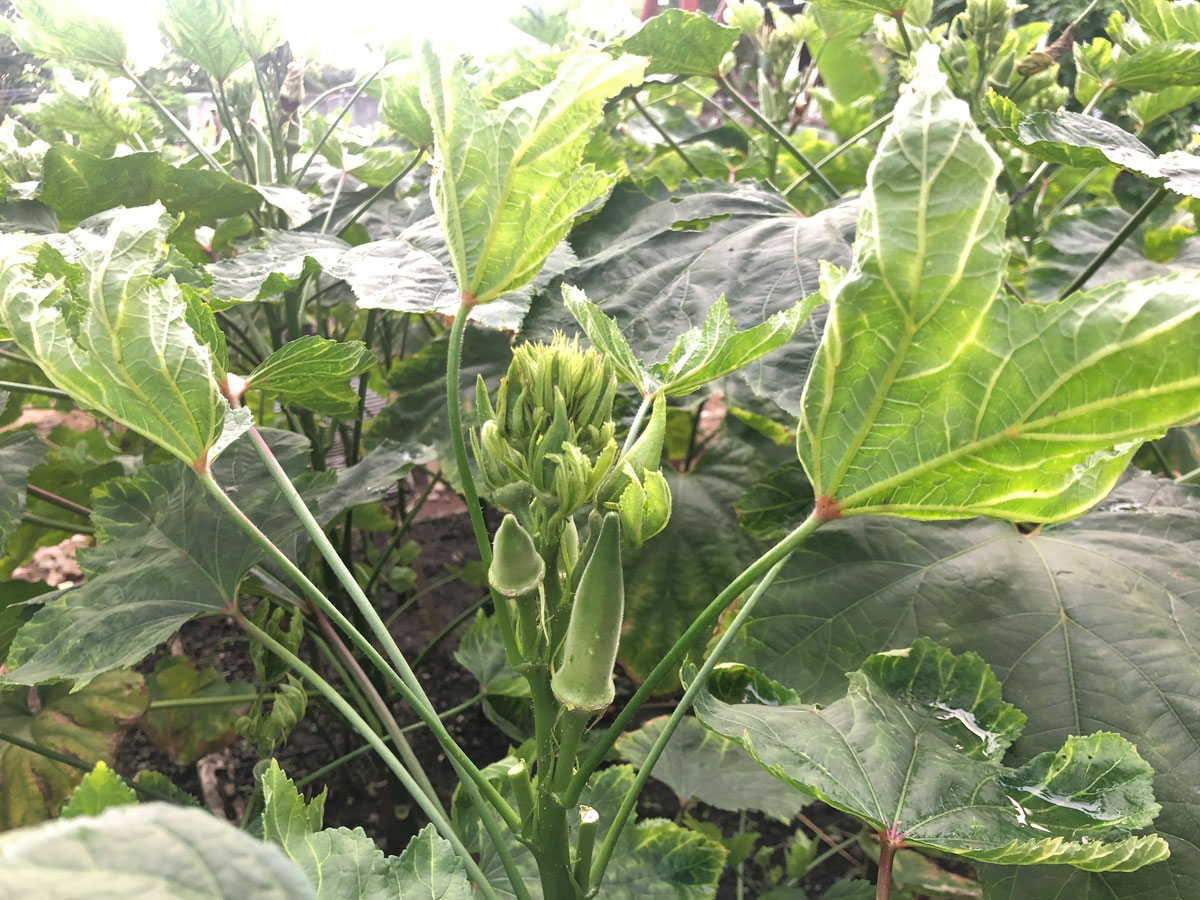
According to Tejano, limited space in a community should not be a problem as there are plenty of options to curate an urban farm.
“Una sa lahat, you don’t need a lot of space. In fact, even for square-foot gardening na ’yung ginawa namin na raised beds, ’yung frames nu’n, pwede siya kahit sa kalsada. Or kung hindi man sa kalsada, sa semento, rather,” he said.
Tejano points out that a family can find a space and improvise at home, noting that one raised bed can be enough to feed one family.
He says that growing his own vegetables has given him a different sense of purpose.
“Iba talaga ’yung feeling na makapagpatubo ka. Kasi parang you are part of the process. You became part of something – you became part of a process that gave life to another living thing. Ibang klase siya. Para kang nanganganak kapag nakakapagpatubo ka,” Tejano said.
“How do you describe it? Parang once you participate in that process, you realize your role. It gives you purpose, kasi you are part of a process na ang alam mo lang dati na involved ay lupa, araw, tubig. Ibig sabihin, pwede ka palang maging part no’n at makisali sa beautiful process of giving life,” he added.
Having their own urban farm also gave the community the assurance that all the vegetables they eat are organic and fresh.
The bonus? The vegetables taste delicious.
“We were surprised,” Tejano said.