



More Filipinos Own Bikes, Motorcycles Than Cars – Poll
An estimated 6.5 million Filipino households own bicycles as of mid-2026.
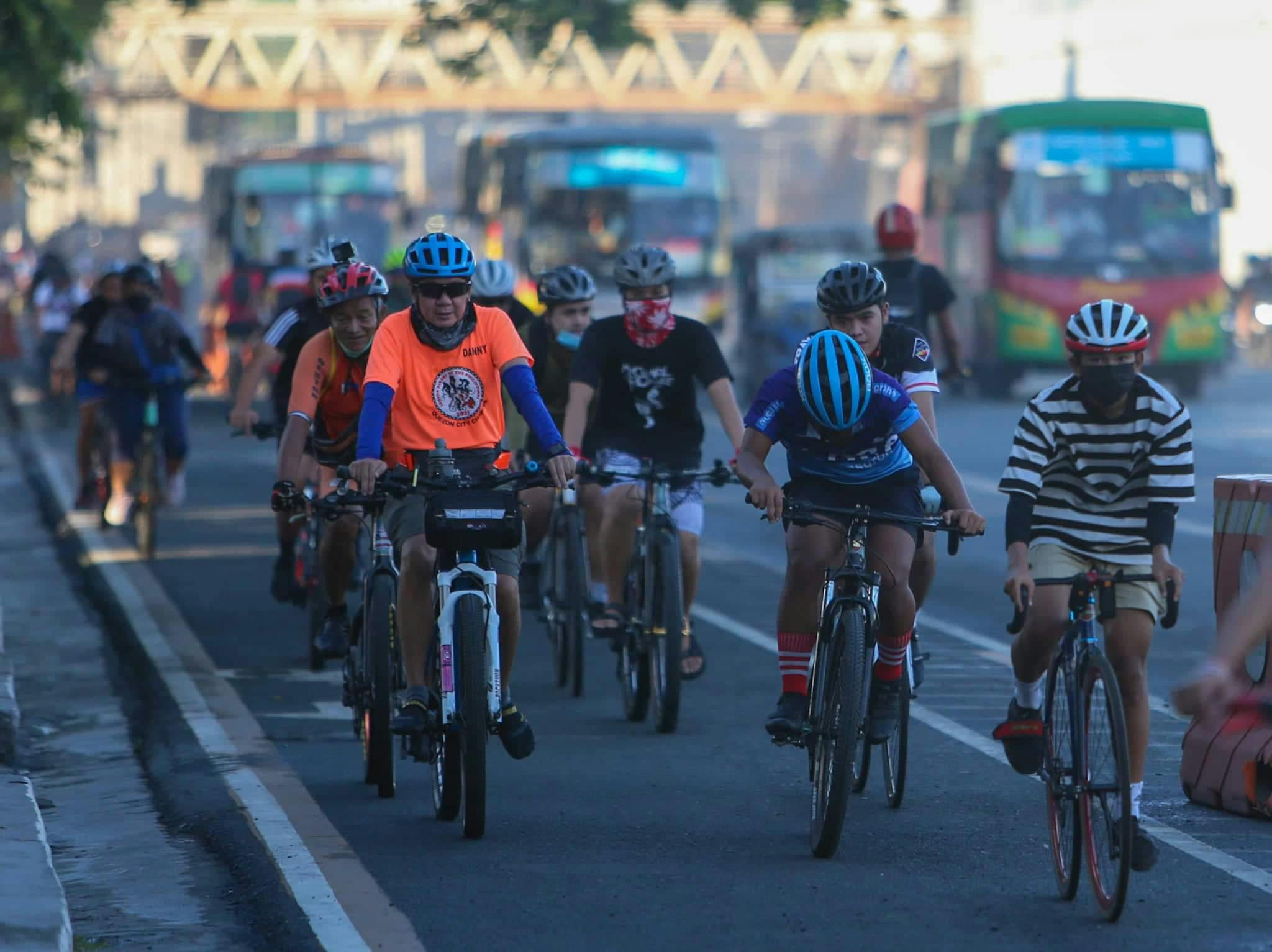
More Filipino households own motorcycles and bicycles than cars and other four-wheeled vehicles, a survey conducted by Social Weather Stations (SWS) showed.
Results of the June 20 to 29 survey released on Friday, Oct. 30, found that only five percent of the respondents owned four-wheeled motor vehicles.
This is significantly lower than the 46 percent who said their households have at least one motorcycle and the 23 percent who own bicycles.
The figures were part of SWS’ survey on cycling households.
According to results, bike ownership significantly increased from 16 percent in March to 23 percent in June. This translates to an estimated 6.5 million Filipino households that own bicycles.
"The resulting ratio of bicycle owners to car owners was 5:1 in June 2026, higher than the 4:1 recorded in both March 2023 and March 2024, and the highest in the 26-survey series. It was only about 2:1 to 3:1 in the three surveys of 2020,” SWS said.
"Twenty-six national SWS surveys from May 2020 to June 2026 show that there were more bicycle owners compared to car owners nationwide,” it added.
Despite the high number of bicycle owners, SWS noted that actual usage dropped from the peak 36 percent in March 2023 to just 26 percent in June 2026.
The proportion of bicycle users is higher than the owners as some respondents said they borrow the bicycles they use.
SWS said an estimated 5.3 million households cycle for recreational activities such as exercising, sightseeing and playing, while 4.9 million use it for essential activities such as doing market runs and going to workplaces and other areas.
Thirty-five percent of the cycling households said they use bicycles to improve their health, while 32 percent use it for transportation or livelihood. Others use bikes for recreation, to save money and travel time, or because it is a more convenient option.
The lack of a bicycle is a primary reason of non-cycling households. Other reasons included having other forms of transportation, lack of cycling skills and fear of accidents.
The survey had 1,200 respondents and a margin of error of plus/minus three percent.


