



Is It A Sign? Why Your Horoscope Always Seems To Be Tailor-fit For You
Is it really more than just a coincidence?
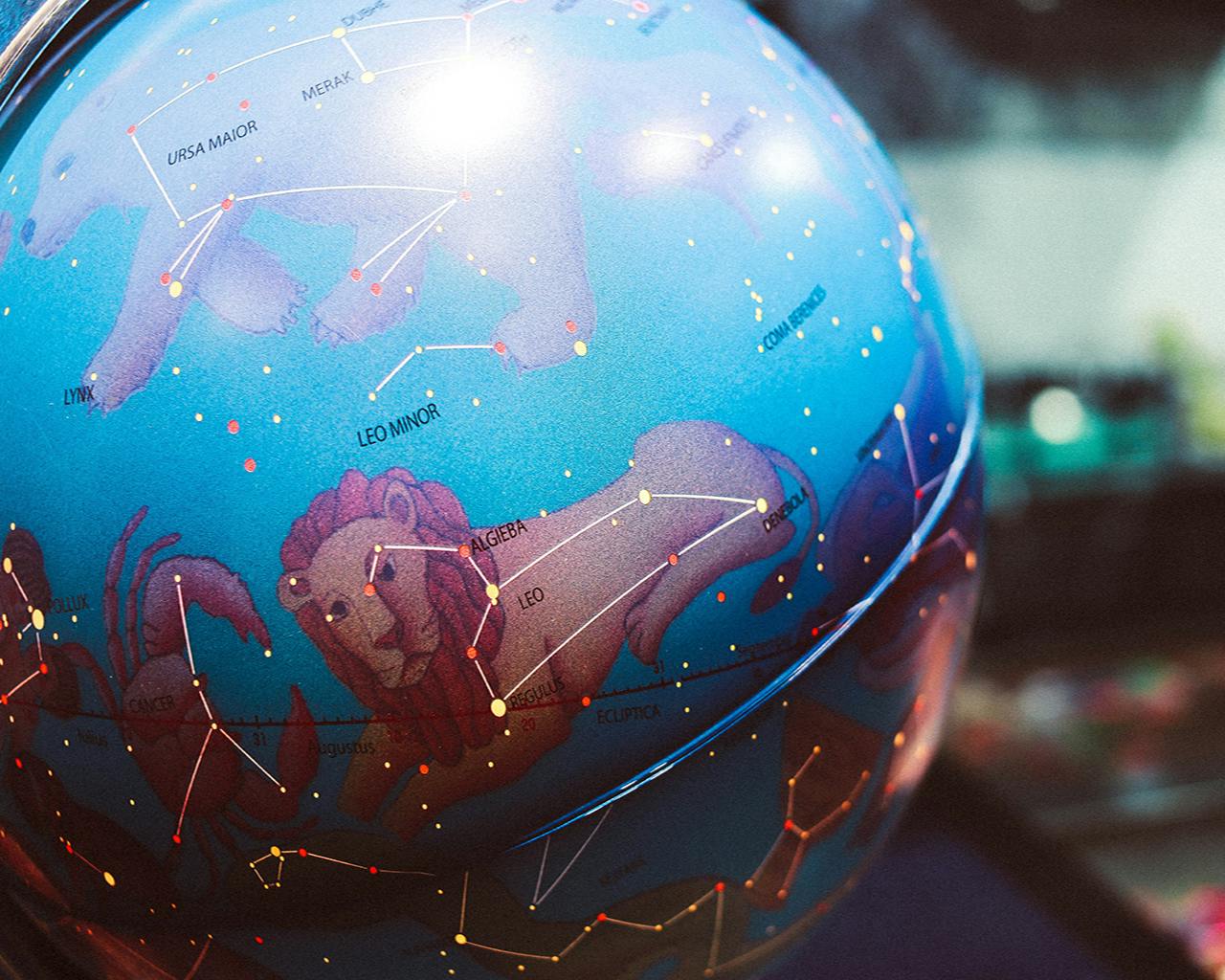
Almost every 20-something you’re going to meet would know a thing or two about astrology. For some of us, “Ano’ng zodiac sign mo?” started friendships and even made quite the conversation piece. We also cannot deny that at some point, we checked our weekly horoscopes on the Sunday paper too! In other words, it is no surprise to say that astrology has made a powerful impact on our mindset in general.
The basic premise
The simplest explanation for astrology would be: It is written in the stars. Romantic as that may sound, the way astrology works is exactly that -- it suggests that the sun, moon, planets, and constellations are positioned in a way that they all work together, with the ability to affect people’s behavior, personality, destiny, and fate.
Let’s take the Sun Sign as an example. In Western astrology, the Sun sign is your “main” sign and is what most horoscopes are based on. Lisa Stardust, a New York-based astrologer, describes it as, “It’s how our ego relates and deals with the world and challenges.” Basically, astrology proposes that we are the way we are because of the different elements present in our universe.
Western vs. Chinese astrology
With Chinese New Year coming up, now is the best time to discuss the Chinese zodiac and how it differs from Western astrology. Not a lot of people realize that the two systems actually have the same number of signs. The 12 signs in Western astrology are: Aries, Taurus, Gemini, Cancer, Leo, Virgo, Libra, Scorpio, Sagittarius, Capricorn, Aquarius, and Pisces. In the Chinese zodiac, the 12 signs are: Rat, Ox, Tiger, Rabbit, Dragon, Snake, Horse, Goat, Monkey, Rooster, Dog, and Pig.
However, the two do not have the same time frames. Western astrology divides astrological signs by month, whereas Chinese zodiac separates them by year. Therefore, the belief in Chinese astrology is that those who were born in the same year share the same traits, personalities, and fortune. As for the Western culture, it is believed that those who were born in the same period within months are similar in character and luck.
Chinese Traditions
The Chinese culture considers people to be unlucky in the year of their Chinese zodiac because of the belief that they are offending the God of Age Tai Sui and are bound to receive his curse. Thus, as 2020 was the Year of the Rat, a person born in the year of the Rat would be relieved that the Year of the Ox is almost here.
To combat the curse every 12th year of their lives, the Chinese have established traditions that are present in their culture until now.
Wearing red
Red is considered a lucky color in Chinese culture, which represents prosperity, success, happiness, and loyalty. Therefore, they believe that wearing red during your zodiac year can bring you good luck instead.
Wearing Jade accessories
Jade accessories are famous in China. They come in the form of pendants, earrings, necklaces, bracelets, and they are believed to ward off bad luck too.
The Barnum Effect
The Barnum Effect, also known as “Forer Effect”, is a psychological occurrence where individuals believe that personality descriptions (like their horoscopes) were specifically tailored for them, despite the fact that these descriptions actually contain vague information and can apply to everyone.
Licensed clinical psychologist Dr. Christine Manley, PhD describes this as a phenomenon that “can explain individuals’ belief in astrology, non-scientific personality tests, fortune telling, clairvoyance, palm reading and many 'paranormal' experiences. Because the descriptions are so vague, people tend to superimpose their own personal meaning and experiences on the descriptions, making them powerfully meaningful to that person."
What we should remember
The two astrological systems are far more complex than their signs, and they hold a lot of meaning connected to different cultures and histories. However, let’s get one thing straight: you are still in control of your life. The stars do not dictate whether you should invest on that business or allow yourself to be romantically involved, but you can look to them for guidance, always taken with a grain of salt.
Dr. Kim Lamana, Ph.D., a Professor of Psychology, explains that the reason why we are so connected to our zodiac signs is because they help us define who we are as individuals.
“People, especially younger generations, are connected to their zodiac signs because it gives them a sense of identity. It also gives them a sense of control over their day-to-day lives as it gives them a feeling that they can predict what will happen in the future, thus reducing anxiety.”
We all know that astrology is not 100% proven in the scientific community, but for most of us, it can serve as a tool for self-awareness, self-improvement, and guidance. Courtney Firth perfectly sums it up in her article, “Ultimately, astrology is really about direction, more so than anything else.”
This article originally appeared on OneLife.PH.


