



Ex-DOH Chief: Dental Care Not A Priority Among Filipinos, Collaborative Approach Needed To Address Issues
The National Survey for Oral Health conducted in 2018 found that 72 percent of Filipinos suffer from tooth decay, while the 50 percent have gum-related diseases.
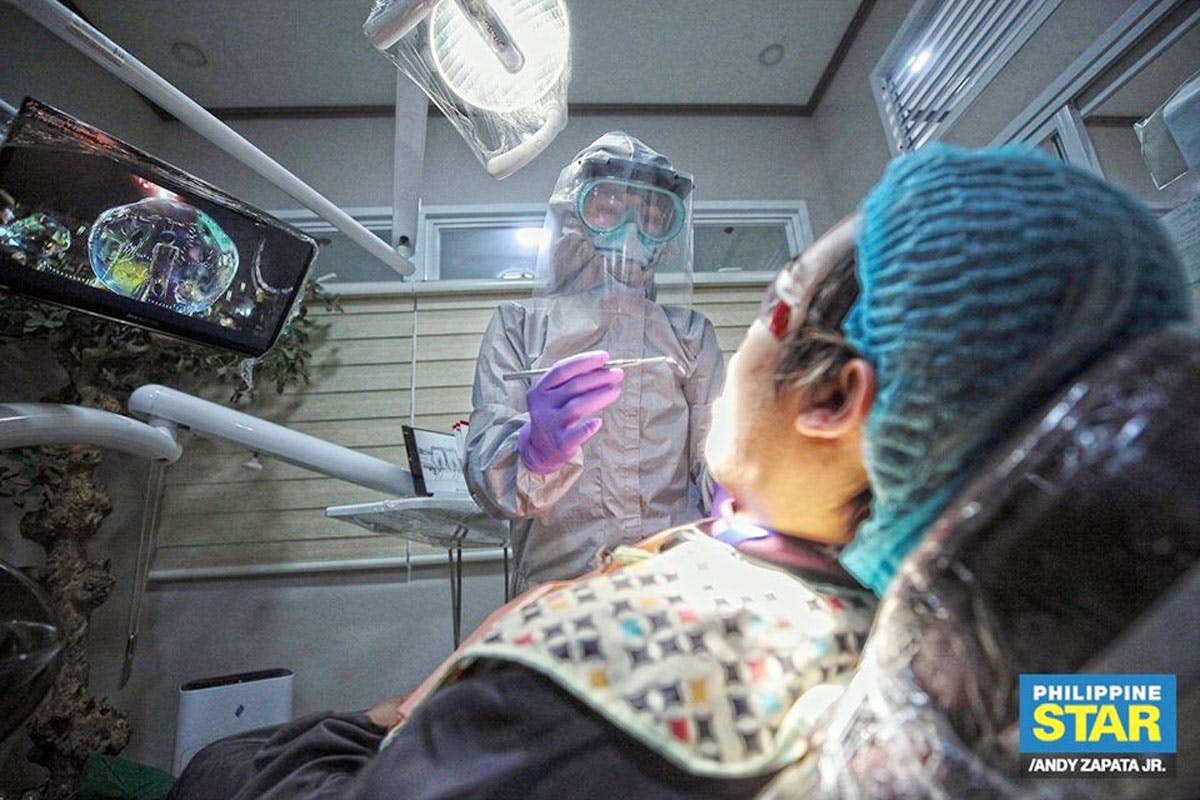
Filipinos tend to downplay the importance of dental health and its consequences, former Department of Health (DOH) secretary and now Iloilo Rep. Janette Garin said on Friday, April 21.
In an interview on “Agenda” over One News, Garin noted the stereotype that prioritizing dental care is equal to being vain or simply looking clean.
But in reality, she said proper dental care goes beyond teeth and gums, citing how a dental abscess can lead more serious illnesses.
“It can lead to heart diseases… On rare occasions, it can lead to stroke and it can even lead to death… It (death) is not frequent, but it is possible because the infection can lead to sepsis, meaning the infection spreads to the bloodstream and becomes a generalized infection,” Garin, who is also the vice chairperson for the House committee on health, said in English and Filipino.
The National Survey for Oral Health conducted in 2018 found that 72 percent of Filipinos suffer from tooth decay, while the 50 percent have gum-related diseases. In 2022, the DOH-Northern Mindanao also reported that 87 percent of the population suffered from dental health problems.
Aside from the challenges brought about by the pandemic, she cited three main reasons behind Filipinos’ apparent disregard for their dental health.
On top of the list, she said, is the lack of awareness over the importance of dental care. The second has to do with the priorities of many Filipinos.
“People would prioritize load. People would prioritize many other things like makeup, and vanity is more saleable than dental care products,” Garin explained.
“It (dental care) is the least of their priority. You can see in provinces, even among students, their toothbrushes are heavily destroyed…. but they don’t replace it until it’s totally broken or it splits,” she added.
She also cited the high cost of many procedures and the assumption that tooth extraction is the only option for dental problems.
“Tooth extractions are not free, getting a dental filling is not free. There is also this misconception where if something is wrong, just pull the tooth and it will be okay,” she added.
Finally, the former DOH chief cited changing priorities for local government units, noting how local officials used to prioritize dental care by giving out free toothbrushes and hiring government dentists.
Even equipment shortages for dentists were solved through collaboration with the Department of Education (DepEd) and the Department of Interior and Local Government.
Garin said, at the time, dental buses were provided through the partnership, and could be used by municipalities on a rotation basis.
Local school boards, she recalled, would also provide for consumables, while the DOH covers other requirements such as dental chairs and transportation.
Continued collaboration
Garin stressed the need for multisectoral collaboration to solve the problems, especially in terms of funding.
Aside from calling on increased prioritization by DepEd, Garin said the Philippine Amusement and Gaming Corporation (PAGCOR) and the Philippine Charity Sweepstakes Office (PCSO) can also set aside funds for programs related to dental health.
Garin also mentioned the Sangguniang Kabataan, saying that instead of funding recreational activities, they could instead do so for dental care.
She said that this would be better for the youth councils as they can measure its long-term effects, along with overcoming the negative stigma of only being there for leisure.
“It wouldn’t entail a huge budget to provide toothbrush, toothpaste and even flossing,” she said. “Many people do not understand the importance of dental flossing that even if you brush your teeth, in between your teeth a lot of cavities are left that can actually have complications later.”


