



DepEd Procures 172,654 MacBooks For Teachers
The Department of Education secured the MacBook Neo package at approximately P43,000 per unit, about P6,900 below the model’s Philippine suggested retail price of P49,900.
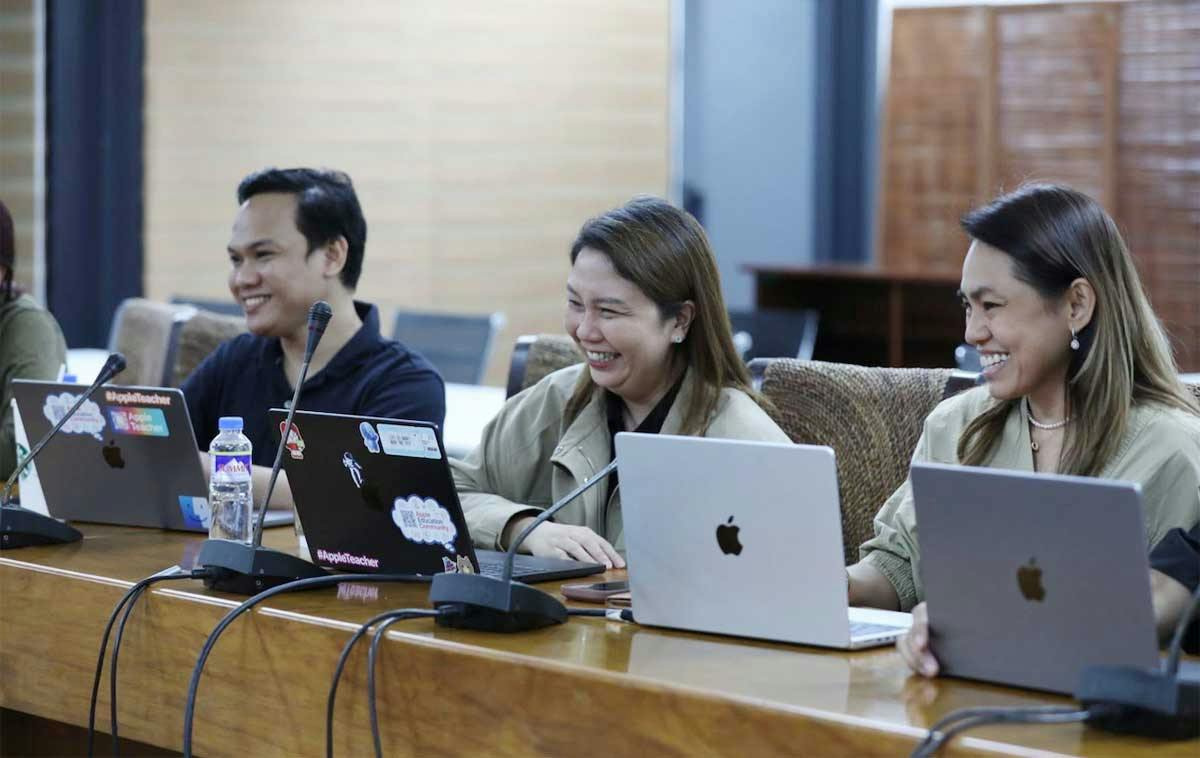
As part of its efforts to accelerate the country’s digital education roadmap, the Department of Education (DepEd) has secured 172,654 Apple MacBook Neo laptops for public school teachers and administrative staff nationwide.
Education Secretary Sonny Angara announced on Tuesday, Nov. 3, that the department had successfully concluded competitive bidding for the computerization project, emphasizing that providing reliable technology would help address long-standing burdens on educators.
“For the longest time, our teachers have carried the heavy personal burden of buying their own laptops or maintaining outdated equipment just to keep up with lesson plans. Under the vision of President Marcos, we are changing the narrative,” Angara said.
The DepEd has so far awarded contracts for 231,725 laptops for teachers nationwide, comprising 169,008 MacBook Neo units and 62,717 Windows-based units.
The procurement also includes 3,646 MacBook Neo laptops for administrative officers.
The deployment of all 172,654 MacBook Neo units is scheduled from November 2026 through March 2027.
DepEd secured the MacBook Neo package at approximately P43,000 per unit, about P6,900 below the model’s Philippine suggested retail price of P49,900.
Angara said the procurement includes a five-year warranty, the longest coverage offered in the department’s laptop procurement, compared with the standard one-year retail warranty.
The package also covers built-in productivity tools, delivery and logistics and professional development for recipients.
“We welcome Apple’s participation in this procurement to bring MacBook Neo to our teachers. It isn’t just about handing out world-class hardware with five-year warranties; it’s about giving our educators the best tools, backed by robust training so they can focus on what matters most: teaching our children,” Angara said.
Apple chief executive officer John Ternus highlighted the deal during the company’s fourth-quarter 2026 financial results conference call on Monday, Nov. 2, describing it as Apple’s biggest education deal ever for Mac.
“I’m feeling great about the opportunities ahead for Apple, from our product roadmap and broad range of services to promising areas like health, emerging markets, enterprise and education. As one example, we recently secured our biggest education deal ever for Mac, with the Department of Education in the Philippines. They’re going to deploy 170,000 MacBook Neos to teachers and staff,” Ternus said.
DepEd will also collaborate with Apple to launch GuroXL, a co-designed training framework for educators.
In coordination with the National Educators Academy of the Philippines, the program will guide teachers toward Apple Teacher certifications and specialized technology leadership credentials, according to the department.
ACT: Insufficient
The Alliance of Concerned Teachers (ACT) Philippines, however, said the 172,654 laptops remain grossly insufficient to meet the digital needs of the entire public education workforce.
ACT chairperson Ruby Bernardo explained that with nearly 900,000 public school teachers alone, the latest procurement, even when combined with previously contracted units, would leave the vast majority of teachers without government-provided laptops.
While ACT recognizes the need to equip educators with reliable digital tools, she stressed that the procurement must not be presented as fulfilling the government’s promise to provide every teacher with a laptop.
“Our educators are subsidizing the government’s failure to provide even the most basic tools for their work. It is deeply unjust that those already burdened by low salaries, excessive workloads and inadequate benefits must also go into debt just to do their jobs,” she added.
Bernardo called on the DepEd to ensure that the laptops are reasonably priced, fully functional, durable and suited to the actual working requirements of teachers and administrative personnel.
She also urged the department to provide accessible and continuing training, along with reliable technical support and maintenance.
“Schools should not be forced to raffle off a handful of devices or its personnel to compete for limited units when these are essential tools for their work. Our demand remains clear: laptop for every teacher and public funds that actually reach schools and education workers,” said Bernardo.