



Cha-Cha Train To Get Going This Year – Lawmakers
“The task ahead is to pave the way for major, long-overdue structural economic reforms, including economic Charter change,” Marikina 2nd District Rep. Stella Luz Quimbo said.
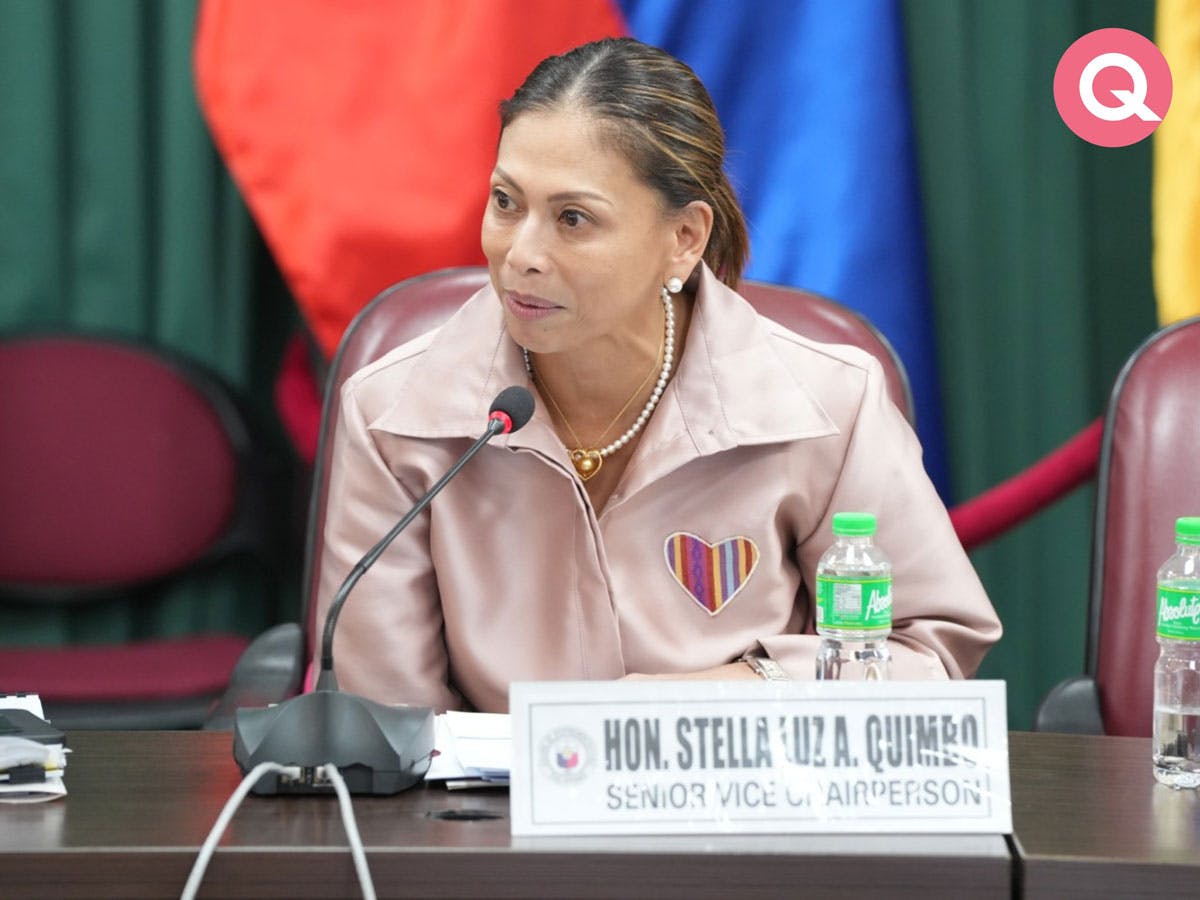
Regardless of what its bicameral partner, the Senate, wants, the House of Representatives is bent on pursuing this year its plan to revive moves to amend major provisions in the 1987 Constitution that have hindered the country’s economic growth.
“The task ahead is to pave the way for major, long-overdue structural economic reforms, including economic Charter change,” Rep. Stella Luz Quimbo, senior vice chair of the House appropriations committee, said in support of Speaker Martin Romualdez’s pronouncements.
The Marikina second district congresswoman enumerated the sectors that have kept the Philippines a laggard among its ASEAN (Association of Southeast Asian Nations) neighbors, ranking eighth among 10 member-nations, not just in foreign direct investments (FDI) but also in other crucial fields.
“In the case of education and health, a proper assessment is necessary to determine the required reforms,” Quimbo pointed out, citing as basis the recent PISA results where Filipino students scored dismal rankings in math, reading and science, ranking 77th among 81 countries in all areas. PISA stands for Program for International Student Assessment of the Organization for Economic Co-operation and Development.
Health problems like the three-year global pandemic COVID-19 should make the Philippines ready should such issues arise again, according to her. “A critical step towards this is to establish a robust and resilient health care infrastructure and develop sufficient human resources for health.”
“As our economy moves forward in 2024 and beyond, there is a growing consensus that reforms are needed in various areas to improve the state of our nation and to uplift the lives of the Filipino people,” Quimbo, a lawmaker-economist, stressed.
“In the case of economic liberalization, there is a consensus among economists and the business sector that the economic provisions of the 1987 Philippine Constitution should be liberalized,” she said, underscoring the need to lift very prohibitive economic provisions in the Charter.
Quimbo pointed out, however, that “amending our Charter must go hand in hand with addressing other critical issues: the cost of power, the traffic problem, enforcing contracts, reliable internet speeds and the development of human capital.”
“The bottom line is we need to send a certain and predictable signal to the global investor community: the Philippines is ready, able and willing to accept FDIs,” she stated in her 2023 yearend report entitled “A Year of Economic Challenges and Steady Progress.”
Another senior administration stalwart, Rep. L-Ray Villafuerte of Camarines Sur, expressed optimism about this year’s performance of the House under the leadership of Romualdez and President Marcos as head of the government.
“I am looking forward to a fine year ahead for our people in 2024 on the back of expected bigger strides by President Marcos a year-and-a-half into office in his socio-economic reform agenda of ensuring better lives for Filipinos and a prosperous and peaceful Philippines on his watch,” he said.
The Bicolano lawmaker believes 2024 is a “better year” as the socio-economic reform agenda of Marcos starts taking bigger strides toward much higher public spending on infrastructure, social protection and other priority programs that spell more jobs for underprivileged Filipinos
“Prospects for genuine and lasting peace for our country are also better this year as President Marcos set in motion at the end of 2023 parallel measures to end the various communist and separatist insurgencies that have wracked our nation and killed countless Filipinos for decades.”
Villafuerte noted that “most of our people and even the business community apparently see 2024 as a cut above previous years as they have similarly expressed bullishness about prospects for the year ahead.”


