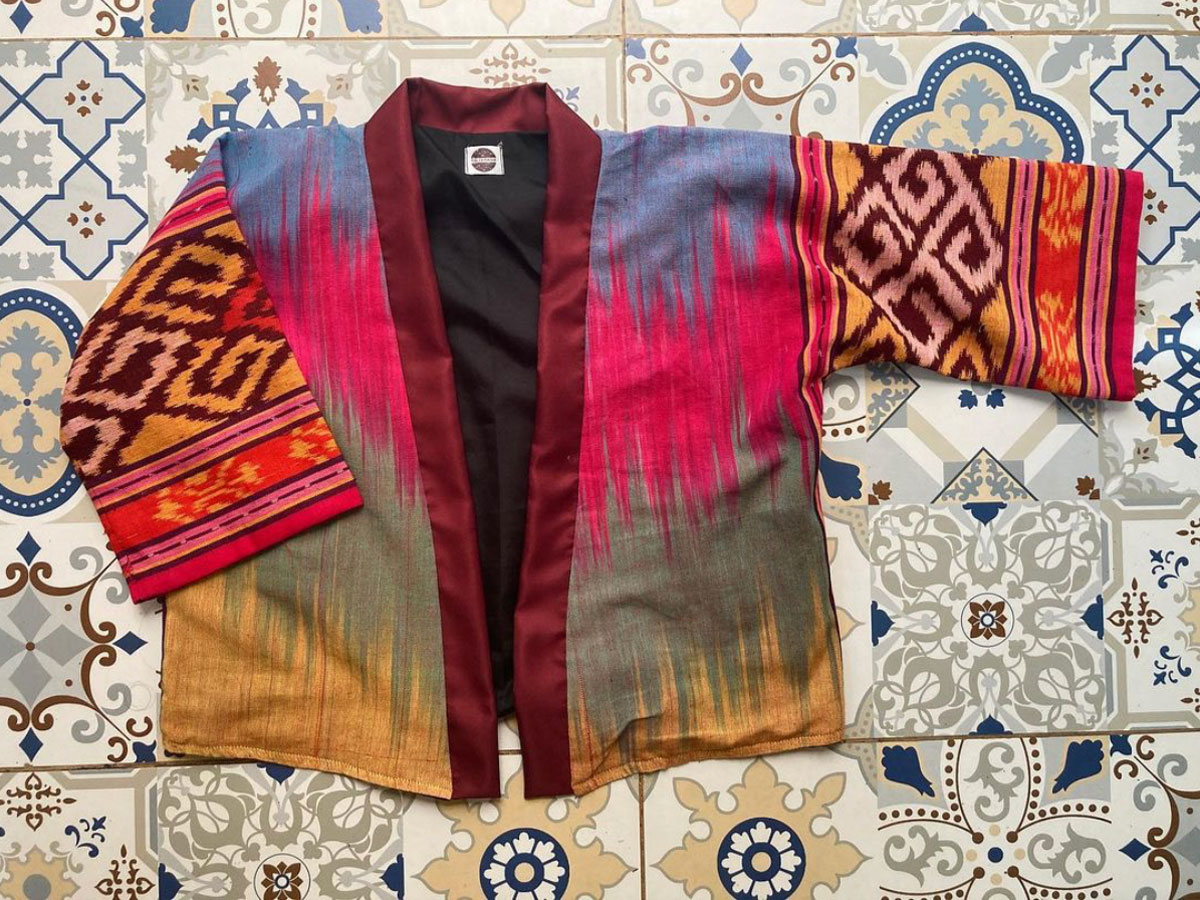



‘Balik Batik’: Merging Traditional Filipino Weaves With Modern Styles
“Our mission is to spread the love for traditional Filipino artistry and weaving through clothing pieces and accessories that are wearable any day, every day,” Balik Batik said.
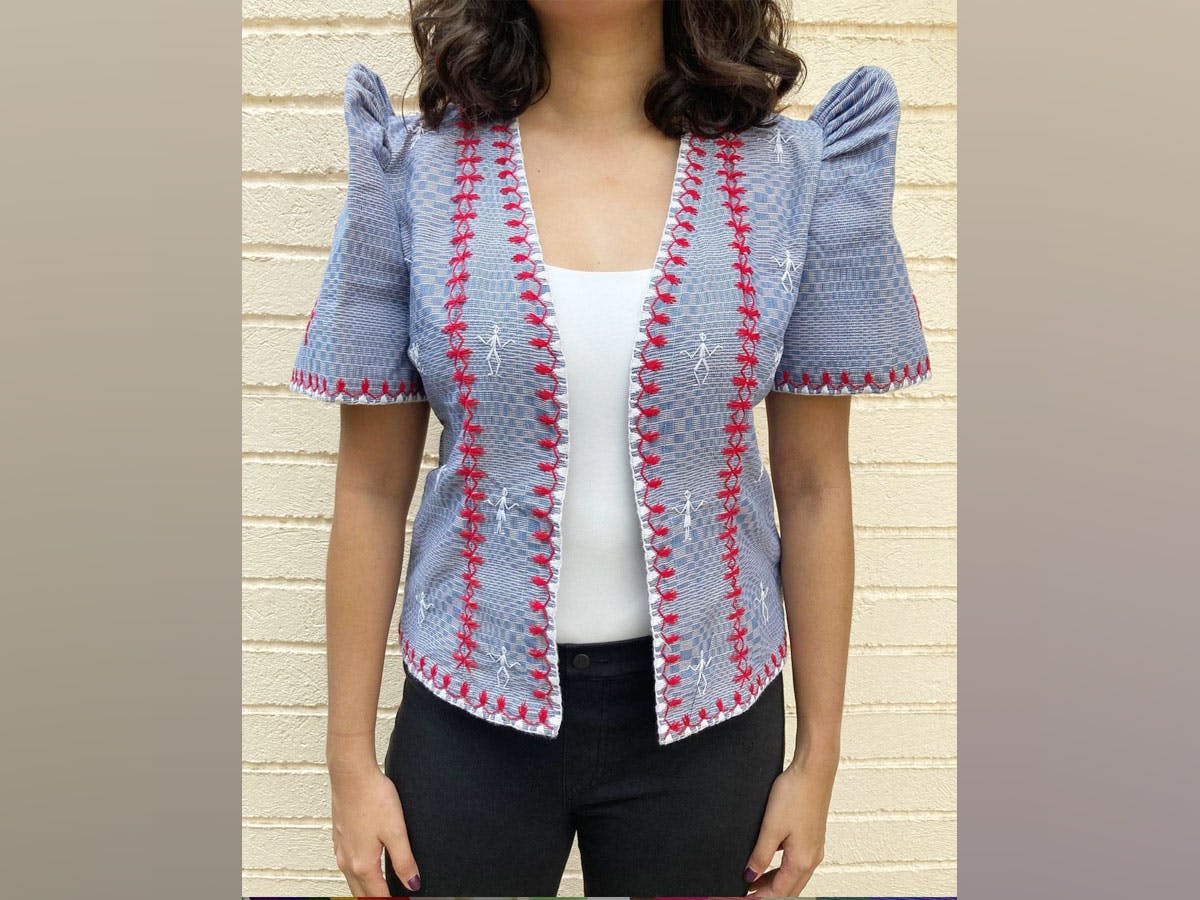
Gone are the days when traditional fabrics and patterns were only worn on special occasions. This shop in Cebu offers wearable pieces of clothing that feature the trademark weaves of various indigenous tribes from Luzon, Visayas and Mindanao.
Established in March 2020, “Balik Batik” aims to bring Filipino fashion back into the mainstream. “Our mission is to spread the love for traditional Filipino artistry and weaving through clothing pieces and accessories that are wearable any day, every day,” it said.
As a social enterprise, it promotes the unique craftsmanship of native weavers and merges their designs with contemporary styles. Its products include coverups, jackets, hoodies, blazers, barongs, shirts, skirts, Filipiniana sleeves, sablay or sash and other exclusive outfits.
Balik Batik assures clients of special items, not only because of the culture embedded in the handwoven fabrics, but also the fact that most of the pieces in its collection are custom-made, meaning you cannot find them anywhere else.
The name of the shop is derived from the word balik-balik in Binisaya, which means “to repeat,” according to owner Veronica Mae Baguio. “Going back to these designs that were usual, traditional before” and then reintroducing it for the new generation.
Baguio said the business started with a simple tweet, asking if her friends wanted to “pasabuy”—or shop on their behalf— for blazers she found during her work trip in Mindanao weeks before the lockdowns. Her tweet got “semi-viral,” which led her down the entrepreneurial path.
“So many people replied like, ‘di tayo friends pero gusto ko ng ganyan’ (we are not friends but I want that)… I was just looking up for clothes I would wear and I wanted to share that to my friends. But when I saw that so many people also wanted to wear Filipino designs, that’s what inspired me to start (a clothing enterprise),” she explained.
Google Meet interview on June 26, Baguio disclosed it was during her trip to Mindanao that she discovered langkit, a traditional weaving and embroidery art form of the Maranao people from the province of Lanao. It became the first weave that Balik Batik incorporated in its artistic pieces.
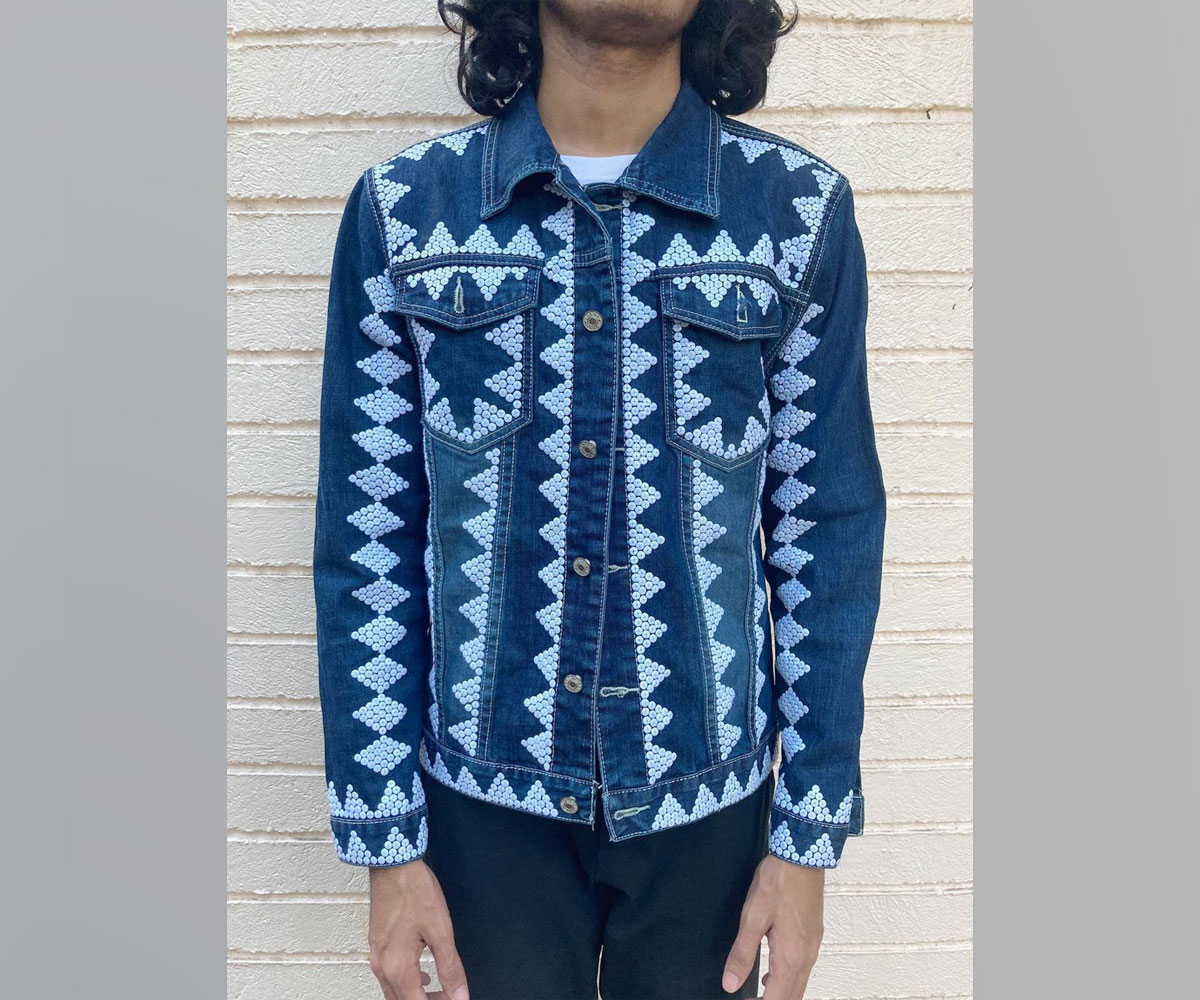
Now, her company also works with other Mindanaoan ethnic groups such as the T'boli from South Cotabato that makes T’ nalak; the Tausug tribe of Sulu that makes the Pis Siyabit; and the Yakan of Basilan that makes the Tennun tapestry, to name a few.
In the Visayas, Balik Batik partners with weavers from Argao, Cebu and has been trying to reach out to those in Iloilo. In the island of Luzon, they work with Igorot artisans, including those from Kalinga and the Itneg tribe of Abra.
In just over a year, Balik Batik has formed partnerships with a network of shops based in different areas across the country. It now has 30 partner weavers, artisans, and embroiderers nationwide.
Baguio connected with most of her business partners through online groups last year during the height of the coronavirus pandemic. She said they communicated virtually almost every day to discuss product ideas, designs, and other things that they now became friends.
“I met them all through online (communication). I haven’t actually met any of them in person. I wish I could travel to see them, but you know pandemic pa, ‘di pa pwedeng mag-travel (traveling remains restricted),” Baguio said.
“Pero nakakatuwa kasi (But it’s great because) we talk almost every day. Super friends ko na ‘yung partners ko, like, nag-chichika na kami outside of ‘yung mga weaves, ganoon (I’m super friends with my partners now, like, we talk about other things outside of weaves),” she added.
Balik Batik is based in Liloan, Cebu but Baguio remains reluctant to accept visitors in her shop due to the ongoing pandemic. Clients are mostly accommodated through their Facebook, Twitter and Instagram accounts.