804 Inmates Qualified For Release – BJMP
According to the Bureau of Jail Management and Penology, only 804 of the 1,927 detainees who have medical conditions are considered non-recidivists or those who will not relapse into previous criminal habits.
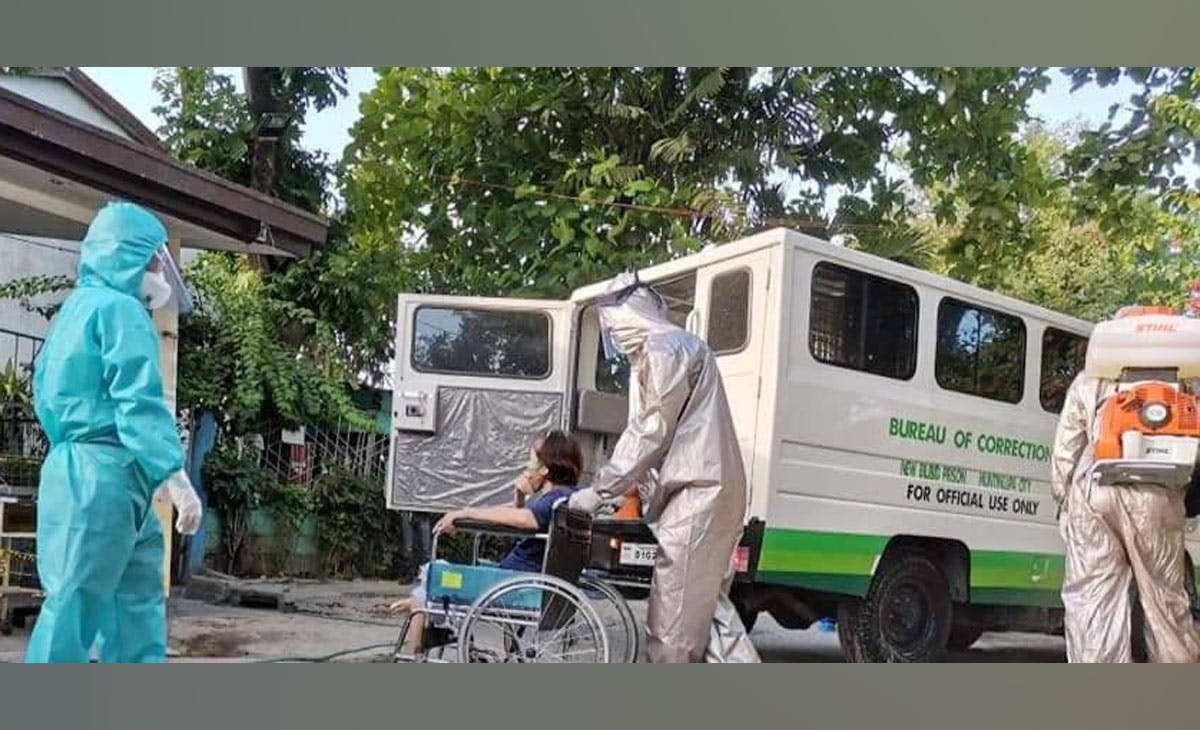
More than 800 inmates may qualify for a proposed early release amid the coronavirus disease 2019 (COVID-19) pandemic, according to the latest report by the Office of the President.
The Report to the Joint Congressional Oversight Committee submitted by President Duterte on Monday, April 27, cited data from the Bureau of Jail Management and Penology (BJMP) noting that there are 804 elderly inmates considered non-recidivists who may qualify for the early release.
In the report, the BJMP said there are 3,384 persons deprived of liberty (PDLs) who are 60 years old and above and charged with light offenses.
Of this number, 1,927 individuals have medical conditions, but only the 804 are considered non-recidivists or those who will not relapse into previous criminal habits.
The BJMP has yet to comment on the report and give updates on the situation of these vulnerable people inside their facilities.
There are over 130,000 inmates detained at BJMP facilities nationwide.
Latest data from the BJMP showed that as of last week, there were a total of 135 inmates and at least 30 personnel of the bureau who have tested positive for COVID-19.
Two of the most congested jail facilities in the country, the Cebu City Jail Male Dormitory and the Quezon City Jail, are the ones with COVID-19 cases.
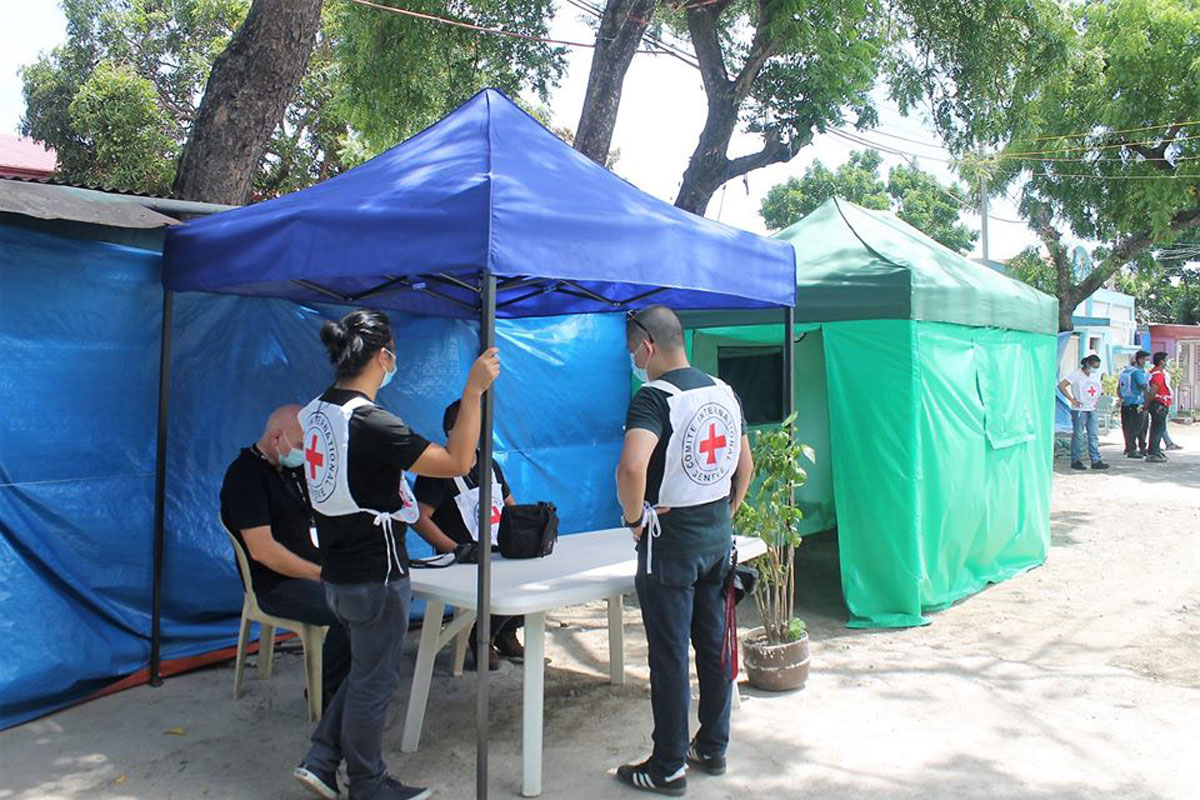
The BJMP is assuring the public that it has brought positive, suspect and probable COVID-19 cases to its isolation areas or to hospitals for proper treatment.
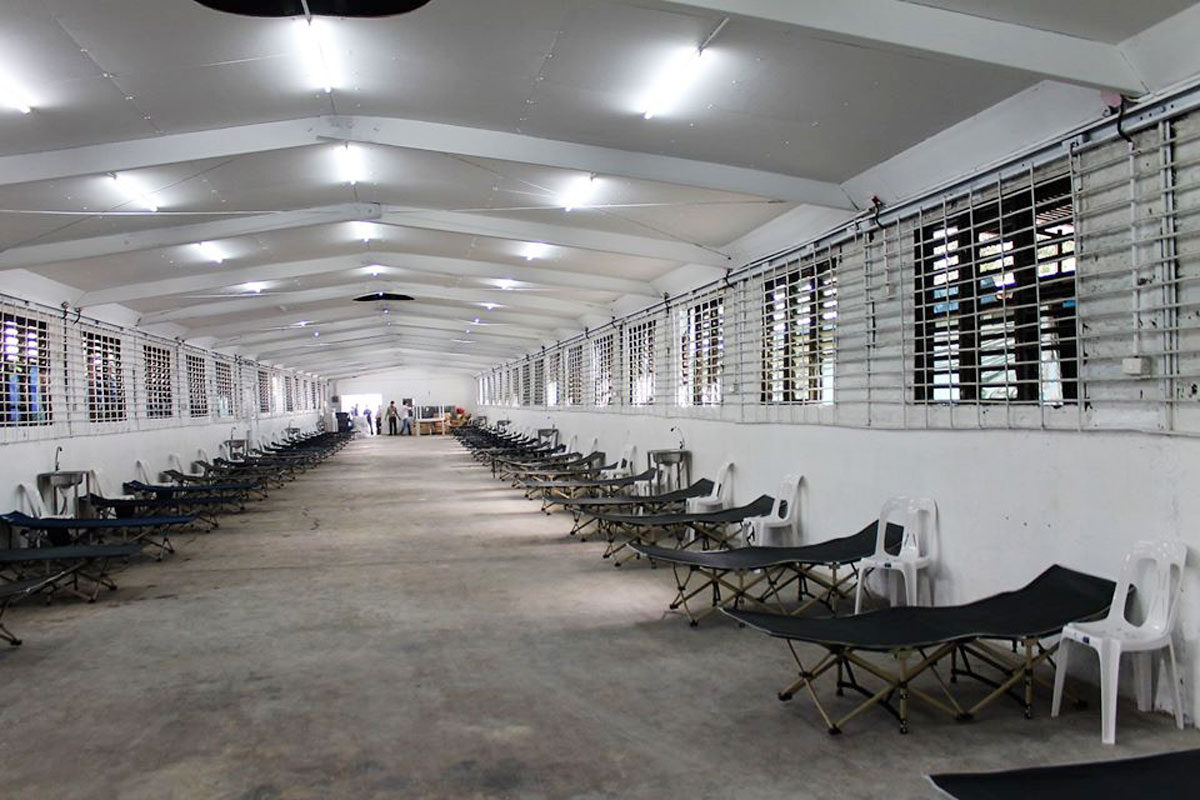
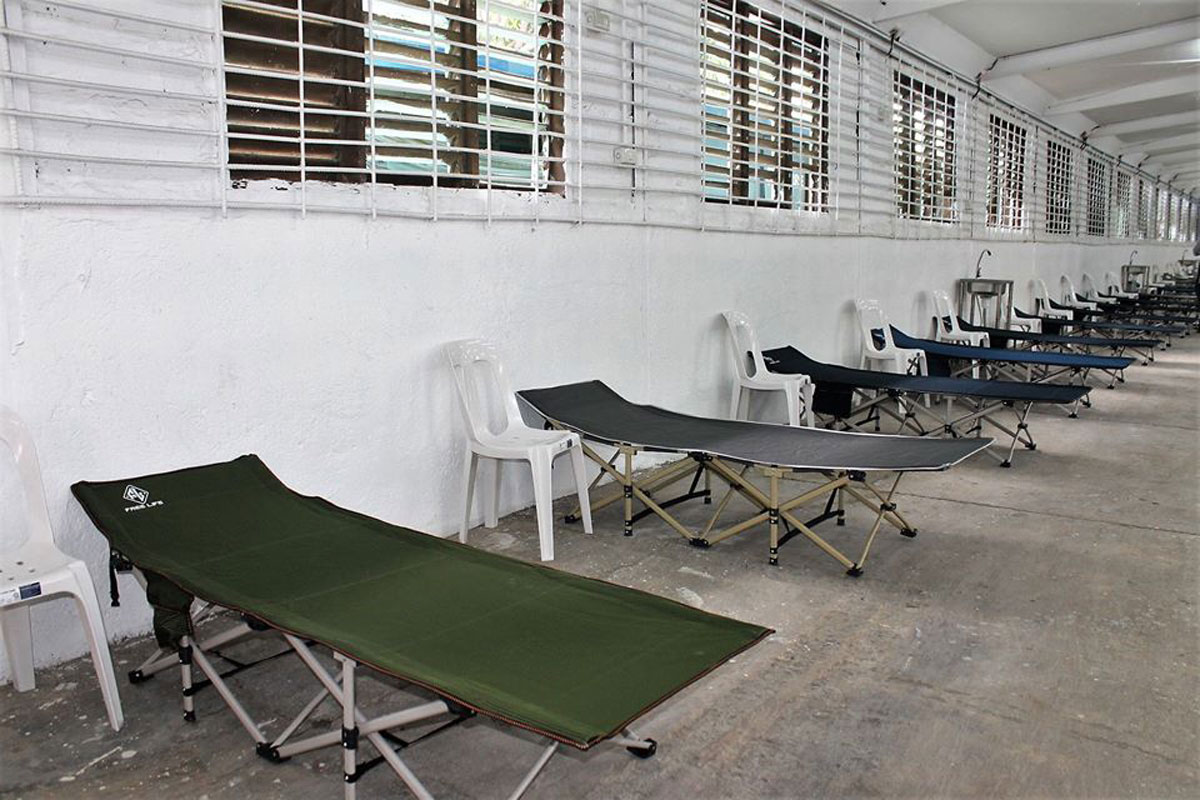
Four regional isolation centers have been established while over 200 isolation areas have been identified by the BJMP. It stressed that its inmates are safe amid a total lockdown imposed in all of the 468 jail facilities around the country.
Several quarters are calling for the release of vulnerable inmates from the country’s congested jails and national prisons amid the public health crisis. At the Correctional Institution for Women, which is under the Bureau of Corrections (BuCor), two inmates have died of COVID-19.
The United Nations Commissioner for Human Rights has issued a statement urging governments to decongest their jails by releasing vulnerable inmates, to prevent the possible devastating effects of COVID-19 for people in detention.
The proposal is gaining ground following the rising number of COVID-19 cases in Philippine jails.
The Department of Justice (DOJ), which has jurisdiction over BuCor and national prisons, has approved a resolution that simplifies requirements and procedures in the processing of applications for parole and executive clemency.
Meanwhile, the Supreme Court has yet to rule on a petition filed by 22 prisoners asking for their temporary release on bail during the duration of the public health emergency, citing the risk of infection they face while in detention.
The BJMP has said it is ready to abide by any ruling of the SC.
Malacañang – through presidential spokesman Harry Roque – assured the public that the government is speeding up the processes for the release of inmates who are qualified for parole and probation in view of calls to decongest the country’s jail facilities as part of government efforts to fight the spread of COVID-19.
According to Roque, the DOJ and Department of the Interior and Local Government (DILG), which has jurisdiction over the BJMP, are closely coordinating to identify the inmates who can be allowed to return to their families.
“The probation and parole is governed by law. There are requirements. But the order has been given to expedite the processing of those who may qualify for probation and parole,” Roque said in a press briefing on Wednesday, April 29.
“We have to distinguish between those who have already been convicted and therefore under the DOJ and those that are still awaiting trial and under the DILG. For those under DOJ, the convicted felons, we have a law which provides for probation and parole,” he added.
As far as those awaiting trial or undergoing trial are concerned, the DILG has set up isolation places for those afflicted with COVID-19.
“But their options are very limited because individuals are under the jurisdiction of the courts,” Roque noted.
Human rights concerns
Human rights advocates have raised growing concerns regarding the welfare of the Philippines’ detainees and prisoners.
Human Rights Watch (HRW) and Philippine human rights groups have urged the government to release prisoners who face charges for low-level, non-violent crimes, including older people and those with underlying medical conditions.
The SC, in response to a petition filed by sick and older prisoners, directed lower courts to expedite such releases. However, Solicitor General Jose Calida blocked the petition, stating, “While it is true that some of the detention and reformatory facilities in the country are highly congested, unfortunately, congestion in prison facilities is not among the grounds to release inmates.”
“The Philippines is facing a real catastrophe if nothing is done to improve the dire health and overcrowding situation in its jails,” Phil Robertson, deputy Asia director of HRW, said. “The government needs to release vulnerable prisoners immediately and ensure that the medical needs of the remaining detainees are met.”
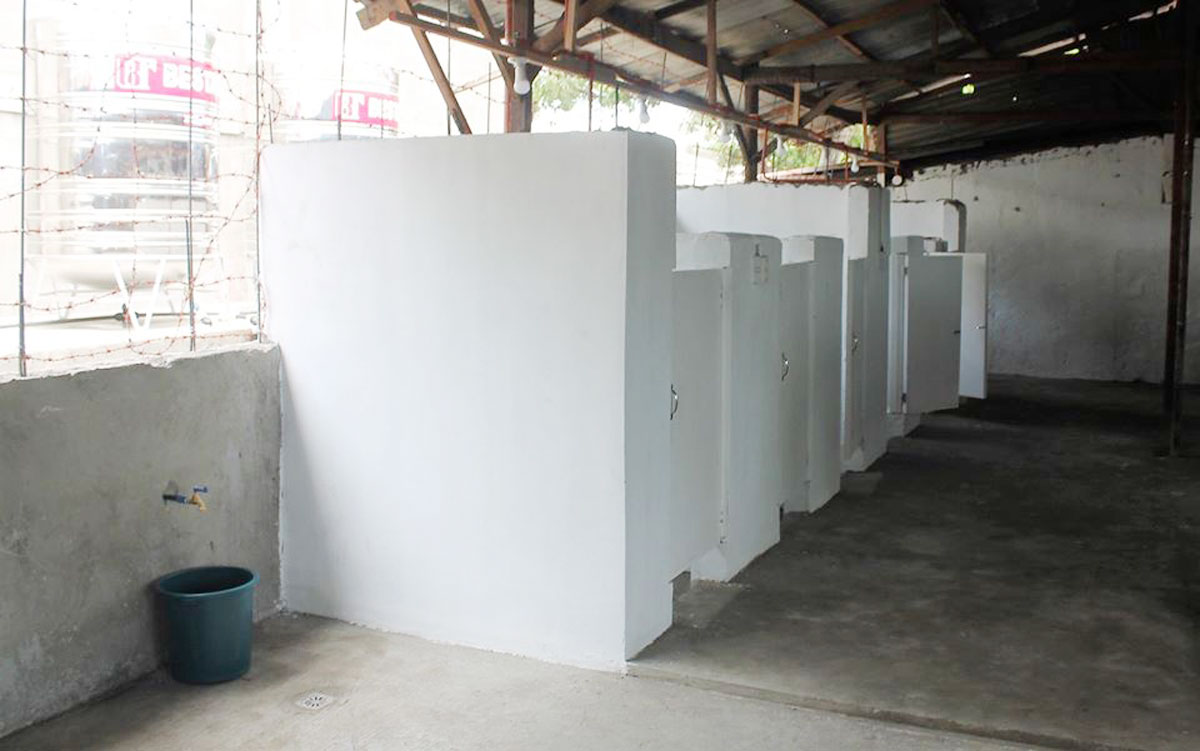
According to HRW, the Philippines has the most congested penal system in the world, with a total jail population of more than 215,000 as of November 2019 occupying space intended for a maximum capacity of 40,000.
The International Committee of the Red Cross has reported that the 467 jails nationwide were operating at 534 percent of capacity in March 2020. BuCor records indicate that the congestion rate in its 125 prisons was 310 percent as of January.
The rights watchdog cited reports that physical distancing was impossible inside the jails and that only a quarter of inmates were wearing face masks. An inmate the HRW spoke with reported that older persons were having a hard time breathing.
Robertson also said the government could be under-reporting the deaths related to COVID-19 or other causes in Philippine jails.
HRW said its sources claimed they were explicitly instructed not to disclose the detainee deaths to relatives, the public or the media.
“Inmates painted a harrowing picture of health conditions inside the overcrowded jails,” Robertson said. “Failing to give adequate protection to the inmates ordered to help prison medical staff is cruel beyond belief.”
Read more: Philippines: Prison deaths unreported amid pandemic
Another human rights watchdog, Karapatan, said the surge in the number of confirmed cases in the facilities should spur the government to temporarily release prisoners who are at high risk of contracting the disease.
“As the dangers inside prisons worsen day by day, we strongly assert our call for the release of prisoners, including and especially political prisoners, and for the government to rethink its policies in addressing the intensifying threats of the virus inside jails,” Karapatan deputy secretary general Roneo Clamor said.
Clamor said the occurrence of several cases and deaths debunked the claim of the Office of the Solicitor General (OSG) that the government had enforced enough measures to keep inmates just as safe inside the crowded facilities as they would be in the outside world.
The OSG, in its April 24 comment on the April 8 petition of 22 inmates before the SC, said the government had suspended visitations, disinfected the facilities and built isolation facilities. Even as it admitted that jail facilities are “highly congested,” the OSG claimed that continued detention “affords them ready access to government resources if and when the dreaded virus reaches the doors of their cells, no less different outside their cells.”
Clamor said: “Why do we have confirmed coronavirus deaths and cases inside? The surge in cases and even the death of at least three inmates should make the government realize that the measures they have set in place are not enough to make sure that the prisoners, especially the elderly and sickly, are safe.”
According to the Commission on Audit’s 2018 annual audit report on the BJMP, detention facilities have a total population of 136,314, or more than five times the ideal capacity of 25,268, based on the BJMP Manual on Habitat, Water, Sanitation and Kitchen in Jails and the United Nations Minimum Standard Rules for the Treatment of Prisoners. The said standards would have given each inmate an ideal floor area of 4.7 square meters.
The COA’s 2018 annual audit report on the BuCor reported an inmate population of 45,431, or more than twice the ideal capacity of 19,268. – With Christina Mendez