


Will It Be Fair To Gag ABS-CBN?
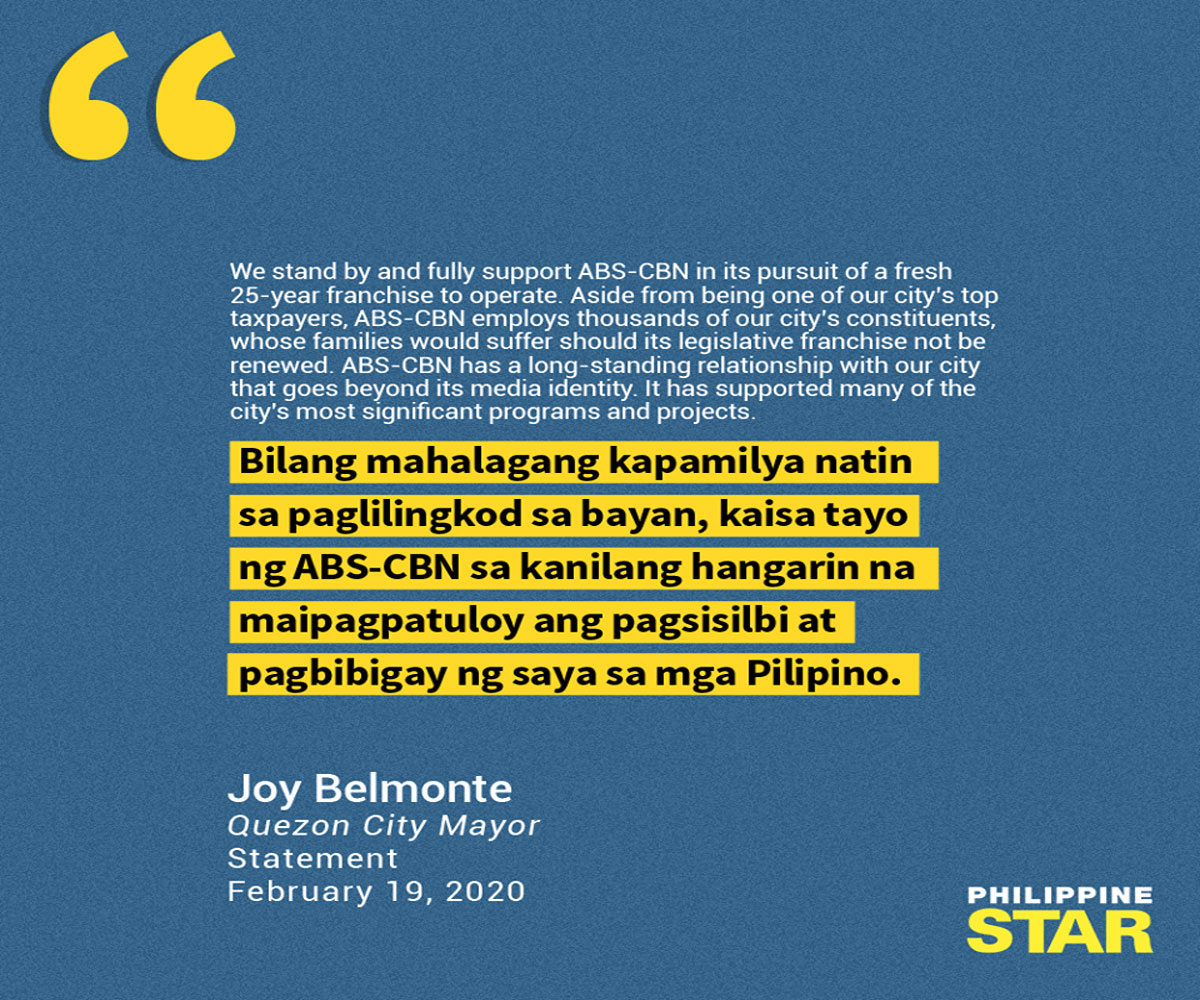
Various groups and public officials cite the importance of free speech, expression and a free press in joining ABS-CBN Corp. and its personalities in speaking out against the Office of the Solicitor General’s petition to revoke its franchise.
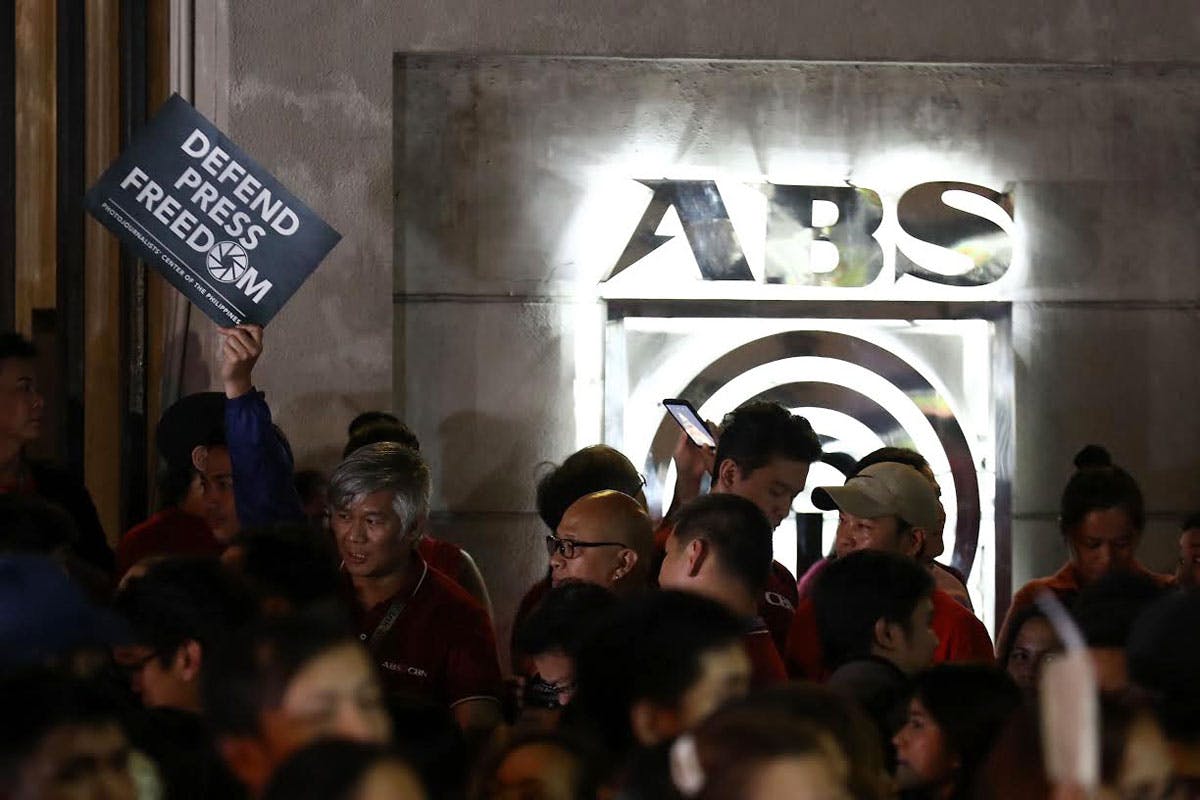
Seeking a gag order to stop parties from publicly commenting on their cases pending litigation has precedents. But alarm bells are ringing this time as the Office of the Solicitor General – the government’s primary law firm – is asking the Supreme Court (SC) to keep broadcasting giant ABS-CBN Corp. from speaking out.
Gag orders are usually phrased as directives for parties to observe the sub judice rule, which refers to “matters under or before a judge or court; or matters under judicial consideration.” They may also be conditions imposed by the Sandiganbayan in granting furloughs to detained public officials.
In the 2009 case of Romero versus Estrada, the SC explained that the rule “restricts comments and disclosures pertaining to judicial proceedings to avoid prejudging the issue, influencing the court, or obstructing the administration of justice.”
A violation of the rule is punishable as indirect contempt under Section 3(d), Rule 71 of the Rules of Court, falling under the umbrella term of “any improper conduct tending, directly or indirectly, to impede, obstruct, or degrade the administration of justice.”
However, in the 2018 administrative case filed against ousted chief justice Maria Lourdes Sereno, the SC clarified the coverage of the term. “The restriction applies to litigants and witnesses, the public in general, and most especially to members of the Bar and the Bench,” it said.
There was no gag order against Sereno. But the SC reprimanded the former chief magistrate, finding her guilty of violation of Canon 13 and Rule 13.02, among others, of the Code of Professional Responsibility.
The code mandates lawyers to “refrain from any impropriety which tends to influence or gives the appearance of influencing the Court” and prohibits lawyers from making “public statements in the media regarding a pending case tending to arouse public opinion for or against a party.”
The most prominent ongoing gag order was issued on Feb. 13, 2018 by the SC, acting as the Presidential Electoral Tribunal, in the electoral protest filed by candidate Ferdinand “Bongbong” Marcos Jr. against Vice President Leni Robredo. The order “directs both protestant and protestee to observe the sub judice rule.”
The directive was reiterated on March 20, 2018. Yet, Marcos and Robredo’s respective camps continued to talk about the revision of ballots conducted to detect irregularities. The PET on June 26, 2018 imposed a fine of P50,000 each on both parties and their counsels.
Nonetheless, Robredo’s lawyer Romulo Macalintal said at the time: “We have no choice but to speak out, in order for the public to be enlightened amid the unrelenting black propaganda, which aims to discredit the recount being spearheaded by the PET.” Marcos claimed he was merely making “observations and not prejudgments” on the revision process.
On Oct. 9, 2019, the PET was again forced to remind both parties “to respect the order of the court to them not to issue comments or discuss the case with the media under the sub judice rule.” This was following the initial vote recount, which Macalintal claimed showed Robredo’s lead over Marcos had widened by 15,000 votes.
Another gag order issued by the SC on July 16, 2019 concerned the writ of kalikasan case brought by the Integrated Bar of the Philippines in behalf of the Kalayaan Palawan Farmers and Fisherfolk Association. No reason was given and a copy of the order was not publicly released, and reporters had to rely on insider sources.
The case sought to compel the government to protect and rehabilitate Panatag or Scarborough Shoal off Zambales and other features that are part of the country’s exclusive economic zone but are also claimed and controlled or blockaded by China. However, the IBP was forced to withdraw after the complainants backed out of the case.
Lower courts have also issued gag orders in high-profile trials. Former president Joseph Estrada, when he was facing a plunder case, openly defied an order by the Sandiganbayan to refrain from issuing statements and engaging in political activity during his one-day furlough to receive an award. He delivered a speech outlining the “sins” of the administration of then president Gloria Macapagal-Arroyo and lamenting how “cheating in our country becomes a way of life.”
Court of public opinion?
None of these cases involved any media outfit or personality explicitly ordered to refrain from discussing the issues of the case in public.
Hence, the OSG’s motion accusing ABS-CBN of engaging in “propaganda in clear attempt to elicit public sympathy, sway public opinion, and, ultimately to influence the resolution of the (quo warranto) case” spooked certain legislators and media groups.
The OSG cited an ABS-CBN video explaining the developments surrounding its case, wherein it was stated that “the Filipinos will experience a sense of unjust treatment as they would be deprived of their favorite shows” if the network’s legislative franchise is not renewed.
The OSG, which filed a quo warranto case against ABS-CBN on Feb. 10, also took note of the “unsolicited opinions” aired by the network’s artists and news personalities.
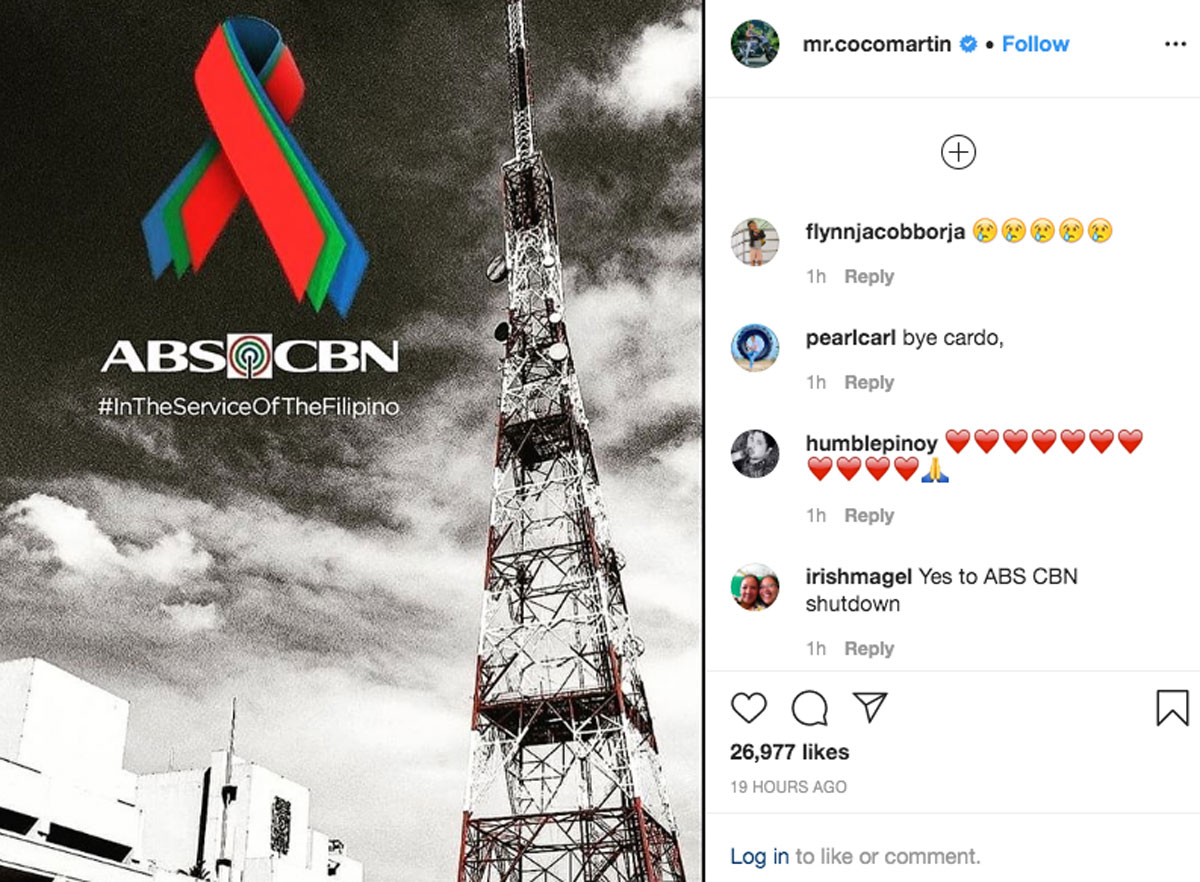
ABS-CBN’s big stars have expressed support for the network in their social media accounts that have millions of followers.
Presidential spokesman and Chief Presidential Legal Counsel Salvador Panelo said on Tuesday that even celebrities would be covered by the gag order should the SC issue one.
Despite Calida’s filing on Feb. 18 of a “very urgent motion” asking the SC to prohibit ABS-CBN and “persons acting on their behalf” from speaking or issuing statements regarding the quo warranto petition he filed to revoke the network’s franchise, Sen. Grace Poe, who chairs the Senate committee on public services, said “our hearing will push through” in accordance with their constitutional mandate.
The hearing will cover the violations that ABS-CBN allegedly committed, which are also tackled in the quo warranto case filed by Calida.
A franchise bill must emanate from the House of Representatives, but 11 proposed measures seeking to renew ABS-CBN’s franchise are not moving in the chamber.
Poe said her committee hearing would be conducted on Feb. 24 as she pointed out that there have been instances in the past during which the two houses of Congress held simultaneous hearings on the same issue.
“It is up to the Supreme Court to act on that motion under existing laws and jurisprudence, where it recognizes the jurisdiction of its co-equal branch,” Poe declared.
Senate Minority Leader Franklin Drilon and Sen. Panfilo Lacson asserted that the chamber should not be prevented from tackling ABS-CBN’s issues in public hearings on the renewal of its franchise.
Drilon cited Congress’ power under Section 21, Article VI of the Constitution to conduct inquiries in aid of legislation in accordance with its duly published rules of procedure, as well as the SC’s pronouncement in Romero versus Estrada that it has “no authority to prohibit a Senate committee” from requiring resource persons to testify.
But Lacson expressed concern that resource persons “may run the risk of being cited for contempt if they express opinions that pose a clear and present danger in the administration of justice by directly influencing the members of the Court in rendering their votes to resolve the pending petition for quo warranto.”
Human Rights Watch Asia deputy director Phil Robertson described Calida’s motion as a move to “silence all critics with an absurd gag order on specious grounds.” The National Union of Journalists of the Philippines said it was an “obvious attempt to silence all voices opposed to this government’s push to shut down ABS-CBN.”
Citing the wording of the OSG prayer to gag “parties and persons acting on (ABS-CBN’s) behalf,” the NUJP asked: “Does he (Calida) also seek to silence press freedom advocates and media organizations who rightly see these attacks on ABS-CBN and other news outfits that have earned the president’s personal enmity as assaults on the critical Philippines media and on freedom of the press and expression?”