


This Man Waits In Line For Hours To Do Grocery Shopping For Others
Filipinos who need to make ends meet amid the coronavirus disease 2019 no longer mind how difficult it may take to earn some money as long as they get to feed their families.
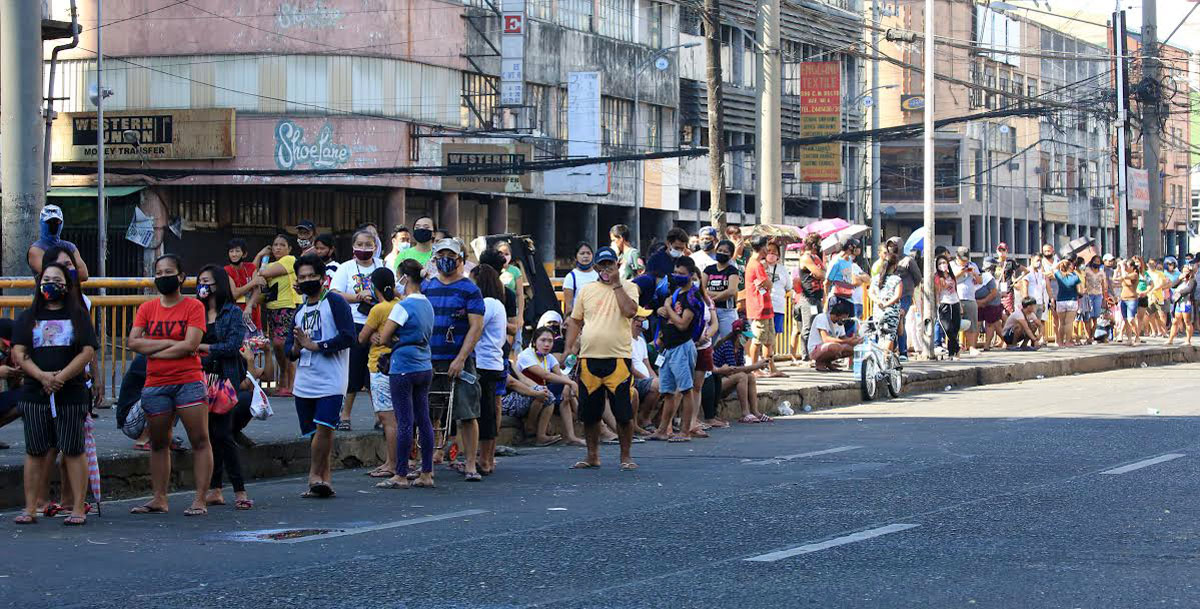
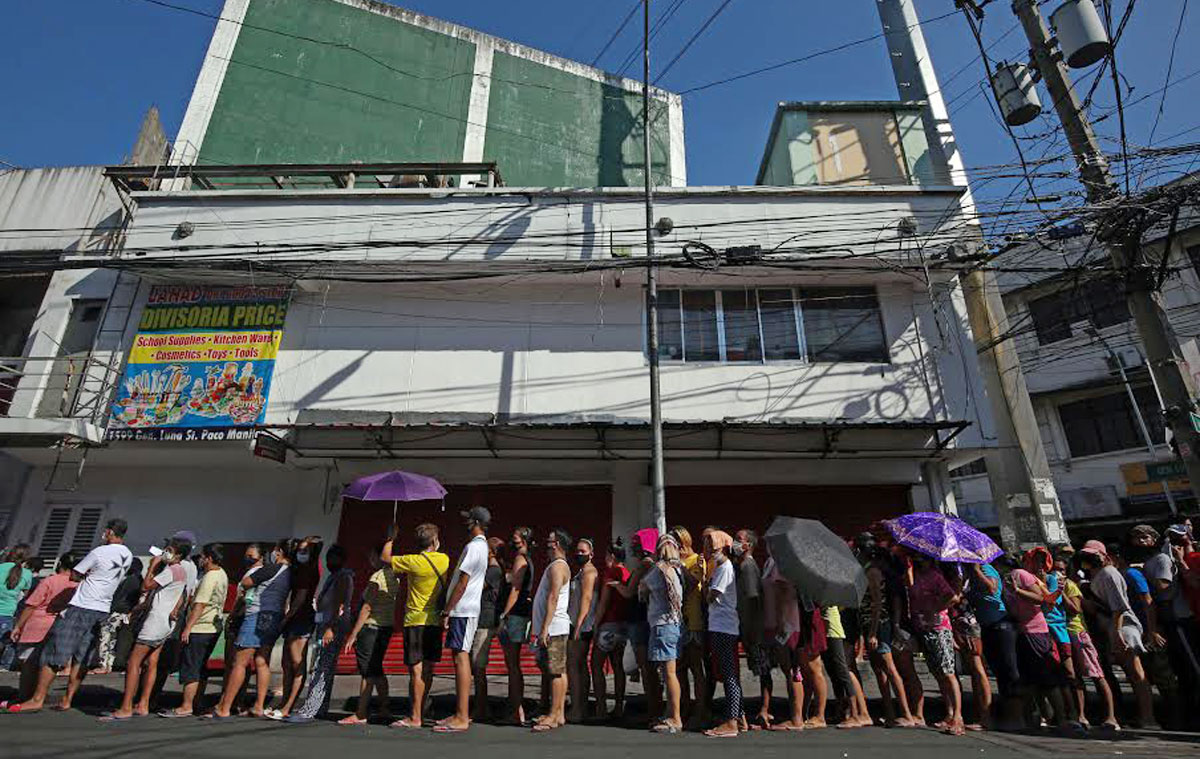
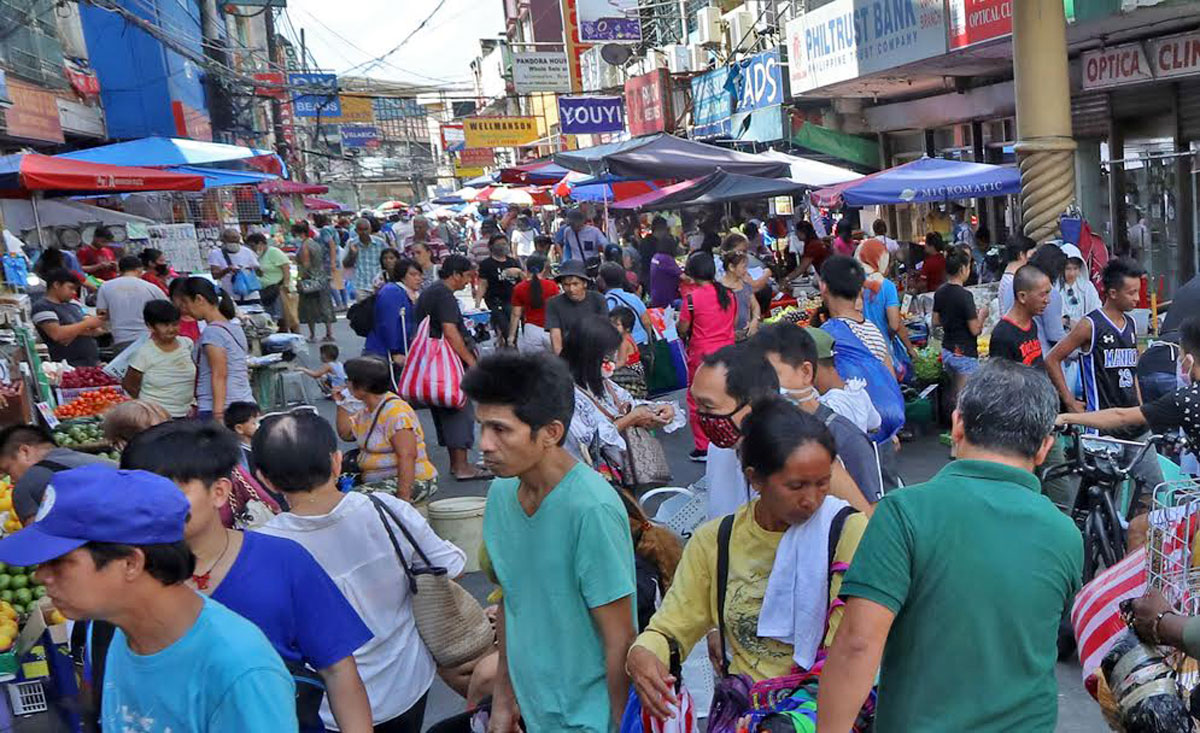
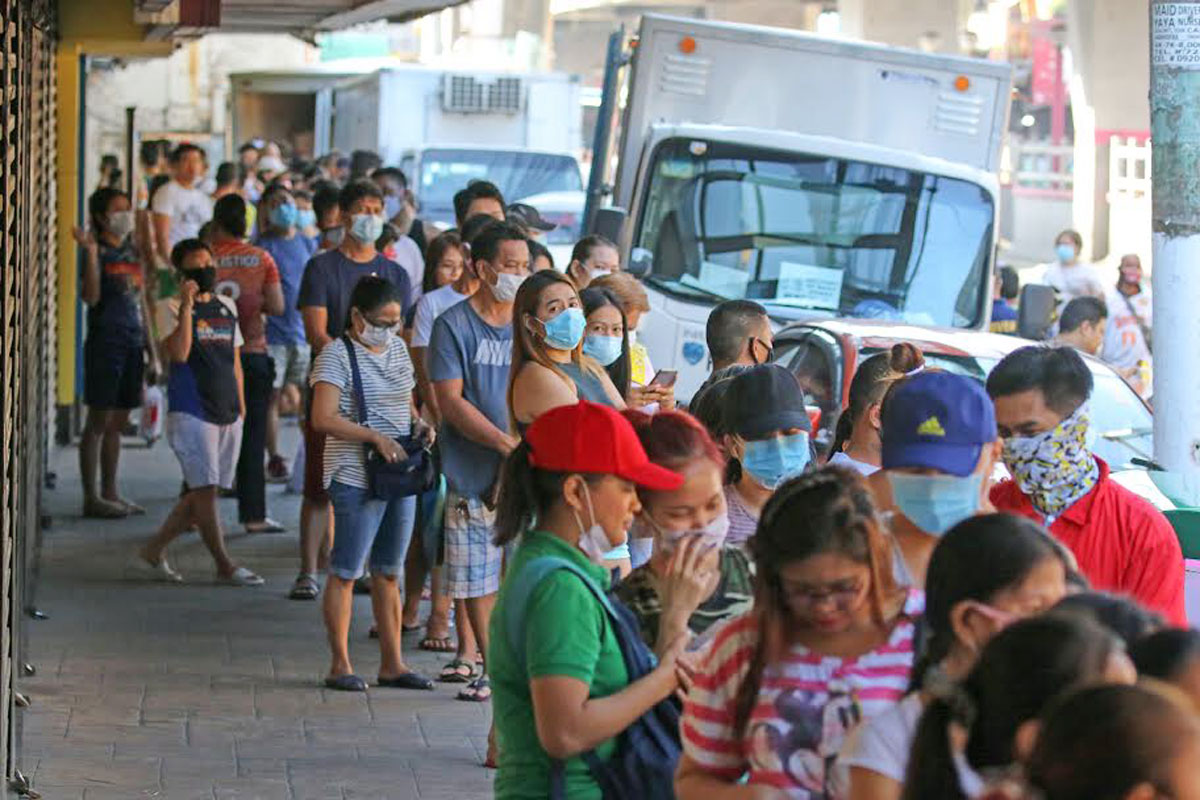
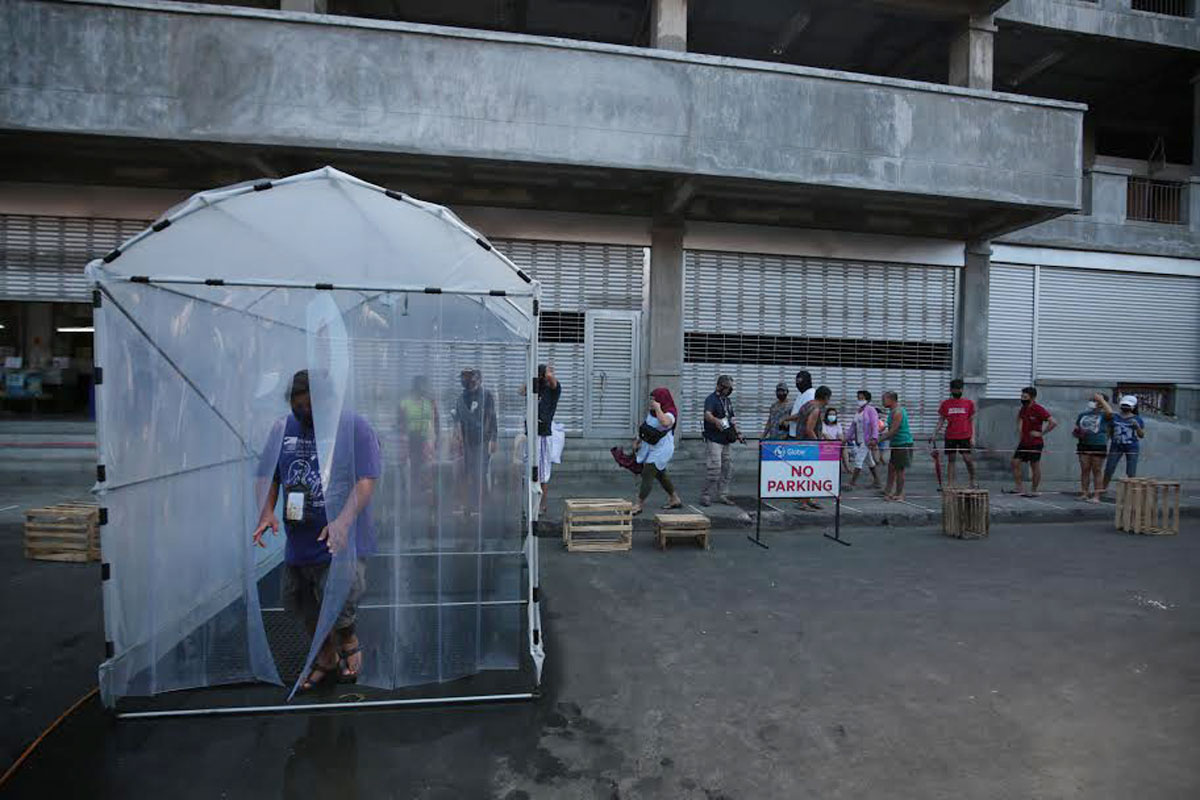
Long lines can be seen in front of grocery stores and supermarkets while some public markets remain congested as the enhanced community quarantine continues in Luzon to contain the spread of coronavirus disease 2019 (COVID-19).
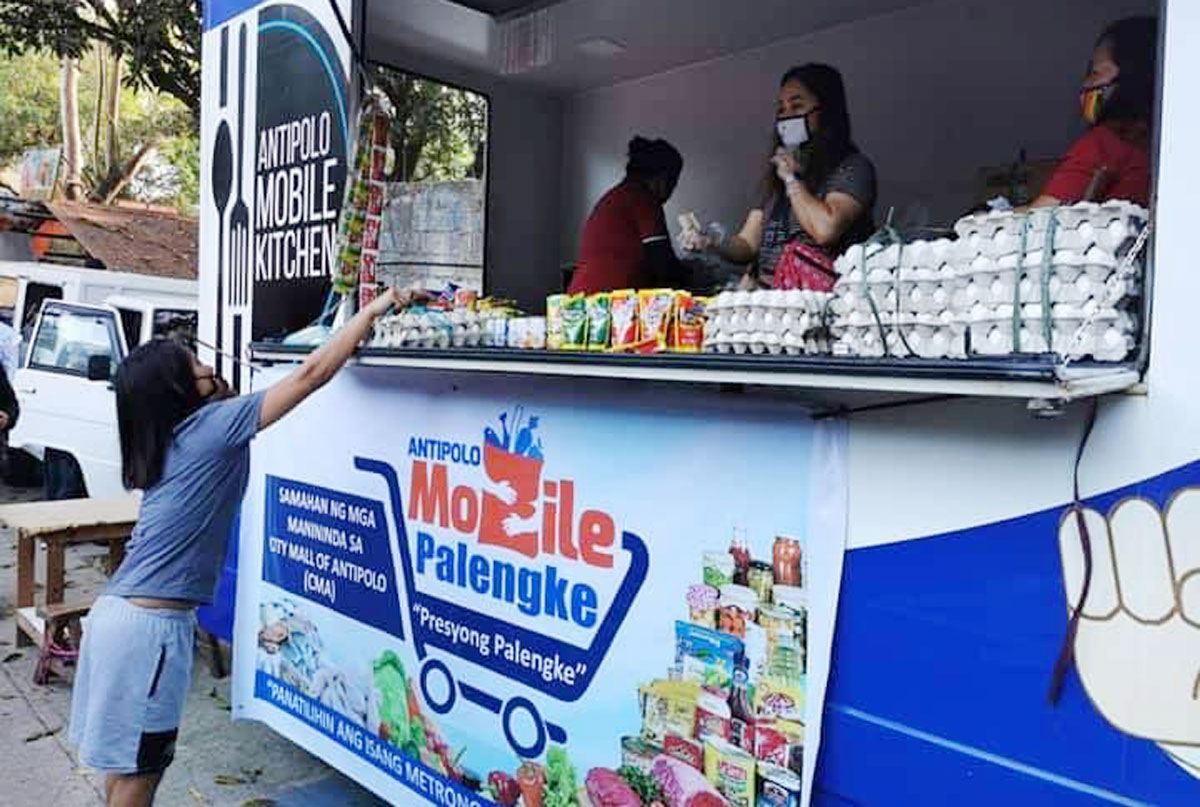
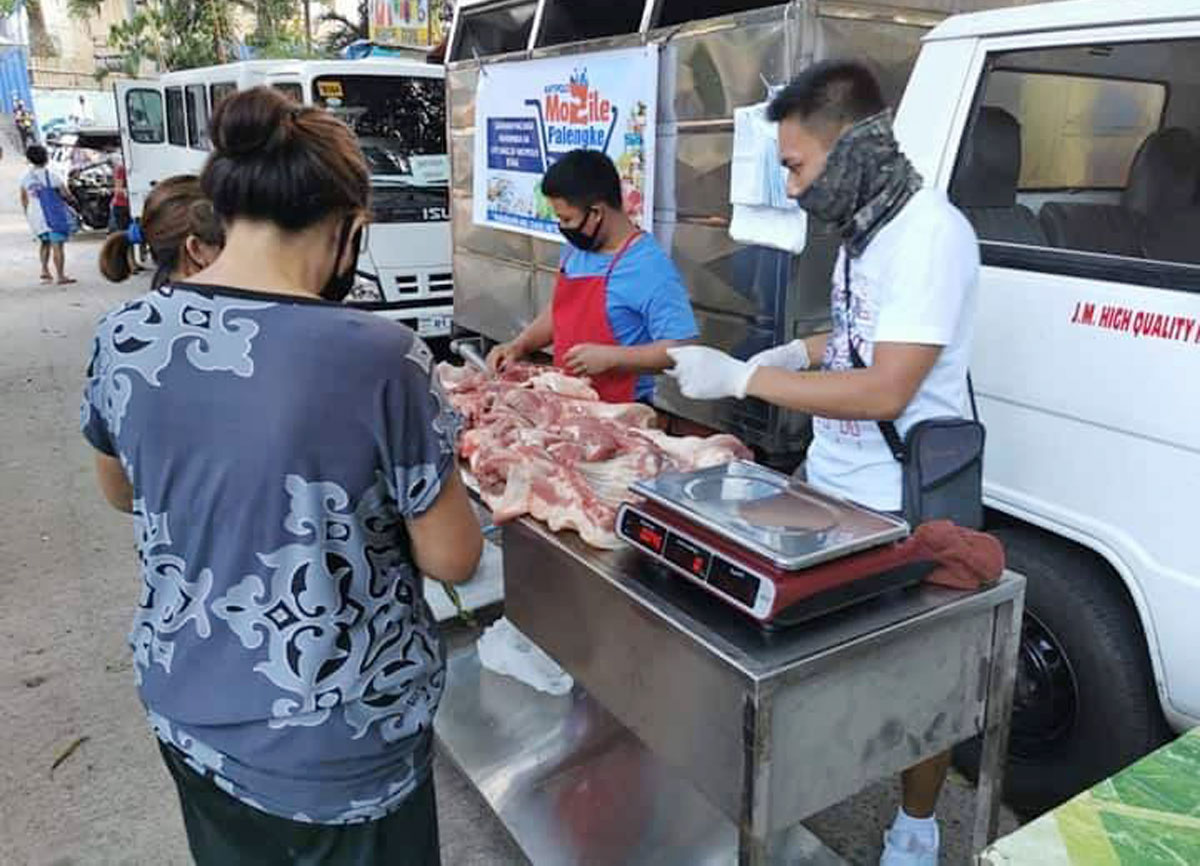
Mobile markets have been deployed to decongest these establishments. There is a proposal to deploy mobile clinics and pharmacies to make people stay at home. There have also been calls to extend window hours for people to buy food and other necessities so they would not be going out at the same time for their supplies.
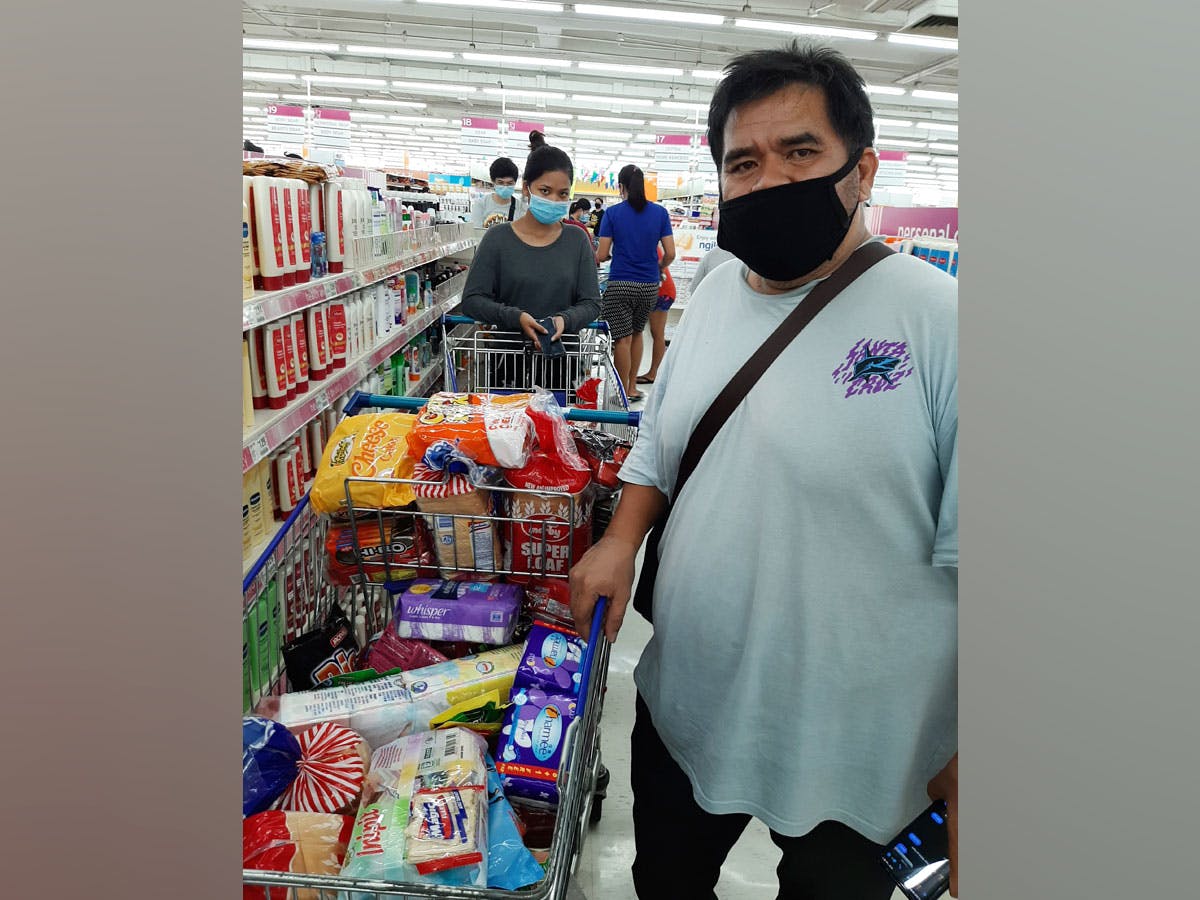
With people’s mobility restricted, Victor Sandro Espina, 49, saw an opportunity to earn extra income through a “pabili service,” wherein he does grocery shopping and other errands for others for a fee.
Espina says he does not impose any amount for the services he renders, but his customers are very generous to him.
“(This is) for additional income. My first customer gave me P1,300 for their groceries worth P8,000,” Espina told The Philippine STAR in Filipino.
He said they initially agreed on a P1,000 service fee, but his satisfied customer gave him another P300 as tip.
Espina said he did not know his first customer personally and was merely referred to him by a former neighbor. He said his neighbor also created a chat group for him with the name “pabili service.”
His customers, he said, would rather pay him than wait in line for hours in grocery stores or supermarkets.
For the past three days, Espina said he had been spending eight to nine hours daily to complete his pabili service.
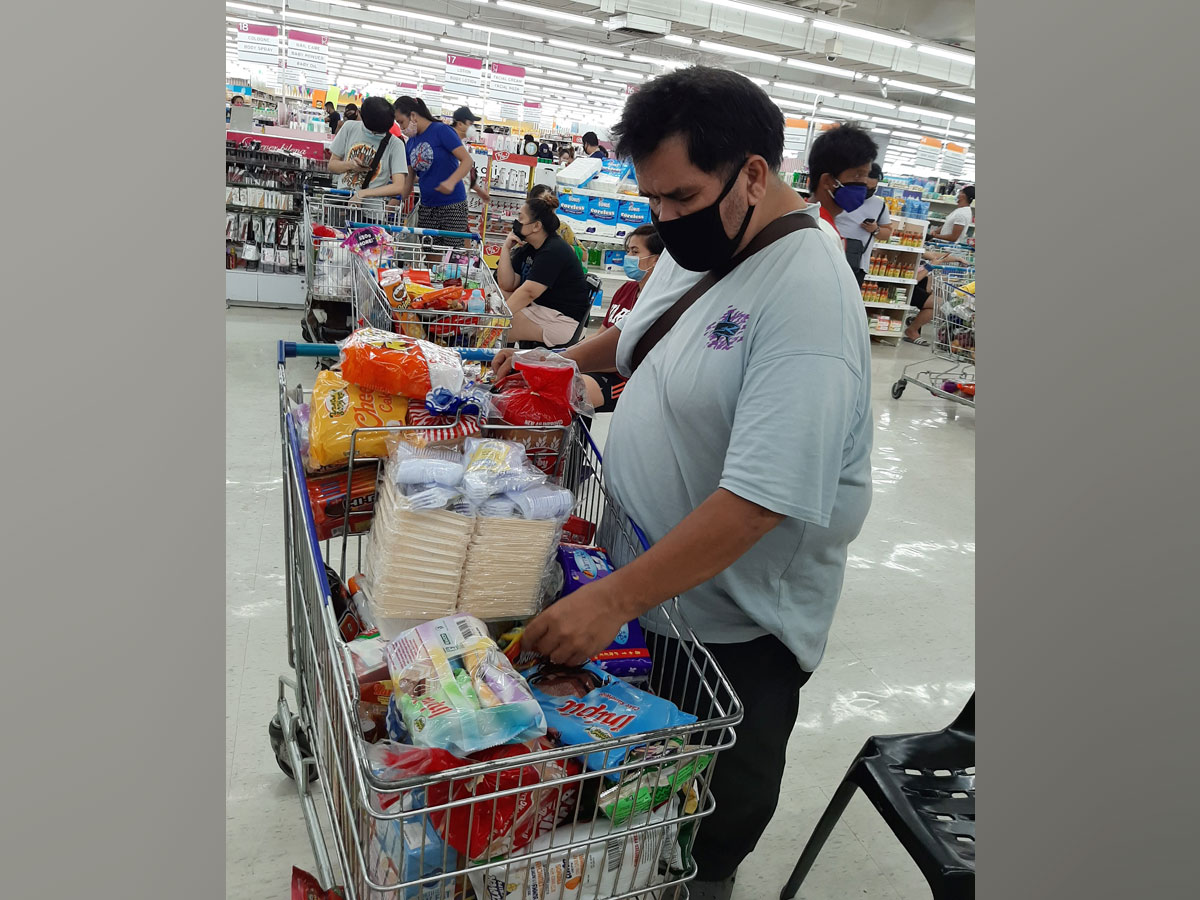
“I usually arrive at 9 a.m. here at SM Centerpoint,” he said, referring to the shopping mall in Sta. Mesa, Manila. “Although the supermarket opens at 9 a.m., there is already a long line. People have to wait for three house before they can get inside the supermarket.”
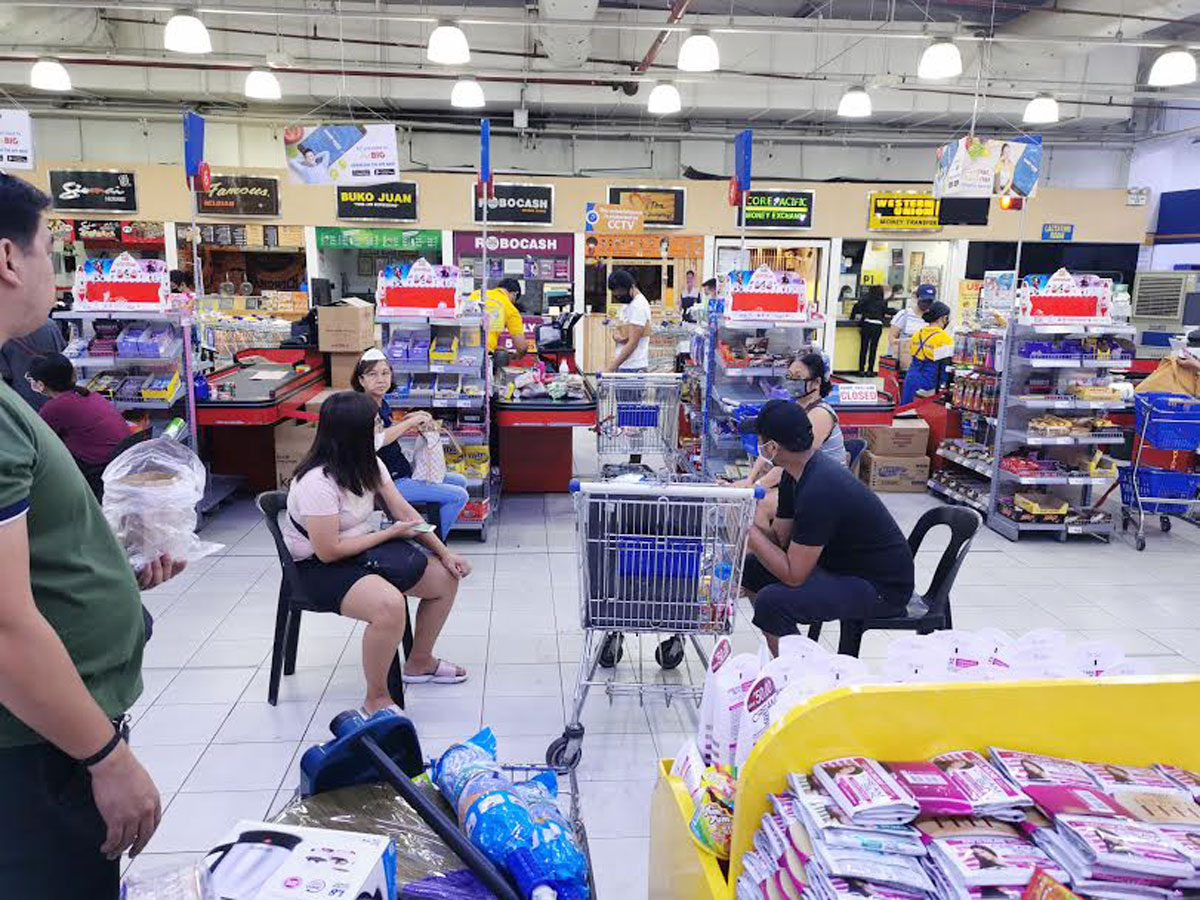
He spends from two to three hours to get all the items ordered by his customers and another two hours waiting in the line to pay at the cashier.
Espina said he had served at least four customers since he started his new sideline following the enhanced community quarantine.
He said one of his customers asked him to buy groceries worth P10,000 while the other asked him to deposit P75,000 in a bank.
Working as a driver in a local government office, Espina laments that he and his family can hardly make both ends meet, thus the need to find other sources of income.
Before the COVID 19 crisis, Espina said he also tried motorcycle service or habal-habal on weekends and holidays, but the government temporarily stopped this.
“At least hindi ako naghihintay lang ng tulong. Nakakatulong ako sa mga nagpapabili, natutulungan din nila ako (I don’t just wait for assistance. While I help others in need, they also get to help me),” Espina noted.
Mobile palengke
Some local government units have decided to deploy mobile markets so that people can practice physical distancing, one of the measures imposed since March 15 to prevent the spread of COVID-19.
One of the first to launch the mobile palengke was Pasig City. Trucks that contain various goods go around different barangays to provide supplies.
On Saturday, March 28, Valenzuela Mayor Rex Gatchalian announced that the city had adopted the program. He thanked Pasig Mayor Vico Sotto for coming up with the concept.
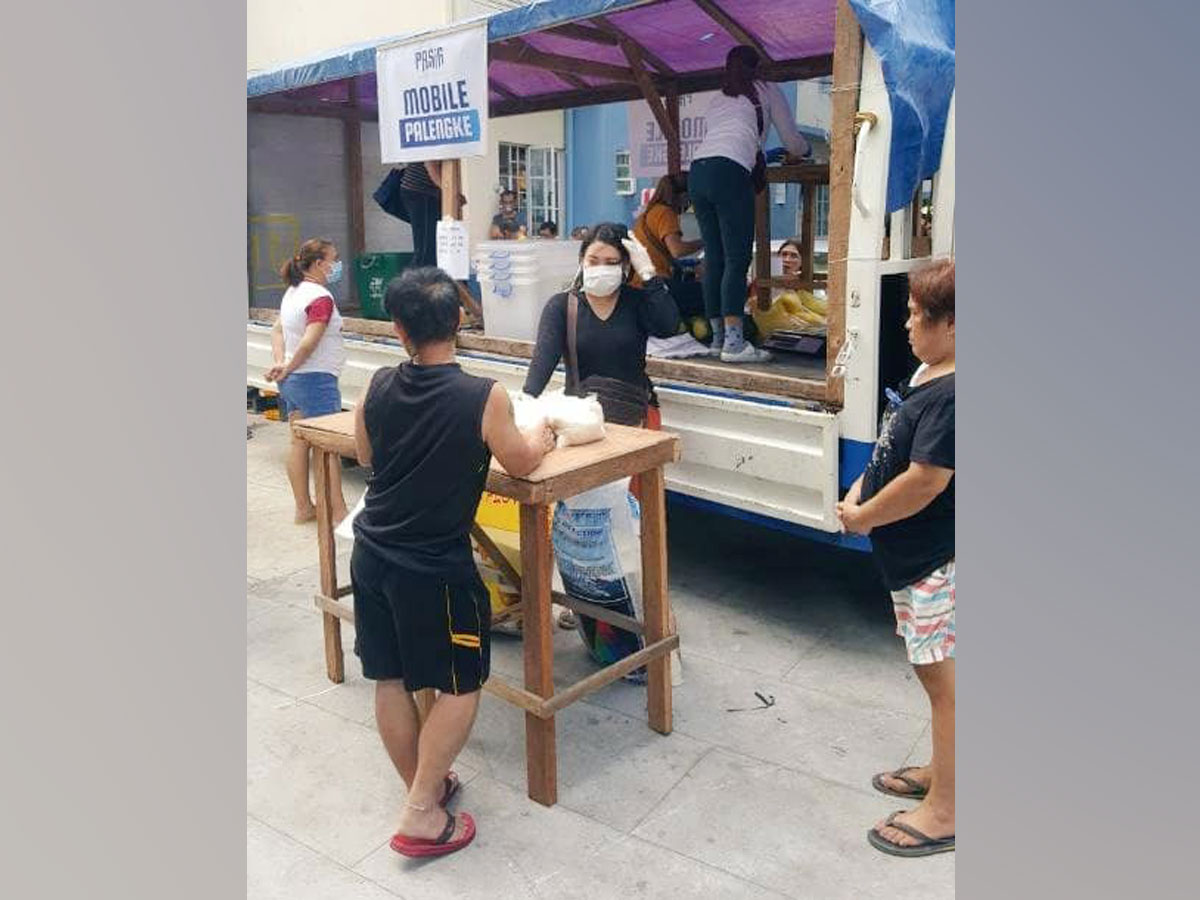
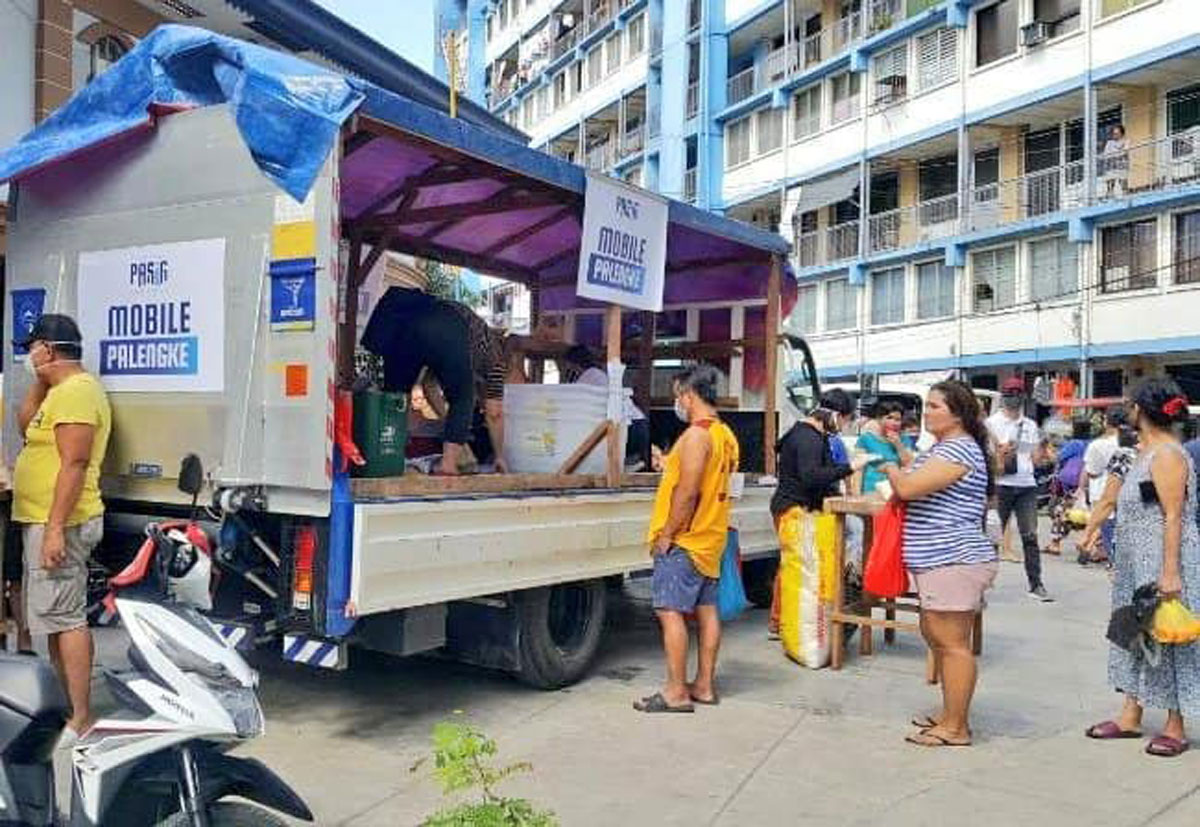
In reply, Sotto told Gatchalian that Pasig also copies “a number of your best practices” including in the distribution of relief packages that also require physical distancing.
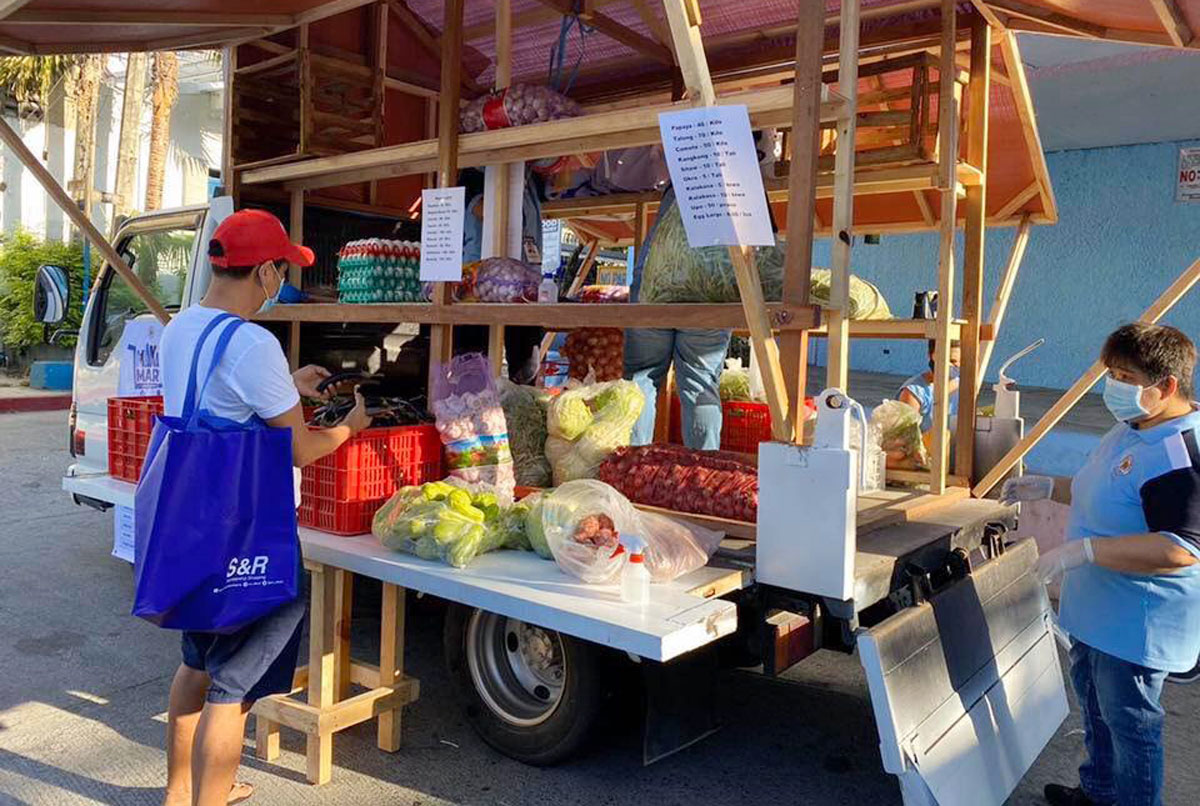
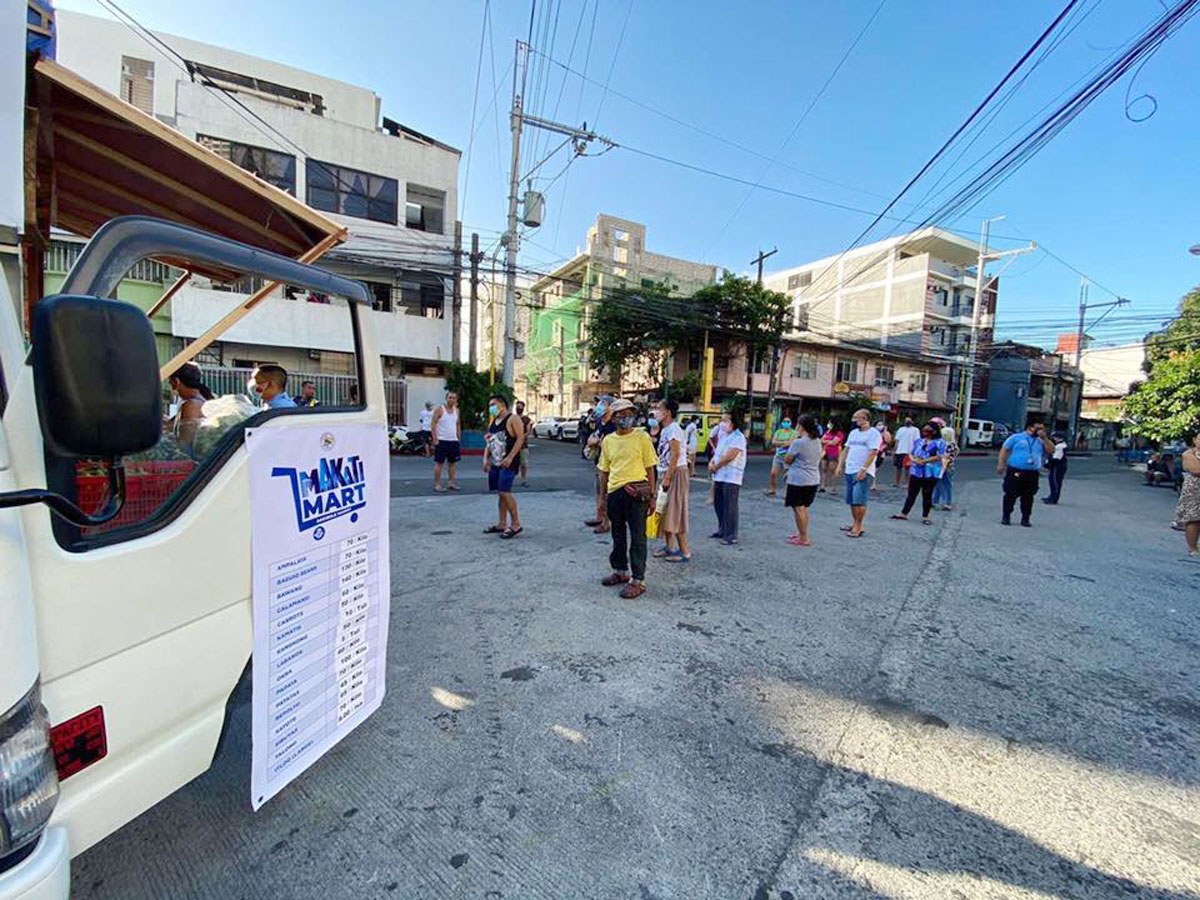
Makati City called its version “Makati Mart,” with mini-trucks converted into mobile stalls selling mostly fresh produce.
Clinic, pharmacy, bank on wheels
Albay Rep. Edcel Lagman also suggested the deployment of mobile clinics and pharmacies to provide medical assistance to marginalized families.
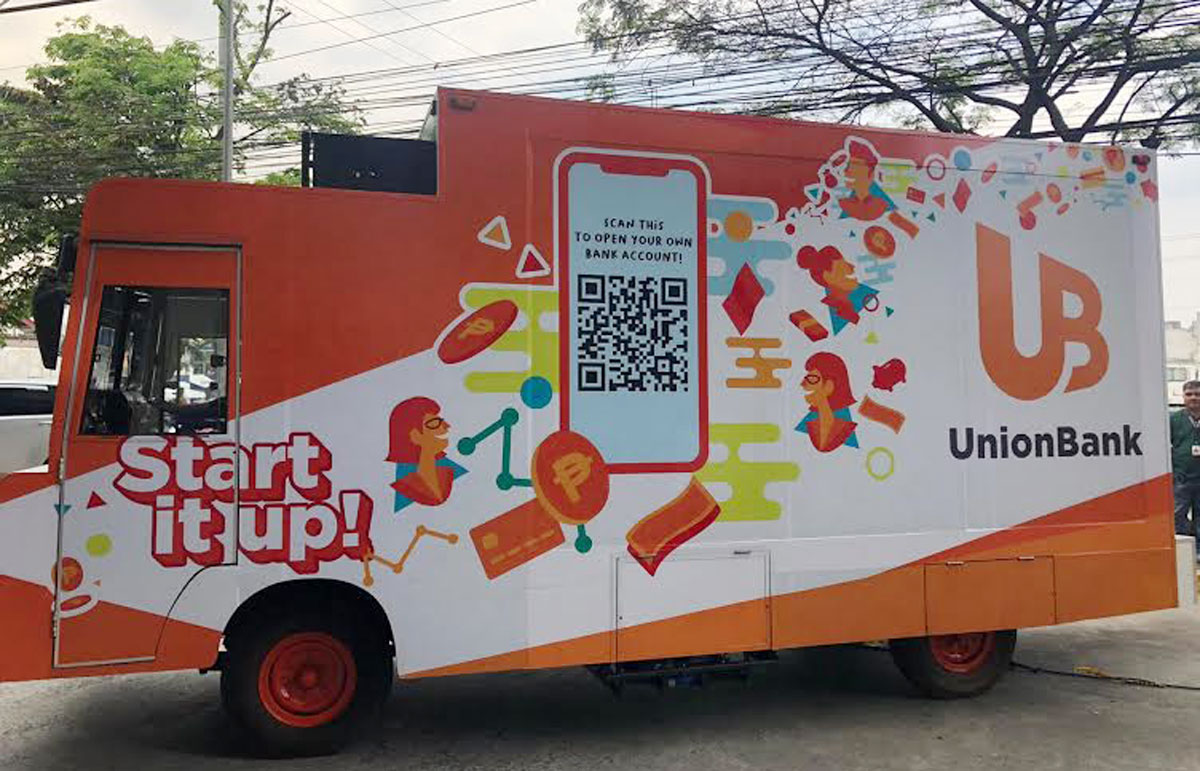
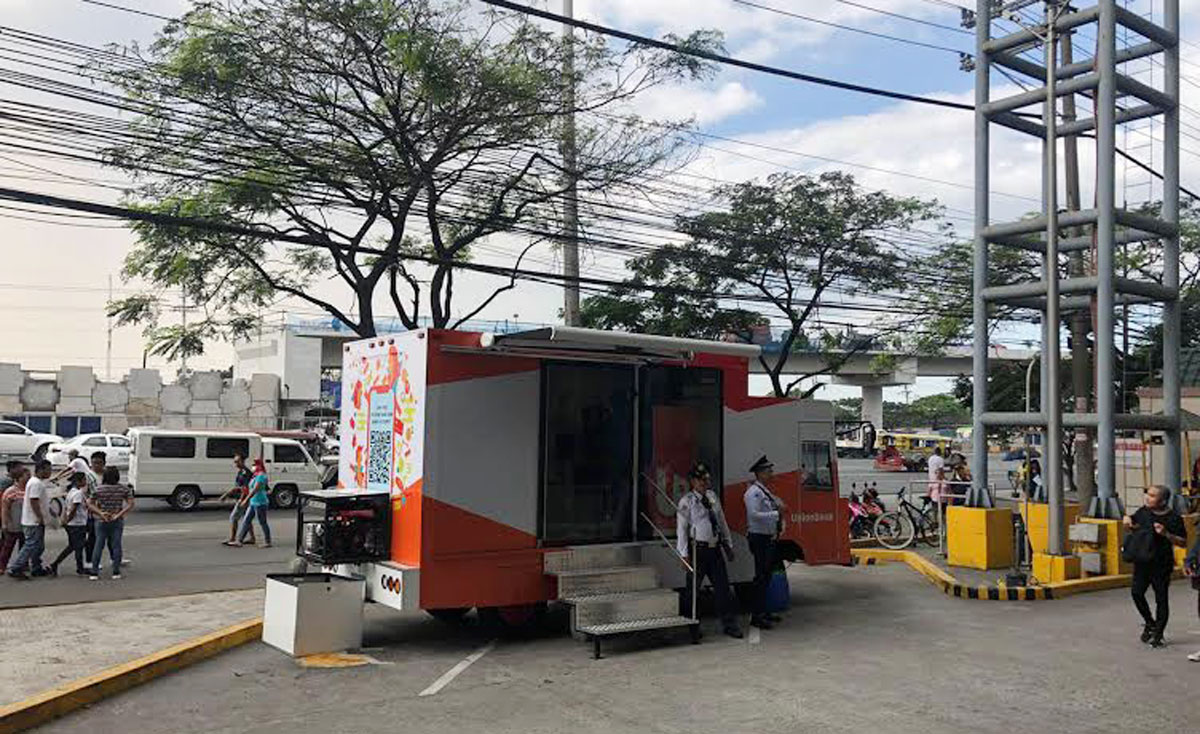
In a statement, Union Bank of the Philippines (UnionBank) said it rolled out early this month the country’s first-ever 5G mobile banking kiosk to different areas in the country to help make banking services more accessible to customers amid the enhanced community quarantine.
UnionBank’s “Bank on Wheels” is the Philippines’ first 5G-powered airconditioned banking kiosk in a mobile van that enables customers to conveniently and comfortably avail of banking services like balance inquiries, withdrawals, bills payments, funds transfer, and even account opening, without leaving their communities.