



Taal Alert Level Lowered To 3; DSWD Worker Breastfeeds Baby Evacuee As Problems Remain
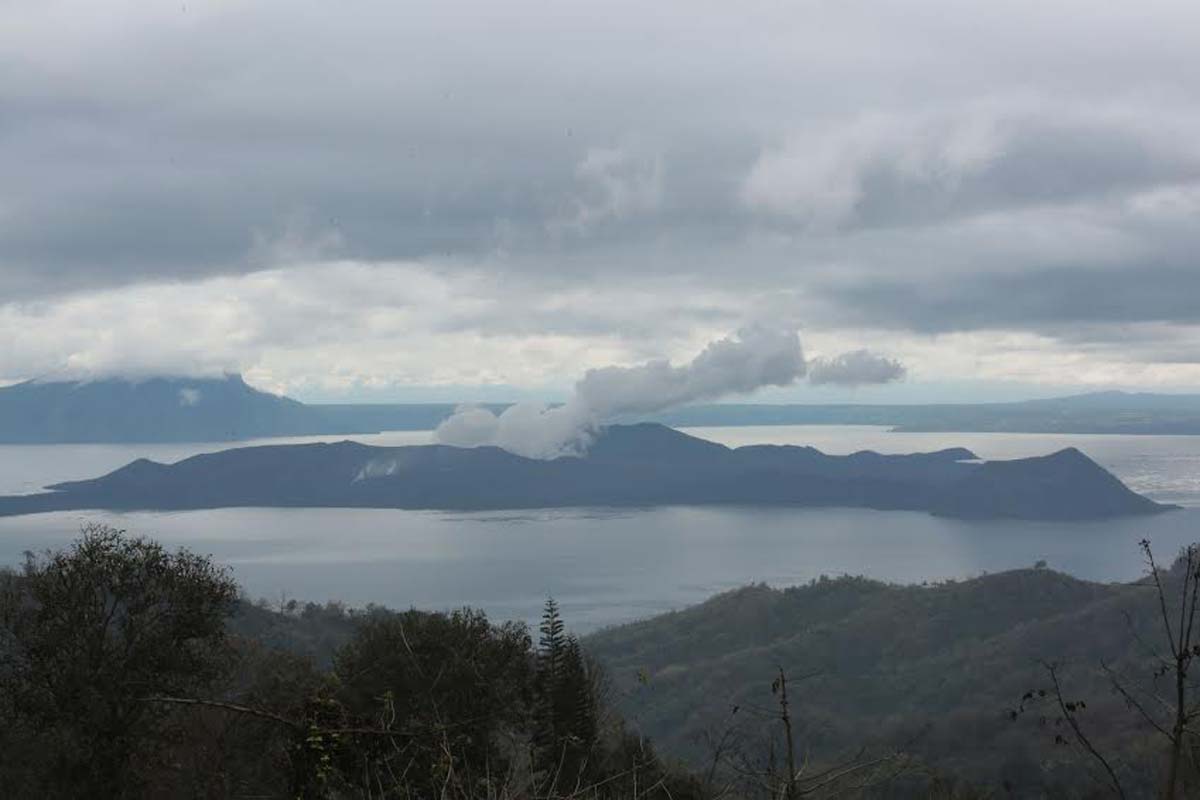
Taal is the second most active volcano in the country with a total of 34 recorded eruptions. While it is giving authorities and residents a respite for now, the danger it poses remains.
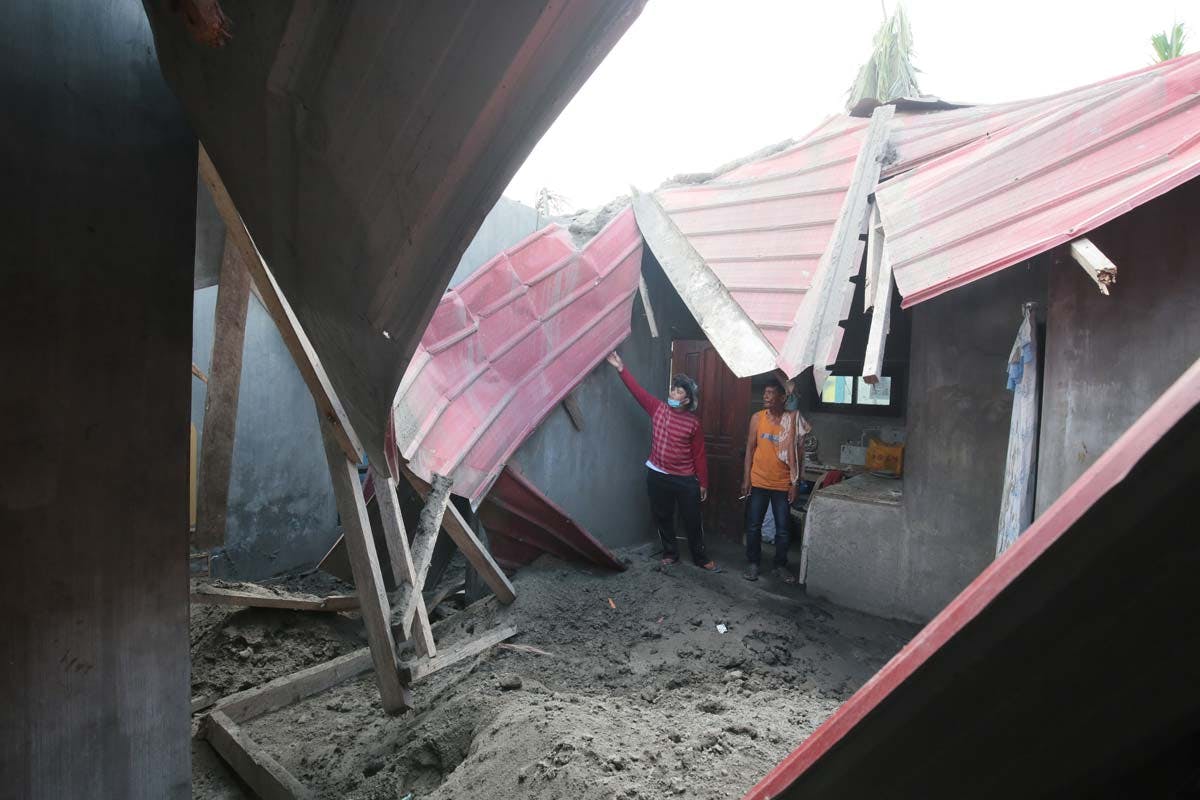
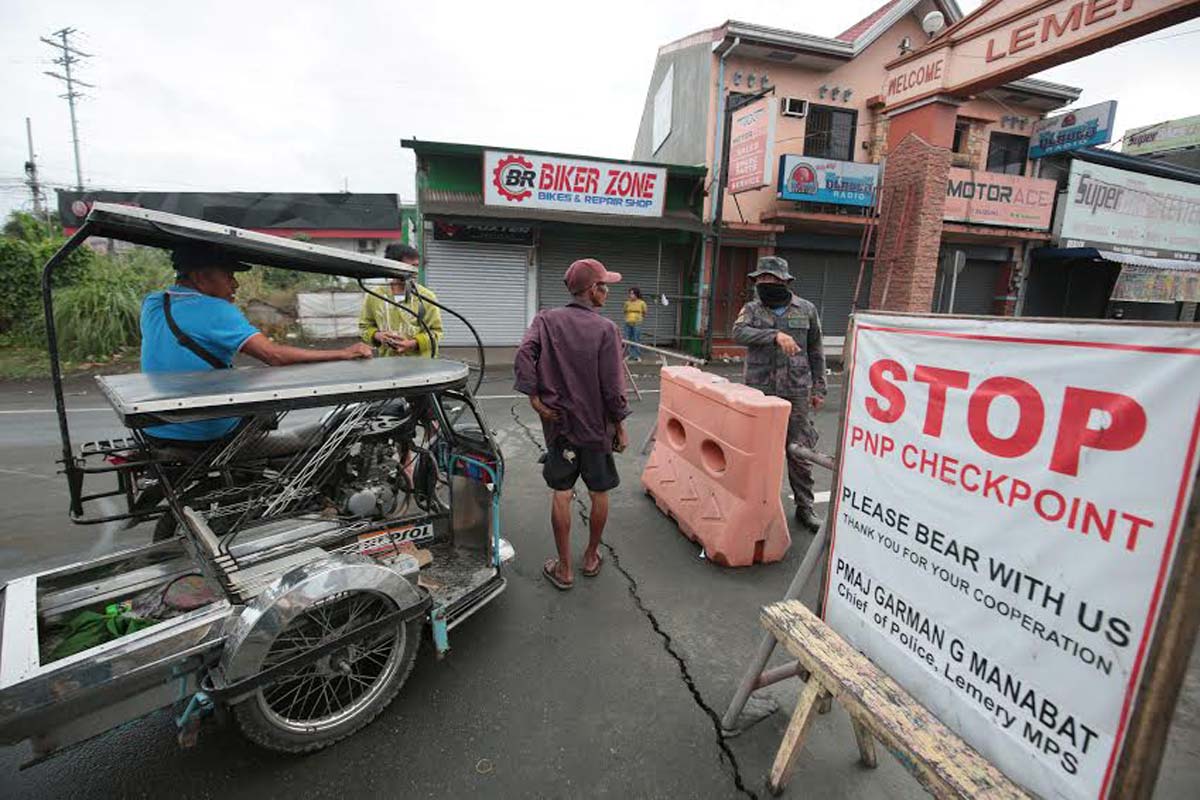
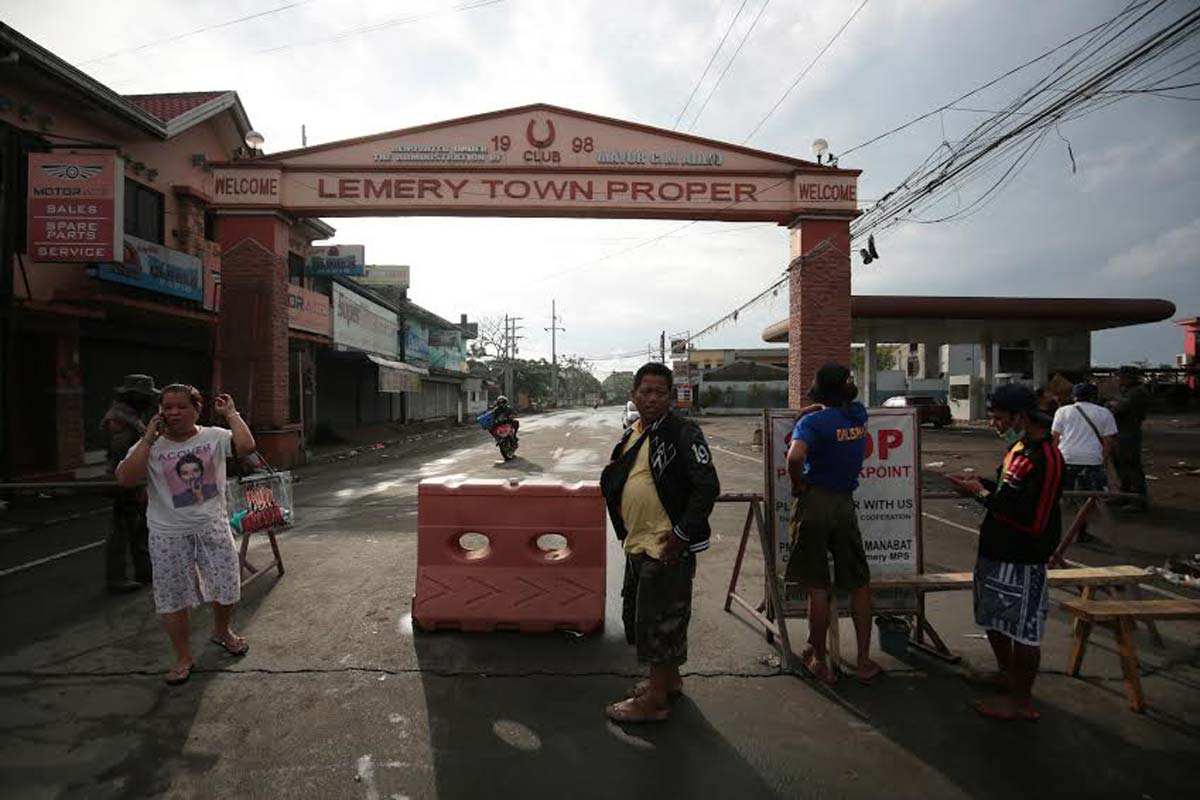
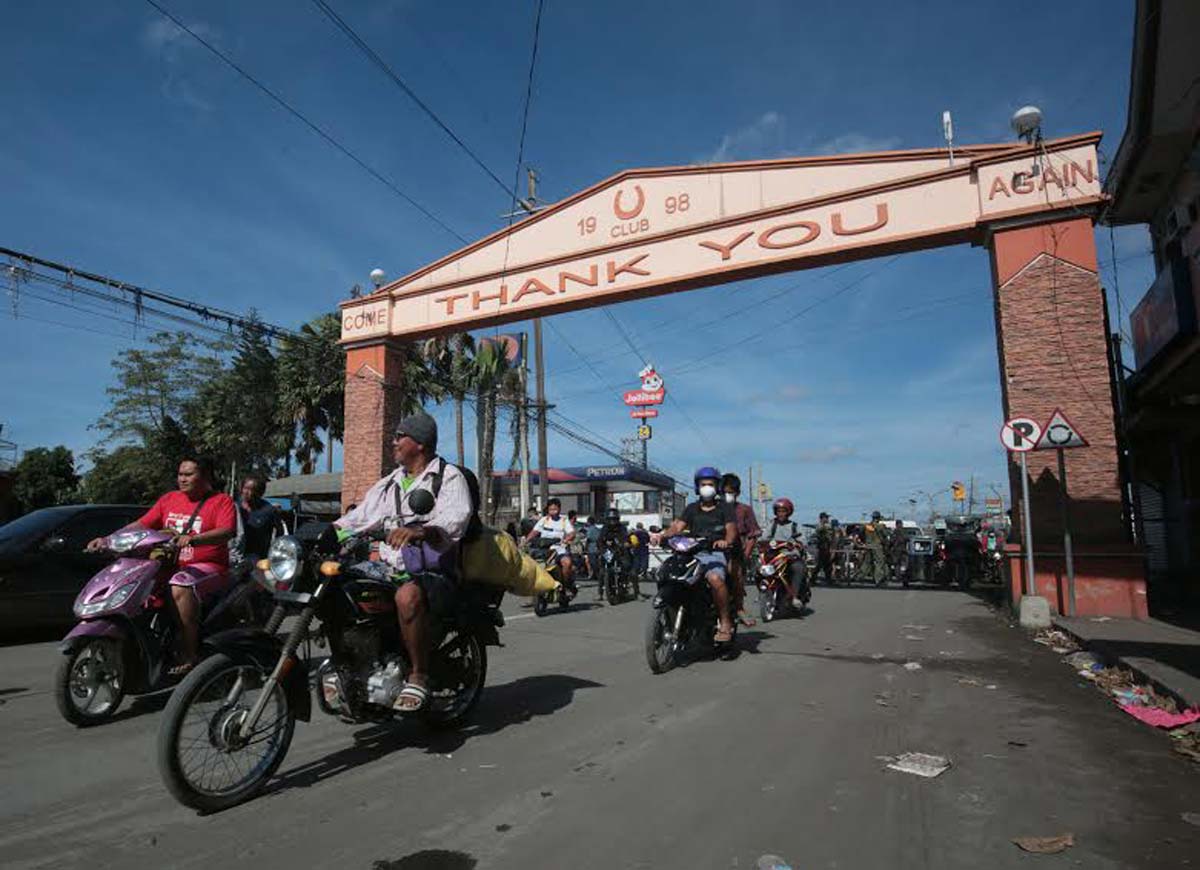
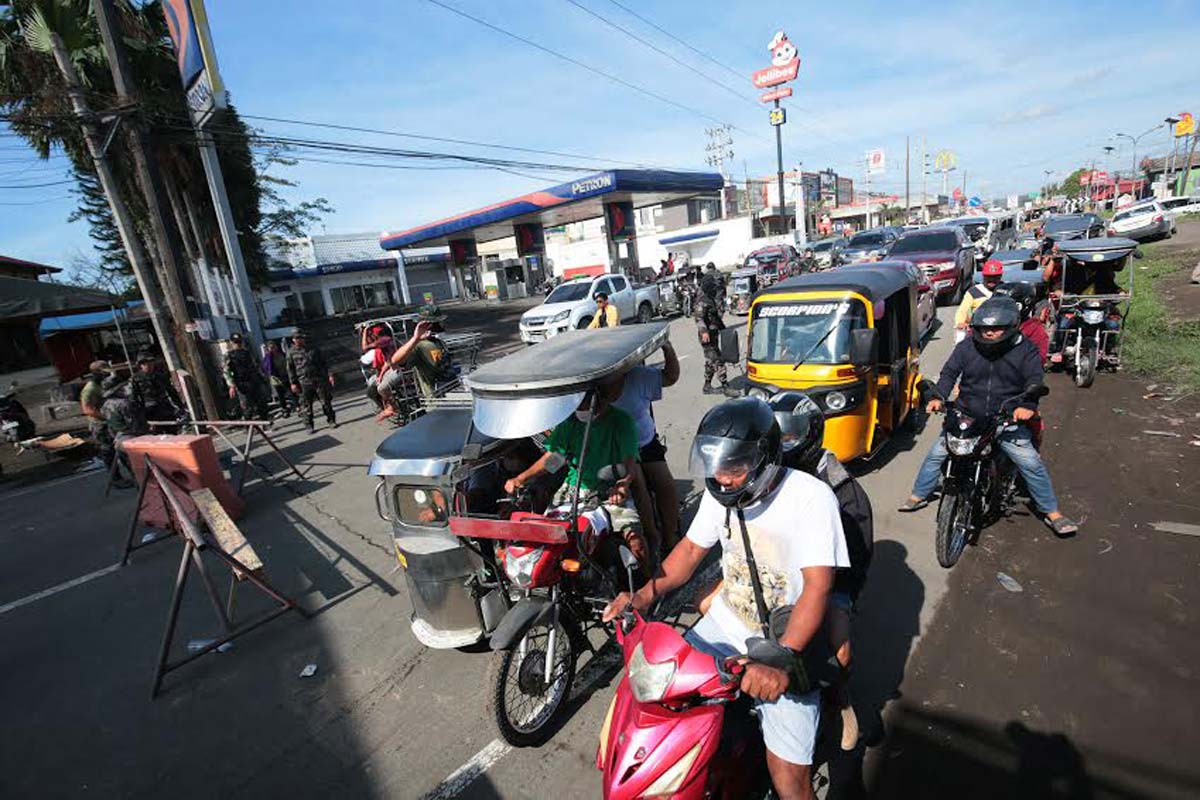
Some Batangas residents have been allowed to return to their homes as the Philippine Institute of Volcanology and Seismology (Phivolcs) yesterday lowered the alert level over Taal Volcano in Batangas from 4 to 3, which means the risk of a hazardous eruption has declined.
The development provided a respite for thousands of residents as the lockdown was lifted over many areas, although authorities stressed that the volcano’s “unrest has not ceased.” The 14-kilometer-radius danger zone was reduced to 7 km from the volcano island.
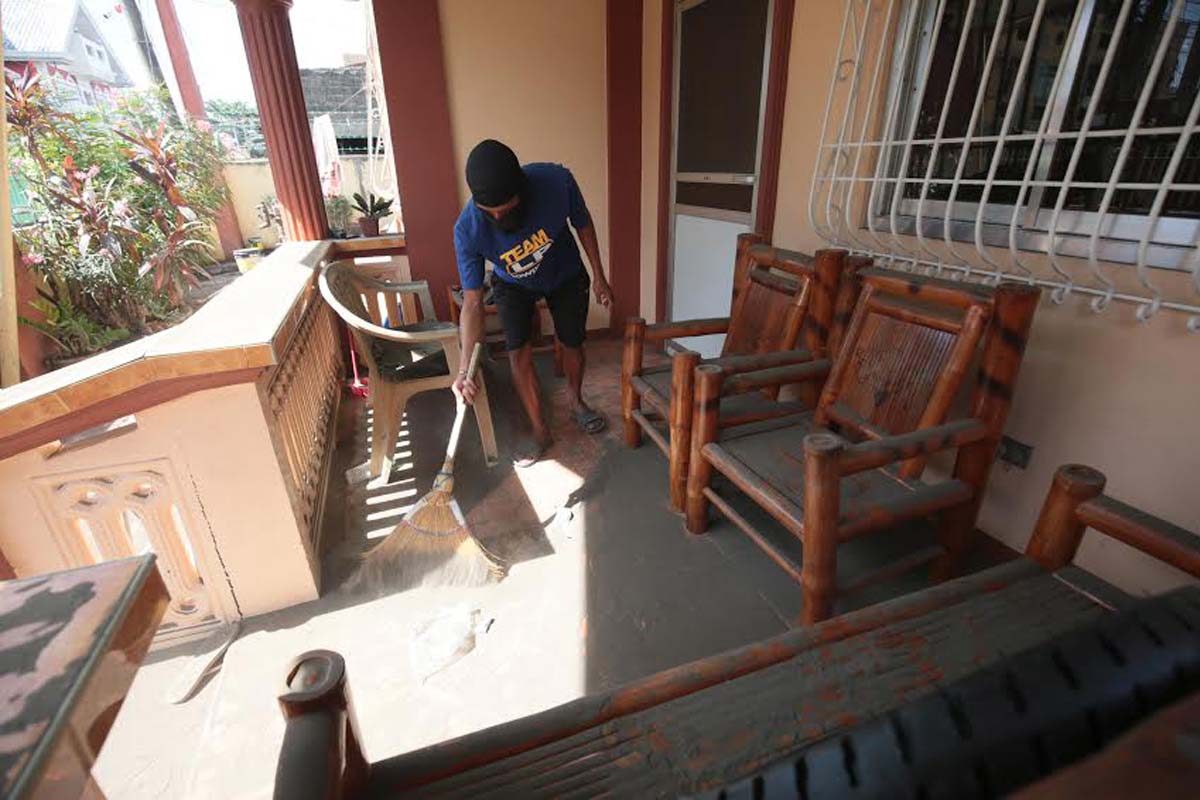
Batangas Gov. Hermilando Mandanas said except for residents of Agoncillo and Laurel towns, those from other areas locked down due to Alert Level 4 since Taal Volcano exploded on Jan. 12 could return home.
The 15 local government units (LGUs) in Batangas with a total of 199 barangays within the 14-km danger zone are Agoncillo, Laurel, Alitagtag, Balete, Cuenca, Laurel, Lemery, Lipa City, Malvar, Mataasnakahoy, San Nicolas, Sta. Teresita, Taal, Talisay and Tanauan City. The 16th is Tagaytay City in Cavite.
Malacañang, Phivolcs and Mandanas stressed that authorities and residents could not let their guard down.
“Taal Volcano may still erupt, and therefore all returning residents must be constantly alert and vigilantly ready to evacuate within one hour should the alert level be raised again,” Mandanas said.
Alert Level 4 means hazardous eruption is imminent while Alert Level 5 means that the volcano has erupted.
According to Mandanas, it is up to the LGUs to facilitate the return of their constituents to their houses, or they could provide window hours should they deem it risky to let residents stay home.
For its part, Phivolcs urged LGUS to assess areas outside the seven-kilometer radius for road damage and accessibility, and to strengthen preparedness, contingency and communication measures in case of renewed volcano unrest.
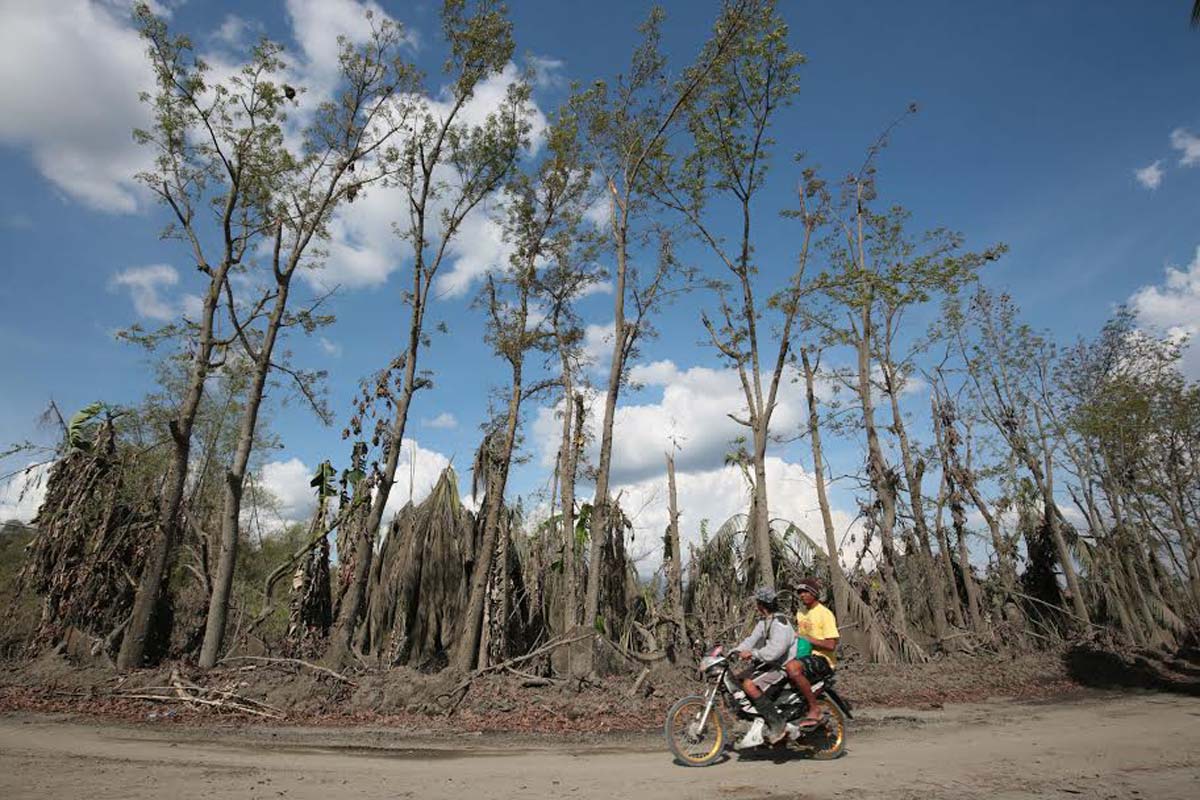
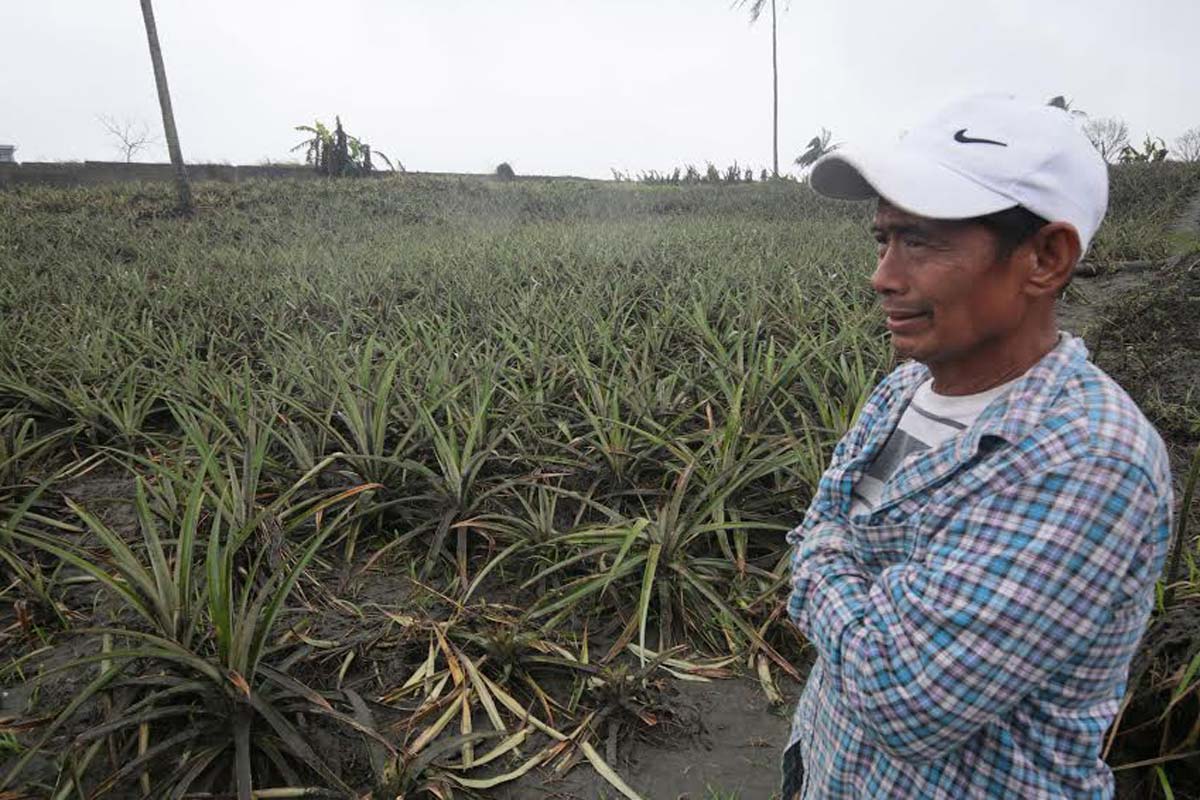
“People are also advised to observe precautions due to ground displacement across fissures, frequent ashfall and minor earthquakes. Communities beside active river channels particularly where ash from the main eruption phase has been thickly deposited should increase vigilance when there is heavy and prolonged rainfall since the ash can be washed away and form lahars along the channels,” Phivolcs said.
“Civil aviation authorities must advise pilots to avoid flying close to the volcano as airborne ash and ballistic fragments from sudden explosions and wind-remobilized ash may pose hazards to aircraft,” it added.
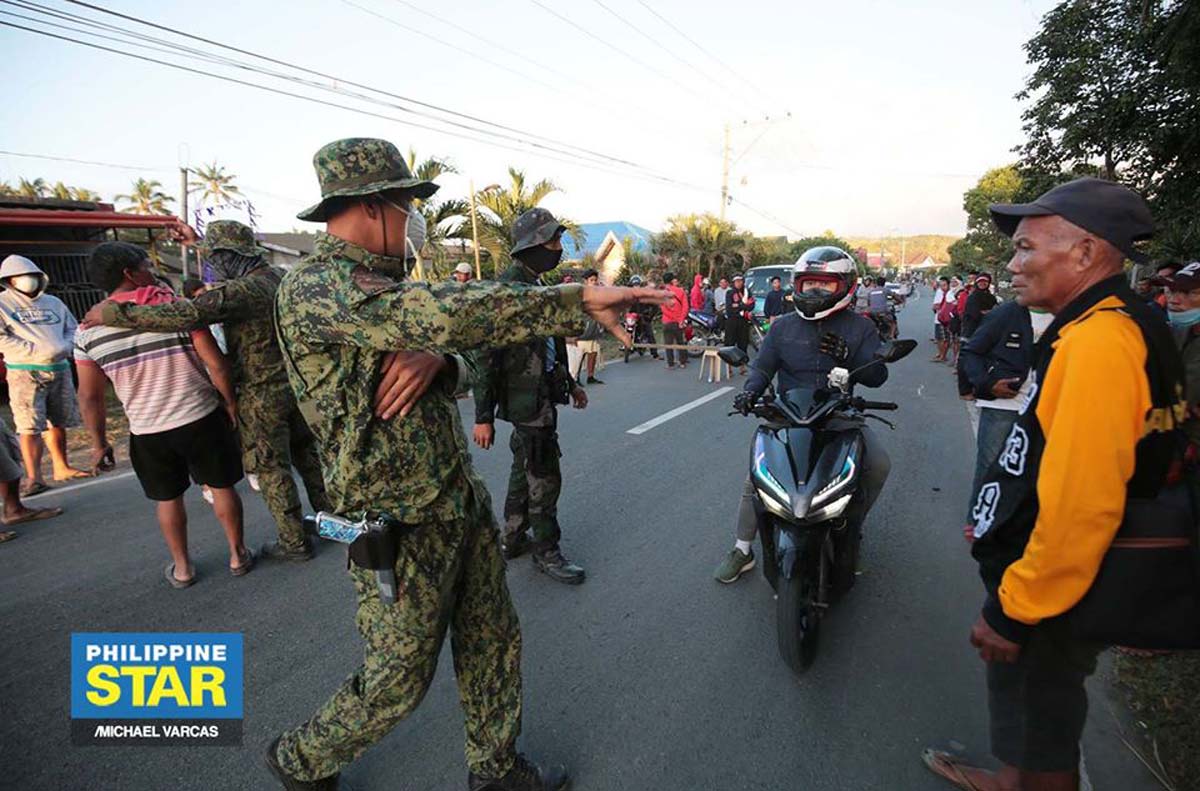
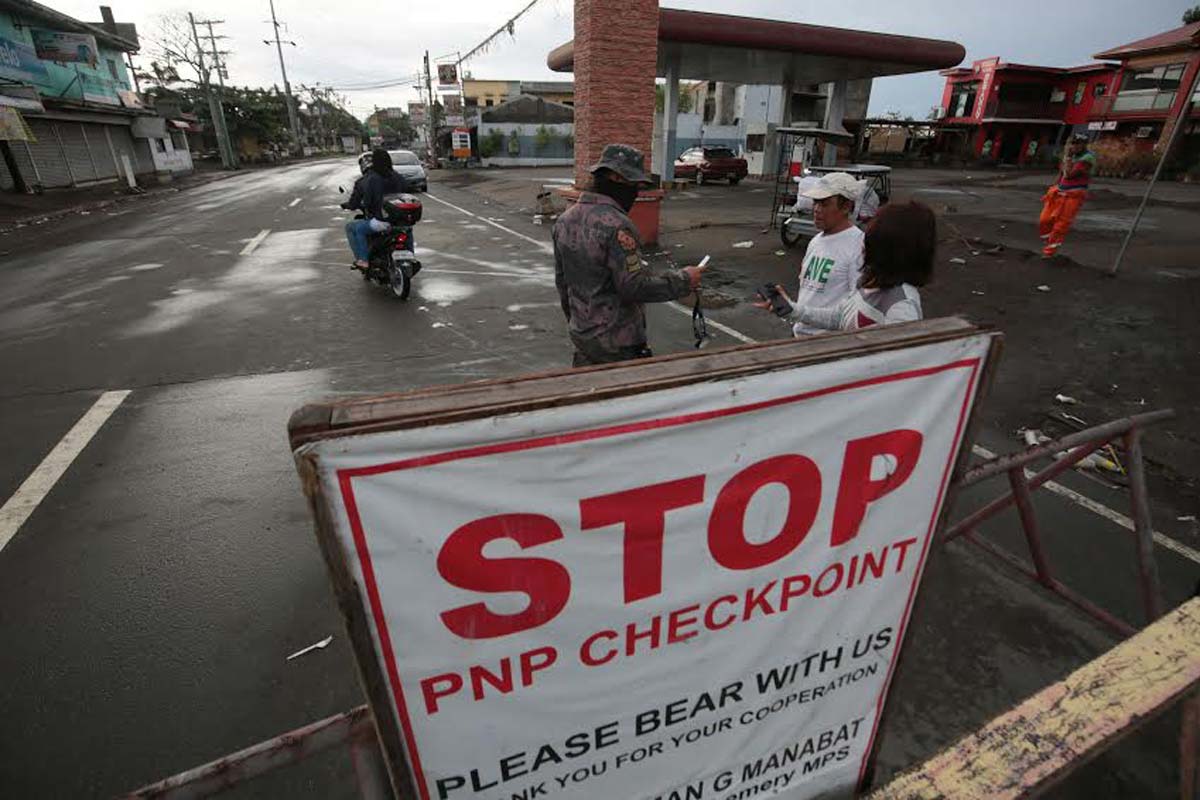
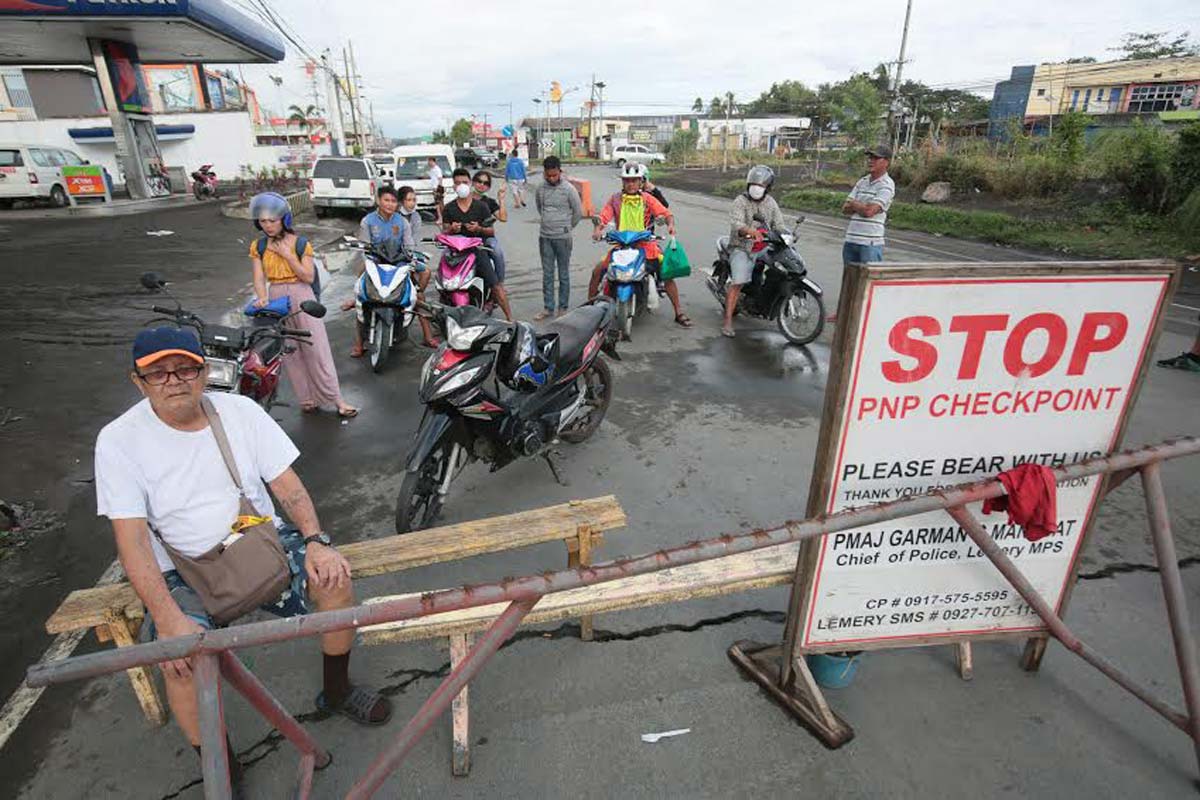
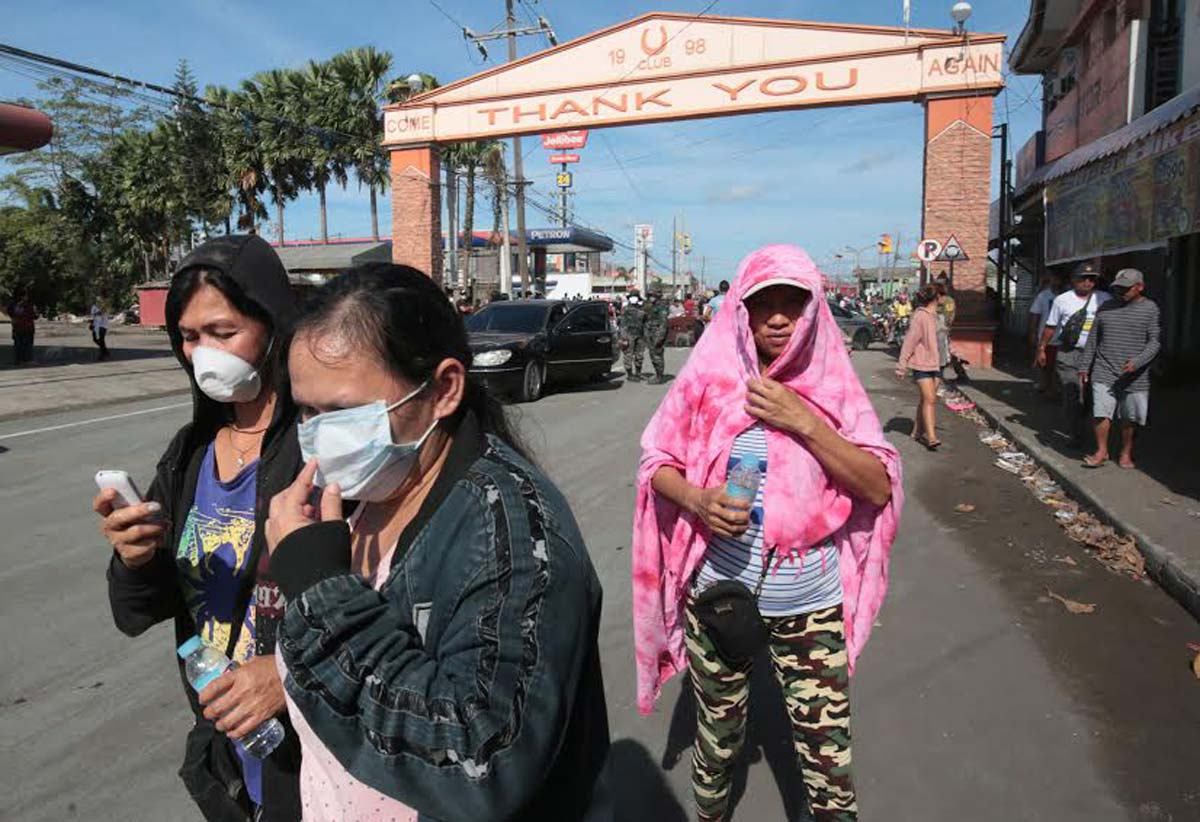
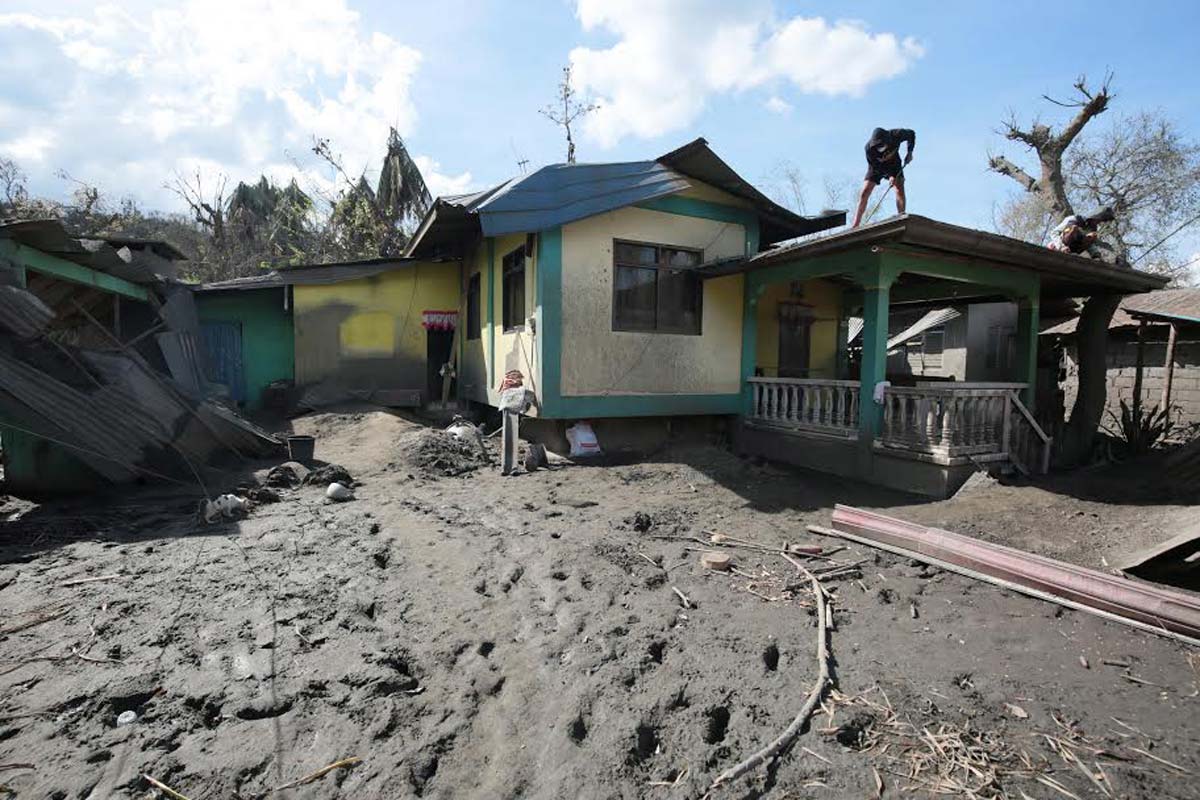
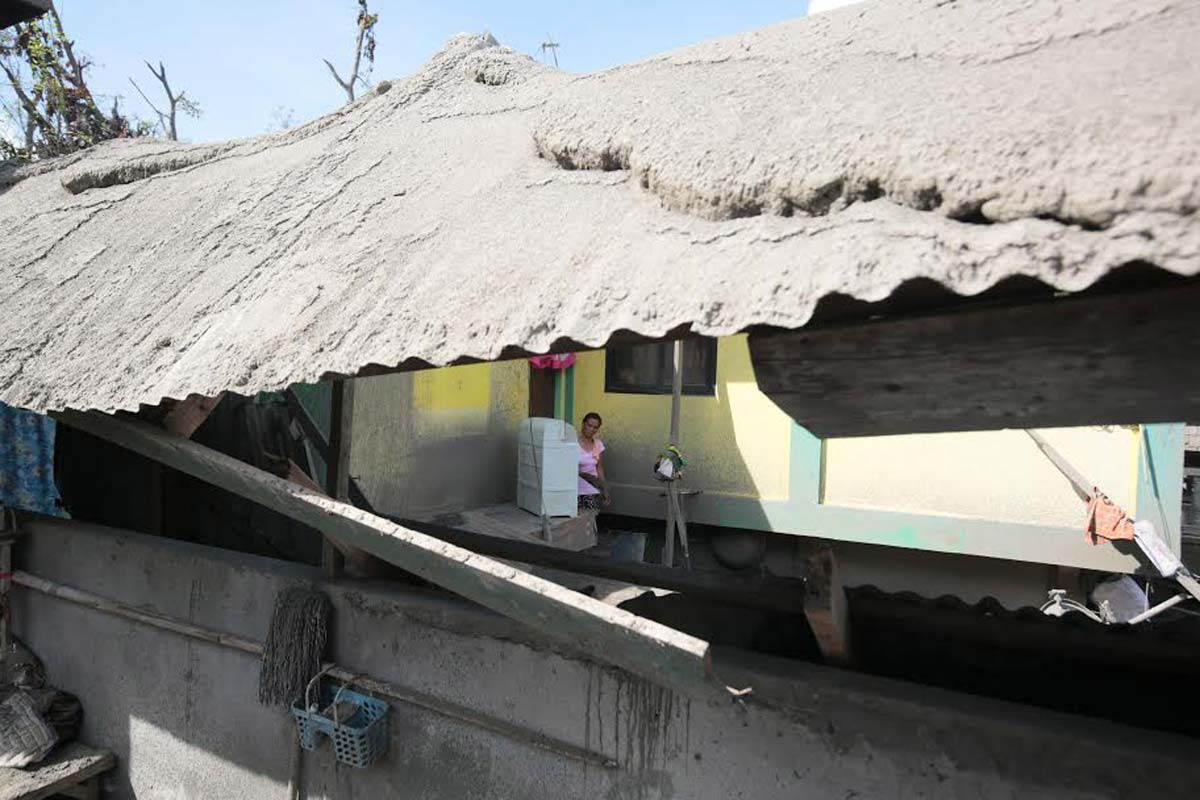
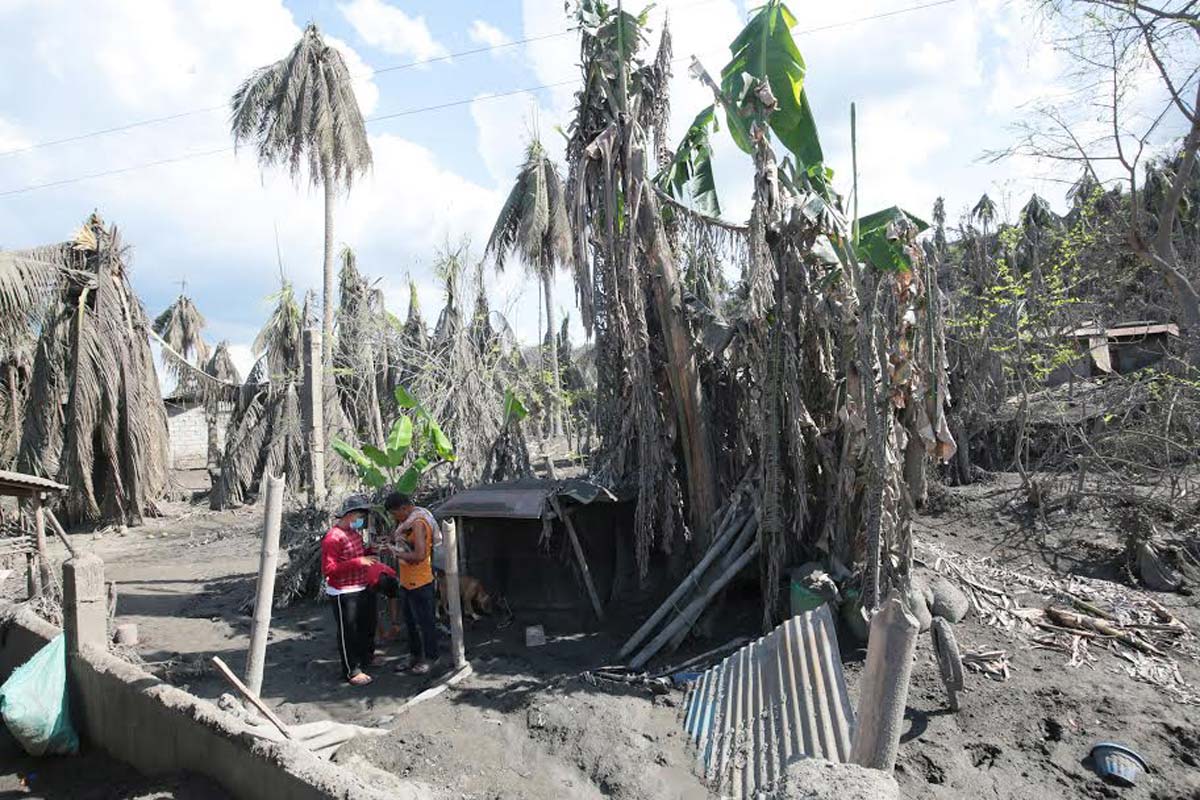
A million evacuees, 15 deaths; babies at risk
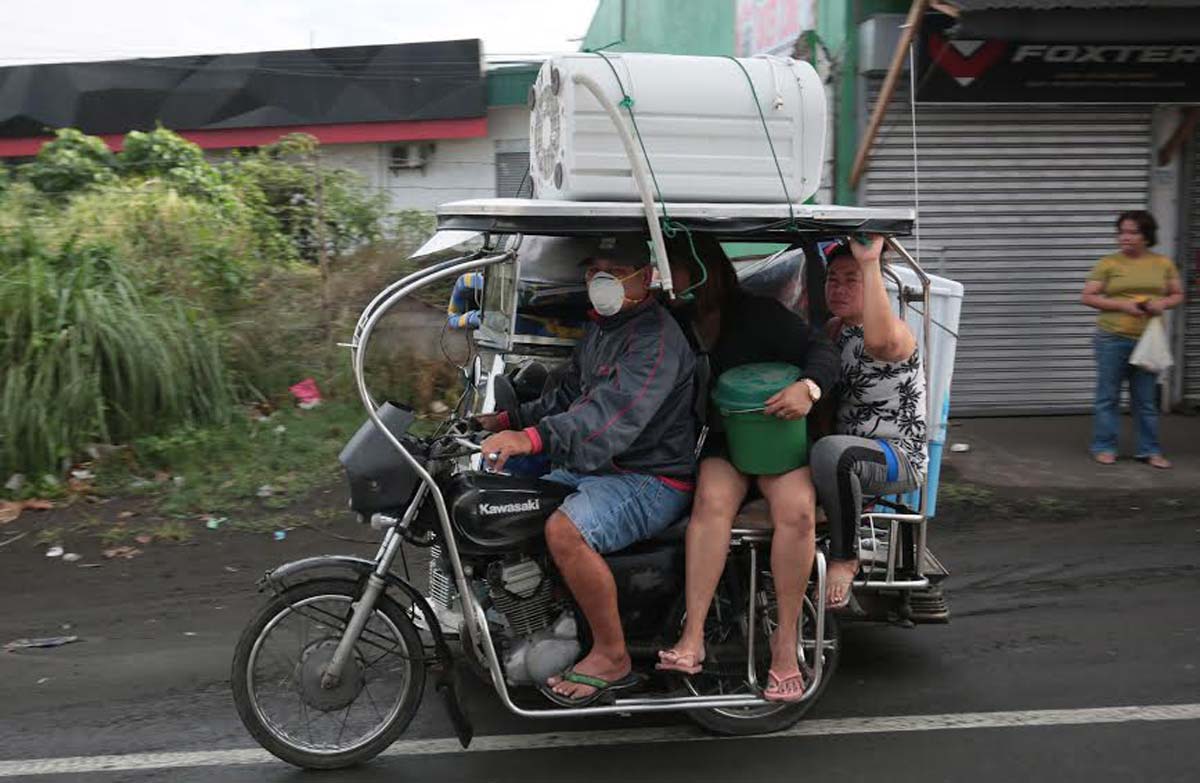
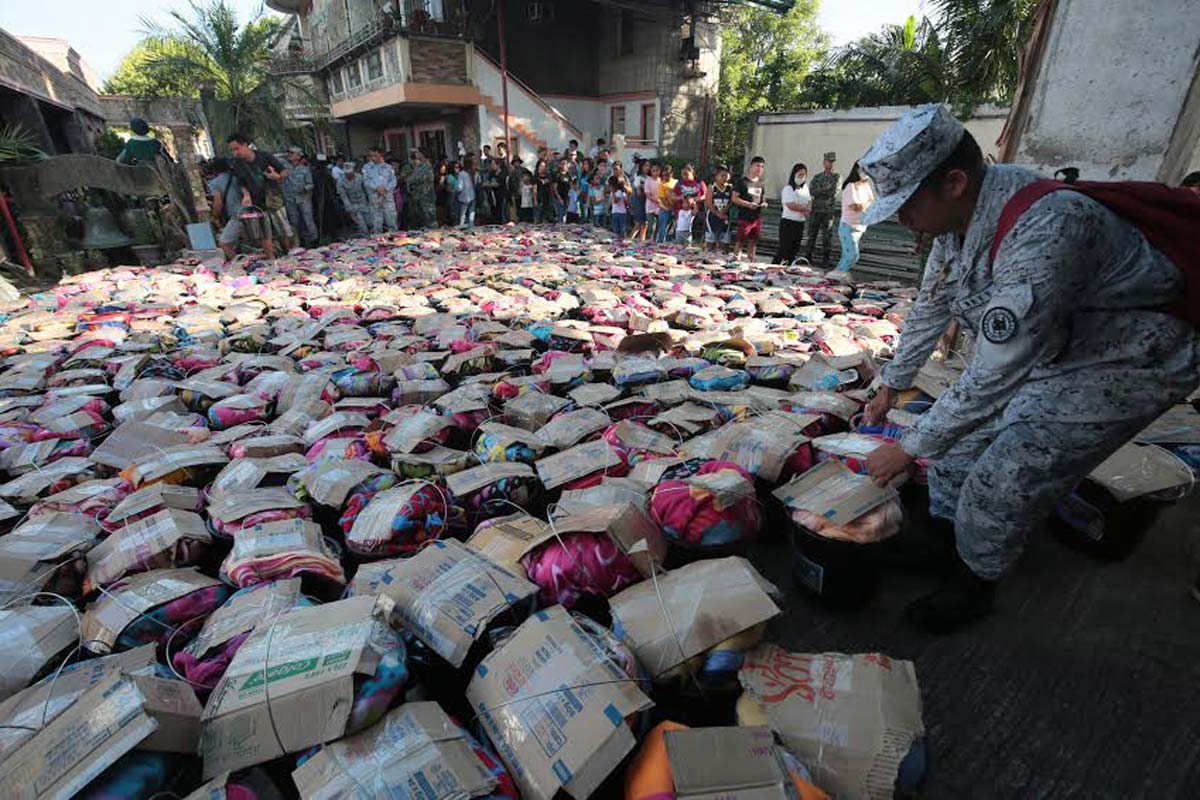
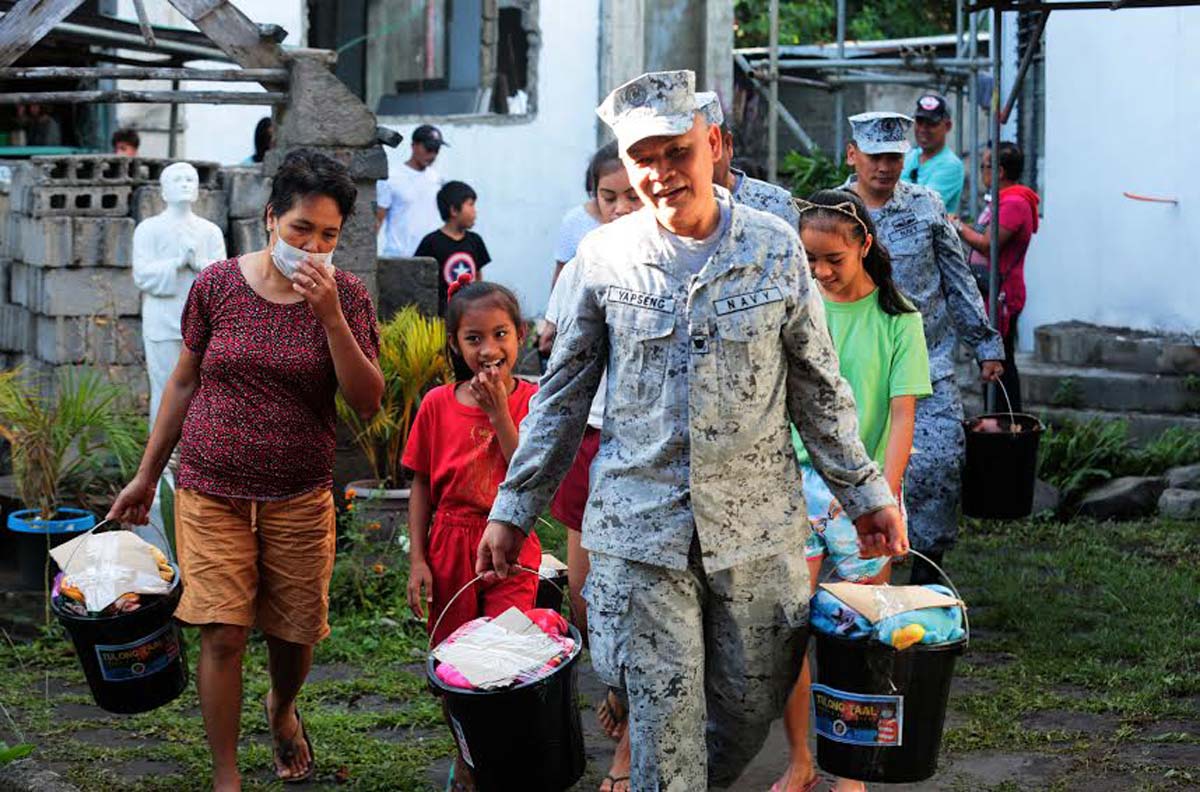
Mandanas earlier said evacuees from Batangas had reached one million, although many opted to stay with family members or relatives in safer areas instead of staying in evacuation centers.
Officials pegged the number of residents in evacuation centers at 300,000. The Department of Health reported that 15 evacuees have died in separate incidents due to health-related causes. DOH Calabarzon regional director Eduardo Janairo said most of those who died had pre-existing conditions like respiratory and cardiovascular diseases, which were worsened by ashfall.
The needs of the evacuees also have to be continuously addressed. A mother who works at the Department of Social Welfare and Development in Bicol described the situation of infant evacuees as pitiful.
Mabel Cardel, who traveled from Legazpi, Albay to help the evacuees at the Bauan Technical High School in Batangas, said she did not think twice about breastfeeding a one-week-old baby boy who was being bottle-fed by his grandmother.
In a Facebook post last week, Cardel said the first thing she noticed in the evacuation center were infants who needed milk.
“Nakakaawa na baby pa sila nae-expose sila sa ganitong situation,” Cardel, who is also a member of One Bicol Emergency Response Team, lamented.
“(As per) assessment, there are babies who really need milk, so as a breastfeeding mom I told myself I would look for a baby whom I could share my milk with,” Cardel recounted.
One-week-old Kurt Zian Balba was the lucky baby boy who received breast milk from her.
“My heart is full sharing my liquid gold with this one-week-old baby evacuee,” Cardel said, expressing her joy in her Facebook post.
Cardel explained that the infant was not being breastfed because as per the grandmother’s account, the mother has inverted nipples and was having difficulty breastfeeding her baby.
“As a mom, it was my instinct to offer my liquid gold in order to rescue a baby. Knowing that the baby was just a week old, he badly needed breast milk,” Cardel said.


Cardel, who is breastfeeding her 11-month-old baby girl, admitted feeling a bit guilty providing breast milk to other babies while she was in Batangas on Jan. 20 while her own child was left in Bicol and had to settle for bottle milk.
“’Di ko siya nabe-breastfeed so nag-bottle milk lang siya,” Cardel said.
But she stressed she never hesitated in helping another baby despite her guilt, and she was glad about it: “Kaya sobrang saya ko din po.”
Just like any other mother, Cardel showed love and care for the baby.
“Maya’t maya binibisita ko si baby sa room niya to check if gutom na siya,” she said.
Cardel left the evacuation center on Jan. 26 after being in Batangas for almost five days until they were replaced by another team.
She said the family of the baby expressed appreciation and gratitude for her simple act of kindness.
“Labis ang pasalamat (nila) kasi nga naaawa din sa baby na naaburido daw pag nagugutom,” she noted.
The family of the infant came from Barangay Maabud-North, San Nicolas in Batangas, one of the places worst hit by Taal Volcano’s explosion on Jan. 12.
The DOH has issued an advisory prohibiting the donation of milk formula for infant evacuees.
According to the DOH, donations of infant formula, feeding bottles and teats are not allowed at the evacuation centers, based on the Philippine Milk Code of 1986.
“The DOH reminds the public that breastfeeding is even more important in times of calamities and disasters to keep the infants safe… Breastmilk is safe, nutritious and free,” the advisory stated.
The World Health Organization stated that breastmilk provides “all the energy and nutrients that an infant needs for the first six months of life” and it should be given, along with complementary foods, for up to two years and beyond.
As a DSWD worker, Cardel also explained why donating breastmilk is prohibited.
“Donating formula milk for babies is discouraged considering that they are in a disaster situation, they are in evacuation centers so hygiene and (clean) water supply (are not ensured), posing higher risks of diarrhea and contamination of bottles and teats,” she said in English and Filipino.
Permanent evacuation
The humanitarian crisis caused by Taal Volcano’s unrest has led government officials to consider permanently relocating those within the 14-km radius danger zone.
However, Interior and Local Government Secretary Eduardo Año said a law is needed to ban human settlement within the area. Funding is also needed for permanent relocation.
Taal Volcano has a history of deadly and powerful eruptions. Since its last major eruption in 1977, however, millions of people have settled within the danger zone, many thriving from tourism and aquaculture.
Mandanas vowed to abide by whatever the national government decides regarding the permanent relocation.
Yesterday, Agoncillo Mayor Daniel Reyes, whose town remained on lockdown despite the lowering of the alert level, also said he would follow the governor’s directive.
“Sa mga kababayan natin, sundin po muna natin ang direktiba ng ating gobernador para sa Agoncillo at kasama na ang bayan ng Laurel dahil nakikita ko naman na merong positibong order na darating mula sa ating gobernador na tayo’y payagan din na makabalik sa ating mga tahanan,” Reyes said.
Talisay Mayor Gerry Natanauan expressed his delight over the lifting of the lockdown order: “Masaya ako kasi madadalaw na ng mga kababayan ko ang kanilang mga bahay para makapag-linis at mapapakain na nila ang kanilang mga alagang hayop.”
Tanauan Mayor Angeline “Sweet” Halili likewise heaved a sigh of relief over the development. “Makakahinga na kami ngayon nang maluwag, dahil alam ko na matutuwa ang aking mga kababayan na maari na silang makabalik sa kanilang mga tahanan. Pinakakabit ko na rin ang kuryente at tubig sa mga dating nakasama sa lockdown area,” Halili said.
Halili, however, said they are still monitoring the situation Barangay Maria Paz, which is included in the seven-km danger zone.
Phivolcs said Taal Volcano’s condition “generally declined into less frequent volcanic earthquake activity, decelerated ground deformation of the Taal Caldera and Taal Volcano (island) edifices and weak steam/gas emissions” at the main crater.
“Conversely, should there be a persistent downtrend in monitored parameters after a sufficient observation period, the alert level will be further lowered to Alert Level 2,” it added.
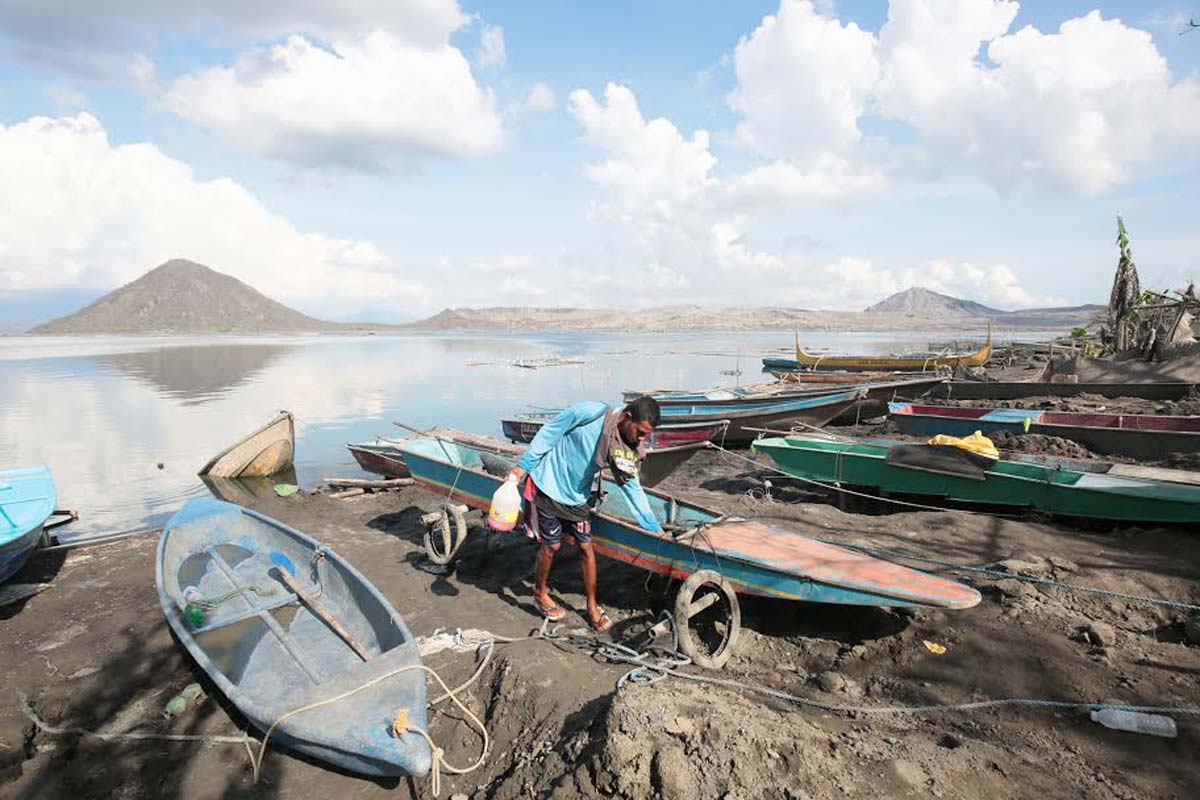
The agency continued to remind the public that at Alert Level 3, sudden steam-driven and even weak phreatomagmatic explosions, volcanic earthquakes, ashfall and lethal volcanic gas expulsions could still occur and threaten areas within the Volcano Island and nearby lakeshores.
Taal is the second most active volcano in the country with a total of 34 recorded eruptions. While it is giving authorities and residents a respite for now, the danger it poses remains. – With Helen Flores


