



People First: Coca-Cola Keeps All Employees, Helps Retailers Stay Afloat Despite The Pandemic
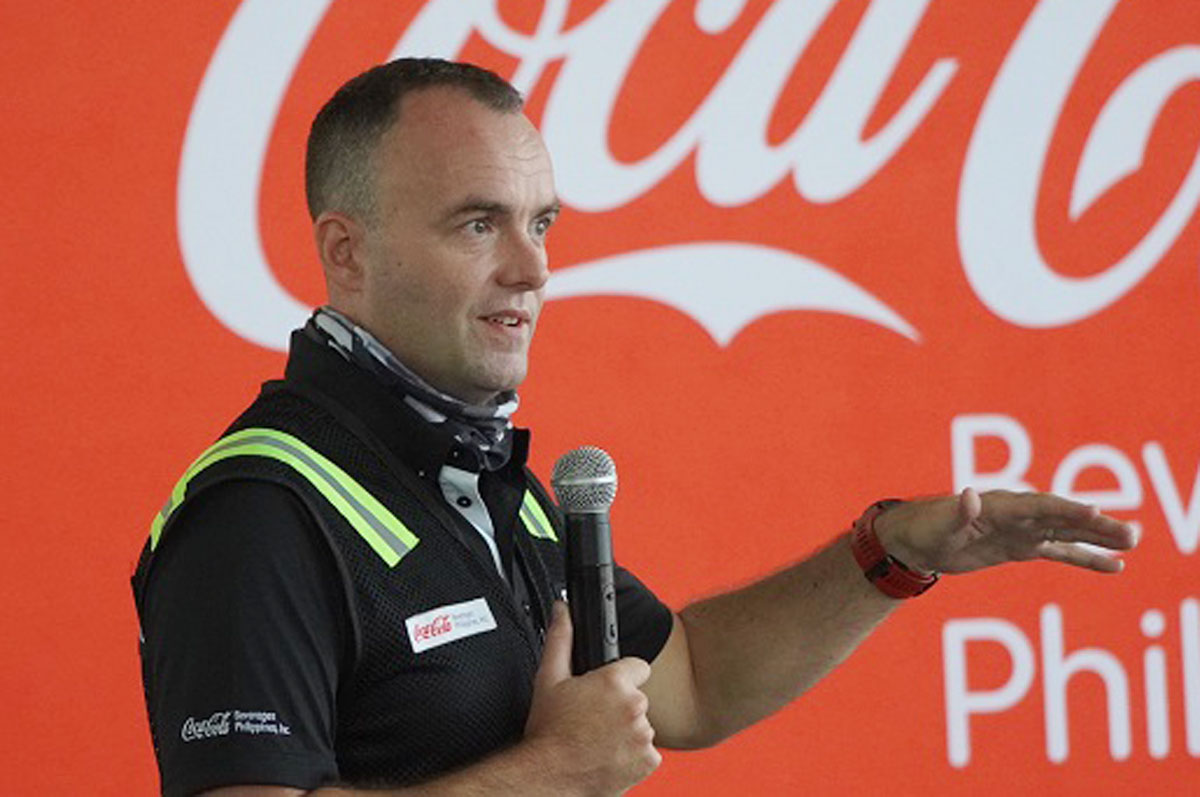
“We consider it our biggest win that we have left no one behind as we didn’t have to let go any one of our more than 10,000 associates,” Gareth McGeown, president and chief executive officer of Coca-Cola Beverages Philippines Inc., said.
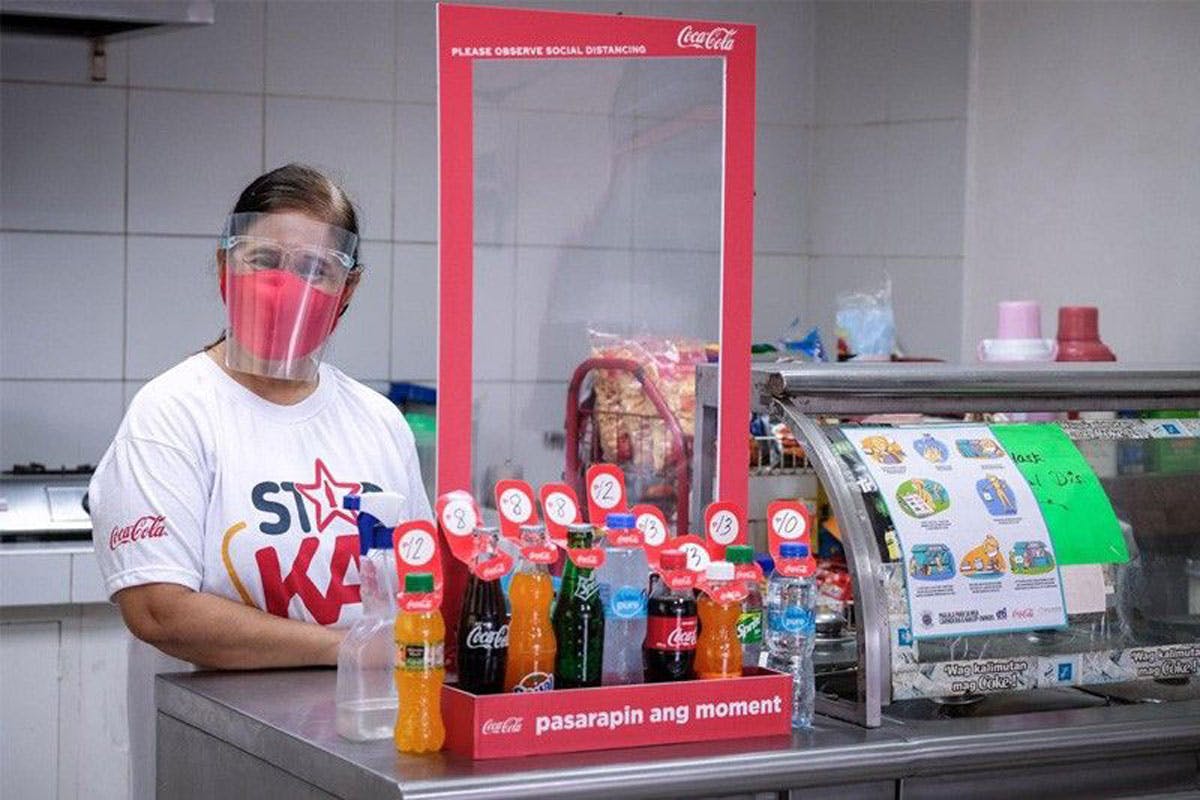
Coca-Cola Philippines also experienced pains brought about by the coronavirus pandemic. But whether they like it not, the company’s executives said they had to adjust to the new normal, and took advantage of their position as the leading beverage producer in the country.
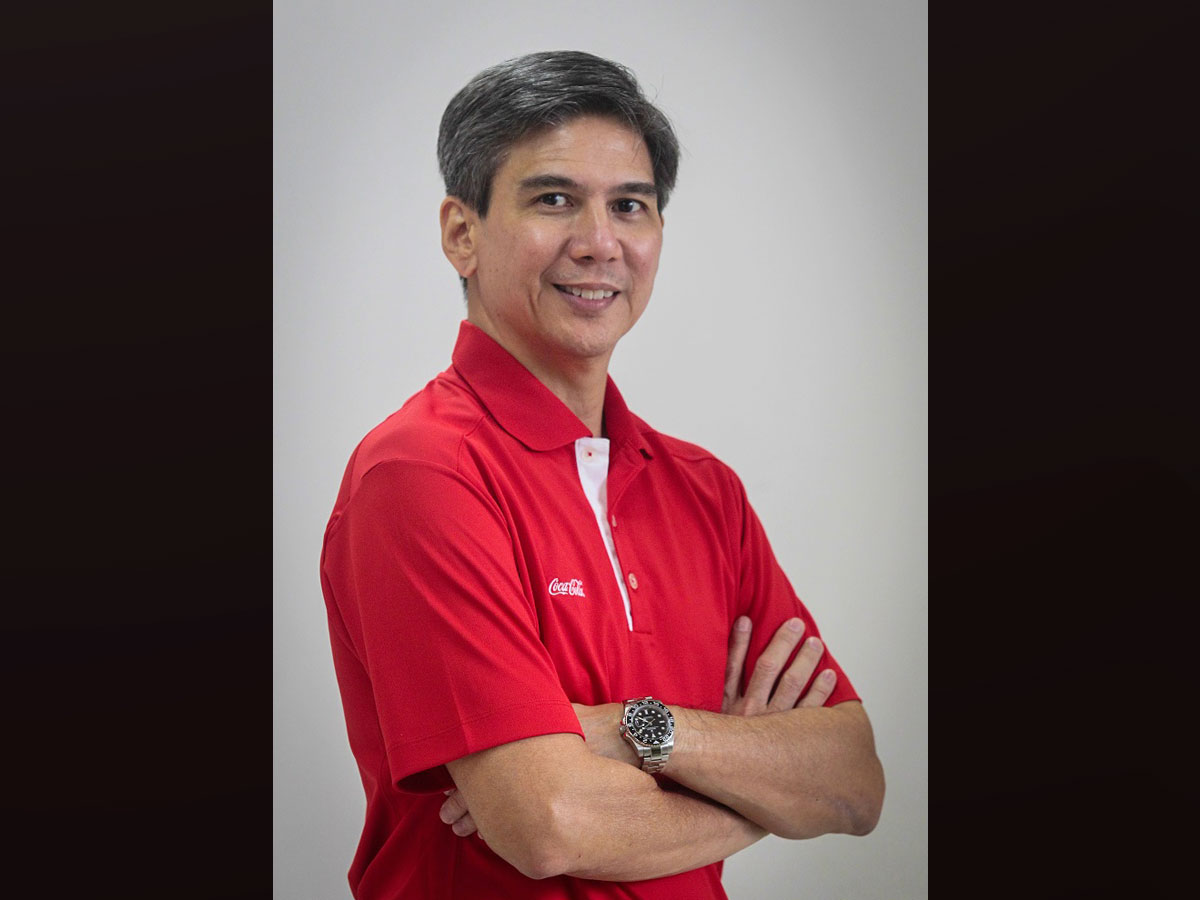
While Coca-Cola’s top executives would not disclose the actual losses of the company due to the pandemic, Antonio "Tony" del Rosario, the new president of Coca-Cola Philippines and vice president of franchise operations for the East Region of Coca-Cola ASEAN and South Pacific (Philippines, Vietnam, and Cambodia), stressed they were not as bad as the global slump averaging six percent for full year last year, and three percent in the last quarter.
In a virtual press conference on Tuesday, Feb. 23, Del Rosario said they “fared well” because they studied the change in consumer behavior during the pandemic and immediately adapted.
"The biggest change in consumer behavior is that the consumers stayed at home. So they were either away from home or at home doing their business because of their inability to move around. We have to pivot and make sure we are serving consumers at their home," Del Rosario told the media.
“I firmly believe in the strength of our distribution system and our ability to reach our consumers across the different occasions that they drink, particularly in the case, like I mentioned, at home,” he said.
Del Rosario noted Coca-Cola has a very strong network of retailers that are close to people’s homes, particularly the sari-sari stores. “We've been able to continue to reach them. I think that helped out that allowed us to grow, slightly better or have numbers that are slightly better than global.”
Coca-Cola also has brands that are in a very strong or “very good position” and “our refocus around those core brands really helped us as well.”
‘People First’ philosophy
When the lockdown started to prevent the spread of coronavirus disease 2019, even sari-sari stores had to close down. So the company and its partners put up the Rebuilding Sari-Sari Stores Through Access to Resources and Trade or ReSTART program to help severely impacted sari-sari stores and carinderias stay afloat during the challenging times. Through the ReSTART program, the sari-sari store and carinderia owners were be able to reopen and sustain their micro-retail businesses.
Coca-Cola also had to change gear and move their products to e-commerce and online deliveries and improved their food service aggregators.
Gareth McGeown, president and chief executive officer of Coca-Cola Beverages Philippines Inc. (CCBPI), estimates that they have around 150,000 distribution partners nationwide, which likewise employ thousands in their respective businesses.
Part of their efforts last year was to be "agile" in boosting the "ecosystem" of this network by financing them, retooling, "rewiring" or providing education on safety requirements to adapt to the changing health and safety protocols.
They also launched a "Balik Pinas" program for overseas Filipino workers (OFWs) who lost their jobs due to the pandemic. So far, 400 OFWs have already applied to be wholesalers of soft drinks and mineral water.
These initiatives were made on top of keeping their 10,000 employees across the Philippines.
"We spent $2 billion to make sure we retain all our employees. We have zero restructuring, zero redundancy," McGeown said.
Coca-Cola said its system continues with its thrust of placing people at the heart of their business, and the past year’s difficulties have only strengthened their conviction behind employing a ‘People First’ philosophy toward not just survival but also success.
In 2021, Coca-Cola intends to continue applying the same strategy of supporting people.
“With people being at the center of everything we do, we at Coca-Cola continue to champion our People First philosophy which centers around ensuring job security and the total well-being of our associates,” McGeown said. “We consider it our biggest win that we have left no one behind as we didn’t have to let go any one of our more than 10,000 associates.”
Coca-Cola stressed it is committed to maintain and reinforce its market leadership by accelerating its digital transformation; and further expanding commercial reach via heavily investing in omnichannel opportunities – a strategy that has resulted in robust marketing, sales, and distribution execution in both online and traditional channels.
“We’ve doubled down on our investments in digital transformation of the Coca-Cola company as we recognize that our customers are always looking for convenience and we want to be wherever they are. We believe these investments will actually create value for both our customers and our [communities],” Del Rosario disclosed.
Investments
And while other companies are closing down during pandemic, Coca-Cola increased production capacity in Mindanao region by 30 percent through the installation of world-class manufacturing lines in its Davao del Sur, Misamis Oriental, and Zamboanga plants. In Luzon, a new line has also been installed to increase manufacturing capacity to serve areas in the Greater Manila Area and South Luzon.
"We are bullish in Mindanao and the future as well," Geown declared.
This year, Coca-Cola is "cautiously optimistic" that the Philippine economy would rebound and is aiming to bring their business back to pre-pandemic levels.
In January, CCBPI inaugurated new distribution hubs in the cities of Manila and Malabon, as well as its most advanced returnable glass bottle manufacturing line in its Davao del Sur plant.
The local investments programmed for 2021 totaled $63 million (around P3.06 billion) primarily geared towards increasing their production capacity in the Sta. Rosa, Laguna plant.
To start, they will pump in P21 million worth of investment to help 5,000 entrepreneurs start their businesses this quarter.
By the last quarter of this year, the beverage giant is likewise expected to complete its P2.3 billion bottle-to-bottle recycling facility rising in General Trias, Cavite. This state-of-the-art multi-phased project will partner with green solutions company Indorama Ventures that will produce sustainable packaging and promote a circular economy.
The recycling facility once completed is expected to be able to process 45,000 metric tons of plastic bottles a year or almost three billion pieces with an output of 32,000 metric tons of recycled PET resin a year. PET – short for polyethylene terephthalate, the chemical name for polyester –is a clear, strong, and lightweight plastic that is widely used for packaging foods and beverages, especially convenience-sized soft drinks, juices and water.
“When we look into 2021, we are going to grow investments around our brands in the double-digits versus the prior year in the belief that if you invest now, you will come out and emerge stronger. That’s what we’ve done in our 109 years in the Philippines – it’s an opportunity that, as we go through peaks and valleys in the course of doing business, we invest ahead in order to come out stronger,” Del Rosario said.


