



Maita Gomez, The Beauty Queen Who Chose Not Live Like One
At a time when she was adored by the elite and a muse of fashion and beauty, Maita Gomez turned her back on the klieg lights to serve the people.
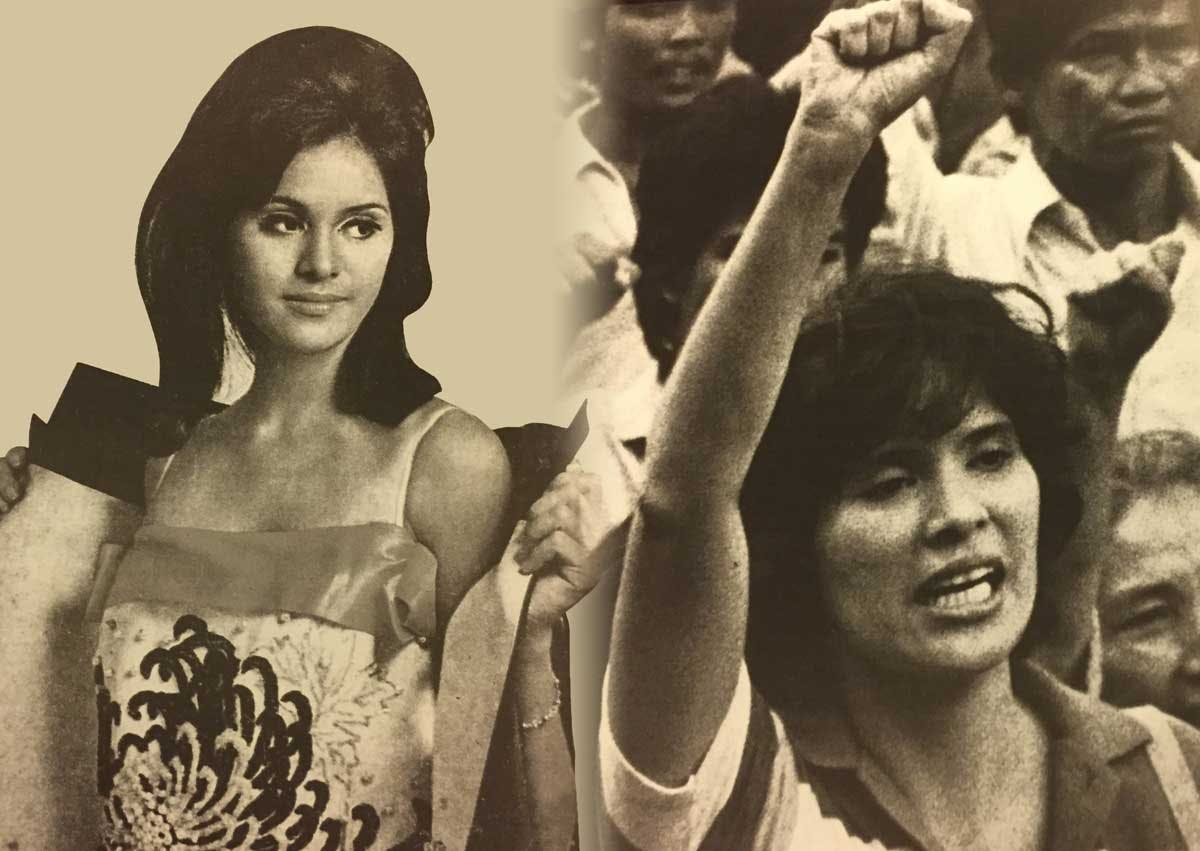
Turn your back on your class to serve the people.
This is what Michael Beltran remembers most about his late mother Maita Gomez, Miss Philippines 1967 titleholder who went underground during martial law.
Maita and her story of joining the New People’s Army (NPA) during martial law had become a sort of legend among activist circles, Michael told The Philippine STAR.
He said his mother never got used to the attention and wanted to be left alone.
“Para na siyang alamat. Kasi nga, ang daming kuwento sa kaniya. Nagbabago-bago, parang oral history. Pero kami, alam naming wala kaming obligation na i-broadcast ’yan sa buong mundo,” Michael said in an interview as the country marked the 47th anniversary of the declaration of martial law on Sept. 21.
Asked about his fondest childhood memory of his mother, Michael recalled watching the movie Robocop on television when he was five years old and being told by Maita never to become a policeman or a soldier.
“Hindi ka naman papaluin. Pero sasabihin niya, ‘OK lang maging Robocop. Pero huwag kang magpulis,’ ” Michael said.
He understood only later why his mother took a hardline stance against the police and military upon learning more about Maita’s role in the underground movement.
He also learned to respect women’s rights at an early age.
“Naalala ko, binatukan niya ako. Dati sa RPN-9, palabas ’yung ‘Buffy the Vampire Slayer.’ Big deal dati ’yun kasi US show na sikat. Sabi ko sa nanay ko, ‘Bakit ganyan, babae ’yung bida?’ Bilang dating GABRIELA, binatukan niya ako. ‘Bakit, bawal ba maging bida ang babae? Pareho sila ng mga kakayahan,’ ” Michael said, laughing.
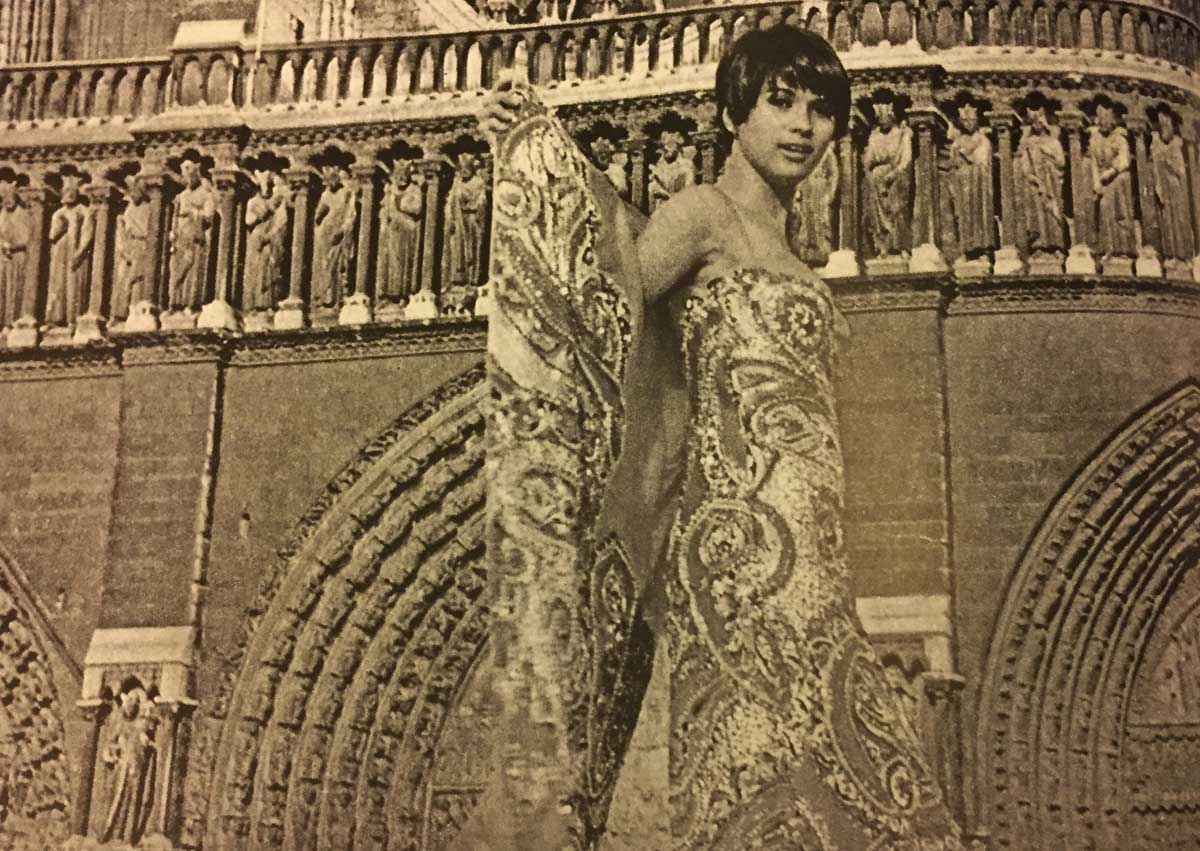
Maita led a comfortable life, growing up in a family that owned a large plantation or hacienda in Pangasinan and Tarlac. She was known in 1966 as a model for designer and National Artist Jose “Pitoy” Moreno Jr. She had toured the world as a model, and was even given a four-month-long world trip by her family after her high school graduation.
Which was why it came as a surprise to everyone when, three months before martial law was declared in 1972, she went underground and joined the guerrilla movement against the Marcos dictatorship.
She was radicalized as a UP student when she saw the plight of typhoon victims in Central Luzon in 1970.
Maita joined the rebels in the mountains with her eldest daughter Melissa in the 1970s, Bonifacio Ilagan, who was tortured during martial law, said in a separate interview.
During their guerrilla days, Maita had been in the underground house with Ilagan, Bienvenido Lumbera and Virgilio Almario, who would later become National Artists for Literature.
Maita was known then as “Ka Dolor,” charming the masses with her beauty and pleasantries, Ilagan recalled.
“Starstruck kami. We never imagined that we would have as part of our underground collective Maita Gomez, who was already known at the time,” Ilagan said.
“Early on, she already wanted to be deployed to the countryside. She didn’t want to stay in the city. We had second thoughts. Paano si Maita ide-deploy sa countryside na matangkad, iba ang itsura. But her determination to take part in the people’s war was really amazing,” Ilagan added.
Maita was arrested in Baguio in 1973 and later escaped prison with the help of a military asset who had a crush on her. In 1976, she rejoined the NPA, remaining with the group until 1980, when health problems compelled her to surface with the help of a friend, a daughter of then general former president Fidel Ramos. Maita was placed under house arrest.
“Ang sabi niya sa ’kin, kahit nung ’90s, praning pa rin siya na naka-bug ’yung bahay,” said Michael, who grew up with his siblings in the Ramona Apartments, the famous post-war heritage building in Malate owned by the clan.
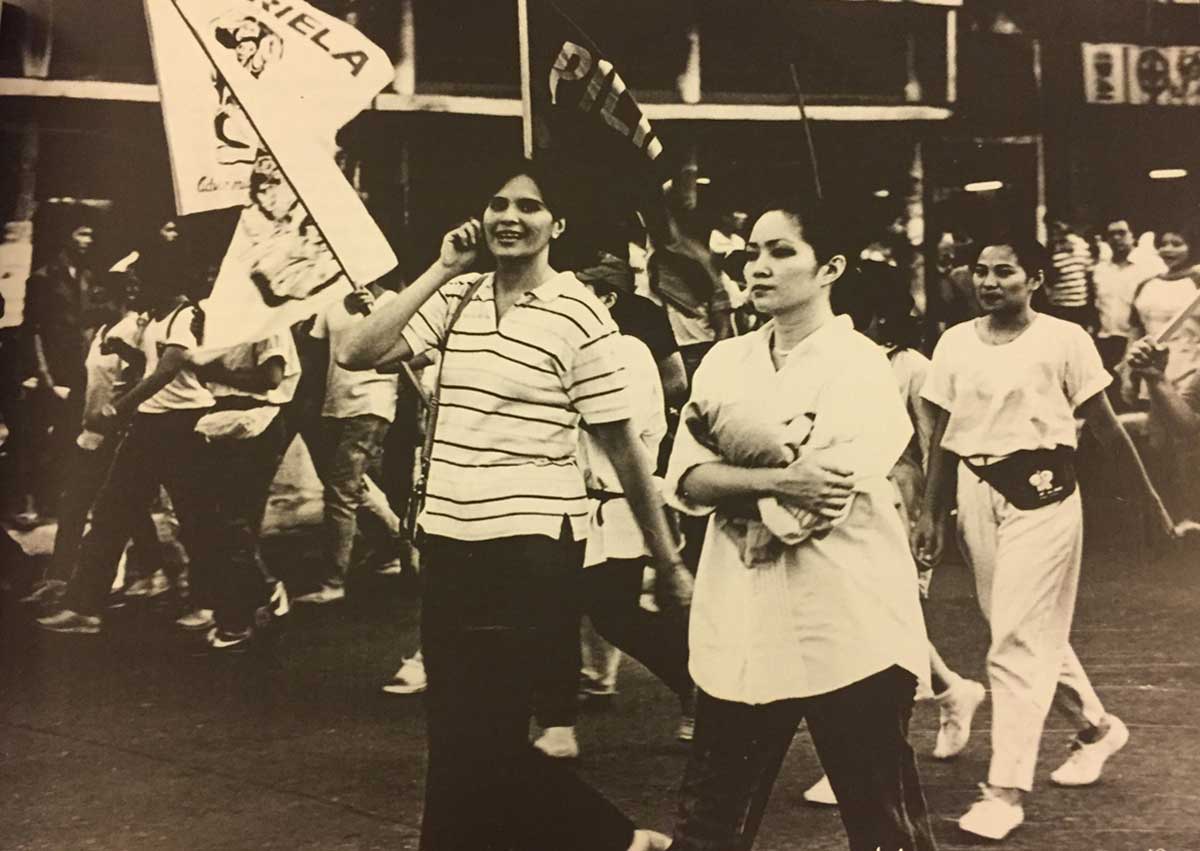
Maita took on public roles after her underground years. She became secretary general of Women for the Ouster of Marcos and Boycott (WOMB) and founded the GABRIELA Metro Manila chapter in 1984.
She also became a deputy director for the Women Studies Program in St. Scholastica’s College where she helped draft the women’s studies curriculum in 1985.
In 1987, she gave birth to Michael with businessman Oscar Beltran as the father.
Her other children include Melissa Perez-Rubio-Ugarte with Carlos Perez-Rubio, Jose Luis Decena with fellow NPA fighter Joey Decena (who was killed in an encounter in 1979), and Kris and Antares Bartolome with folk musician Heber Bartolome.
She made an unsuccessful stab at politics in 1987, running for a Manila congressional district seat in a political party she founded with Nikki Coseteng.
Maita remained active in protest actions during the Ramos, Estrada and Arroyo administrations.
“I remember when I was young, she was active in opposing the Charter change campaign of Fidel Ramos. When I asked why, she said Ramos was planning something on Charter change,” Michael said.
During the Estrada administration, the whole family joined the EDSA Dos or the second EDSA revolution that led to the ouster of Joseph Estrada as president. “I was left at home because I was too young,” Michael noted.
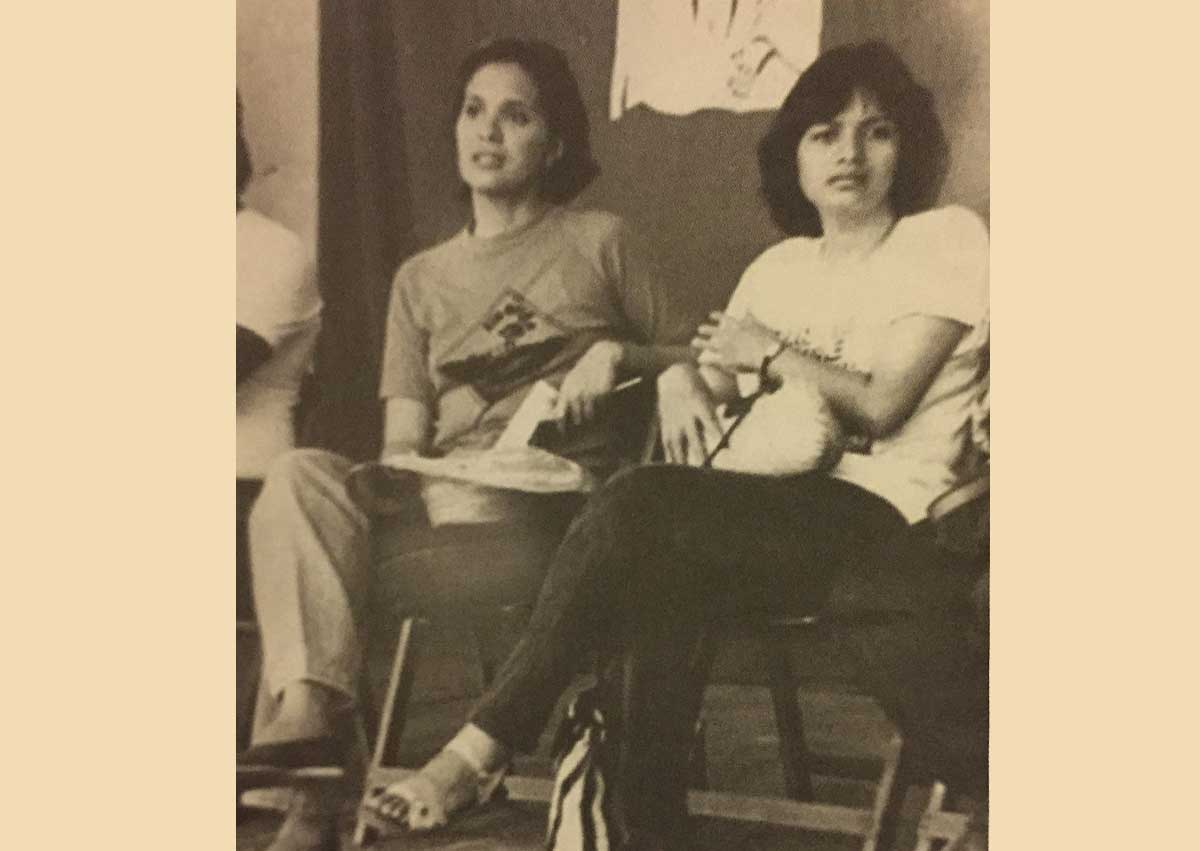
Maita was also active in the campaign for the ouster of Gloria Macapagal-Arroyo as president, as co-convenor of Babae Laban sa Katiwalian or BABALA in 2008, and co-chair of the Makabayan coalition in 2009. She campaigned for the senatorial bids of Satur Ocampo and Liza Maza in 2010.
From 1998 to 2006, Maita taught economics at the University of the Philippines – Manila and De La Salle University. She wrote a book in 2000 on sex slavery victims during the Japanese occupation, and joined the Action for Economic Reforms from 2005 to 2007.
Just a year before her death, she led the advocacy group Bantay Kita against large-scale mining.
Maita had wanted to retire at an island lake rest house in Laguna, until she died of a heart attack on July 12, 2012. She was 65.
Michael admits he still finds it difficult to talk about Maita.
He remembered that one or two years before Maita’s death, they were smoking together when she told him of her fear that the name she had made for herself had cast a shadow on her sons.
Michael had followed in the footsteps of his mother, being an activist as early as fourth year high school. He is now information officer for urban poor group Kadamay.
“Nababahala daw siya dahil baka masyadong mataas ’yung na-cast na shadow sa mga anak niya. Sabi ko na lang, ‘hindi naman ako magiging beauty queen,’ ” Michael said, laughing.
Kidding aside, Michael stressed that Maita did not want to be branded as a “beauty queen-turned-activist,” as most reports had described her.
This is because she herself had turned against beauty pageants.
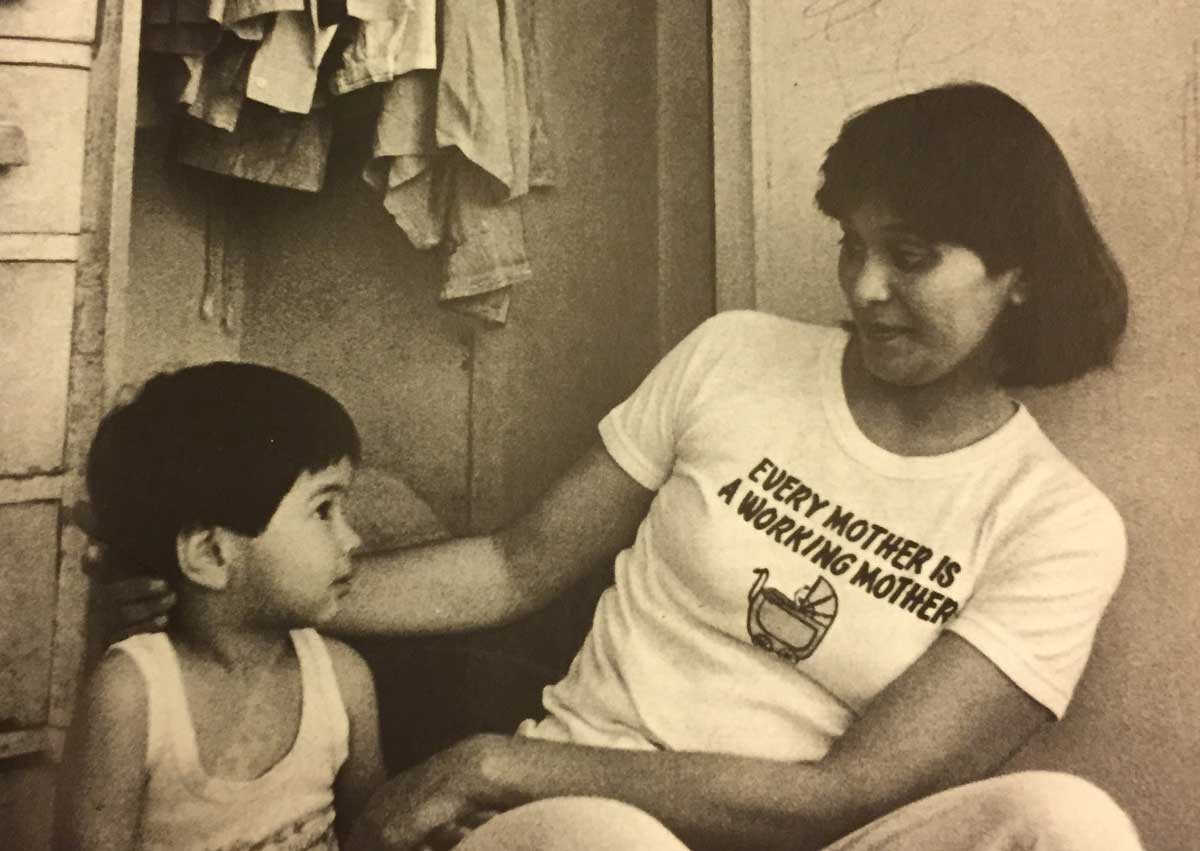
When he was in college, he had told his mom about the beauty pageant then held by a rival political party in UP Manila. Maita was enraged about the idea, telling Michael: “Dapat rally-han niyo yan!”
“Tinuruan niya kami na hindi mahalaga ’yun. Walang kwenta ang mga ganyang bagay. Galit na galit siya ’pag mga ganung beauty pageant. Matik (Automatic) na ’yun. In-e-explain niya bakit ang beauty pageants of any kind ay objectification and commodification ng kababaihan,” Michael said.
Maita had even joined GABRIELA in protesting the 1994 Miss Universe pageant in Manila, calling Fidel Ramos a “world-class pimp,” GABRIELA lawmakers had said in a press conference in January 2017. The country was then hosting the 65th Miss Universe pageant, the third time for the Philippines to host the beauty tilt.
“Ayaw niya pinag-uusapan ’yung pagiging beauty queen niya. Sabi niya, sa dami ba naman ng pinasukan niya, ginawa niya at inatupag. Naging moot naman na. Parang life experience na lang niya siguro,” Michael said.
Michael also recounted how proud his mother was when he also became an activist.
When he was in fourth year high school, Michael said he was photographed during a demonstration in front of the US embassy. The picture came out in a newspaper.
The school principal called him to the office that day. But when the principal called his mother, Maita backed up Michael and said he was sick that day.
She then cut out the photo in the newspaper and pinned it on their refrigerator.
To any visitor who would drop by, Maita would point at the photo and exclaim: “Anak ko ’yan!”
Her mother’s storied past from beauty queen to activist had fanned the flames of the movement – that activism can transcend class, Michael said.
“Ang positibong pwedeng makita natin ay at least, pinapaypayan niya ’yung myth o alamat na makakatulong na mag-organisa ng tao. Kahit sinuman sa lipunan. Kung ang kwento man niya ay makakatulong na magmulat ng iba,” Michael noted.
His mother’s advice to him to turn his back on his class had made a lasting mark on him as an activist. “Betray your class. ’Yun ang sinasabi niya noon. Kailangang i-betray ang class mo,” Michael said.


