



Lawyers Ask SC To Intervene As More Than 50 Colleagues Have Been Killed
The Free Legal Assistance Group also released a report counting 61 deaths since July 2016 and attributing almost half to “possibly work-related motives” – indicating a “growing danger of practicing the legal profession in the country.”
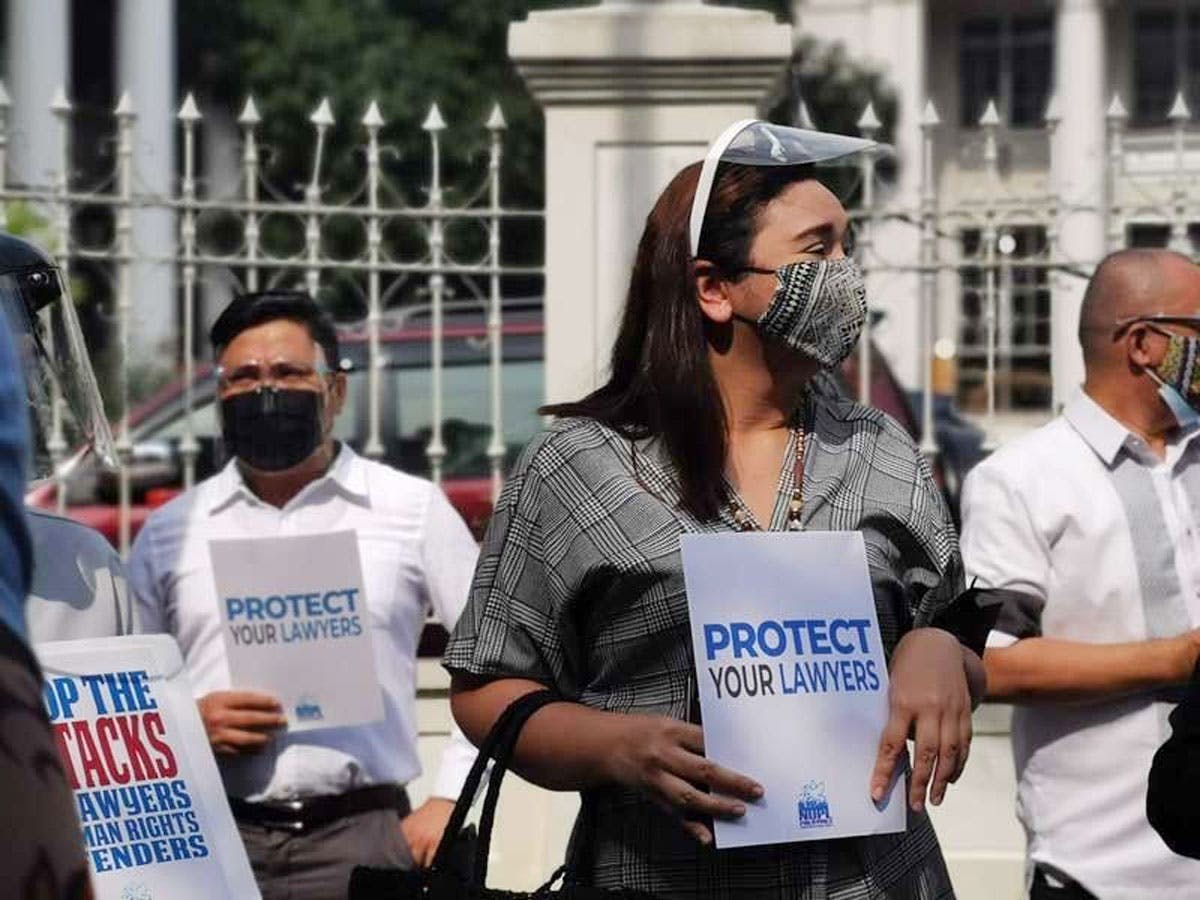
After an attack on Iloilo human rights lawyer Angelo Karlo Guillen prompted the legal profession to renew their clamor for protection from the Supreme Court, the judiciary has resumed taking steps to address the violence that has killed more than 50 judges, prosecutors, and lawyers under the Duterte administration.
The Office of the Court Administrator, in a circular dated March 9, directed all judges of first and second-level trial courts to accomplish within 10 days a nationwide survey on pending criminal cases involving not just the killings of lawyers but also harassment, threats, and other attacks.
Court Administrator Jose Midas Marquez issued OCA Circular No. 37-2021 after Chief Justice Diosdado Peralta on Jan. 6 directed his office to address the “growing concern over the continued attacks against lawyers and judges.”
As this developed, the Free Legal Assistance Group (FLAG) on Wednesday, March 10, released a report that counted 61 deaths from July 2016 to January 2021.
This reflected a slightly higher death toll than the data of the Department of Justice, which stood at 54 according to a Dec. 1 report by Rappler. Since then, two more were killed in December 2020 and January 2021.
Work-related and drug-related
FLAG found that “almost half of these killings were due to work-related or possibly work-related motives.” This was “an indicator of the growing danger of practicing the legal profession in the country.”
Out of the 61 killings tallied by FLAG, 26 were found to be work-related (defined as those that happen “because of his/her legal practice”) and 15 were drug-related.
Some of the incidents may fall under both categories in cases of lawyers who represent clients or prosecutors who go after persons allegedly involved in the illegal drug trade. Five of the slain lawyers were either named as a drug suspect or included in watchlists as accused protectors of the illegal drug trade. Two others were romantically linked to drug suspects.
The latest lawyer to die was 53-year old Winston Intong, who was shot while buying vegetables on Jan. 14. Intong was reportedly in the government drug list despite being acquitted of drug charges in connection with a sting at his law office in 2011.
Suspects in only nine killings face charges
Meanwhile, 12 of the killings arose from personal motives, such as personal debts and robbery. Fifteen were prompted by unknown or other reasons, including one election-related killing.
Underscoring the injustice, FLAG said the perpetrators of only nine killings were charged and none of them have been convicted yet.
A whopping 48 of the 61 killings were blamed on “unidentified assailants,” mostly motorcycle-riding men, FLAG noted. Only five of these “riding-in-tandem” perpetrators were later identified.
Police officers were implicated in four of the killings; in three of these incidents, the lawyer was ambushed.
In at least one of these killings, a police officer confessed that his superior made them believe that the victim was an illegal personality who had to be “operated.” He reasoned out that he and his fellow law enforcers were only following orders.
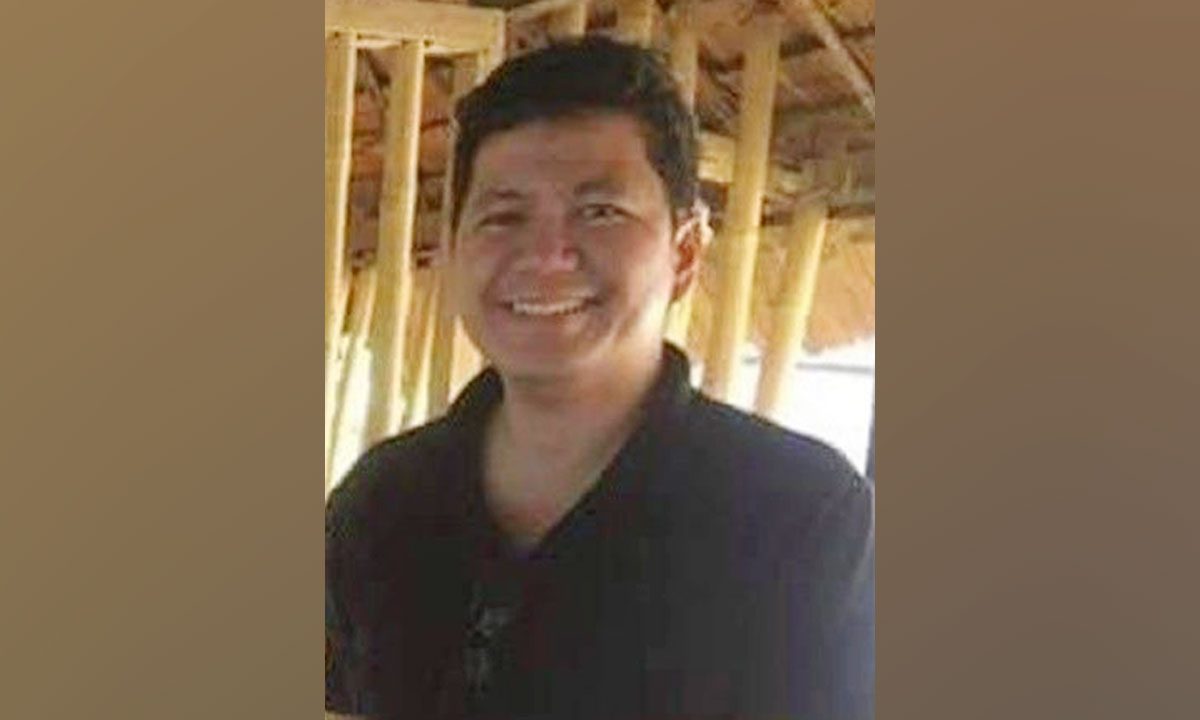
In two incidents, the perpetrators committed suicide. One suspect arrested in connection with the killing of a lawyer “appears to be a victim of an extrajudicial killing,” as he was killed inside a police camp for allegedly trying to snatch his escort’s gun.
Of the victims tallied by FLAG, 32 lawyers, or more than half, were engaged in private practice. Seven of them were known to handle cases related to illegal drugs.
Another 21 were incumbent public officials. These include eight prosecutors, five judges, one congressman (Ako Bicol party-list Rep. Rodel Batocabe), one vice mayor (Jonah John Ungab of Ronda, Cebu, who represented suspected drug lord Kerwin Espinosa), a legal division chief of the Bureau of Corrections (Fredric Anthony Santos), one public attorney, one clerk of court, one civil registrar, one chief of police legal affairs, and a governor’s chief of staff.
Eight were former or retired public officials, including three judges, two prosecutors, a congressman (former Batangas 2nd District Rep. Edgar Mendoza), a prosecutor-turned-barangay chairman, and a municipal councilor.
Four were public interest lawyers, two of whom were known to represent political prisoners, activists and peasants, and were both accused of being supporters of the communist insurgency. One practiced environmental law, but the motive was not related to her advocacy. The other one was an advocate of the Bangsamoro Organic Law.
Government’s failure
FLAG said the fact that no one has been arrested in connection with 73 percent of the killings indicates that “the government has failed to fulfill its obligation to adequately safeguard lawyers who are threatened as a result of discharging their functions.”
It said the government’s failure “has resulted into a chilling effect on the legal profession.” It recalled that in 2017, members of the Integrated Bar of the Philippines Surigao del Norte chapter refused to handle drug-related cases after two of their colleagues were killed by gunmen for suspected work-related reasons.
Similarly, lawyers of the IBP Cebu City Chapter refused to accept such cases, even though they were referred to them under the Community Legal Aid Service Rule, which required new lawyers to render 120 hours of free legal aid.
FLAG also cited the “chilling effect” caused by President Duterte’s statements. In a Dec. 7, 2016 speech, the President complained that authorities have a hard time convicting drug suspects because they are able to hire “good, high-profile lawyers.” Putting them on notice, he said: “Sige, tapos maglaro ka ulit. Pati ’yung abugado mo, isali ko ’yan (Go ahead, play again. I will include even your lawyer).”
The group stressed that according to the Basic Principles on the Role of Lawyers, “all persons are entitled to call upon the assistance of a lawyer” and the government has the obligation to ensure that the poor and other disadvantaged persons are given special attention so they can assert their rights and call for legal assistance.
This is especially important since the government, as part of its widely-condemned “war on drugs,” has brought almost 153,000 drug cases as of 2018 targeting mostly suspects from the poor and disadvantaged sectors “who do not have the financial capacity to secure private legal services,” FLAG said.
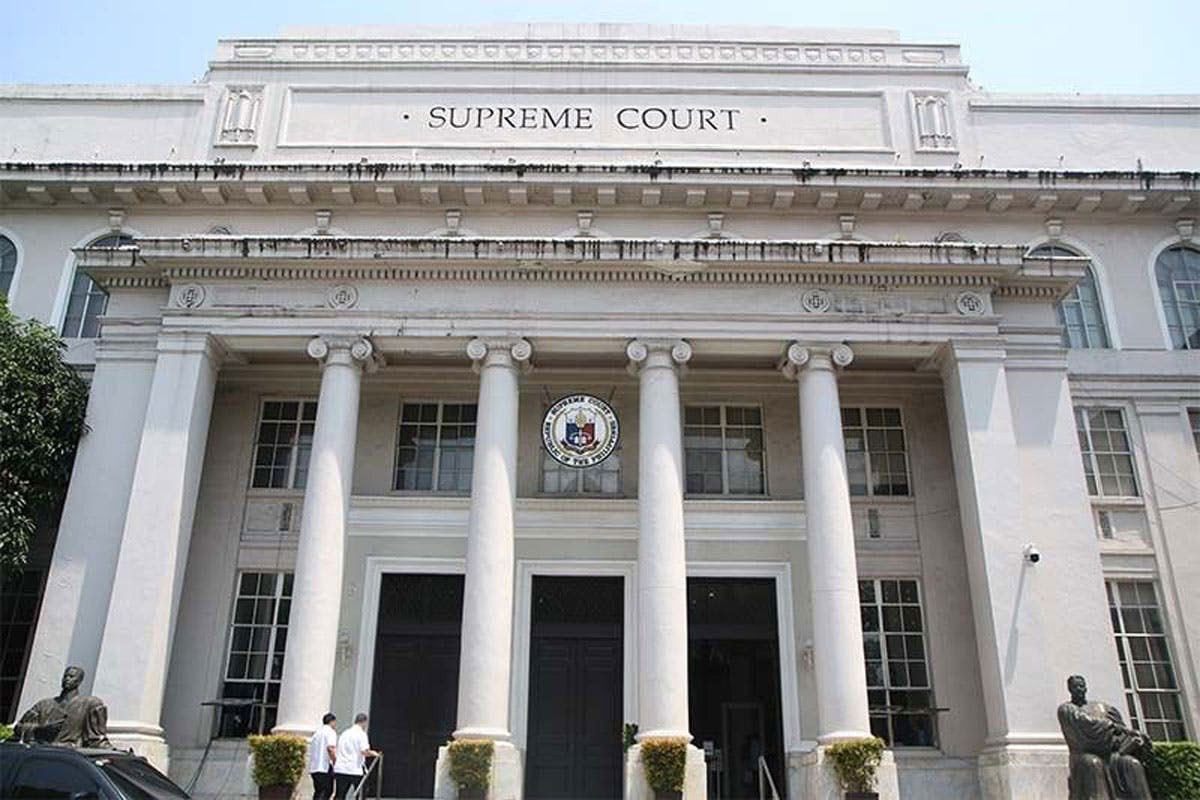
FLAG’s release of its report came a day after the petitioners challenging the constitutionality of the Anti-Terrorism Act (ATA) and their lawyers issued a statement asking the Supreme Court to intervene and help stop the “escalating attacks” against members of the legal profession.
Guillen – who on March 3 was stabbed in the temple with a screwdriver by masked men who then took his laptop and documents but not his wallet and other valuables – is a lawyer representing the group of petitioners including Bagong Alyansang Makabayan secretary general Renato Reyes Jr. and former social welfare secretary Judy Taguiwalo.
The 33-year-old lawyer is also the secretary general of the National Union of People’s Lawyers – Panay, an organization that has been persistently red-tagged by the National Task Force to End Local Communist Armed Conflict without basis.
Weeks before the attack on Guillen, FLAG member Rafael Angelo Aquino, who represented another set of petitioners including Senators Francis Pangilinan and Leila de Lima, was falsely labeled by an Armed Forces of the Philippines social media page as among the University of the Philippines alumni who became New People’s Army rebels.
Lawyers led by retired associate justices Antonio Carpio and Conchita Carpio-Morales said the attacks against the legal profession were “directly brought about by the continuing impunity in the country.”
“These attacks against lawyers must stop as they threaten the practice of the legal profession and the right of the people to judicial remedies,” read the statement.
The statement urged the SC “as the constitutionally-appointed guardian of civil liberties and protector of the legal profession to take immediate measures to stop these attacks, including those committed against petitioners and counsel in the ATA petitions.”
Among the actions they asked the SC to take was the issuance of a temporary restraining order to stop the enforcement of the ATA amid the rise in violence against lawyers and activists.
The statement called on all members of the legal profession to condemn the attacks and “launch a more active response to these attacks including complaints in UN (United Nations) mechanisms against these attacks.”
“We call on the people to demand from the government to stop the killings and the escalating violence and impunity that have seriously eroded the rule of law and our democratic order,” read the statement.
Besides the Carpio cousins, the statement was also signed by former vice president Jejomar Binay, Albay 1st District Rep. Edcel Lagman, Bayan Muna party-list Rep. Carlos Isagani Zarate, former senator Rene Saguisag, former Bayan Muna party-list representative Neri Colmenares, former Government Corporate Counsel Rudolf Philip Jurado, and former Solicitor General Jose Anselmo Cadiz.
The lawyers who signed the statement were Howard Calleja, Chel Diokno, Ephraim Cortez, Alfredo Molo III, Algamar Latiph, Evalyn Ursua, Pacifico Agabin, Josalee Deinla, Ada Abad, Jojo Lacanilao, Tony La Viña, Jameela Joy Reyes, Brenda Viernes, Maria Cristina Yambot, Maneeka Sarza, Ericson dela Cruz, Teopisto Melliza, Edre Olalia, Maria Sol Taule, Bantuas Lucman, Cristina Sevilla, Gilbert Andres, Noel Valerio, Mario Maderazo, Abraham Rey Acosta, Jay Pujanes, Karla Marie Tumulak, Amylyn Sato, Rachel Pastores, Danilo Rico II, Carlos Montemayor Jr., Ma. Kristina Conti, Norma Singson de Leon, Janine Karla Aranas, Kristopher Mercado, Dino de Leon, Marlon Manuel, Alnie Foja, Sheila Grace Formento, Minerva Lopez, Efenita Taqueban, Ryan Jay Roset, Virginia Suarez, Rose-Liza Eisma-Osorio, Rodel Taton, Joel Butuyan, Nicolene Arcaina, Romel Bagares, Carlo Cruz, Shawn Dustin Coscolluela, Juan Carlos Cuna, and Ma. Soledad Deriquito-Mawis. Former University of the Philippines faculty regent Ramon Guillermo was also a signatory.


