



TIGIL PASADA: Millions Of Public Transport Drivers To Be Affected By Quarantine
Here is the road transport system in the country in figures, and how the enhanced community quarantine will affect the millions of drivers and their families who depend on it.
With mass transportation in Luzon shut down due to the coronavirus disease 2019 (COVID-19) pandemic, what happens now to the millions of displaced drivers who depend on their daily trips for their livelihood?
The suspension of public transportation services came after President Duterte placed the entire Luzon under enhanced community quarantine effective Tuesday, March 17 to prevent the spread of COVID-19.
Here are some of the figures on the road transport system in the country, and the impact of the suspension of mass transport services on the millions of drivers and their families who depend on it.
The road transport sector covers taxis and buses, hundreds of thousands of jeepneys as well as millions of tricycles.
1) Taxis and transport network vehicle services or TNVS, including motorcycle-taxis
There are tens of thousands of displaced drivers in the personal transportation sector alone.
For taxis, it is estimated that there are about 30,000 units in Metro Manila that have been grounded since the enhanced community quarantine.
Many taxi drivers took the risk, on the first day of the quarantine on Tuesday, and tried to go on with business as usual, only to be pulled over and grounded by police.
Hundreds of taxis were lined up along the almost traffic-free EDSA, which served as a temporary impounding ground for the taxis.
There are also about 35,000 TNVS units on the Grab platform, excluding drivers from other transport network companies.
With the shutdown of the mass transport system, the pilot implementation of motorcycle-taxi services was also suspended.
There are about 45,000 riders who have had their trips suspended on the platforms of the three companies authorized to operate: Angkas, JoyRide and MoveIt.
2) Buses
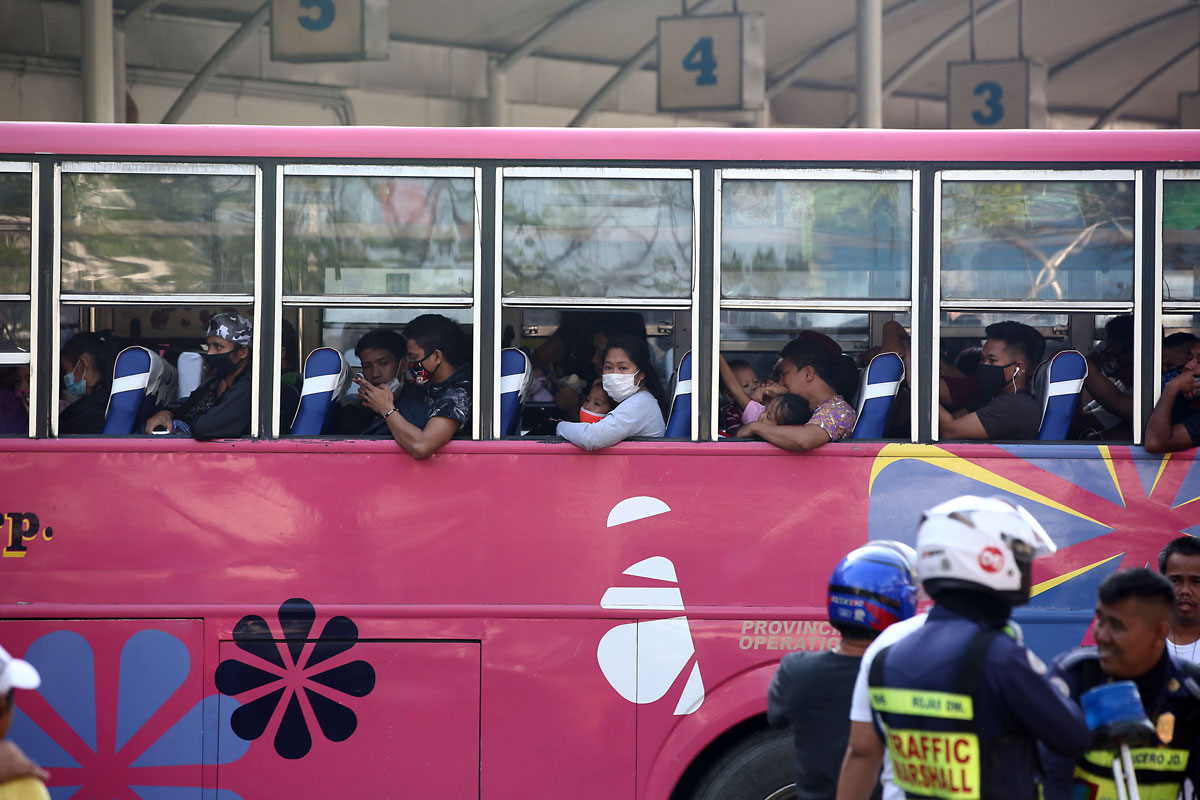
There are about 5,000 buses in Metro Manila and a total of 20,000 units nationwide.
Most, if not all, bus operators in Luzon have since halted operations.
Still, the fate of bus drivers amid the COVID-19 crisis is less uncertain than others in the road sector, since bus drivers are mostly regular employees of their companies.
3) Jeepneys/UV Express
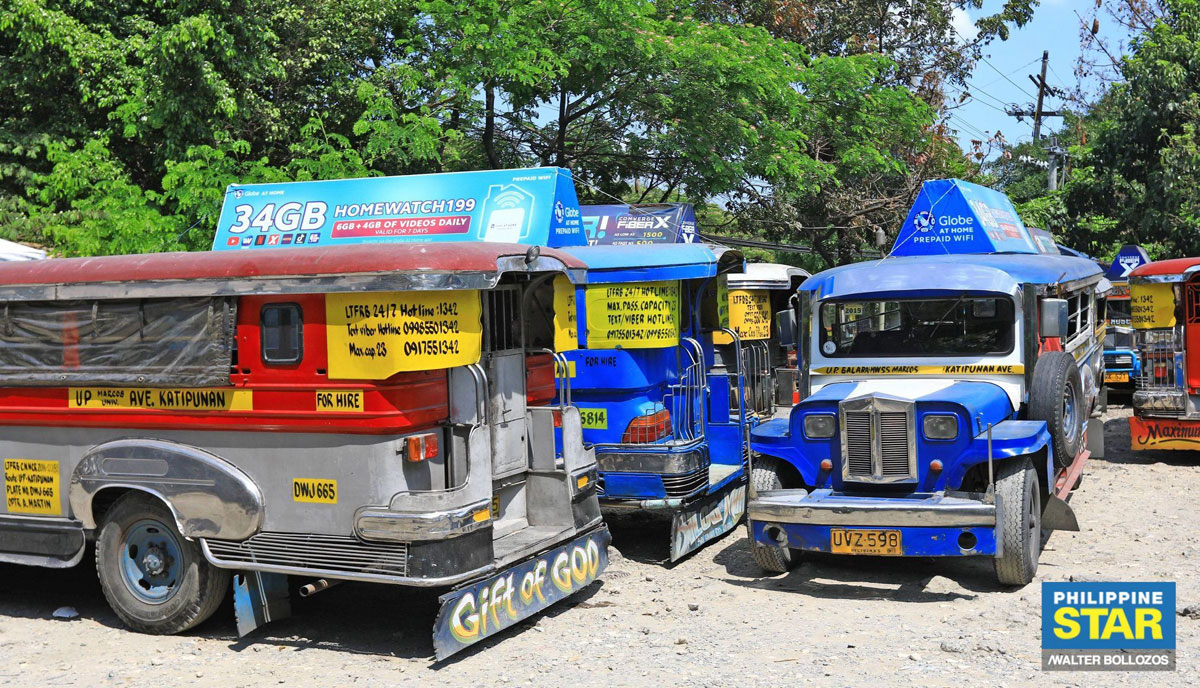
Jeepneys remain the “King of the Road,” the primary choice of transport for most commuters.
There are an estimated 250,000 public utility jeepneys in the country. About a fifth or around 55,000 units are in Metro Manila alone, according to a 2016 report from the Department of Transportation and Deutsche Gesellschaft für Internationale Zusammenarbeit (GIZ).
The Land Transportation Franchising and Regulatory Board said that the number of registered units was only around 170,000, but the figure will definitely be higher when those engaged in colorum or unregistered operations are counted.
The study found that jeepney ridership accounts for approximately 40 percent of all mass public utility vehicle trips in the country.
Jeepney drivers make around P500 to P700 daily, excluding their fuel expenses and boundary charges.
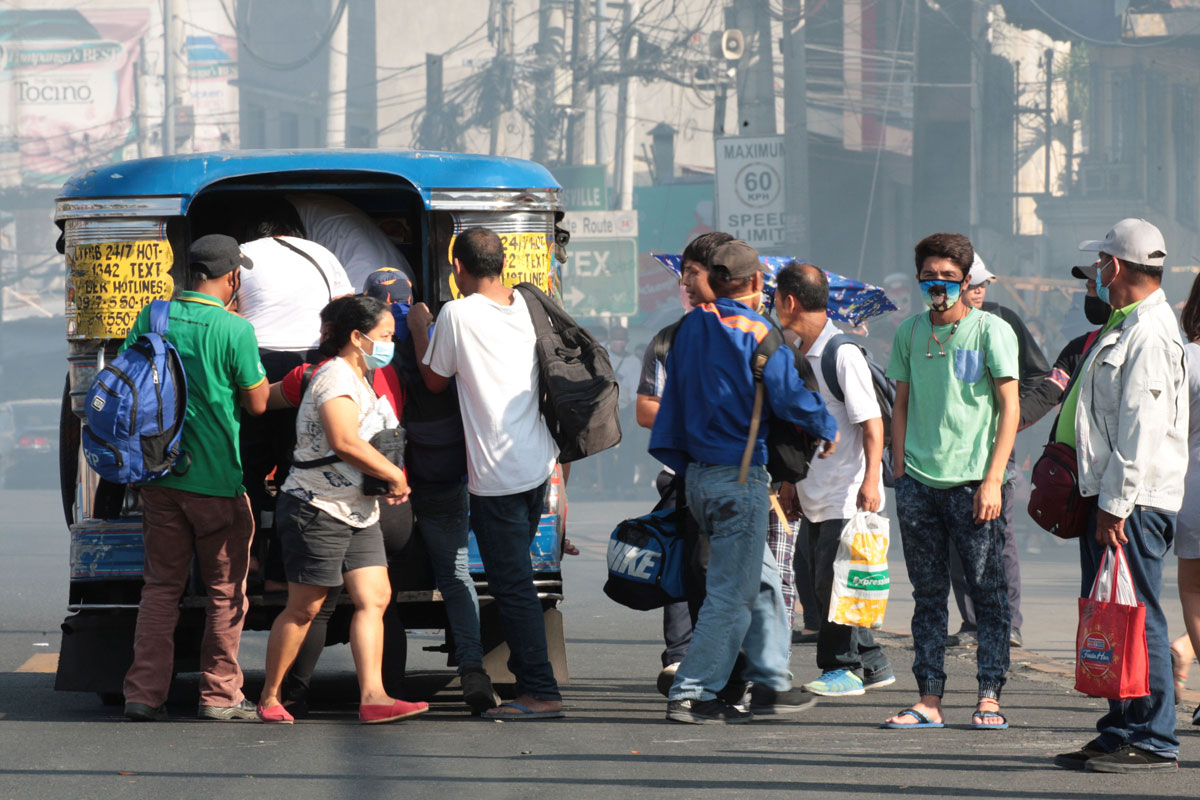
Meanwhile, there are about 18,000 UV Express Service units operating within or with routes entering Metro Manila that have also been grounded.
Units in the National Capital Region account for most of the UV Express units in the country, which some groups peg at around 26,000.
4) Tricycles
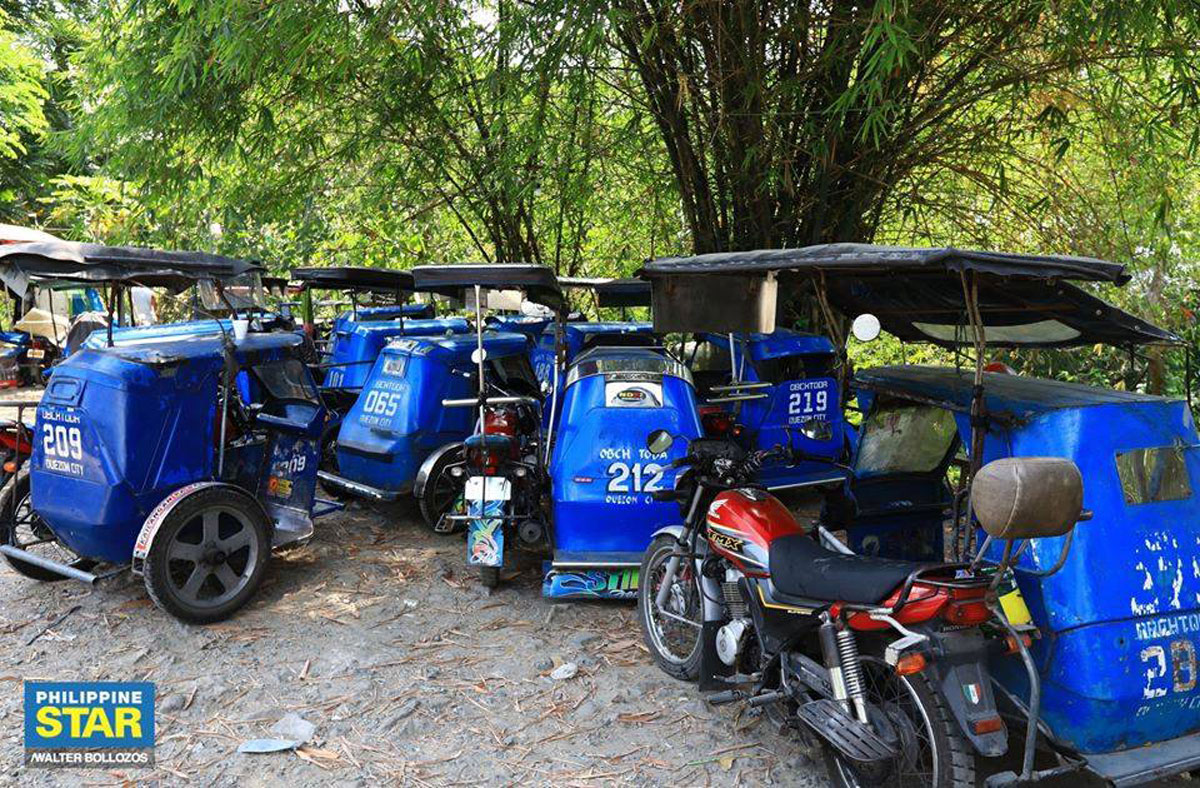
There are 1.7 million “registered” tricycle units in the country, with possibly hundreds of thousands more operating without franchises.
This is according to the National Confederation of Tricycles and Transport Operators and Drivers Associations of the Philippines.
In Metro Manila alone, there are about 300,000 registered tricycle units.
What to do?
Some local chief executives have tried to bring back tricycles during the quarantine, to alleviate the plight of drivers as well as serve health workers, but to no avail.
The cities of Pasig and Manila tried to deploy some public tricycles, but were called out by national government agencies.
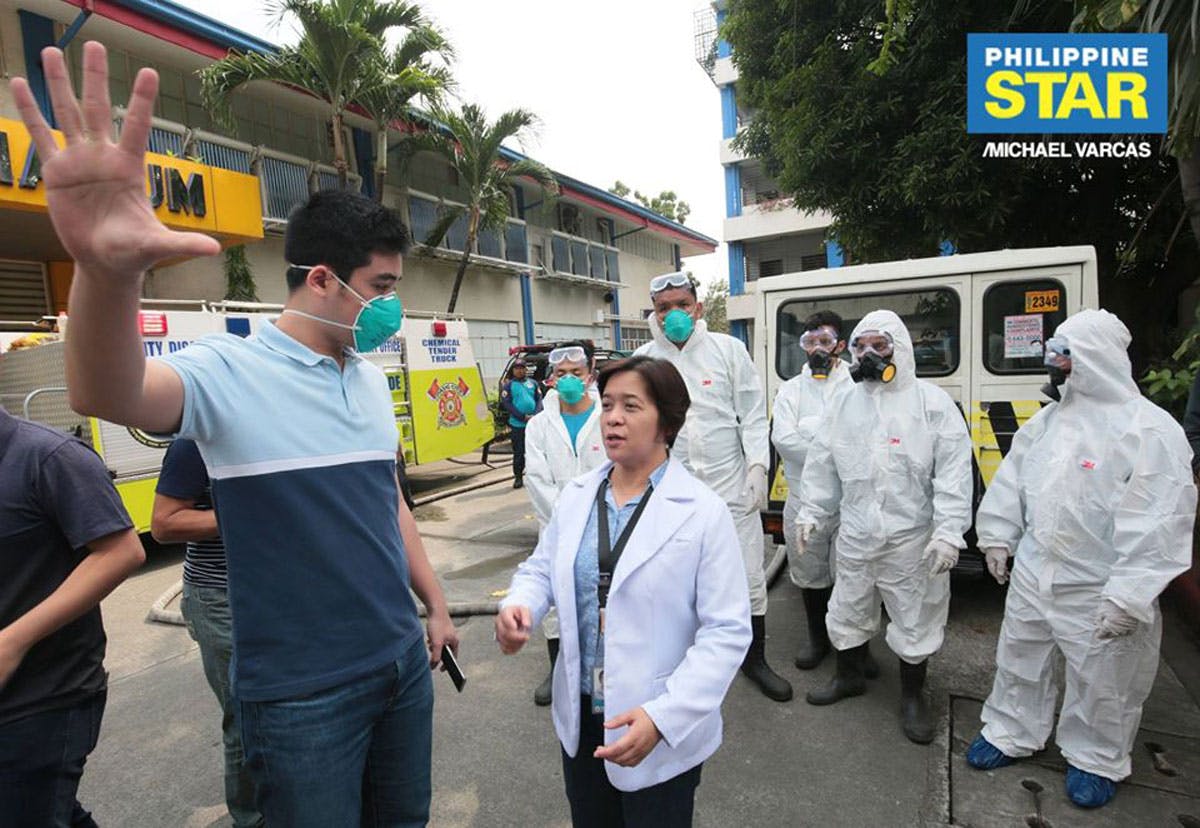
Pasig City Mayor Vico Sotto pleaded with the national government to allow the tricycles to transport health workers and other frontliners serving under the enhanced community quarantine. He made the appeal as the tricycles carrying essential workers were flagged and issued traffic violation receipts.
DOLE Secretary Silvestre Bello III and other labor officials, however, said the use of tricycles would defeat the purpose of social distancing and thus they should not be allowed to ferry even those exempted from the enhanced community quarantine.
Bello repeated that tricycle drivers could be temporarily employed as cleaners who would disinfect various areas to contain the spread of COVID-19.
Cabinet Secretary Karlo Nograles also rejected the appeal of Sotto, saying social distancing is hard to enforce inside tricycles.
Malacañang has told mayors that they should not go against the guidelines set by the national government or they would face sanctions.
“Let’s all stick to the common ground rules,” Nograles said.
Interior and Local Government Secretary Eduardo Año echoed the statements of Nograles, telling The Philippine STAR in an interview that “allowing tricycles to operate is a foolish thing to do.”
Año clarified he is not mad at Sotto but said local government officials should follow established protocols to ensure that the quarantine will be successful.
Año said he could not grant Sotto’s request because doing so would defeat the purpose of the quarantine which would protect residents from COVID-19 by forcing them to stay at their homes.
“The key of a lockdown is suspending all public transportation. If you allow one, you cannot guard anymore people from roaming around,” he said.
If they will allow tricycles to operate in Pasig, Año pointed out there is no stopping other mayors from making the same request. “We not have enough policemen to check tricycles,” he said.
Año urged Sotto to look for other solutions such as requesting for additional vehicles from government agencies such as the DOTr, Armed Forces of the Philippines and Philippine National Police.
While the lockdown took effect on Tuesday, the national government has just barely begun discussions on amelioration packages for the displaced drivers.
Land Transportation Office head Edgar Galvante said officials are discussing the guidelines under the enhanced community quarantine. Galvante said they are considering financial assistance similar to the Pantawid Pasada program.
The continuation of the Pantawid Pasada, he said, would be useless for jeepney drivers as it is a form of fuel subsidy.
For its part, the LTFRB said it is providing the list of drivers to other agencies for a possible amelioration package.
This tedious coordination needed among different national government agencies is hindering any assistance for drivers.
It is still unclear which agency should handle it, and the funding source for any assistance has yet to be identified.
With several weeks still to go in the enhanced community quarantine, drivers face uncertainty both in terms of their health and in their livelihood. – With Emmanuel Tupas, Alexis Romero, Mayen Jaymalin


