



More Effective HIV Meds Now Available But Don’t Reach People Due To Fund Disruptions
“Science is moving fast, giving us more powerful HIV prevention and treatment tools. But these advances cannot save lives if they never reach the people who need them,” said International AIDS Society president Beatriz Grinsztejn
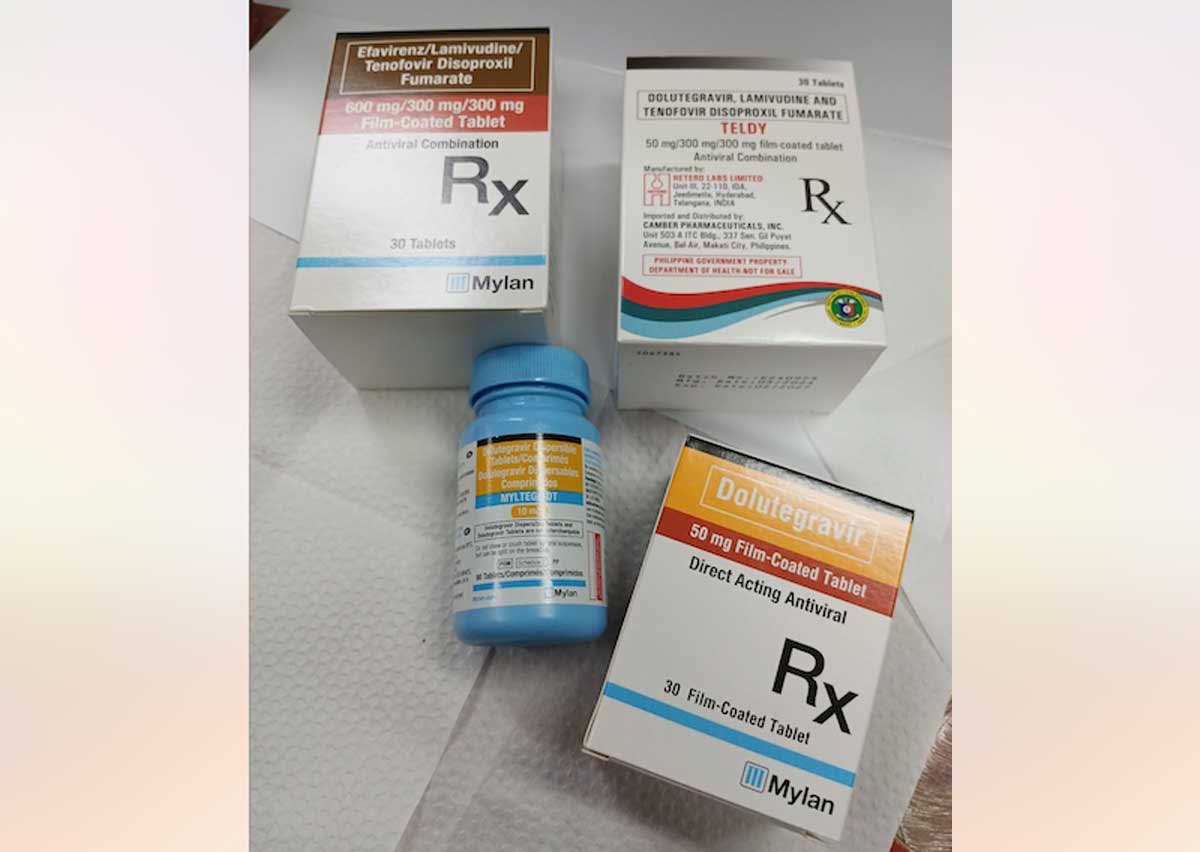
There are now more powerful, long-acting prevention and treatment medicines against the human immunodeficiency virus (HIV) available worldwide, but they do not reach the intended persons because of disruptions in financial assistance, an international group said.
The International AIDS Society (IAS), the largest global organization of scientists, researchers and advocates of prevention and treatment of HIV and AIDS (Acquired Immune Deficiency Syndrome), said the funding freeze starting in 2025 has serious and far-reaching consequences.
“Science is moving fast, giving us more powerful HIV prevention and treatment tools. But these advances cannot save lives if they never reach the people who need them,” said IAS president Beatriz Grinsztejn in a recent media briefing.
“That requires robust, stable financing and steadfast political commitment,” said Grinsztein, who spoke before the media ahead of the 2026 International AIDS Conference (AIDS 2026) in Rio de Janeiro, Brazil on July 26 to 31, 2026, which she co-chairs.
It is the world’s largest conference on HIV and AIDS that brings together scientists, policy makers, healthcare professionals and people living with HIV.
The ongoing AIDS 2026 will feature presentations demonstrating the real-world impact of the fund disruptions that includes a survey of 166 implementing partners in 46 countries.
There will also be presentations on the results of ongoing studies on HIV treatment and HIV among adolescents.
Need for political commitment to health
In 2025, the phaseout of the US Agency for International Development (USAID) by the administration of US President Donald Trump caused the disruption in the funding assistance by the President’s Emergency Plan for AIDS Relief (PEPFAR), the US global HIV program that has invested over 100 billion US dollars in global HIV assistance since 2003.
The PEPFAR fund stoppage has since affected HIV and AIDS relief programs in many countries including the Philippines, as organizations doing prevention and treatment experienced interrupted services, health and community activities, closure of facilities and staff reduction.
But the Philippines continued its collaboration in HIV prevention and treatment with the US Department of State, which maintained the functions of the USAID.
Last June, the Department of Health (DOH) announced its acceptance of the US donation of 15,000 doses of the long-acting injectable pre-exposure prophylaxis (PrEP) drug Lenacapavir (LEN).
A PrEP is a medication in the form of oral pills or injections taken by individuals who do not have HIV to prevent HIV transmission before their exposure.
In 2025, the US Food and Drug Administration approved LEN as a PrEP after lengthy trials, with a 96 percent efficacy rate after being administered as an injection twice a year.
The DOH said LEN will be distributed for free at selected DOH-accredited treatment hubs, community-based clinics and health centers.
In persons living with HIV, the virus attacks the immune system, disabling the body to fight infections. AIDS is the most severe phase of the infection.
Transmission occurs through unprotected sex without PrEP and the use of condoms, sharing of contaminated needles among persons who inject drugs, blood transfusion, and mother-to-child transmission during pregnancy and delivery.
Reality check: PH fastest HIV transmission rate
The Joint United Nations Programme on HIV and AIDS (UNAIDS) has singled out the Philippines for having the fastest-growing HIV epidemic in the Asia Pacific region, with a tenfold increase in yearly new infections from 2010 to 2020.
In its quarterly report for March 2026, the DOH Epidemiology Bureau recorded 4,633 newly diagnosed HIV cases, equivalent to an average of 51 new cases per day.
Since 2021, the number of newly diagnosed HIV cases each month has consistently increased. In 2021, the average monthly cases recorded were 1,027, which increased by 21 percent to 1,244 in 2022.
The upward trend continued in 2023, with an additional 15 percent increase, with a notable rise in 2025, when the average monthly diagnoses reached 1,647, reflecting a 13 percent increase from the previous year.
Starting in 2011, the DOH noted that males have consistently dominated the cumulative number of newly diagnosed cases at 94 percent.
By age group, young people 15 to 24 years old and adults aged 25 to 34 were the largest group at a combined 79 percent.
Starting in 2006, cases became younger as the predominant age group shifted to the 25 to 34.
As of 2025, the number of cases among 15 to 24 years old has reached 30 percent of the total number.
A worrying finding is that the highest rise in the past five years occurred among the below 15 age group at +111 percent, followed by the 15 to 24 age group at +85 percent.
By region, Metro Manila recorded the highest number of cases with 989, representing 21 percent of the total, followed by Calabarzon, Central Luzon, Soccsksargen and Davao.


