



Thinning Hair: Why Does It Happen And What Are The Possible Treatments?
Studies say that more than 50% of women experience hair loss.
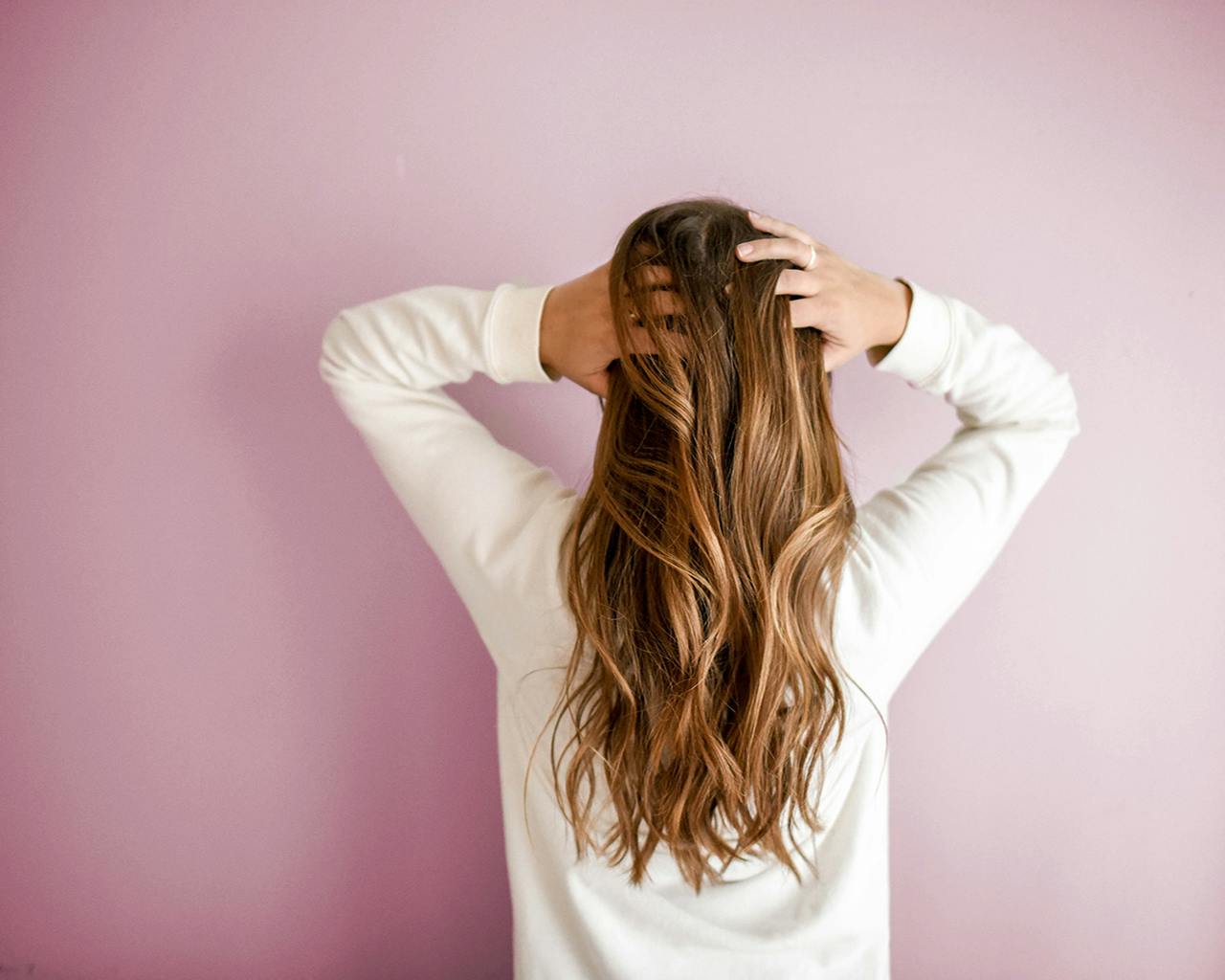
As we age, a lot of changes happen in our bodies, especially with our skin and hair. We get wrinkles, eye bags, acne, and hair fall, the last one being especially alarming.
Even though studies say that more than 50% of women experience hair loss, it is still something we want to prevent as much as we can. However, we must first understand why it happens in the first place. Read on to find out!
Why do we experience hair loss?
If you’re losing a bit of hair, don’t think that there is something wrong with your body. According to the American Academy of Dermatologists, losing about 50 to 100 hair stands a day is considered normal, and would hardly make a noticeable change in your appearance since we have around 100,000 follicles on our scalp. However, losing about 200 hair strands or more a day can be a cause for concern.
We experience hair fall because of several factors, and according to dermatologist Dr. Ma. Rica Silva-Mallari, pattern hair loss is one of them. “If you don't do anything about it now, it will continue," she says.
Pattern hair loss, or androgenetic alopecia, is the main type of hair loss among men and women. For men, the hairline recedes and forms an “M” shape, while women experience gradual thinning of the hair’s parting line, followed by hair loss from the top of the head. However, women rarely experience baldness or receding hairline.
If you just gave birth or are at menopausal stage, you may also experience hair loss. Hormonal changes that happen during pregnancy, childbirth, menopause, and thyroid problems contribute to the thinning of hair.
Hair fall is also greatly affected by our diet. In fact, researchers found that nutrient deficiency can cause hair loss. Aside from these, a 2017 study confirms that stress exposure also affects hair growth. “The study concludes that in humans, naturalistic stress, as perceived during participation in a major medical exam, has the potential to shift the immune response to TH1 and transiently hamper hair growth.”
Board-certified dermatologist Dr. Claudine Yap-Silva suggests seeking your doctor’s advice as early as you can. “For androgenetic alopecia or pattern hair loss, the earlier you start, the better your treatment outcome will be.”
What are possible treatments and remedies?
A balanced diet and nutrition
Dr. Silva-Mallari recommends eating a healthy diet, as weight loss diets might lead to shedding. If you have certain nutrition deficiencies, taking vitamin B, zinc, and iron supplements can also help prevent hair loss.
Be gentle with your hair.
An article by the Mayo Clinic states that harsh treatments such as curling irons, rollers, and chemical procedures can cause hair thinning. Limit these procedures and use a detangler when brushing and combing.
Oral and topical medication
Dr. Yap-Silva says that medications depend on the type of hair loss you have. For androgenetic alopecia and alopecia areata, topical and oral medications encourage healing. “Of course, if it is caused by other systemic disorders like thyroid disease, lupus, hormonal imbalance, then of course that has to be treated for your hair loss to get better,” she says.
Surgical procedures
In some cases, oral and topical medications are not enough to treat hair loss. When this happens, you can opt for surgical procedures.
According to hair transplant surgeon Dr. Romeo Bato, “The only treatment that we are doing now is hair transplant. No other surgical procedure is acceptable to most patients now. Before, we used to do scalp reductions, scalp flaps, but these are disforming surgeries.”
What are the side effects of these medications and procedures?
Common side effects of hair treatment medications include skin irritation, dandruff, and itchy scalp. They can also cause a decrease in libido and other sexual problems.
Aside from being a more expensive approach, hair transplants may also cause side effects that you need to look out for, such as infections, itching and swelling, bleeding, and inflammation.
It is always best to seek medical advice to ensure that you are diagnosed with the correct type of hair loss, and are under a treatment plan that suits you, your budget, and your lifestyle.
Where can I get myself checked?
Here are hair restoration clinics in the Philippines where you can book a consultation!
Svenson Philippines
Contact Svenson Philippines on Instagram, Facebook, or visit their website.
RVB Cosmetic Surgery and Skincare Center
Contact RVB Surgery and Skincare Center on Instagram or visit their website.
Asian Hair Restoration Center
Contact Asian Hair Restoration Center on Facebook or visit their website.


