



Study: Gender Stereotypes Still Prevalent In Phl Workplaces, But…
Randee Cabaces, Oxfam Pilipinas monitoring, evaluation, learning, and social accountability manager, noted the findings of the study “still point to the presence of discrimination against women.”
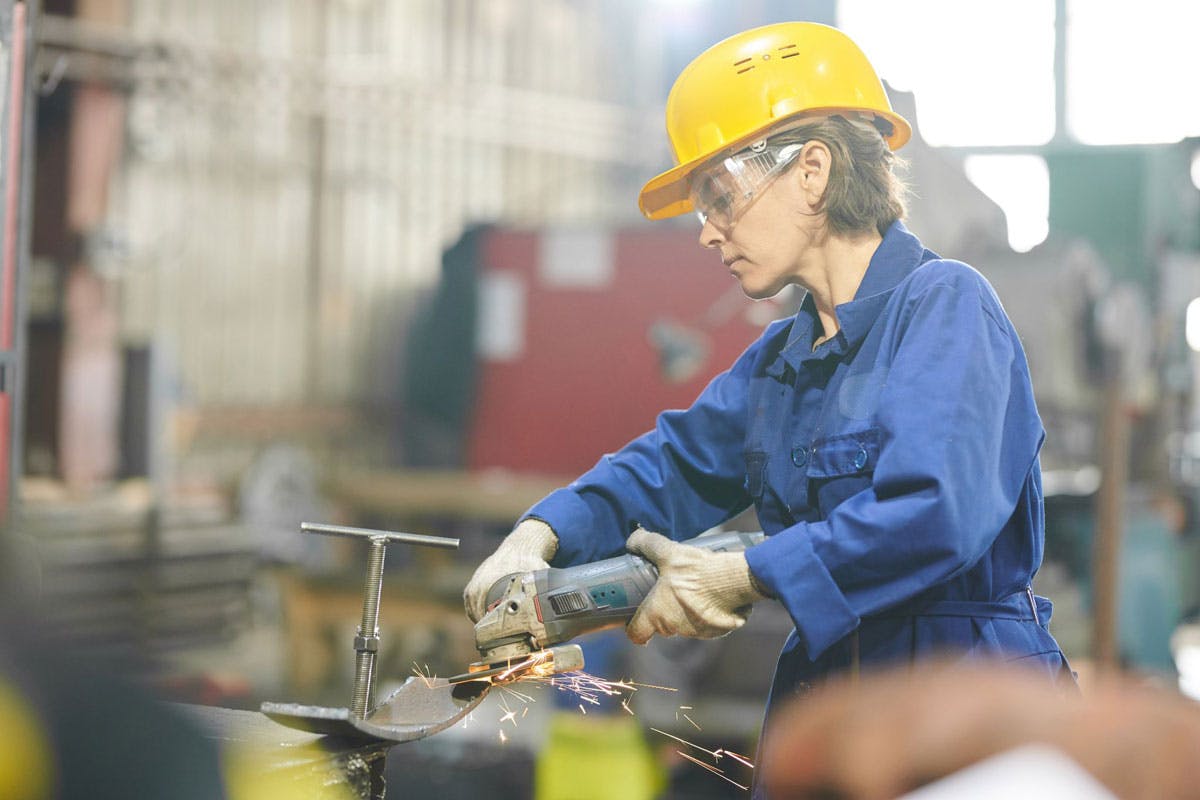
A new study showed that gender stereotyping still dominate in workplaces in the Philippines.
But the study – conducted by The Women and Gender Institute (WAGI) of Miriam College – also stated that although such stereotypes persist, there are efforts to change this as women take on more breadwinner roles.
The study – released on Tuesday, March 29 coinciding with International Women’s Month, was titled “Addressing Gender Norms on Unpaid Care, Domestic Work and Breadwinning in the time of COVID-19” and was commissioned by Oxfam Pilipinas in partnership with Investing in Women, which is an initiative of the Australian government.
Out of the 232 respondents who participated in the study, most of the respondents – 81 percent of males and 85 percent of females – agreed to the statement that “in most households I know, women take more for childcare responsibility than men.”
Fifty percent or 115 of the 232 respondents agreed that there are some work roles better suited for men and women alike. Meanwhile, 46 percent or 107 respondents disagreed – with more women respondents voicing their disapproval rather than men.
Asked about this notion, a number of participants said women are more suited to play marketing-centered roles, while men are better when it comes to jobs requiring physical strength such as construction and technical skills like engineering.
Participants also said there are jobs that need “feminine touch.”
The study likewise found that women need to prove themselves in the workplace when given jobs that are typically for men in order to be qualified for promotion, and that they must secure approval from their partners when seeking jobs in male-dominated teams.
However, the study noted positive shifts. For instance, 55 percent of respondents believe that childcare should not solely be a woman’s responsibility. Interestingly, of this number, 63 percent of the male participants voiced opposition to this notion, compared to 52 percent of female respondents.
When it comes to family income, 63 percent of respondents do not agree that it should solely be a man’s responsibility to be the breadwinner. Of this number, 70 percent of females disagreed with this notion, compared to 57 percent of male respondents.
The study chose 232 millennials as respondents, or those born between 1981 to 1996 who are working in the BPO industry. Majority of the respondents (or 78 percent) are from Metro Manila, 15 percent are from Metro Cebu and the rest are from other parts of the country.
“The BPO sector was the focus for this research because they have been dubbed as the female-friendly workhorse by the global industry where 71 percent of its total workforce are women,” Maria Theresa Niña Espinola, Oxfam Pilipinas senior manager for programs and partnerships, explained during a forum held as the study was released.
“Thus, this study also seeks to promote an evidence-based campaign to kickstart discussion with key decision makers in the workplace, with the national policy makers towards breaking gender norms affecting care work in the light and aspiration of creating a just, gender-fair and equal work,” she said.
Meanwhile, Randee Cabaces, Oxfam Pilipinas monitoring, evaluation, learning, and social accountability manager, noted the findings of the study “still point to the presence of discrimination against women.”
“That’s why in our call to action, one of our key action points is really to promote a review of the job descriptions that we have currently and to find ways to achieve gender equality in terms of hiring in the BPO sector, and provide more opportunities for women to be promoted or to advance to leadership roles,” he said.