Scramble To Contain nCoV: Phl Joins Countries Banning Travelers From China
Executive Secretary Salvador Medialdea said the travel ban covers all persons, except Filipino citizens and holders of permanent resident visas issued by government, coming directly from China and its special administrative regions.
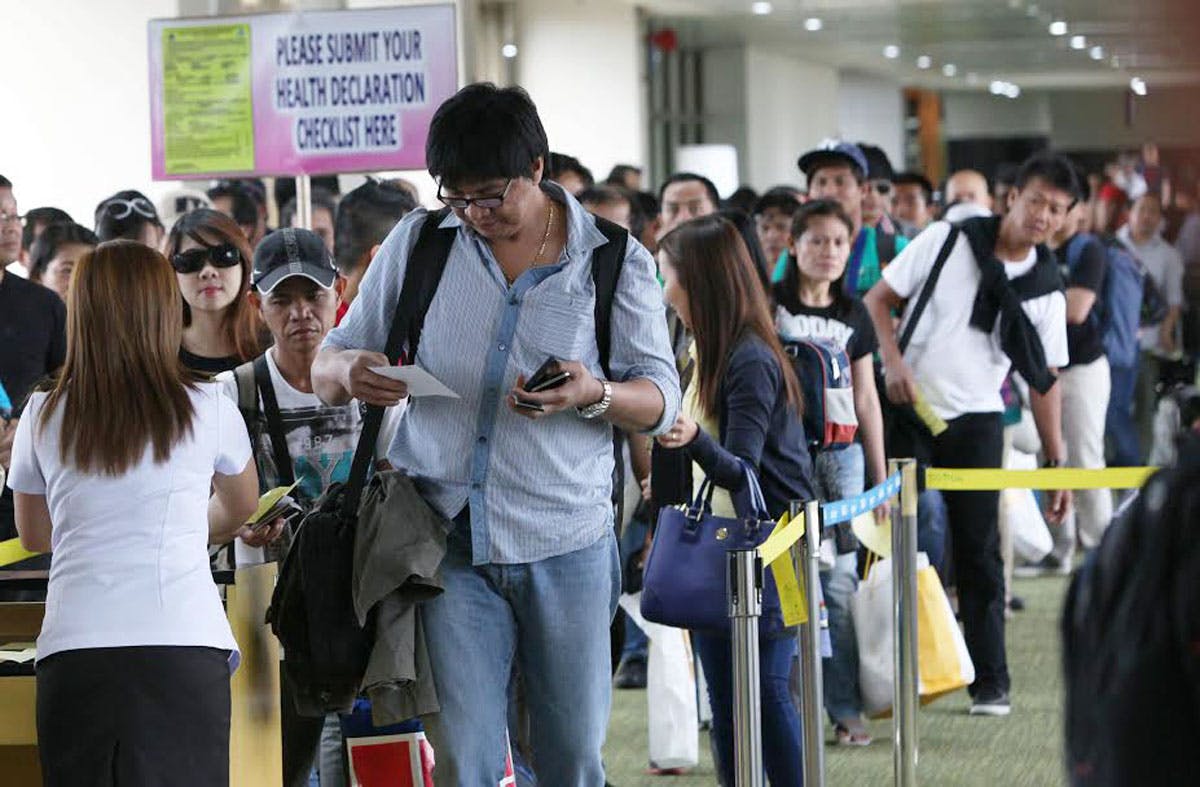
With the country recording its first fatality from the novel coronavirus acute respiratory disease (2019-nCoV ARD), the government yesterday banned all foreign travelers from the Chinese mainland, Macau and Hong Kong from entering the Philippines.
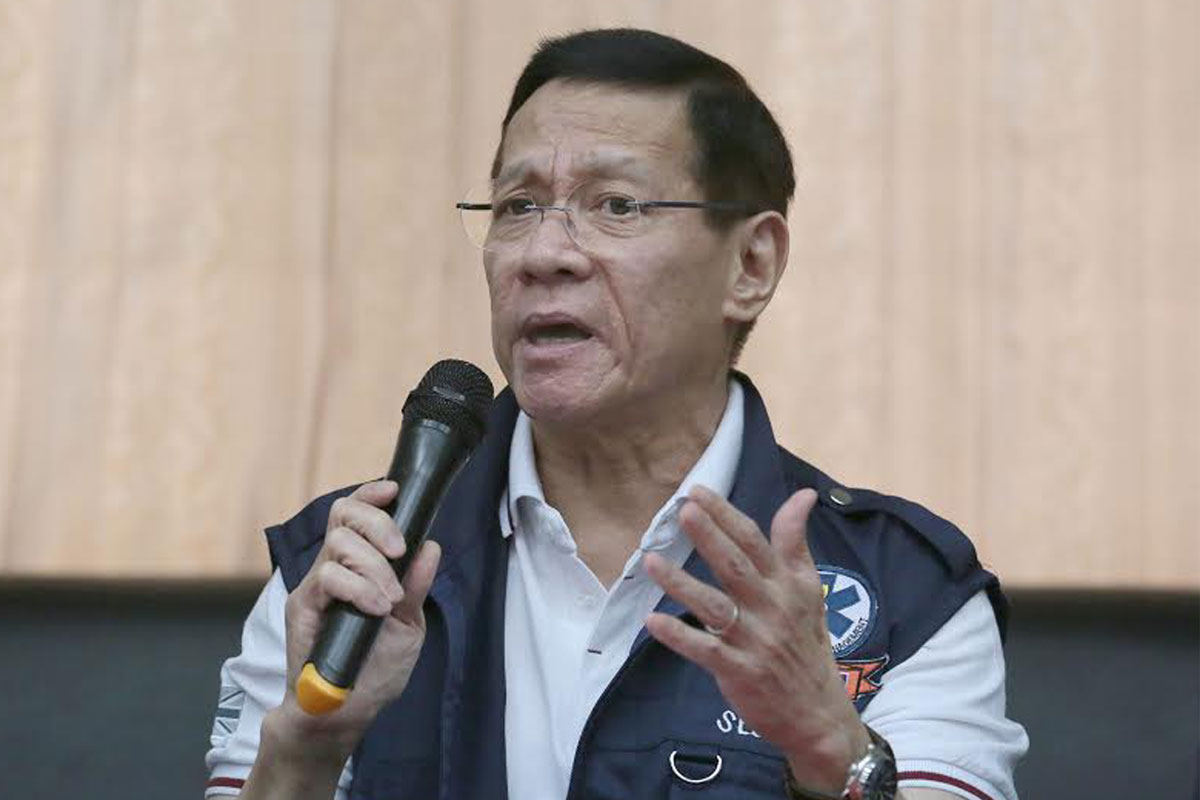
“We are continuously recalibrating our plans and efforts as the situation develops,” Department of Health (DOH) Secretary Francisco Duque III said in a press briefing in Quezon City yesterday as he announced the death of a Chinese traveler who was infected with the new virus.
Duque asked the public to heed health advisories and refrain from sharing unverified information concerning the coronavirus.
“Currently, there are no reports of community spread of the virus within the country. However, the public is still reminded to practice prevention measures such as proper hand hygiene and observance of cough etiquette,” Duque said.
Executive Secretary Salvador Medialdea said the travel ban would cover all persons, except Filipino citizens and holders of permanent resident visas issued by the Philippine government, coming directly from China and its special administrative regions.
The government has also banned the entry of persons who have been to China and its special administrative regions within 14 days before their arrival in the Philippines. Filipino citizens and holders of Philippine government-issued permanent resident visas are also not covered by the ban.
Medialdea said the travel ban was recommended to President Duterte by the Inter-agency Task Force for the Management of Emerging Infectious Diseases on Jan. 31, immediately after the World Health Organization (WHO) declared the 2019-nCoV ARD a global emergency.
“The task force was also given the authority, if necessary, to ban the entry of travelers from other areas with confirmed widespread 2019-nCOV ARD,” Medialdea said in a statement.
The previous travel ban announced by the government on Friday covered only Chinese nationals coming from Hubei province where the virus originated and other places in China affected by the disease.
Duterte has also approved the implementation of other measures recommended by the task force including a mandatory 14-day quarantine for Filipinos and permanent resident visa holders coming from any place in China and its special administrative regions; a temporary travel ban to China and its special administrative regions, and the establishment of a repatriation and quarantine facility.
Medialdea said Duterte would preside over the next meeting of the task force today.
All heads of departments, agencies, offices and instrumentalities of the government, state-run corporations and financial institutions, state universities and colleges, and local governments were directed to adopt and implement the measures and other guidelines to be issued by the task force.
“The AFP (Armed Forces of the Philippines), PNP (Philippine National Police) and law enforcement agencies are all on standby and have been directed to give the necessary assistance to ensure the implementation of this directive to ensure the safety and well-being of everyone,” Medialdea said.
Presidential spokesman Salvador Panelo said the directives issued by Duterte and the protocols to be implemented would be in place “until the danger of the dreaded disease has ceased.”
“We reiterate the advice of the DOH to the public to observe strictly the measures undertaken on personal hygiene, like regularly washing the hands and wearing surgical masks when going around crowded areas when one has coughs and colds or has a fever,” Panelo said.
Presidential Communications Secretary Martin Andanar said the public need not panic because the government is working to ensure people’s safety and contain the spread of the virus.
“We again call on the public to cooperate with the government, follow the procedures put in place, and to remain calm and rational,” he said.
Virtual wall
Sen. Christopher “Bong” Go first made the announcement about the travel ban.
“Taking into consideration the concerns raised by key government officials and health experts, the President made an informed decision and has agreed to adopt this recommendation and implement it immediately as additional precautionary measure to protect Filipinos and everyone in the Philippines,” Go said in a statement.
“I wish to emphasize that we are not singling out Chinese nationals. This order covers all travelers from China to the Philippines, regardless of nationality,” he added. “We empathize with China given what they are going through but we are doing this to protect the country and its people.”
Earlier, Cebu Pacific decided to cancel all flights between the Philippines and mainland China from Feb. 2 to March 29, although the number of flights to and from Hong Kong and Macau was merely reduced. The airline said passengers could rebook the flight, refund the ticket, or reserve the value in a travel fund for future use.
Flag carrier Philippine Airlines said it had reduced the flights to China by 50 percent starting Feb. 1.
Some senators were not contented with a limited travel ban. Senate President Vicente Sotto III on Friday said should nCoV spread, the ban should be extended to other countries as well.
Senate President Pro Tempore Ralph Recto said banning visitors from any part of China would be “an assertion of national wellbeing.” Sen. Aquilino Pimentel III, chairman of the foreign relations committee, said “there is nothing to lose” with imposing a travel ban as a measure of vigilance.
The Duterte administration was initially hesitant to impose a travel ban. Some quarters believe this was out of fear of offending a country that the President has courted to the point of putting Philippine maritime claims in the South China Sea on the backburner.
On Wednesday last week, Duque expressed belief that the travel ban might be seen as unfair even as calls mounted for the government to stop all travelers from China from coming into the country regardless of their nationalities.
“If we do this, then the concerned country, China in this case, might question why we’re not doing the same for all other countries that have reported cases of the new coronavirus. It’s very tricky… but we commit to take this into consideration,” Duque said during a question hour at the House of Representatives.
What the Philippines initially did was to suspend all flights from Wuhan City on Jan. 23, amid public outcry over reports that tourists from China continued to arrive in Boracay. At the time, the Civil Aviation Authority of the Philippines said it would strictly monitor flights from other parts of China. This was a week before it was reported that the virus had spread to all regions in China.
Even as tourists carrying the virus were now confirmed to have entered the country, Panelo denied that the government had been “relaxed” and insisted that “all protocols are now operational.”
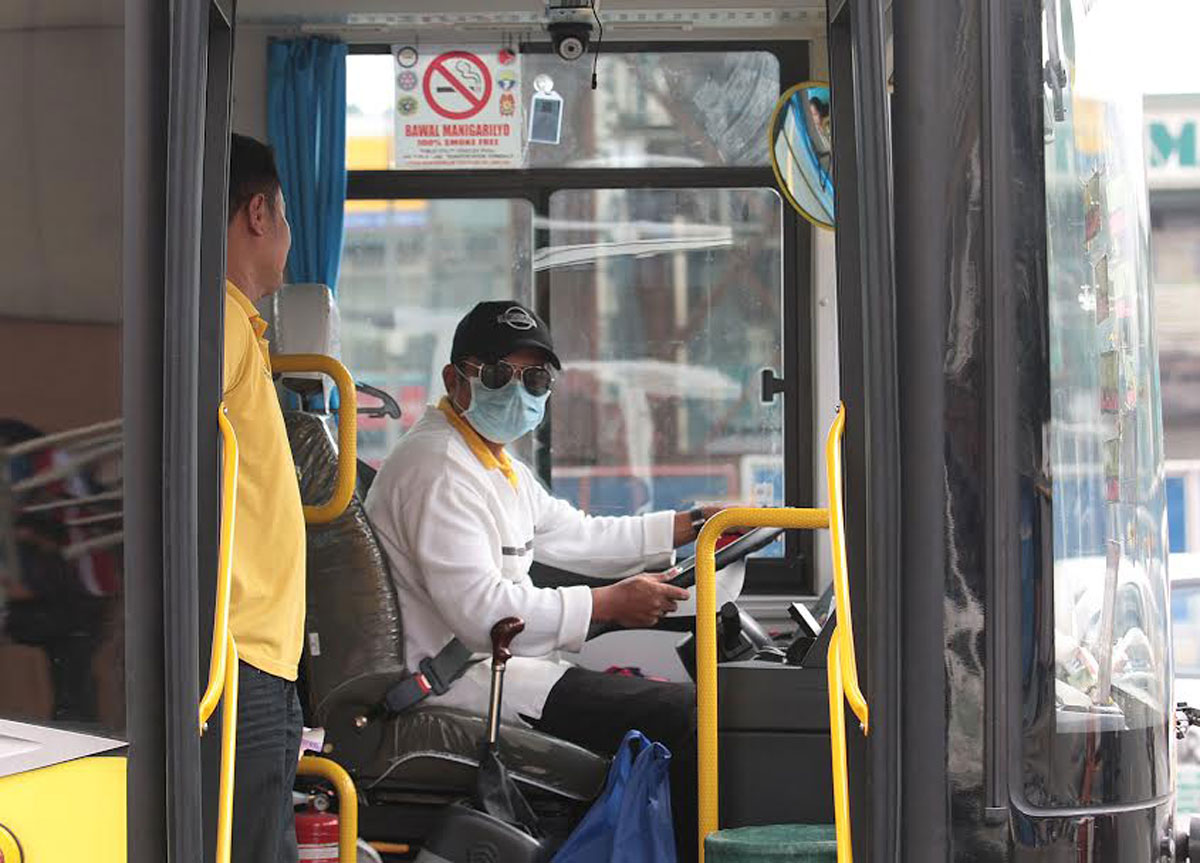
Prior to the travel ban, the Land Transportation Franchising and Regulatory Board ordered public utility vehicle drivers and conductors to wear face masks, and required terminal operators to provide hand sanitizer dispensers to passengers. The Department of Labor and Employment issued guidelines for employers to maintain a clean workplace and monitor the health of workers.
Vice President Leni Robredo, however, said the government could have taken action earlier in order not to cause so much alarm among Filipinos. Sen. Francis Pangilinan, president of the opposition Liberal Party, said the travel ban was still “better late than never,” since now, “we can effectively focus our efforts on tracking all those who are suspected of being carriers and work on quarantine and isolation.”
Go said his committee would conduct an inquiry, tentatively set this Tuesday, into the government’s response to the health crisis.
The United States’ decision to deny entry by foreign nationals who had been to mainland China for the past 14 days had ticked off Beijing.
“Just as the WHO recommended against travel restrictions, the United States rushed to go in the opposite way. Certainly it’s not a gesture of goodwill,” Foreign Ministry spokeswoman Hua Chunying said on Friday, according to Communist Party of China organ China Daily.
The WHO Emergency Committee, in the latest statement issued on Thursday, said it “does not recommend any travel or trade restriction based on the current information available.”
“Travel restrictions can cause more harm than good by hindering info-sharing, medical supply chains and harming economies,” the Associated Press quoted WHO Secretary-General Tedros Adhanom Ghebreyesus as saying.
In Manila, WHO country representative Rabindra Abeyasinghe gave the same warning on Saturday about the implications of imposing travel bans.
Boston-based health news website Stat reported the warnings of health experts that the financial toll of travel bans could discourage countries from being transparent about future outbreaks.
Still, countries including Australia, Israel, Italy, New Zealand, Pakistan, Uzbekistan, Vietnam and other countries said they decided to restrict the entry of travelers from China. Major companies such as Apple and Facebook reportedly banned their employees from traveling as well, while some like Starbucks and McDonald’s went as far as closing their stores in China.
The Philippines’ moves followed those of Singapore, which initially limited its travel ban to Hubei province. It then became the first Southeast Asian country to ban all Chinese nationals and foreign visitors from China from entering the city-state. Singapore would also subject its residents who return from China to a 14-day quarantine. Unlike the Philippines, Singapore did not extend the restriction to Hong Kong.
Mongolia, Nepal and Russia closed their land borders, while Papua New Guinea went as far as banning anyone arriving from ports or airports across Asia.
Since emerging from the central Chinese city of Wuhan late last year, the nCoV has spread to 24 countries. – With AFP