



Rizal’s Whistleblower Woes Revealed At National Library
One of Jose Rizal’s letter, dated June 8, 1888, details the dangers he faced after the publication of “Noli Me Tangere.”
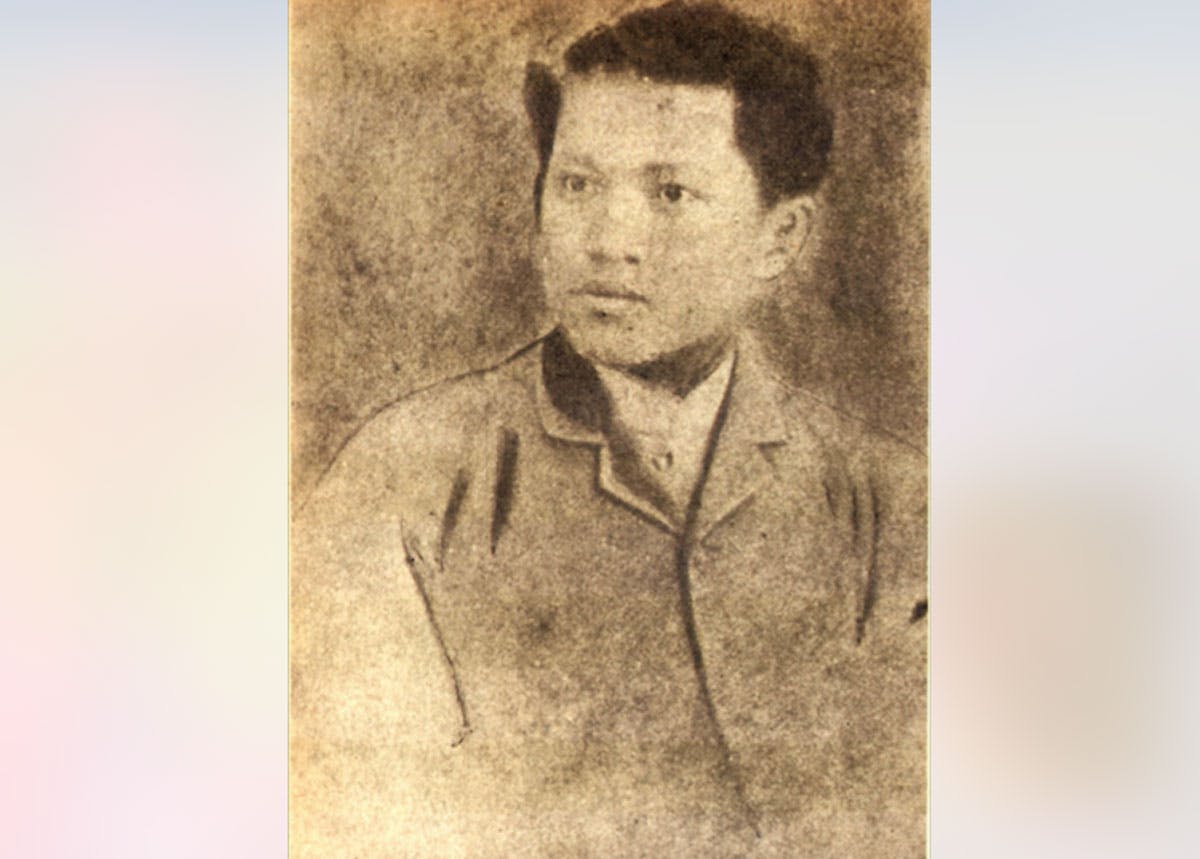
While the nation reels under the weight of successive corruption scandals, a new exhibit at the National Library of the Philippines features Jose Rizal’s woes as the first Filipino whistleblower – as well as his determination to prevail against all odds.
As the Philippines prepares to take the plum position of “Guest of Honor” at the Frankfurt Book Fair, a unique exhibition on the untold story of the “Noli Me Tangere” traces the arc of the book as the country’s very first Filipino political exposé on corruption – but also its dangers and triumphs for Jose Rizal.
Titled “From Calamba to Frankfurt : Jose Rizal and Germany,” it is part of the Manila launch conceptualized by Sen. Loren Legarda, the prime advocate of the Philippines’ strategic participation in the world’s largest and oldest publishing platform in the world. The “Noli” saw its completion and its first printing in Germany, highlighting its intertwined history with the Philippines.
Displayed alongside a priceless first edition of the “Noli Me Tangere” – dubbed “the Berlin edition” by collectors – and signed by Rizal are a series of letters written in the months after the “Noli” was published.
One letter, dated June 8, 1888, details the dangers Rizal faced after its publication. It reports on a lightning visit he made to the Philippines to operate on his mother’s eyes after months of training in the European capitals.
It talks not just about the constant threats of his arrest and excommunication while in Manila, but also his family’s fears of his assassination; so afraid were they that he would be poisoned that they refused to let him eat anywhere else but at home.
The banning of his book by the Spanish colonial government and the Catholic church, however, made the “Noli” an unexpected blockbuster and Rizal, the first Filipino best-selling author.
Rizal admits his enemies’ burning of the “Noli” made it even more scarce, while on the other hand, his friends were willing to pay any price to have it. As a result, he added wryly, the booksellers did a roaring trade, “selling the book for as much as 50 dollars or pesos” but he himself never saw a penny of profit. (The entire print run of the “Noli” cost P300).
Nevertheless, Rizal’s friends warned him he was lucky to have got out alive from the Philippines. He would not be deterred. Quoting the famous German poem “The Diver” by Schiller, of a young knight ordered by a mad king to return to the depths of the ocean – “where monsters and dragons buried their claws into him” – Rizal said he was nevertheless single-minded in his conviction to fight on against corruption. He even added that he had begun a second book, the “El Filibusterismo.” That book would be even more incendiary than his first.
The “Noli” and Rizal’s letters, drawings and other important ephemera form the core of the Pastor Karl Ullmer collection that was donated by his family to the Philippine government on the occasion of the Rizal Centennial in 1961. Jose Rizal lived in the pastor’s vicarage while studying eye treatments in the neighboring town of Heidelberg. Admission is free to see this trove and the exhibit runs till Oct. 17, 2025.


