Public Health Sector Not Attracting Enough Applicants Amid COVID-19 Pandemic – Duterte
The Department of Health has approved 8,553 slots for emergency hiring in 286 health facilities of the government. However, only less than half or 47 percent of the slots have been filled.
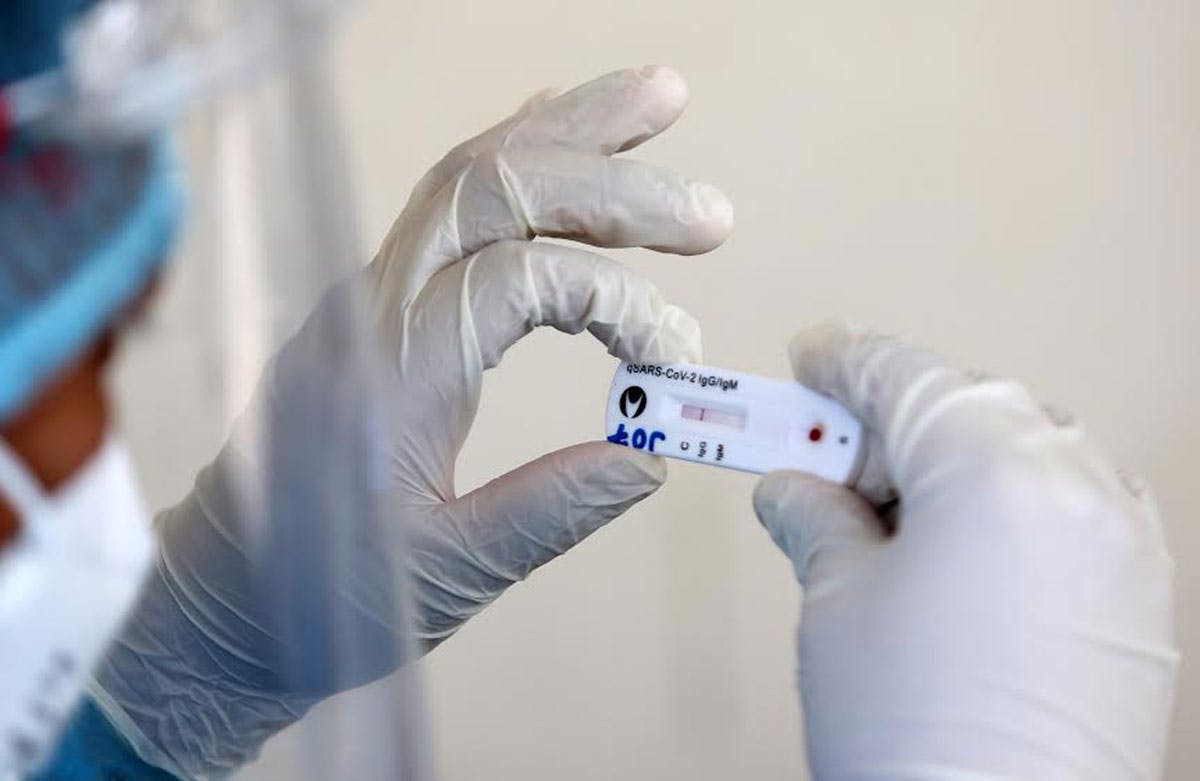
There aren’t enough takers for job opportunities in the public health sector at a time when the Philippines is battling the coronavirus disease 2019 (COVID-19) pandemic that is claiming the lives of thousands worldwide and plunging economies into recession.
In his 14th report to Congress on the government’s response to the pandemic, President Duterte said the Department of Health (DOH) has approved 8,553 slots for emergency hiring in 286 health facilities. However, only less than half or 47 percent of the slots have been filled.
“Of the 8,553 slots approved, 4,045 HRH (human resources for health)... have been hired,” Duterte reported on Monday, June 29.
According to the President, the DOH continues to temporarily redeploy nurses to hospitals handling COVID-19 cases as well as for specimen collection and swabbing activities.
“Public health associates have also been assigned to regional, provincial and municipal health units for contact tracing and surveillance activities,” Duterte said.
In his 13th report to Congress on the pandemic response, Duterte said the DOH had identified at least four “bottlenecks” in hiring health personnel.
One is the low uptake or no takers for some positions such as those for physicians. Another is that some applicants have private practice that they cannot give up.
Some applicants back out due to reasons including the distance of the facility from their residence, lack of reliable means of transportation, the lack of halfway houses or accommodation, concerns of their families on possible COVID transmission in the household, and poor perception on biosafety or lack of confidence in infection control protocols.
The fourth factor cited was that screening, as required by some testing facilities for applicants, had been delayed. Some facilities also prefer those with experience working in the health sector.
Addressing the hiring bottlenecks
The President said the DOH is undertaking measures to fast-track the emergency hiring for human resources. He said the evaluation of facility requests has been decentralized to the Centers for Health Development (CHD) for facilities not under the DOH including local government-run hospitals and private facilities.
Upon approval of requests, the health development centers and DOH hospitals are immediately notified to start and facilitate the recruitment, pre-engagement, orientation and training of applicants and the payroll process.
“The DOH central office constantly coordinates with CHDs, DOH hospitals, diagnostic laboratories and other health facilities to follow up on requests and actions taken and assess and resolve bottlenecks in hiring,” Duterte said in his 13th report to Congress.
The DOH, the President added, also uses various platforms like its website and social media accounts to call for applications.
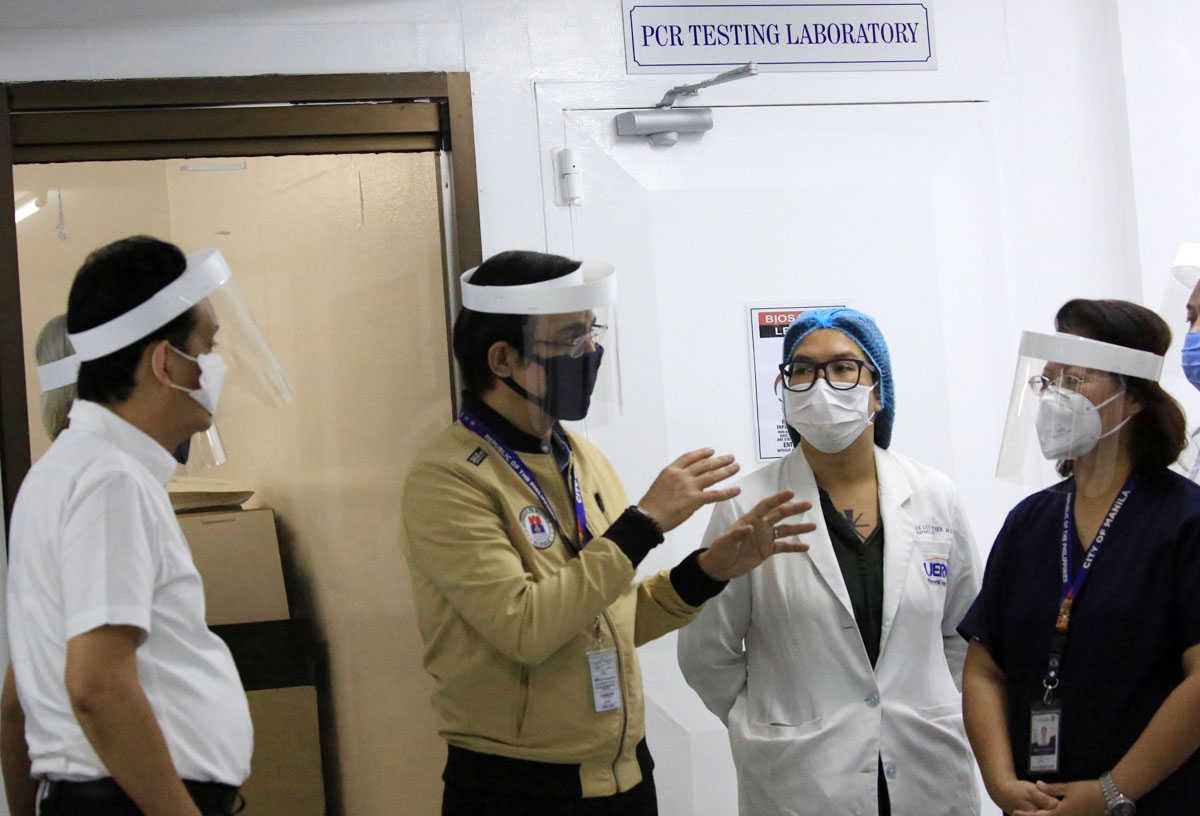
The “Bayanihan to Heal as One Act,” which gave Duterte emergency powers to combat COVID-19, allows the President to engage or hire temporary health workers to augment the country’s health workforce.
Last Tuesday, DOH Undersecretary Maria Rosario Vergeire said a total of 17,022 health workers have been deployed for pandemic response as of June 29. A majority of them or 7,329 serve as contact tracers or swabbers while 3,471 work as public health associates in regional, provincial and municipal epidemiology and surveillance units.
Vergeire said 4,521 of the workers are hired through the health emergency hiring program, 1,367 are redeployed under the nurse deployment projects, and 334 are post-residency deployed physicians.
She said the total funds allotted for health facilities’ emergency hiring is P851 million. The DOH is also processing the allotment of P457 million for other health facilities with approved health personnel slots for hiring.
Voluntary
On Tuesday, the DOH said the redeployment of some “Doctors to the Barrios” or DTTB to Cebu City would be on a voluntary basis due to strong opposition from the physicians.
Vergeire explained that the redeployment program for DTTB was initially made mandatory because “we are trying to exhaust our resources.”
“Many issues came out. When we had our meeting, it was decided to make it voluntary for now,” she said in a press briefing.
Vergeire said the deployment of more doctors to Cebu City was in response to its “cry for help” as the area is battling the rising cases of COVID-19.
“We had a talk with the doctors and many of them refused. It is quite disheartening because we are now in a public emergency and I hope the commitment of our government workers is there,” she said.
On Monday, the DTTB Batches 36 and 37 expressed opposition to the reassignment of doctors currently in Western Visayas and Central Visayas to Cebu City.
The doctors assailed the “abrupt exploitative order” of the DOH and said that putting them in private hospitals in Cebu City was unacceptable.
Vergeire said the DTTBs would be assigned in government hospitals and possibly private hospitals.
However, she assured the doctors that they would not be assigned in specialized units like operating rooms.
“We are still finalizing the units where they will be assigned. But of course we won’t assign them to do the operations... Possibly in the triage areas, in the outpatient department,” Vergeire said. – With Sheila Crisostomo