PopCom Pushes Raising Retirement Age, Jobs For Elderly
Commission on Population and Development executive director Juan Antonio Perez III said senior citizens must have employment opportunities since only 20 percent of them have a pension at present.
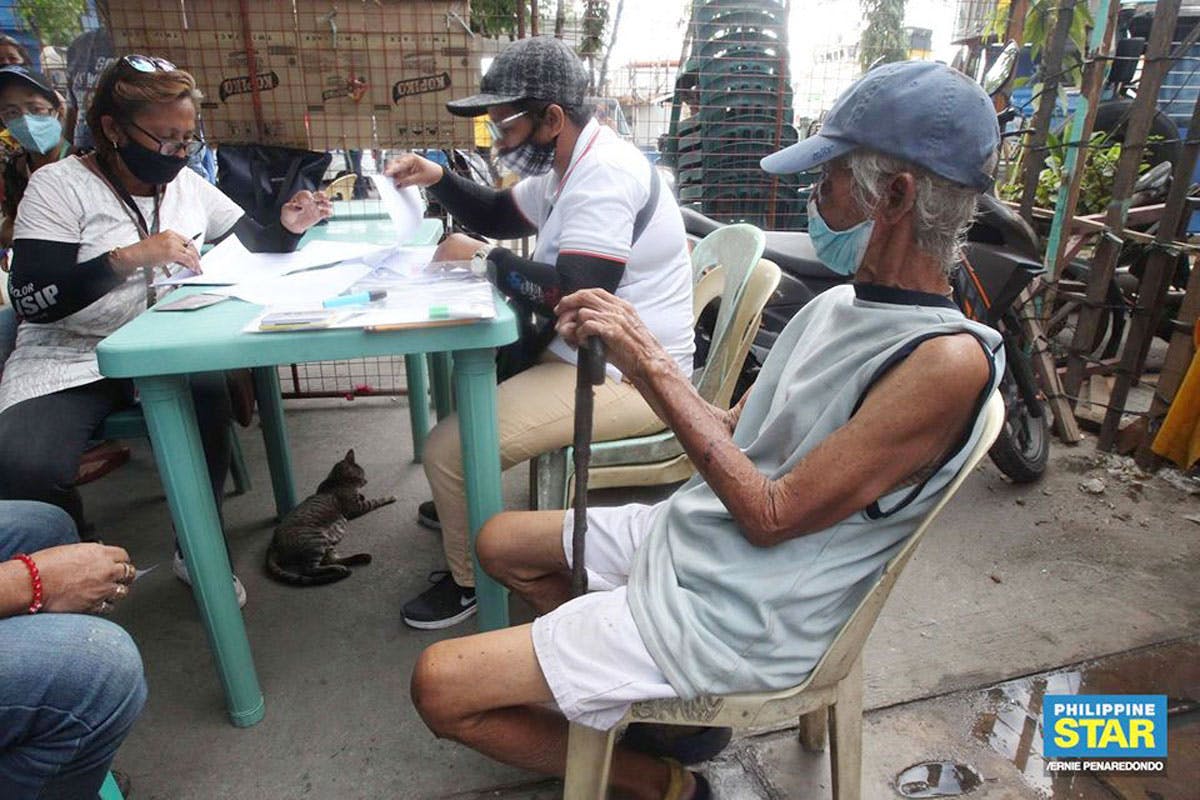
With the Philippine population now aging, the Commission on Population and Development (PopCom) sees the need to raise the retirement age and institute employment programs for the elderly.
Speaking at the “Laging Handa” public briefing on Wednesday, Aug. 17, PopCom executive director Juan Antonio Perez III stressed the need for the government to prepare for the graying of the population in the next decade.
“That is something the country has to decide: will we have institutions where they will be cared for or home-based care? And we also have to think about policies on employment of older persons. And also, do we need to bring up the retirement age… something that can be discussed in Congress and also look at part-time work for older citizens,” Perez said in English and Filipino.
PopCom, he said, is consulting with the National Commission of Senior Citizens concerning the legislative agenda for Filipinos aged 60 years and above.
Perez noted that only 20 percent of senior citizens have a pension and most of them are relying on their families and relatives for their daily needs.
“So they should have access to employment opportunities and reconsider the retirement age,” Perez pointed out.
He said unlike other countries, the Philippines has a short period of 15 years to prepare for the elderly population to hit its peak.
“Our demographic opportunity to take advantage of our large working population and a small younger population will be only 15 years. Other countries had more time and they enjoyed greater economic benefits. But in our case, we lagged in the lowering of fertility (rate), so we will have a smaller window of opportunity to take advantage of this demographic transition,” he explained.
Perez reported that the elderly population in the country doubled from 4.5 million in 2000 to 9.2 million in 2020. Senior citizens now account for 8.5 percent of the country’s total population and the figure is projected to reach 14 percent by 2035.
“Here in the Philippines, what happened was fertility started to lower in 2020, there were fewer newborns and we expect that the seniors or older population will also increase but we will not have 20 years or 30 years. In other countries that’s how long it takes before their senior numbers grow… But in the Philippines, we expect it to happen in 15 years, by 2035,” Perez pointed out.
When the percentage of senior citizens exceeds 12 percent, a country’s population is already considered “aging,” he said.
The aging of the population, Perez said, is an inevitable situation all countries have to face.
While life expectancy of a Filipino male is now 69 and 74 for women, Perez said many of them are unhealthy or disabled.
Thus, he said, one of the major thrusts of PopCom in the coming years is for implementation of preventive programs for senior citizens.
“What we need are programs to achieve active and healthy aging, alongside community-based rehabilitation programs,” Perez said.
He also stressed the importance of geriatric care programs as well as institutional care or home care programs when the number of senior citizens hits 10 million.
The number of Filipinos aged six to 14 years, set to join the workforce in the next decade, is also on the rise.
Perez said the country needs to maintain a good number of working-age population to support the older population. “That means, our population should continue to grow at least one percent. We should not go to negative population growth because we need productive and effective workers to support the older population,” he said.
Though the number of children below four years is on the downtrend, Perez said the country still has a good number of people belonging to the 15 years below age group.
At this time, he said, there are 39 million effective workers supporting the 96 million consumers, including the older and younger population.
“So for the next 10 years, our workforce will increase… that means we have to create the situation where our workforce becomes more employed, as well the working-age population to support the growing number of senior citizens,” he pointed out.
Perez said the government can allocate funds that were saved as a result of fewer childbirths to programs for the elderly.
“We have to have programs in place, to develop programs that will make them part of our productive population. We don’t want our senior citizens to become old, poor and unhealthy and also disabled,” he added.