



Phl Outpaces Global Increase In Online Child Porn, Abuse
Based on a report, the Philippines is a “producer” of child sexual abuse materials, which grew tremendously from 1.3 million in 2020 to 3.1 million in 2021.
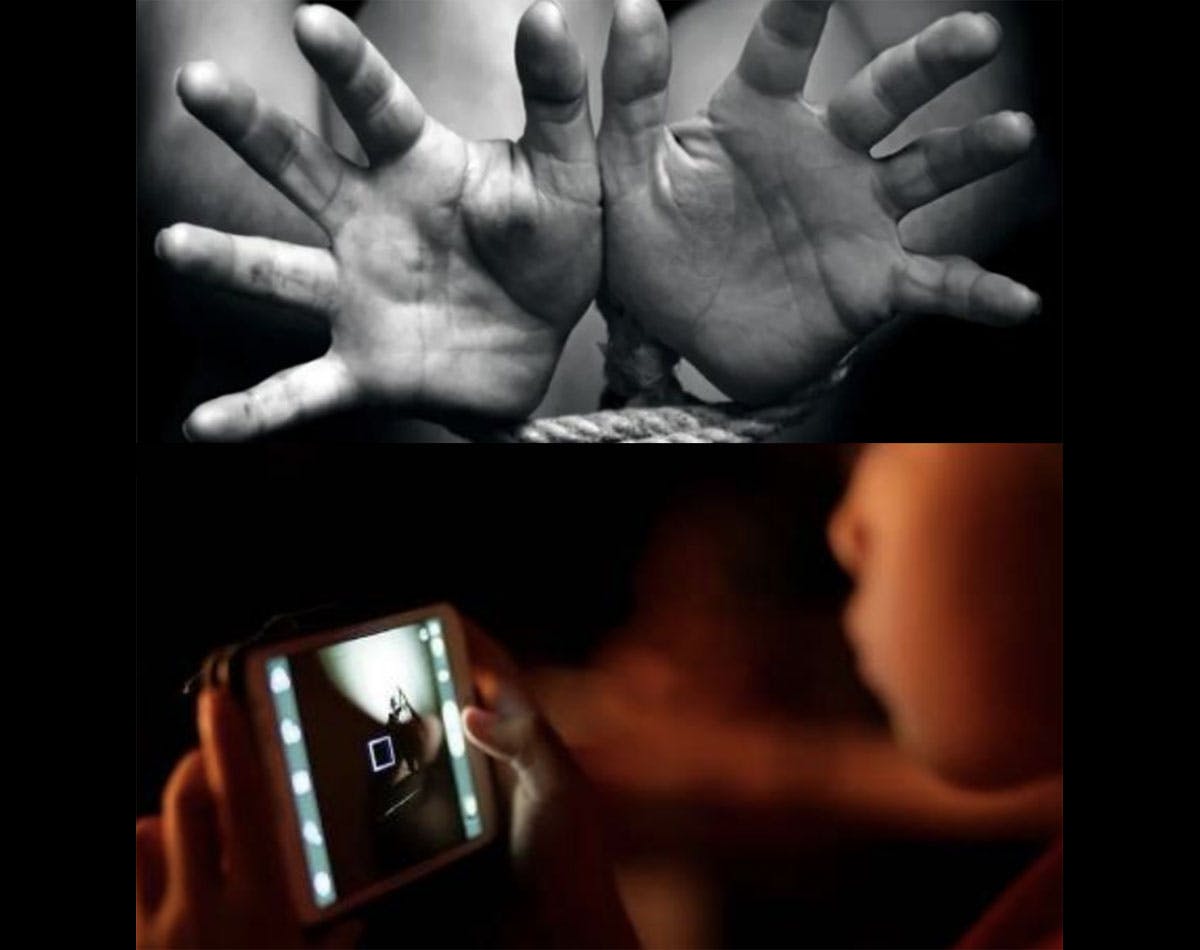
The Philippines is outpacing the global trend of increasing volume of online cyber pornography trafficking and online sexual abuse and exploitation of children (OSAEC), latest data from the United States showed.
Linus Antonio, technical consultant of the Cybercrime Investigation and Coordination Center (CICC), said global data monitored by the US National Center for Missing and Exploited Children (NCMEC) revealed a spike in OSAEC activity in the Philippines over a three-year period starting 2019.
Antonio said the NCMEC’s Cybertipline data showed steadily rising cases of reported OSAEC around the world, presumably exacerbated by the global lockdowns forced by the COVID-19 pandemic.
The NCMEC Cybertipline is the clearinghouse for child sexual exploitation and child pornography as it tracks the global flow of child sexual abuse materials or CSAMs within and among the countries of the world.
“In 2020, obviously, it jumped from 16 million to 21.7 million. And then very recently, we received the statistics for 2021, it jumped even higher, from 21 (.7) million to 29.3 mil-lion,” Antonio said in a press briefing on Sunday, June 19.
The media event was staged for the inauguration of the CICC’s Digital Forensics Platform and Laboratory (DFPL) facility inside the CICC headquarters in Roxas District, Quezon City.
A project management professional, Antonio said a closer look at the global data would show that 801,000 of the 16 million CSAMs in 2019 originated from the Philippines.
“So this means we are a producer of CSAMS,” he said. “In 2020, it jumped to 1.3 million reports and in 2021, it grew tremendously from 1.3 million to 3.1 million.”
Against the worldwide growth rate of 35 percent in 2021, reports in the Philippines grew by 138 percent.
“The problem is real. And it’s disturbing to say the least,” Antonio said. “It really should be a concern not only of the CICC, not only of the PNP (Philippine National Police), the NBI (National Bureau of Investigation), the DICT (Department of Information and Communications Technology), but as a whole, as a nation, we should tackle this problem.”