


No Secret Funds For Civilian Agencies In 2027 – Senate
Senate President Sherwin Gatchaliansaid confidential and intelligence funds would remain strictly reserved for agencies with clear law enforcement and national security mandates.
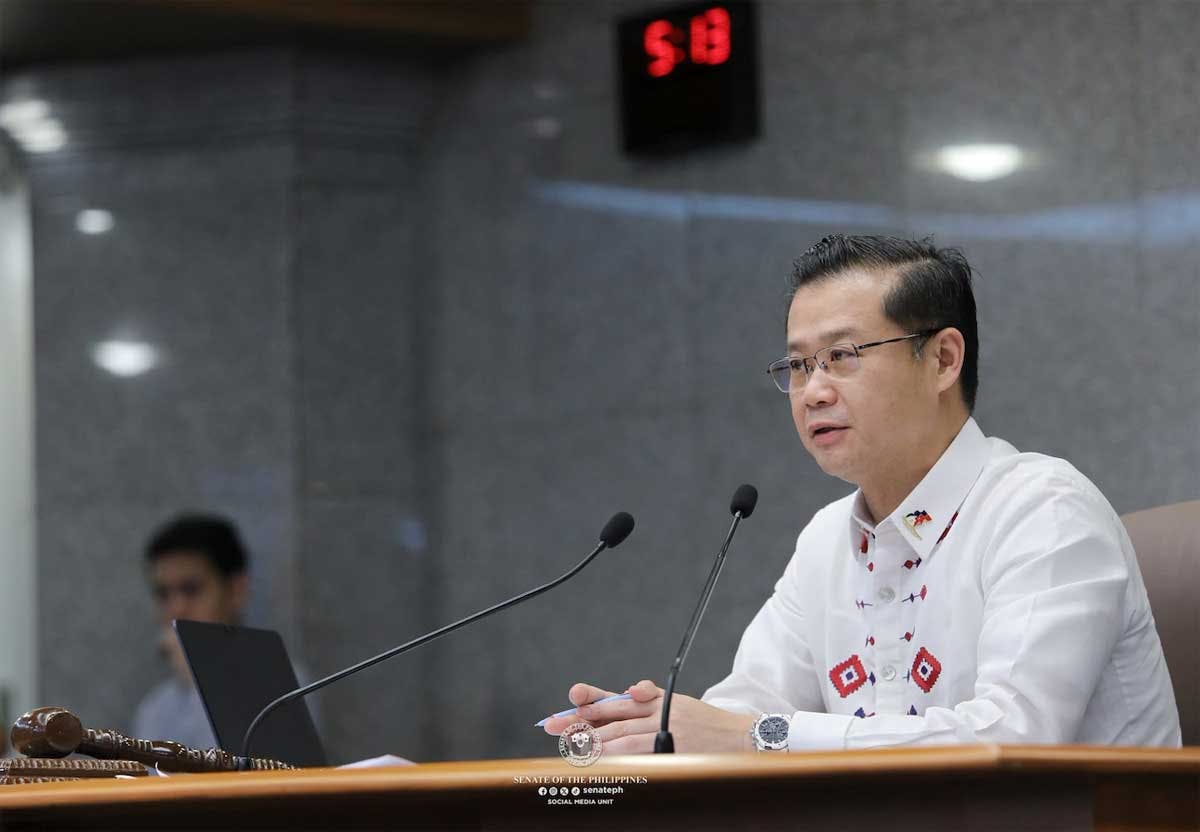
The Senate will maintain its ban on confidential funds for civilian agencies in the 2027 national budget, according to Senate President Sherwin Gatchalian.
“As a rule, if you are a civilian agency, for example, DICT (Department of Information and Communications Technology) or DOTr (Department of Transportation), we will not al-low confidential funds,” Gatchalian told radio dzBB on Sunday, Aug. 16.
He said confidential and intelligence funds (CIF) would remain strictly reserved for agencies with clear law enforcement and national security mandates, such as the Philippine Drug Enforcement Agency, Philippine Coast Guard, National Intelligence Coordinating Agency and specialized units under the Office of the President.
Meanwhile, Gatchalian clarified that should Duterte face the chamber to defend the proposed budget of the Office of the Vice President (OVP) for 2027, any questioning regarding her use of confidential funds is strictly prohibited.
“It’s already a case. So it’s sub judice if we discuss it at the (budget) hearing. So we will respect the impeachment court and the impeachment process,” Gatchalian explained.
Despite the tension during the impeachment trial, he expects the upcoming budget deliberations to be orderly and focused on the OVP’s 2027 spending plan.
“There should be respect and we must keep it professional. Last year, there was no commotion. Things ran smoothly,” Gatchalian said.
Afternoon impeachment
The Senate is also considering shifting the ongoing impeachment trial of Duterte entirely to the afternoon to accelerate the proceedings and achieve a strict “one witness per day” pace.
Gatchalian revealed that lawmakers are currently discussing the schedule change to dedicate more continuous hours to the trial, noting that the current setup is proving too sluggish, with recent witnesses spending up to three days on the stand.
“If we make it an afternoon trial, witnesses will be given longer time. We can do one witness per day. The trial will be sped up,” Gatchalian explained.
Under the proposed arrangement, the chamber would conduct its regular legislative sessions in the morning, leaving the entire afternoon and evening open for the impeachment court.
The goal, Gatchalian said, is to conclude the trial as soon as possible so senators can refocus on their legislative duties.
However, the Senate President emphasized that they are still carefully weighing the logistical toll this extended schedule would take on the chamber’s secretariat and support staff, who are re-quired to facilitate both proceedings.
While no decision has been finalized in caucus, Gatchalian stated that all senator-judges are open to the adjustment and share the objective of expediting the trial.
Expected to take the witness stand today during Day 16 of the impeachment trial are either senior disbursement officers (SDOs) Gina Acosta of the OVP and Edward Fajarda of the Department of Education.
Marivic Pareja, head of the House’s legislative information bureau and Lemuel Ortonio, OVP assistant chief of staff, were also the subjects of subpoena.
Counsel for the prosecution and spokesman Benjamin Tolosa Jr. said the two SDOs will be the prosecution’s main witnesses in the next phase of the trial, with House representatives also expected to identify and authenticate documents in the custody of the chamber.
House prosecutor and Kabataan party-list Rep. Renee Co said the testimony of the SDOs could help complete the picture that has emerged from earlier hearings, where witnesses and documents raised questions about the names, dates, activities, and mandates involved in the spending of Duterte’s confidential funds.
Co said the prosecution expects the next phase of the trial to further clarify whether the activities charged to the confidential funds were within the purposes allowed under the governing rules.
No derailment
Meanwhile, the House of Representatives leadership gave assurance that its legislative work, including deliberations on the proposed P7.2-trillion 2027 national budget, will go unhampered even as Duterte’s impeachment trial rolls on.
Manila 6th district Rep. Bienvenido Abante Jr., chairman of the House committee on human rights, said the nearly two months of budget deliberations, which start today, won’t be derailed.
“I don’t think it (regular legislative mandate) will be affected. We have already seen it. The impeachment court allocates four hours. It starts in the morning and ends by 3 p.m. So, I really don’t think so (that it will be derailed),” he noted.
Meanwhile, ACT Teachers party-list Rep. Antonio Tinio said if the national government is serious in fighting deep-seated bureaucratic corruption, it should learn from lessons from previous budget anomalies.
“The administration cannot hide behind performative transparency while perpetuating the same corrupt budgetary practices that have robbed the people of genuine public services and development,” Tinio said.
“True transparency demands the dismantling of all pork barrel mechanisms, not just (installing) cameras in the bicam,” he added.
Tinio described last year’s livestreamed bicameral conference as “nothing but damage control.” – With Delon Porcalla