People With Mental Health Issues Refuse Help For Fear Of Being Called ‘Crazy,’ Because We Still Call Them ‘Crazy’
Your feelings are valid, and it’s okay to ask for help.
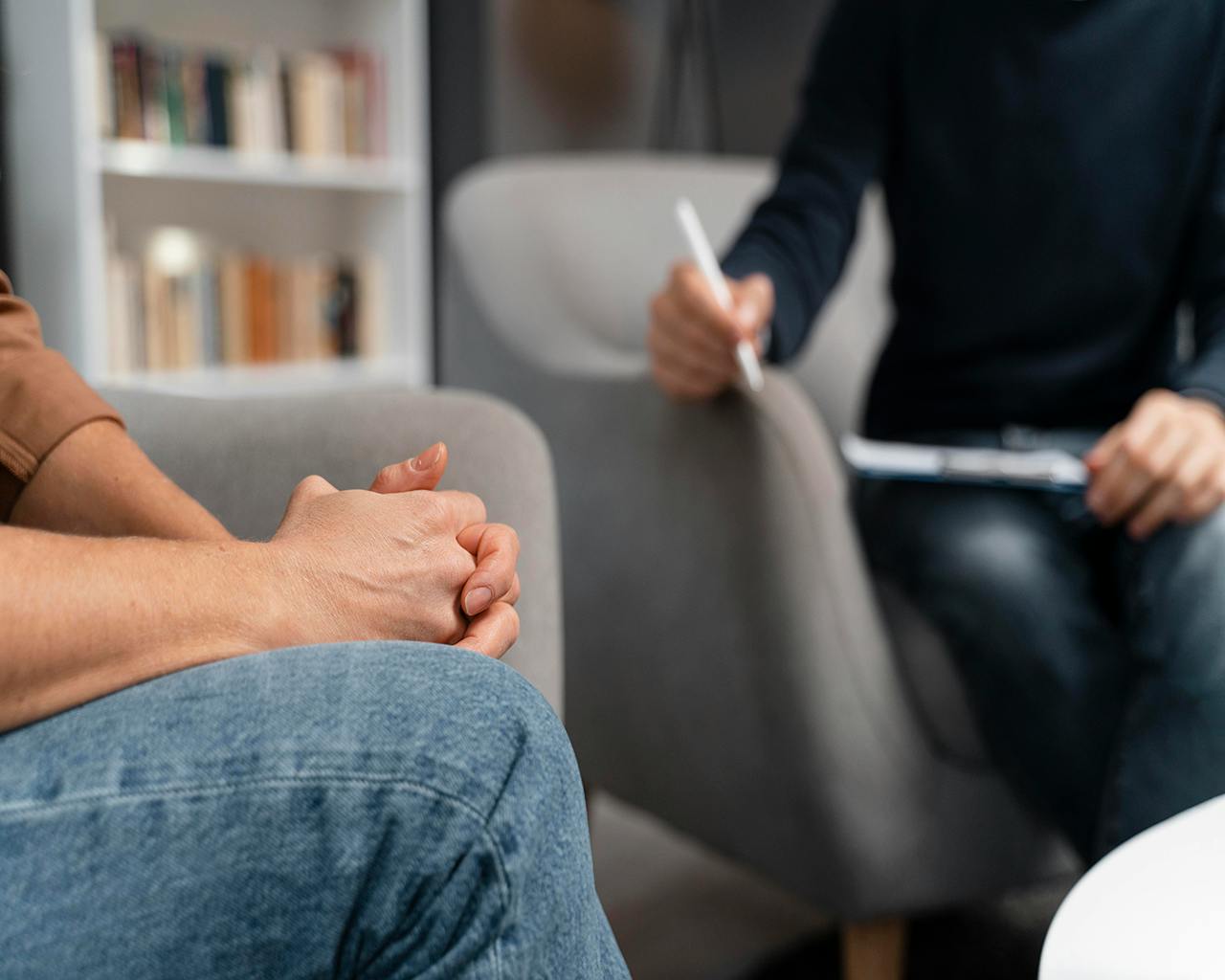
The conversation about mental health has always been a sensitive one, and for years, those with mental and emotional conditions have been discriminated against. It is true that as awareness about mental health increased, we have very slowly learned to empathize, enough to lend an ear when someone we know exhibits symptoms. In many cases, however, a person with mental health issues may require professional intervention. But why is it that people who need help don’t get help?
The stigma surrounding therapy and counseling has caused millions of Filipinos with mental health issues to refuse help. OneLife.ph sat down with Coach Beth Morales, registered psychologist, psychotherapist, and certified life coach, to better understand the stigmatization of mental health in the Philippines.
The cultural stigma
The conversation on mental health is less normalized in Asia, the Philippines included, compared to developed western countries. According to Coach Beth, this is because of the cultural beliefs rooted in our history.
“In the past, especially [in the time of] our grandparents, their only reference on mental health was [people] who are put in asylums. That’s why there is a stigma. However, these are severe cases already.
“When we talk about mental health, we are not only referring to these extreme cases -- we are also talking about cases wherein you can still function, you can still go to work, you are able to go on with your day-to-day activities, but deep inside, you are having emotional issues already,” she emphasized.
Alecs, a 25-year-old medical student, has been seeking therapy since 2017. The first time she told her parents about her condition, they blamed themselves for it. “They got mad and [were] disappointed because they felt that I was being too ‘weak’. They even blamed themselves for my condition, saying, ‘Binigay naman namin sa ‘yo lahat, saan kami nagkulang? Bakit ka nagkakaganyan?’”
Mental health as a part of overall wellbeing
According to Coach Beth, it is important to realize that when we refer to a person’s “health,” there are other aspects aside from the physical – there’s the emotional, spiritual, mental, and social sides, too. To be truly healthy, we should take care of and keep all of these facets balanced.
“I had a client once that was experiencing hyperacidity and pain in her stomach. She was confused because all of her laboratory tests came back clean, all of her physicians were saying she was healthy, but when we talked, we found out that the reason she was experiencing pain was because of her emotional and mental struggles,” says Coach Beth. Our mind and body are connected in a way that our worries, anger, and anxieties can manifest physically as well.
The benefits of seeking professional help
As for Alecs, she knew she needed help when the pain became too difficult to deal with by herself. She could not talk to her friends and her parents did not understand, so she decided to see a professional to help untangle her thoughts.
“[My doctor] gave me reassurance that my feelings were valid, and it made me want to help myself and finally accept my condition.”
Here are three reasons why counseling can change your life for the better:
Therapy can boost your physical health.
Like Coach Beth said, our body and mind are connected, and if our brain is struggling, it can manifest in the physical aspect as well. Chris Boyd, a psychotherapist from Vancouver, says, “Research has shown that treating mental health conditions through therapy can decrease the risk of stroke, diabetes, and rheumatoid arthritis. It can decrease inflammation and blood pressure within the body.”
Therapy helps you change unhealthy patterns.
Unhealthy patterns can be in the form of thoughts like “I am not good enough” or “I deserve to be unhappy because I am this way”. In therapy, clients are given the chance to explore these patterns, understand where they came from, and establish ways to cope with them in a healthier, more effective manner.
“It is amazing how small changes can build upon each other and lead to positive revolutions in our lives,” says Eric Hotchandani, a licensed marriage and family therapist.
Therapy is a safe, nonjudgmental space.
One of the reasons why we are afraid of seeking help is because we are ashamed of our fears and struggles. However, the main goal of counseling is to establish a space where you are safe to speak about your problems without the fear of being judged or misunderstood. “It is an act of self-care,” says Eric.
The importance of awareness in understanding mental health
According to Coach Beth, millennials and the Gen Z generation are greatly contributing to the normalization of counseling “because more and more people are talking about it, more people are being enlightened as well.”
The signing of Republic Act No. 11036 or “Mental Health Act” into law on June 20, 2018 helped in enlightening the younger generations about mental health issues and the importance of counseling and therapy. Since then, Coach Beth says a lot more clients have reached out to her and her colleagues, which was encouraging because it could be the beginning of establishing healthier patterns and the eradication of the stigma attached to mental health.
Progress, no matter how small
The best thing that can be done to help future generations is to keep talking about mental health in a way that is not rooted in shame or fear. Keep writing about it, holding seminars about it, talking to our children about it, and learning to listen to those who need it. Eventually -- even if it takes a hundred years – we will see progress. But for now, there’s still a long way to go.
Coach Beth Morales may be reached through her website.
Your feelings are valid. You are valid. And there is no shame in asking for help.
If you need someone to listen, call the National Mental Health Crisis Hotlines at 0917-899-8727, (02) 7989-8727 or 1553 (toll-free landline) anytime, 24/7.
You may also call hotlines 0917-8001123 or (02) 8893-7603 for free telephone counseling in the Philippines.
This article originally appeared on OneLife.PH